
Agentic coding just clicked for me this week. On Feb 3, 2026 Apple shipped Xcode 26.3 with explicit agentic coding language, and on Feb 4, 2026 IBM called out the accountability gap in autonomous AI. The back-to-back timing felt like a gut check for anyone excited about automation but still responsible for the mess when things go sideways.
Quick answer: Agentic coding in Xcode 26.3 signals a shift from autocomplete to action. Apple is framing the IDE around agents that plan, verify, and take steps inside your project. The next day, IBM warned that accountability must be built in from day one. Start small with a tight loop, clear tests, and full logs so you can verify, roll back, and sleep at night.
I start small with a tight loop, clear tests, and full logs so I can verify, roll back, and sleep at night.
What changed with Xcode 26.3 on Feb 3
I read Apple’s update and then tested it myself. The headline is clear: Xcode is being positioned as an agentic coding environment. You are not just asking for a function. You are working with a system that can plan small tasks, use project context, and act inside your workflow. Apple’s wording around agentic coding in Xcode 26.3 makes that intent pretty explicit.
Even if you never touch an iOS app, this matters. Patterns like this spread quickly once a major platform normalizes them. I felt the UX shift right away. It moved from a helpful autocomplete vibe to a junior teammate that will try something, check if it worked, and try again.
The accountability gap IBM flagged on Feb 4
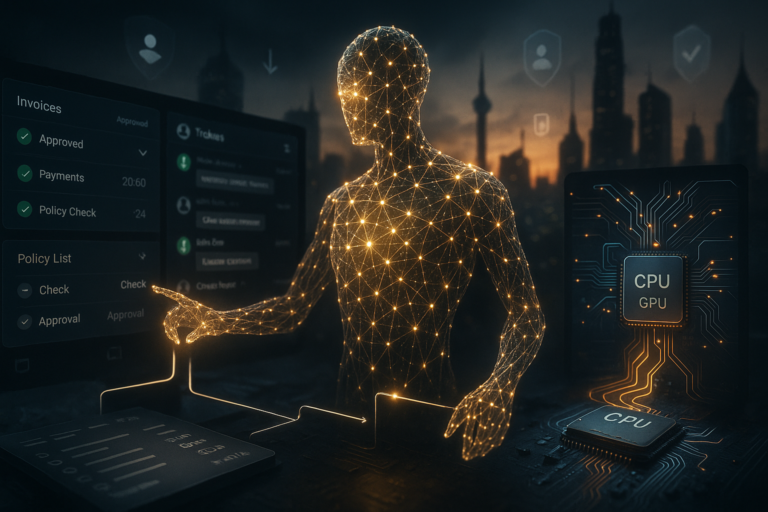
Then IBM published a timely reminder a day later. Their piece on the accountability gap in autonomous AI put words to what many of us worry about in practice. When an agent changes code, touches data, or interacts with production systems, who set the boundaries, what got logged, and how do you unwind a bad call fast. You can read IBM’s take here.
I set the boundaries, log everything, and make it easy to unwind a bad call fast.
What accountability looks like in practice
I do not want to kill the magic. I just want to keep the receipts. Here are the guardrails I rely on when I let an agent take action:
- Scoping. Give the agent a narrow task with a clear definition of done. If scope changes, I approve it.
- Permissions. Least privilege. Read-only by default. Write access gated through tests or review.
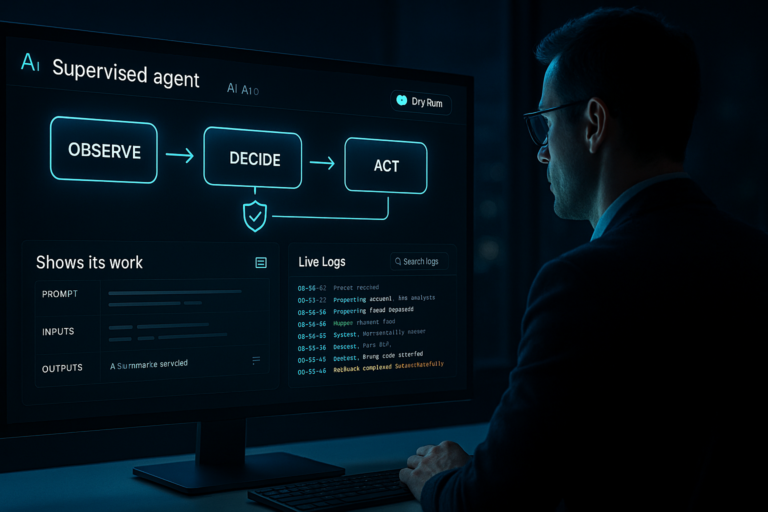
- Traceability. Log the prompt, the plan, files touched, checks run, and results seen.
- Reversibility. Branches and PRs for code. Feature flags and staged rollouts for ops.
- Human-in-the-loop. Step in at the edges where things are novel, ambiguous, or high risk.
How I start with agentic coding today
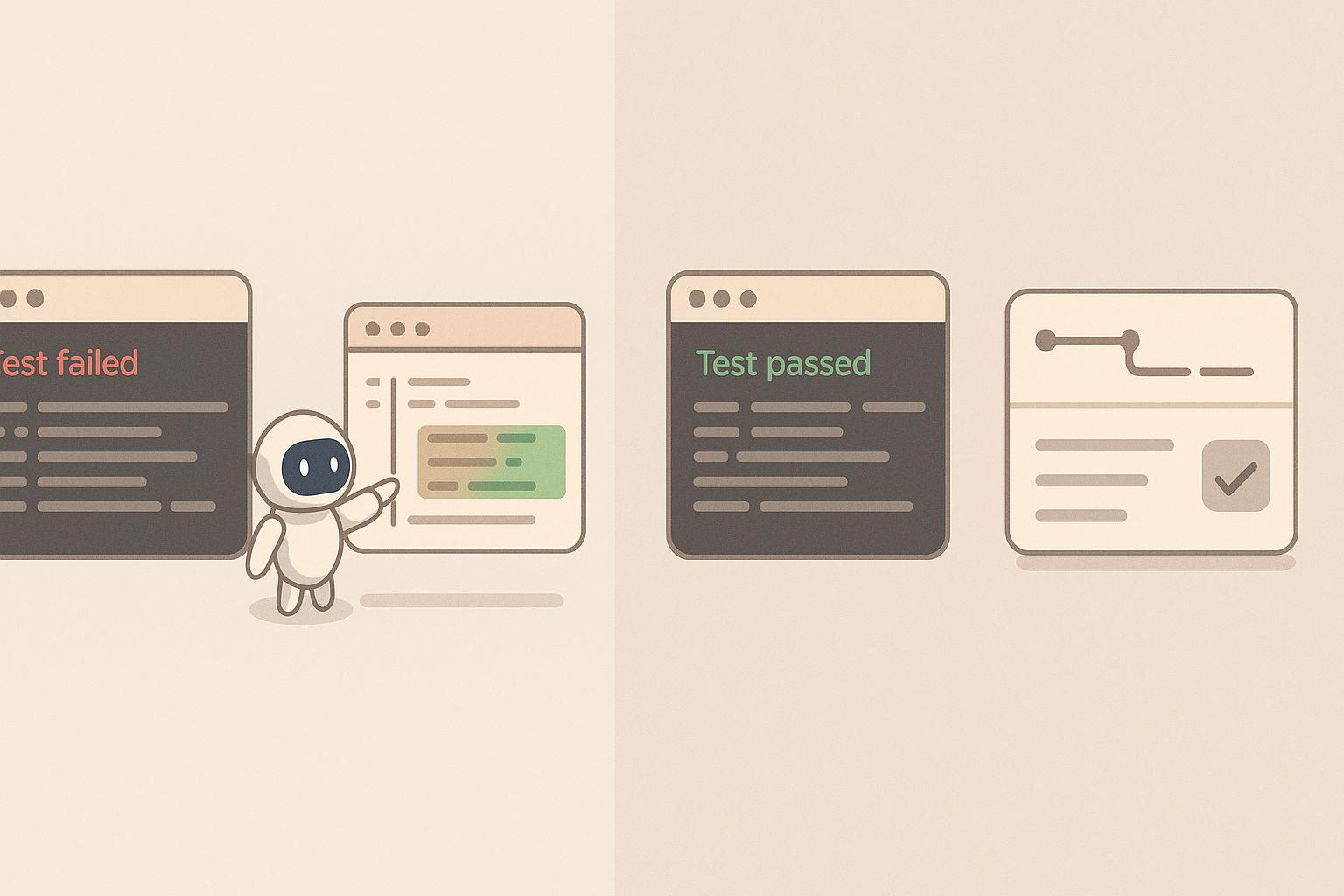
Skip the “build me an entire app” fantasy. I get better results by putting a tiny agent in a tight loop with a crisp success test. One loop I love is Fix, Test, Commit. The agent takes a failing test, proposes a fix, runs the suite, and if it passes, opens a PR with a plain-English summary. I supervise. It works.
I put a tiny agent in a tight loop with a crisp success test.
You do not need the Apple stack to benefit from the momentum. If you are on macOS, explore Xcode 26.3. Otherwise, recreate the loop you already have: protect your main branch, write a couple of non-negotiable tests, give the agent a single command to run checks, and store its prompts, plans, and diffs. Pick a safe, boring task like cleaning linter warnings, stabilizing flaky tests, or generating docstrings from signatures.
What Apple’s update signals for the ecosystem
More context exposed. Agents need project-wide knowledge, so expect IDEs to make scoped context easier to query safely.
Evaluators become core. Tests, linters, and analyzers shift from optional add-ons to first-class citizens in the agent loop.
UX moves from suggest to act. Interfaces make room for plans, approvals, and results. Less “here is a snippet,” more “here is what I did and why.”
I treat tests, linters, and analyzers as first-class citizens in the agent loop.
When a conservative platform starts using research vocabulary, the concept is crossing the chasm. If you are building skills, practice writing constraints into prompts, design tasks the agent can verify, and learn to read logs to debug agent reasoning.
The part nobody wants to own
The accountability work is not glamorous, but it is what saves you on a random Tuesday when production gets weird. It is also what separates teams that scale agentic systems from teams that quietly unplug their proof of concept a month later. I resist the urge to go big too fast. I earn my way up.
Before I let an agent touch anything, I ask myself three questions. Can I describe the task in one sentence with a binary success signal. Do I have a test or check that confirms success automatically. Is every action logged and reversible without spelunking through five tools. If any answer is no, I slow down and fix that first.
If any answer is no, I slow down and fix that first.
What I am watching next
Agent policies as code. Think infrastructure as code, but for agent behavior. Versioned, reviewable rules that define what the agent can do and when it must ask for help. The first dev tools that make this simple will win a lot of hearts.
Built-in incident playbooks. When an agent surprises you, the clock starts. IDEs and CI should make it trivial to capture state, revert, and open a structured incident with all the agent logs attached. Turn a scary moment into a routine drill.
FAQ
What is agentic coding in plain English
It is the shift from predictive code suggestions to systems that plan and take actions inside your project. Instead of offering a snippet, the agent attempts a task, checks the result, and iterates. Xcode 26.3 puts that framing front and center.
Do I need to be an iOS developer to benefit
No. The patterns matter across stacks. Start by building a small loop around your tests and version control. If you are on macOS, explore the Xcode 26.3 features to see how Apple wraps plans, checks, and approvals into the experience.
How do I start safely without slowing down
Pick a tiny, boring task with a binary success signal and keep the loop tight. Gate write access behind tests or review, log everything, and make rollbacks one command. You will move faster once the guardrails are in place.
What tasks work best for a first agent
Anything repetitive and checkable. Cleaning linter warnings, fixing failing or flaky tests, updating docstrings, or wiring simple configs. The clearer the success criteria, the better the agent performs.
How do I recover if the agent makes a bad change
This is where branches, PRs, and feature flags pay off. Keep changes isolated, require tests to pass, and be ready to revert quickly. Good logs help you understand what happened and improve the prompt or policy next time.
Final thoughts
Feb 3 and Feb 4 felt like a coordinated message from the universe. Agents can and should do more for us, and we are still responsible for the systems we build. Start tiny, instrument everything, and treat tests like a contract the agent must honor. That is how I am leaning into agentic coding without losing sleep.