
Agentic AI just clicked for me this week. The updates on Feb 5 and Feb 6 made me pause what I was doing and actually rework my weekend plan. If you want a real on-ramp into agents and automation, this is the moment I wish someone had flagged for me.
Quick answer: Start by testing a coding agent on a tiny but real repo task, then turn one of your recurring SOPs into a human-in-the-loop run. Lock down security with strict tool scopes and approval gates. If you touch ecommerce, ship a concierge pre-cart assistant. You can show results by Monday without rewriting your stack.
I start by testing a coding agent on a tiny but real repo task, then lock security with strict tool scopes and approval gates, so I can show results by Monday without rewriting my stack.
The coding sprint that changed my priorities
On Feb 5, 2026, OpenAI launched a new agentic coding model minutes after Anthropic released Claude Opus 4.6. TechCrunch noticed the timing and it said everything about where the race is headed. You can read that coverage here: OpenAI vs Anthropic on Feb 5.
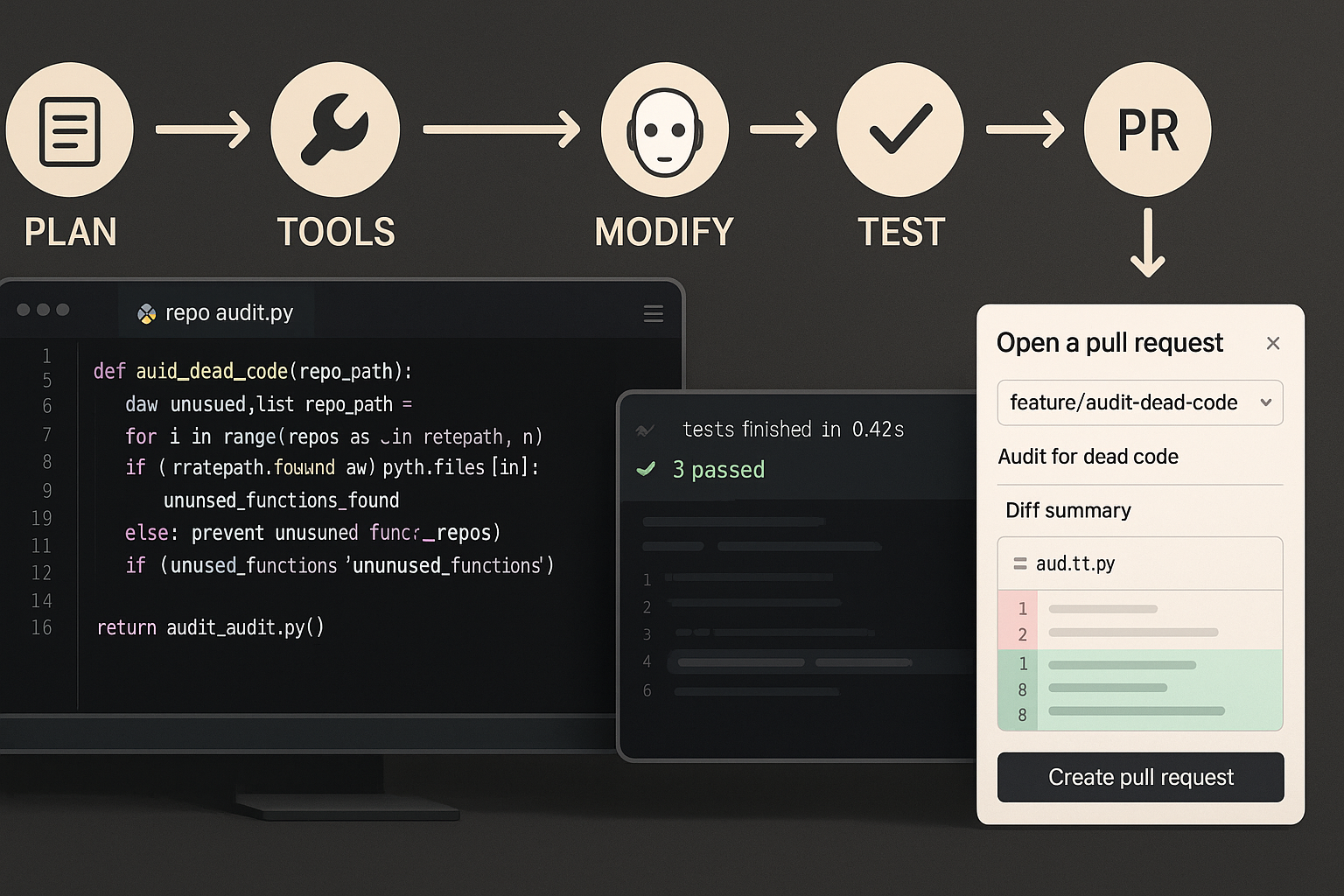
Both teams optimized for planning, tool use, and long context. Translation for me: I can point a model at a repo, set a goal, and expect it to push through multi-step work that used to be fragile. OpenAI even published “Introducing GPT-5.3-Codex” that day, which tells you how fast research is turning into usable tooling.
How I actually test these models
I do not chat. I set a small but real goal and spell out the playbook: audit a repo for dead code, create a branch, remove it safely, run tests, then draft a PR with a clear summary. I give it the tools, the branch naming rules, the test command, and what to skip. When I write the guardrails down, performance jumps.
I always write the guardrails down before I run an agent, because performance jumps when the playbook is explicit.
Enterprises are signaling go on agents
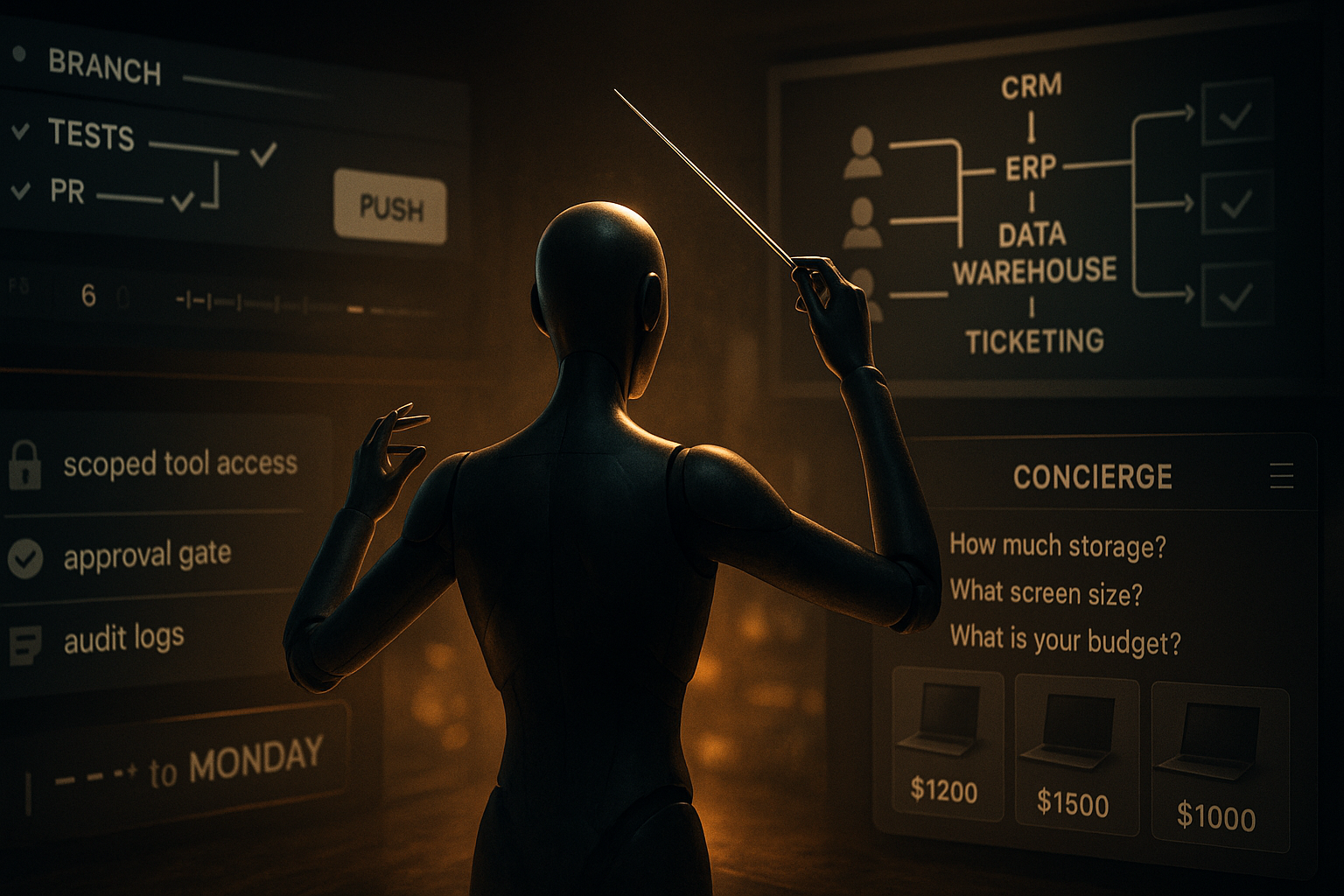
On Feb 6, 2026, Deloitte’s analysis landed with a simple takeaway for me: companies are preparing for agentic and physical AI. Not just chat. Agents that act across systems and trigger workflows. The quiet goldmine is not greenfield automation. It is the ugly middle that glues CRMs, ERPs, data warehouses, and ticketing.
The lane I would pick if I were new
I’d be the person who turns recurring SOPs into agent runs with human checkpoints. Finance approvals, vendor onboarding, QA signoffs, release notes, weekly rollups. People welcome agents that draft and assemble context. They only push back when a bot hits send without asking.
I turn recurring SOPs into agent runs with human checkpoints, letting the bot draft while I keep final approval.
The security wake-up call I needed
Also on Feb 6, 2026, Trend Micro published a deep dive on OpenClaw and the invisible risks of agentic assistants. It hit home for me because the features that make agents useful are the same ones that get you in trouble. If your assistant can browse, fetch credentials, or summarize private docs, it can also be tricked. The write-up is worth a read: Trend Micro on OpenClaw.
My non-negotiables when I build agents
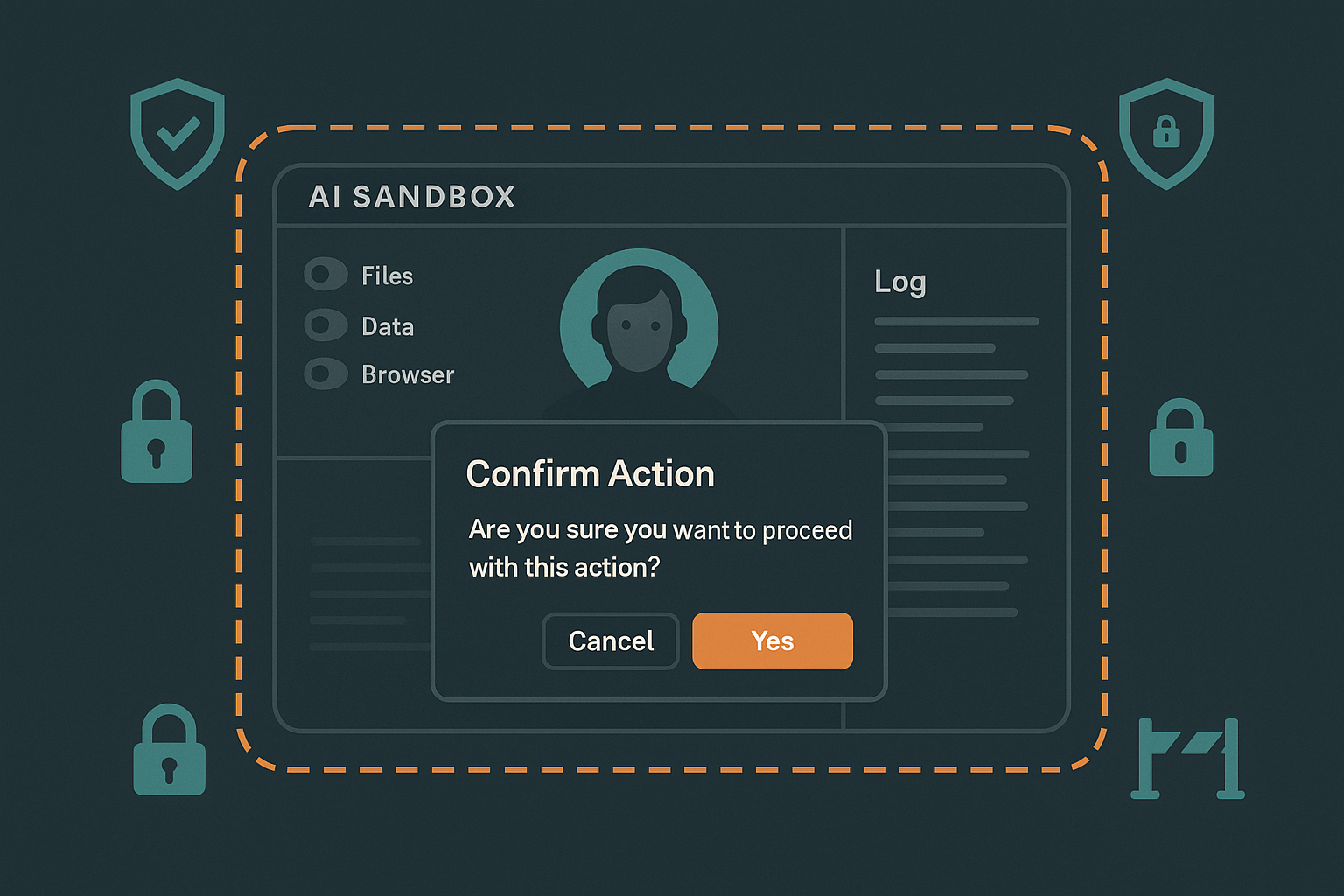
- Hard-scope tools and data. The agent only sees what the run gives it. No wildcard access to drives, inboxes, or browsers.
- Put a human gate on anything irreversible. Purchases, deletes, merges, or customer messages need a clean diff and an explicit confirm.
- Log everything with the expectation those logs will be read. Clear logs shorten debugging and create accountability.
I always start with read-only drafting, then move to safe writes in a sandbox, then limited production actions. Most failures I see are scope creep and missing review.
I start in read-only, move to safe writes in a sandbox, and only then allow limited production actions.
Commerce went agentic in public
Feb 6, 2026 also brought visible signals in retail. Amazon’s Q4 coverage called out a push into agentic shopping that felt more concrete than generic AI spend. If you want a snapshot, this summary is helpful: Amazon’s agentic shopping push. The same day, Criteo introduced an Agentic Commerce Recommendation Service powered by shopping agents. That combination made it obvious where the early ROI sits.
What I would build first for ecommerce
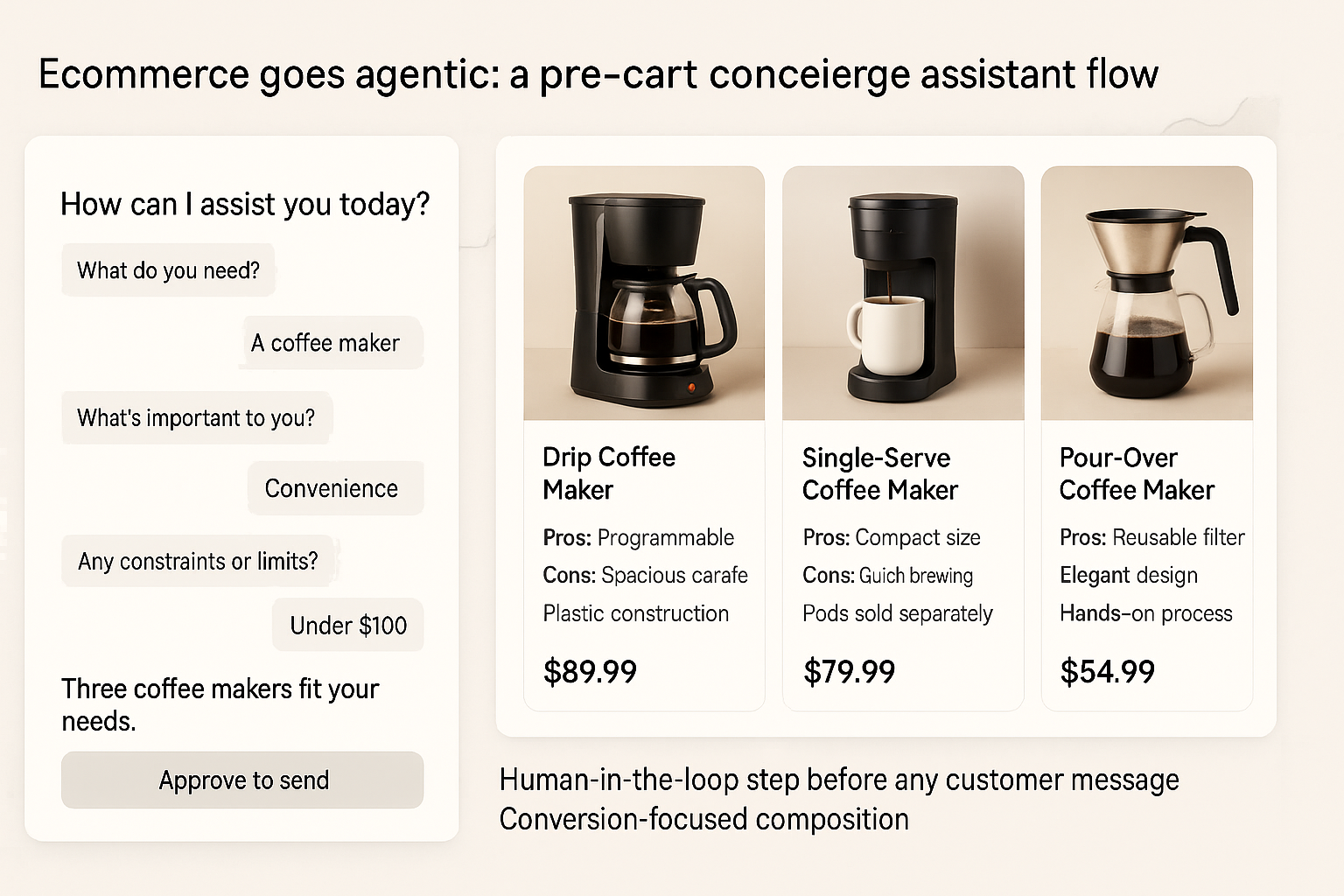
I’d ship a concierge pre-cart assistant that asks three questions before a shopper starts browsing: what they need, what matters most, and any constraints. Then I’d return three options with pros, cons, and what they might be missing. If you run a store, let it draft one personalized email or on-site message. If not, test it with affiliate catalogs.
I ship a concierge pre-cart assistant that asks intent, priorities, and constraints, then returns three options with pros and cons.
A weekend plan you can actually ship
My 90-minute starter roadmap is boring and it works. I pick one workflow that eats time. I write a one-page playbook with goals, tools, guardrails, and approval points. Then I wire a single model run against a tiny, fixed scope. If I’m testing the new coding models from Feb 5, I give them a repo and a branch. If I’m testing a commerce assistant from the Feb 6 signals, I give it a small catalog slice and ask for one recommendation flow with a human approval step. I save the logs and compare Monday’s before-and-after.
What this week really means
Feb 5 and Feb 6 were not just busy news days. The models got better at follow-through, enterprises are carving out agent roles, security teams are handing us the playbooks, and commerce is showing public wins. If you’ve been waiting for the perfect course or the perfect tool, I’d start small now. Ship one win this week and let momentum do the rest.
FAQ: Getting started with Agentic AI
What is Agentic AI in plain language?
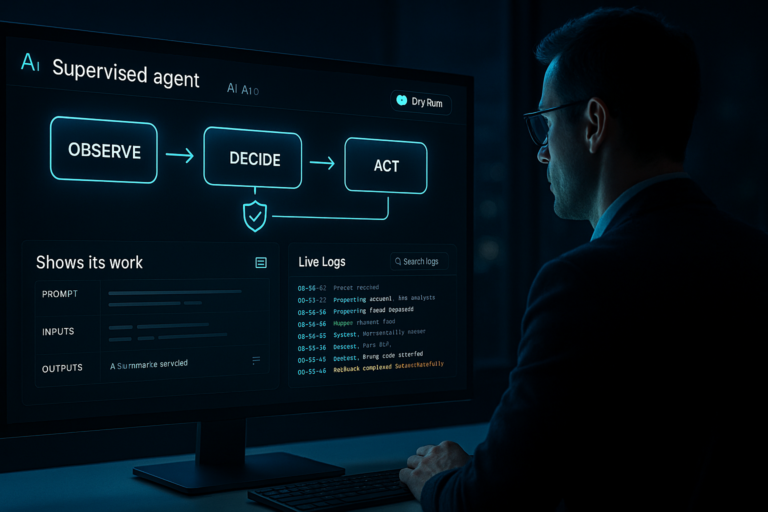
Agentic AI is software that can plan, call tools, and complete multi-step tasks with context, not just answer questions. Think of it like a reliable teammate that follows a written playbook and asks for approval at key steps, instead of a chatbot that replies in one-offs.
How do I test a coding agent safely?
Use a small repo or a sandboxed copy of a real one. Give the agent a narrow goal, your branch naming rules, and the exact test command. Start in read-only mode, then allow safe writes in a temporary branch. Always end with a human approval on the pull request.
What enterprise workflows are easiest wins?
Recurring SOPs with clear handoffs are perfect. Finance approvals, vendor onboarding, QA signoffs, and weekly reporting all benefit from agents that gather context and draft outputs while a human handles final approvals.
How do I keep agentic assistants secure?
Scope tools and data to the run, gate irreversible actions with a confirm step, and log everything. Avoid browser or credential access until you’ve proven the workflow in a sandbox. Most risks come from over-permissioned tools and missing review.
What should I build first for ecommerce?
A pre-cart concierge. Ask intent, priorities, and constraints, then present three options with pros and cons. It delivers value without touching checkout and teaches you how to structure retrieval and drafting steps with a clean approval before anything goes live.