

Agentic AI just jumped a level, and I felt it this week. If you’ve been waiting for a real signal to start, this is it.
Quick answer
Agentic AI moved from flashy demos to practical tools on Feb 5-6, 2026. OpenAI and Anthropic pushed coding agents into everyday workflows, Amazon signaled agentic shopping is coming fast, and Trend Micro flagged new safety risks. If you’re new, start with one tiny automation, add one safe tool, bake in empathy, and keep results read-only until approved.
I start with one tiny automation, add one safe tool, bake in empathy, and keep results read-only until I approve.
What just changed and why it matters
Coding agents got real competition
On Feb 5, 2026, OpenAI launched a new agentic coding model minutes after Anthropic upgraded Claude Opus. That timing wasn’t subtle. It tells me coding agents are now aimed at real dev and IT tasks, not just research. You can read the OpenAI vs Anthropic timing recap here: TechCrunch.
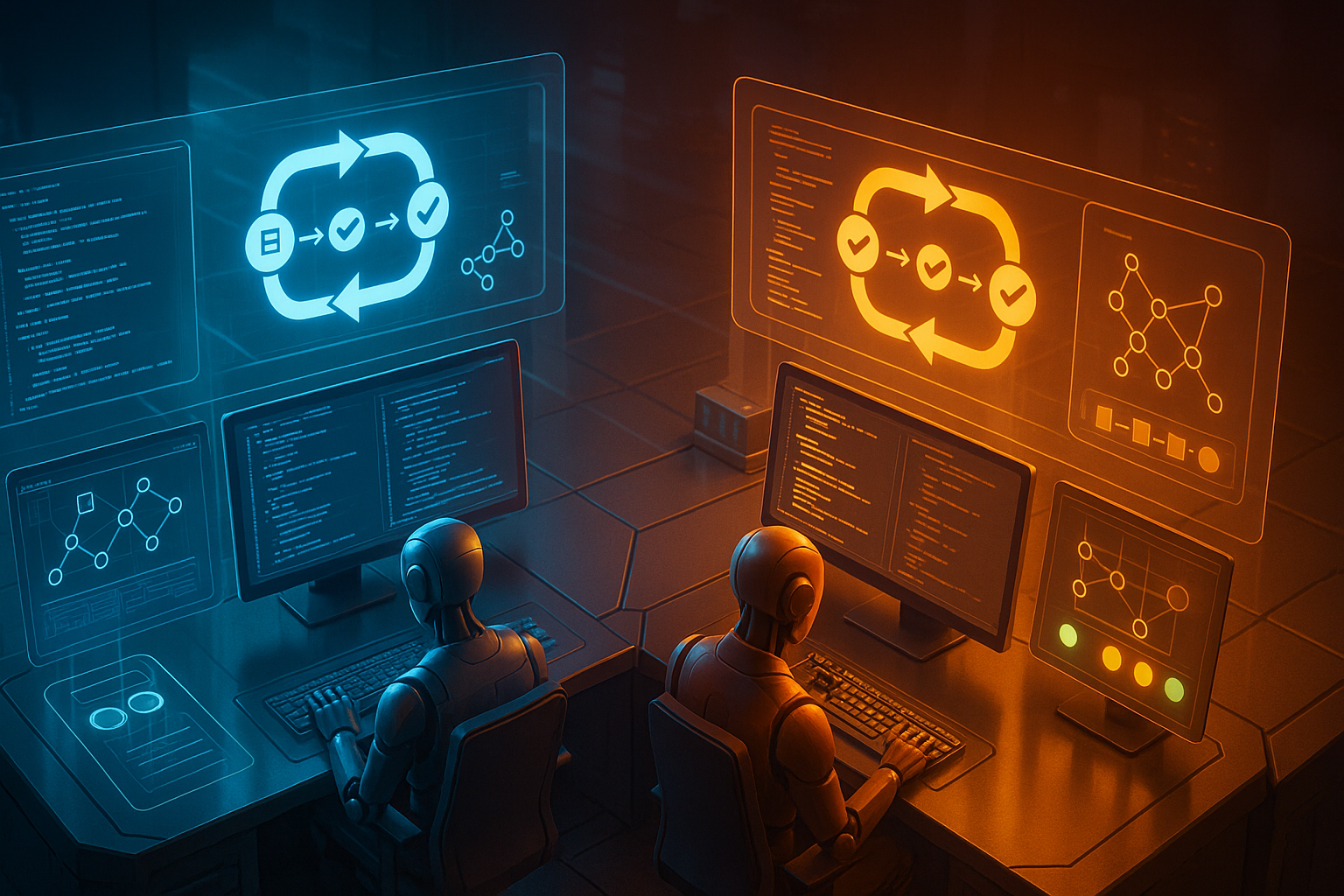
For me, this shifts the mental model from code copilot to code teammate. The agent can plan, run tools, check its own output, and iterate until it hits the goal you gave it.
Shopping and CX went mainstream
On Feb 6, 2026, Amazon’s Q4 coverage focused on agentic shopping, not just bigger AI budgets. That matters. We’re moving to assistants that compare, bundle, and time purchases as a default experience. Same day, McKinsey published a take on building empathetic customer experiences with agentic AI, which I love because tone and memory actually change how helpful an agent feels. If you’re curious, here’s the McKinsey article.
I expect assistants to compare, bundle, and time purchases by default.
Security moved from model-only to end-to-end
Also on Feb 6, 2026, Trend Micro’s OpenClaw write-up explained how agents can pick up bad instructions and spread them via tool use faster than classic prompt injection. It’s not fearmongering, it’s a reminder to design in guardrails from day one. Worth a read: Trend Micro on OpenClaw.
Agentic AI in plain English
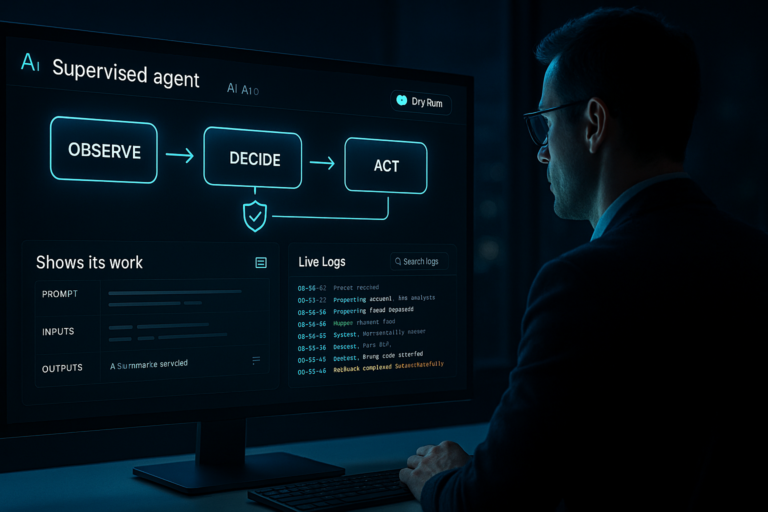
Agentic AI doesn’t just answer a question, it decides what to do next. It plans steps, calls tools or APIs, checks its own work, and keeps going until it hits the goal you set. Think of it as auto mode for knowledge work. You still choose the goal and limits. The agent handles the repetitive, procedural steps.

What this week signals if you’re new
Here’s how I read Feb 5-6, 2026: coding tasks are the fastest on-ramp, commerce is about to feel like everyone has a personal shopper, experience quality and empathy now separate winners from noisy bots, and security belongs in the design, not after launch.
I focus on empathy and experience quality because they separate winners from noisy bots.
If I were starting from zero this weekend
Pick one tiny task you hate
Keep it boring and small. I’d start with renaming files, turning a messy ticket thread into a Slack update, or collecting links into a clean outline. You want a quick “it actually works” win.
Try a coding agent on that task
Use a coding-focused model to draft a short script, then ask it to include simple verification steps. I always make the agent explain how it will check its own work. That habit saves time and heartbreak later.
I always ask the agent to explain how it will check its own work because that habit saves time and heartbreak later.
Add one tool, not five
Give the agent a single safe capability like reading a folder, calling one known API, or appending to a spreadsheet. You’ll learn the patterns faster with one reliable tool and clear guardrails.
Build empathy into your prompts
I tell the agent who it’s helping and what good feels like. For example: “Write the update in a friendly, concise tone, call out what needs my decision, and ask me first if something looks off.” The output instantly feels more useful.
Add a tiny safety net
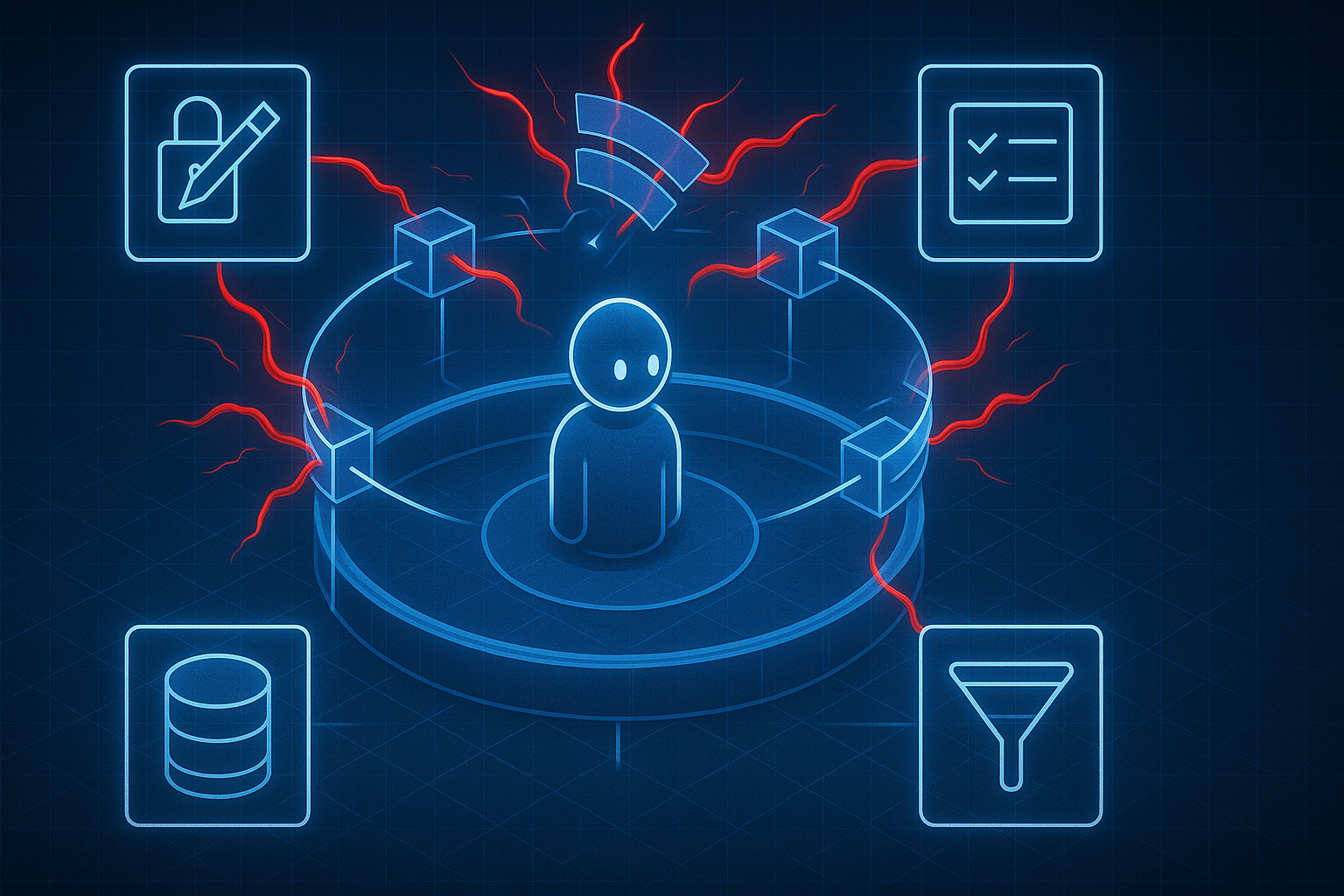
I treat agents like interns with superpowers. Put results in a drafts folder or staging sheet first, hard limit write access, and have the agent list what it changed before you approve final actions.
Beginner-friendly patterns I keep reusing
Agent as researcher
Give a topic, a few allowed sources, and a notes format. Ask for citations and uncertainty flags. This is perfect for competitive scans and customer prep. The trick is constraining sources so it doesn’t wander.
Agent as summarizer with action items
Feed meeting notes or ticket threads and ask for a short summary plus tagged action items. I also ask it to propose next steps and draft two messages I can send.
Agent as shopper’s assistant for internal buys
Borrowing from Amazon’s Feb 6 push, let the agent compare vendors or features from a small approved list. Have it present pros, cons, and one recommendation, then ask one clarifying question before deciding.
What I’m watching over the next 30 days
Sharper planning and tool use
Given the Feb 5-6 pace, I expect rapid updates that improve multi-step reliability and tool calling. If agents disappointed you last year, try again now.
Real commerce and CX case studies
With Amazon leaning into agentic shopping and McKinsey highlighting empathetic CX, I’m watching for stories where support queues shrink and CSAT climbs without generic replies.
Security playbooks teams will actually use
OpenClaw made the risks tangible. I want lightweight guardrails like read-only defaults, approval checkpoints, prompt hygiene checks, and scoped memory patterns.
I lean on lightweight guardrails like read-only defaults, approval checkpoints, prompt hygiene checks, and scoped memory patterns.
My 2-rule guardrail kit
- Start read-only. Drafts go to a separate folder or sheet. No direct writes to production.
- Require a checklist. The agent must list what it changed and why before I click approve.
Once it’s consistently helpful, expand carefully with narrower API scopes, strict source lists, and escaped user inputs if you accept external text.
FAQ
What makes agentic AI different from a normal chatbot?
A chatbot replies to messages. Agentic AI plans steps, calls tools or APIs, verifies results, and keeps going until it reaches your goal. You set the objective and constraints, it handles the busywork.
Do I need to code to use agentic AI?
No, but light scripting helps. Coding agents can generate working scripts and explain verification steps. I’d start with tiny automations and learn by shipping.
What’s a safe first project?
Pick a task with low blast radius like file cleanup, meeting summaries with action items, or compiling links. Keep outputs in a drafts folder and review before approving changes.
How do I prevent prompt injection or viral behaviors?
Constrain tools and sources, keep memory scoped, sanitize inputs, and keep outputs read-only until review. Trend Micro’s OpenClaw piece explains why tool use changes the risk picture.
Which industries benefit first?
Dev and IT workflows are getting the best tooling first, followed closely by commerce and customer experience where empathy and memory matter a lot.
Final thought
This week wasn’t just another release cycle. On Feb 5-6, 2026 the signal was clear: coding agents matured, shopping agents entered the mainstream, and empathy plus safety became a competitive edge. Start tiny, ship something useful, and let your reflexes grow as the stack levels up.