
Agentic AI finally clicked for me this weekend. I sat down for a quick headline skim and ended up staring at a pile of proof that agents just crossed into real life.
Quick answer: Agentic AI is moving mainstream right now. Between Feb 6 and 7, 2026, we saw credible reports on consumer agents, ecommerce journeys, and finance teams actually using agents, plus a solid build blueprint and an infrastructure warning. If you start with one scoped workflow and tight guardrails, you can ship a useful agent in days, not months.
I start with one scoped workflow and tight guardrails so I can ship a useful agent in days, not months.
Consumer agents are suddenly useful
On Feb 7, 2026, The Information described a post OpenClaw moment for consumer agents that feel more like digital errand runners than chatbots. That framing hit me. We’re talking call, book, compare, nudge, and follow up without babysitting.
I look for consumer agents that call, book, compare, nudge, and follow up without babysitting.
If you’re new
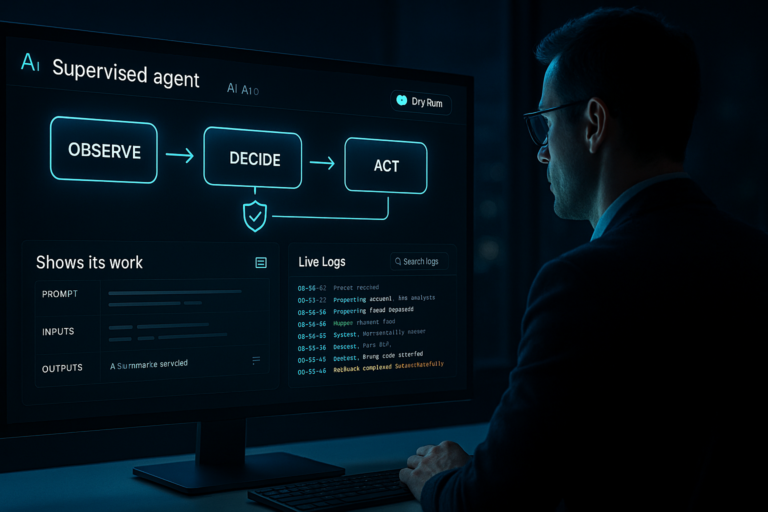
We’re moving from prompts to plans. A good agent turns intent into steps, uses tools to execute, then checks its own work. That last part is what separates a cute demo from a real life admin upgrade. My bet is the next 90 days will be full of I can’t believe it already does that moments.

Ecommerce is flipping to agent-driven journeys
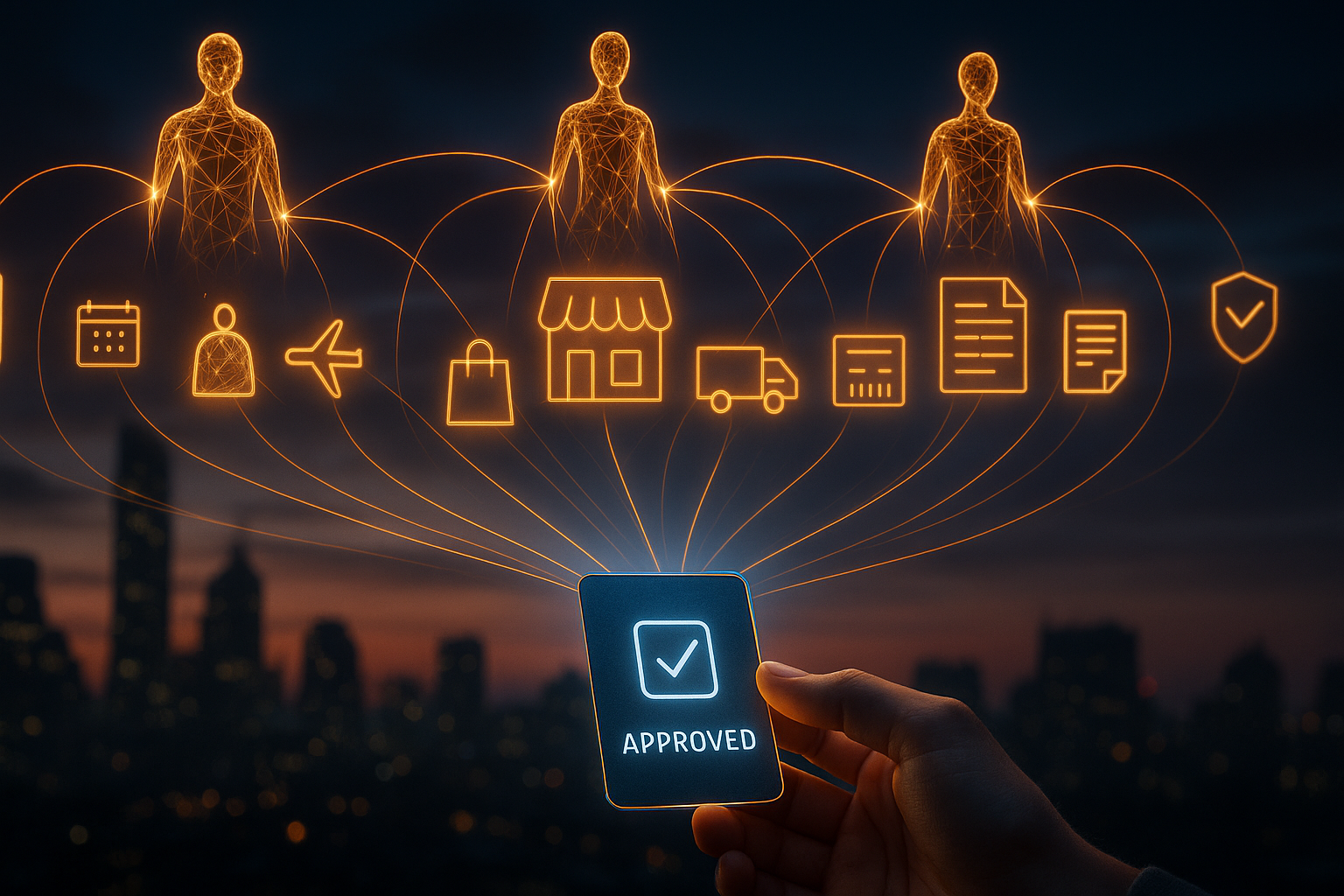
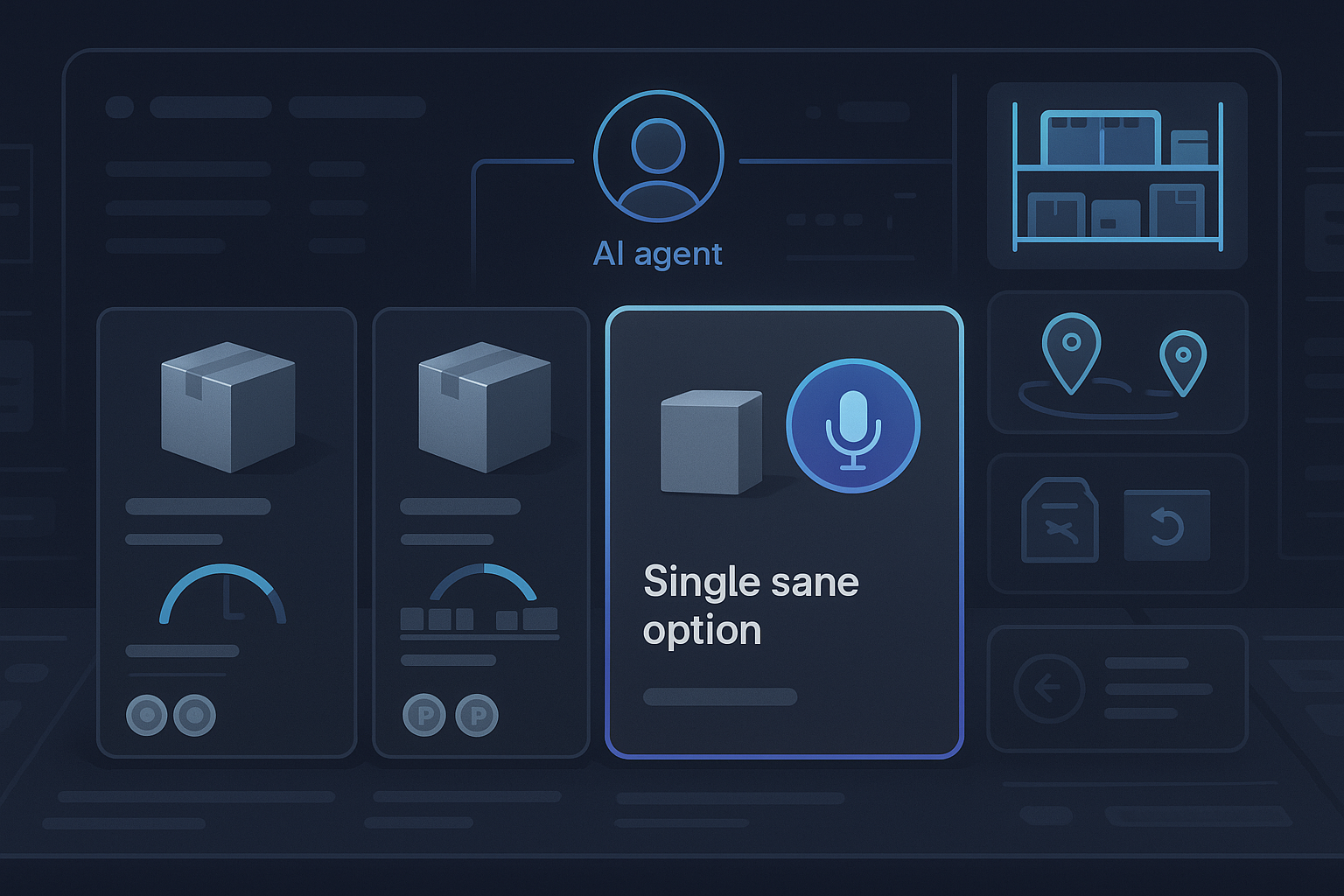
Also on Feb 7, 2026, TechRadar argued that agentic AI plus unified commerce will shape 2026. That tracks with what I’m seeing. Instead of juggling carts, coupons, sizes, and delivery windows, your agent negotiates the mess and hands you a single sane option.
I let my agent negotiate carts, coupons, sizes, and delivery chaos to hand me one sane option.
Why this sticks
Unified commerce already blended online, in-store, inventory, and fulfillment into one brain. Agentic AI turns that brain into action. It compares offers, checks stock in real time, weighs delivery tradeoffs, applies loyalty perks, and cleans up post-checkout issues. For small shops and indie brands, this is an unfair advantage window before the big players bake it into everything. Also, get ready for a new UX where you tell an agent what you’re trying to accomplish instead of mashing add to cart.
Back offices just let agents touch the money
On Feb 6, 2026, PYMNTS reported Goldman Sachs using AI agents for accounting and compliance work. I read that twice. Reconciling numbers is a different planet with controls, audits, and sign-offs.
What to take from this
Agentic AI is not a marketing toy. If a firm like Goldman is letting agents near ledger-adjacent tasks, your team’s use cases are probably safer and simpler. Think vendor onboarding, expense reviews, policy checks, data entry, and report prep. The pattern repeats: structured steps, tool calls, self-checks, and a human at the key approval gates. Keep provenance first. If an agent touches a number, you should know exactly where it came from and why it changed.
I keep provenance first and put humans at the key approval gates when agents touch the money.
How I’d build a starter agent today
On Feb 7, 2026, MarkTechPost shared a practical blueprint for production-grade agentic systems built around four pillars. I wish I had this list a year ago. If I were starting now, I’d ignore fancy dashboards until these work end to end:
- Hybrid retrieval that mixes your docs with structured data so the agent can reason over both text and tables.
- Provenance-first outputs where every claim links back to a source. No source, no claim.
- Repair loops that retry tool calls and adapt plans when APIs flake.
- Episodic memory so the agent keeps context across steps and sessions.
If that sounds heavy, scope it down. One tool, one small dataset, one job. My favorite first win is vendor invoice intake: pull the PDF, extract line items, validate the vendor, post to your system, then draft the approval email. Every pillar above earns its keep in that single flow.
I scope brutally to one tool, one small dataset, one job to get a fast first win.
The infrastructure reality check
The hard part of agentic AI is not just GPUs. It’s data plumbing, observability, sandboxed tool access, rate limits, cost control, and governance. You can duct-tape a demo. You cannot duct-tape a month of unattended runs. My guardrails playbook is simple: hard ceilings on calls and cost, one log for every tool action, frequent red-teaming, and ruthless least-privilege permissions that you loosen only after the agent proves it deserves them.

Should you jump in this weekend
Yes. It’s rare to see strong signals across consumer, commerce, and enterprise inside 48 hours. That tells me the supporting pieces are finally lining up. If I were starting today, I’d pick one outcome that saves me 30 to 60 minutes a week, write the steps like a checklist, wire in only the one tool I need next, ship it to myself, and run it for a week to fix the dumb stuff before anyone else touches it. Then I’d add memory, repair loops, and tighter provenance. Form before volume.
Where this goes next
Consumer agents will live or die on trust. If an agent cancels a subscription without asking or reorders groceries with weird substitutions, I’m out. The path forward is high transparency with low friction: always-on receipts, reversible actions, and friendly summaries of what changed. In ecommerce, the first killer app is post-purchase. Returns, refunds, exchanges, and where’s my package are perfect for unified data plus agents. In the enterprise, finance leads because value is obvious and guardrails exist already, with HR and procurement right behind. I’m also expecting a wave of agent observability tools that make why did my agent do that a one-click timeline with replayable runs.
FAQ
What is agentic AI in plain English?
Agentic AI is software that takes your goal, breaks it into steps, uses tools to do the work, and checks itself before handing results back. It feels less like chatting with a bot and more like delegating a task list.
Is agentic AI safe enough for finance teams?
It can be, if you design for provenance, approvals, and tight permissions. Keep every data transformation traceable, insert humans at key gates, and set hard cost and action ceilings. Start with low-risk workflows and expand carefully.
How do I build my first agent without overcomplicating it?
Scope brutally. One job, one tool, one small dataset. Ship to yourself first, fix obvious errors, then add memory and repair loops. The vendor invoice intake example is a great first project because it exercises retrieval, tooling, and approvals.
Will agentic AI change ecommerce UX?
Yes. The focus shifts from clicking add to cart to telling an agent what outcome you want. Behind the scenes it compares options, checks stock, applies perks, and handles issues after checkout.
Which metrics should I track for agent reliability?
Track task success rate, number of tool retries, cost per successful run, average time to completion, and human intervention rate. Review outliers weekly and replay failures to improve plans and tools.
Bottom line
Feb 6 and 7, 2026 felt like a turning point. We had credible chatter on consumer agents getting real, ecommerce betting on agentic journeys, and a major bank letting agents near accounting and compliance. Add a practical build guide and a sober infra warning, and it reads less like hype and more like a checklist. Start small. Ship one tidy agent. You will feel early, not late.