

Agentic AI just had a real moment. I spent my morning on Feb 9, 2026 digging through launches that push Agentic AI from chat to action, and a few of them are worth copying this weekend.
Quick answer: Agentic AI is moving into production with concrete wins across developer tooling, telecom, banking, legal, and supply chain. If you are new, start with the AWS Bedrock AgentCore starter, pick one painful workflow, design 3 to 5 simple tools, add a verifier, and ship a tiny pilot. The moat is orchestration, not prompts or a single model.
My tip: your moat is orchestration, not prompts or a single model.
Agentic AI in 20 seconds
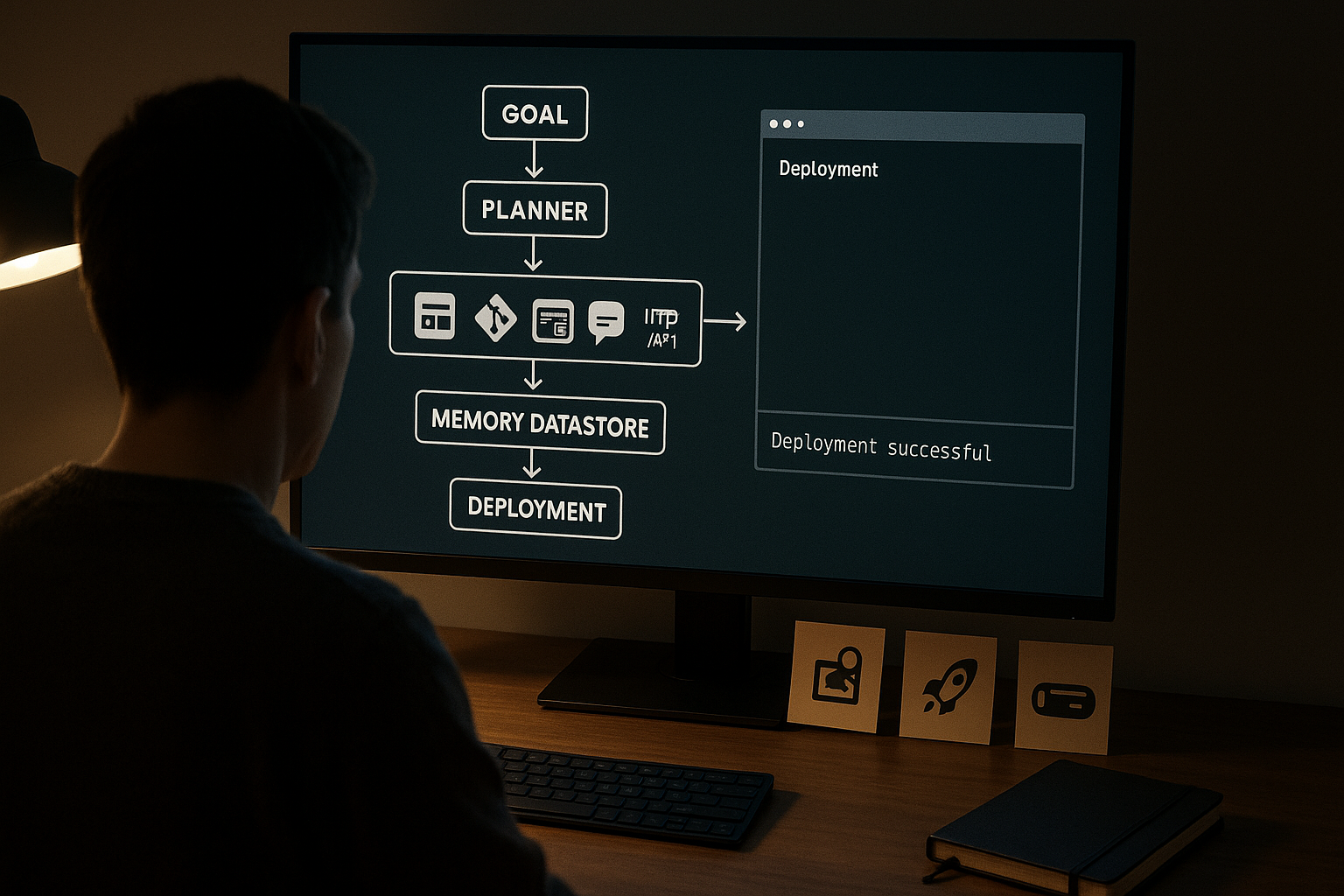
Agentic AI is when an AI plans, calls tools and services, takes actions, and checks its own work. It is not just conversation. It is an assistant that files tickets, updates a CRM, books meetings, reconciles invoices, or drafts a legal summary with citations. Give an LLM tools, memory, and a goal, and you get an agent.
What changed today
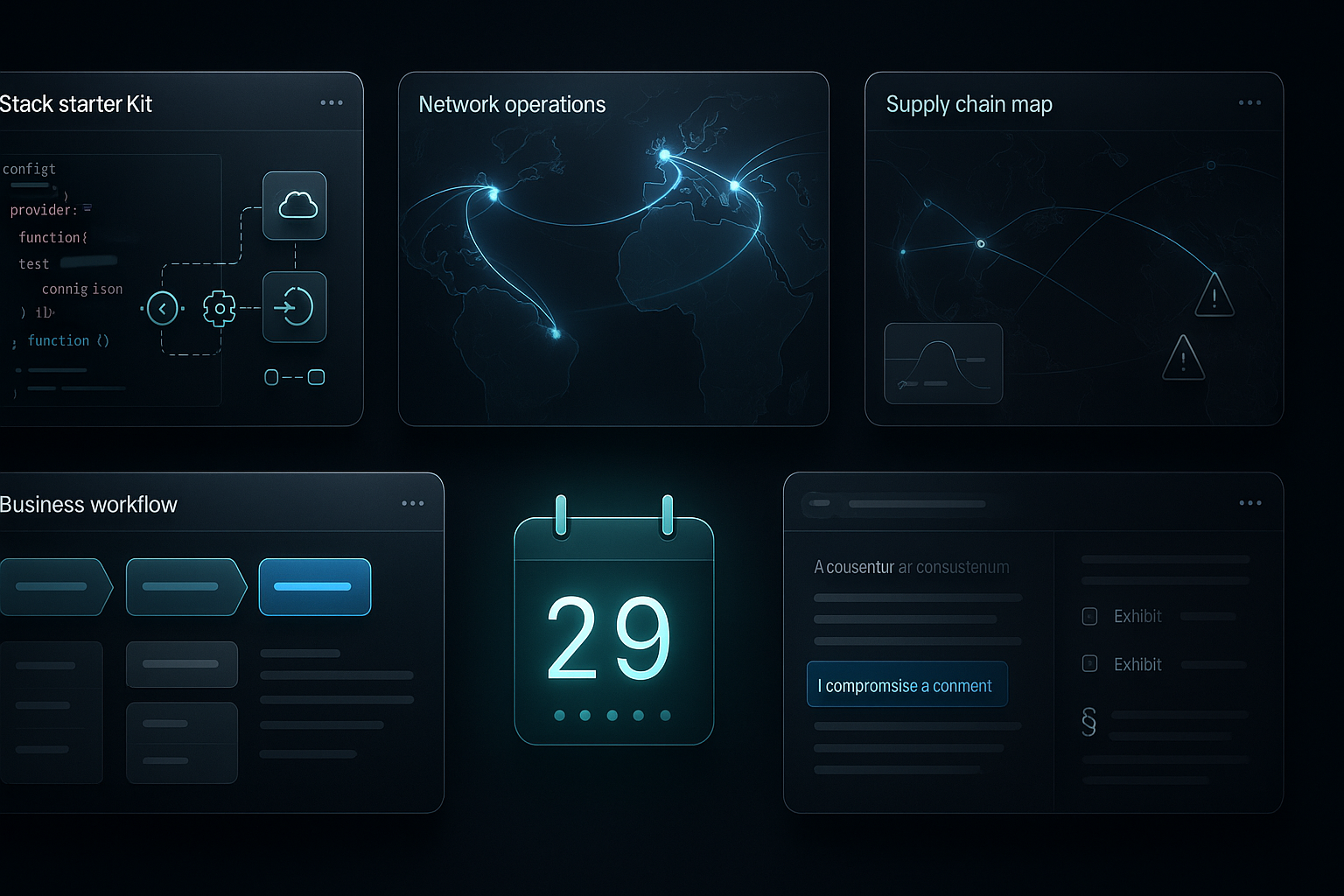
Five updates landed on Feb 9, 2026 that signal Agentic AI is graduating from demos to production. Different layers moved at once: developer starters, industry orchestration, enterprise rollouts, specialist domains, and compliance.
I treat days like Feb 9, 2026 as a clear signal that Agentic AI is graduating from demos to production.
AWS shipped a full-stack starter for Bedrock AgentCore
On Feb 9, 2026, AWS published a full-stack starter for Amazon Bedrock AgentCore. Translation: the planning, tool wiring, memory, and UI glue are pre-baked, so I can stop fighting plumbing and start shipping. My move here is simple: pick one weekly workflow and rebuild it as an agent. A standup summarizer that pulls Jira issues, Git commits, and calendar notes, then posts a Slack update, will teach you tools, memory, and guardrails in one weekend.
Amdocs introduced an Agentic Operating System for telecom
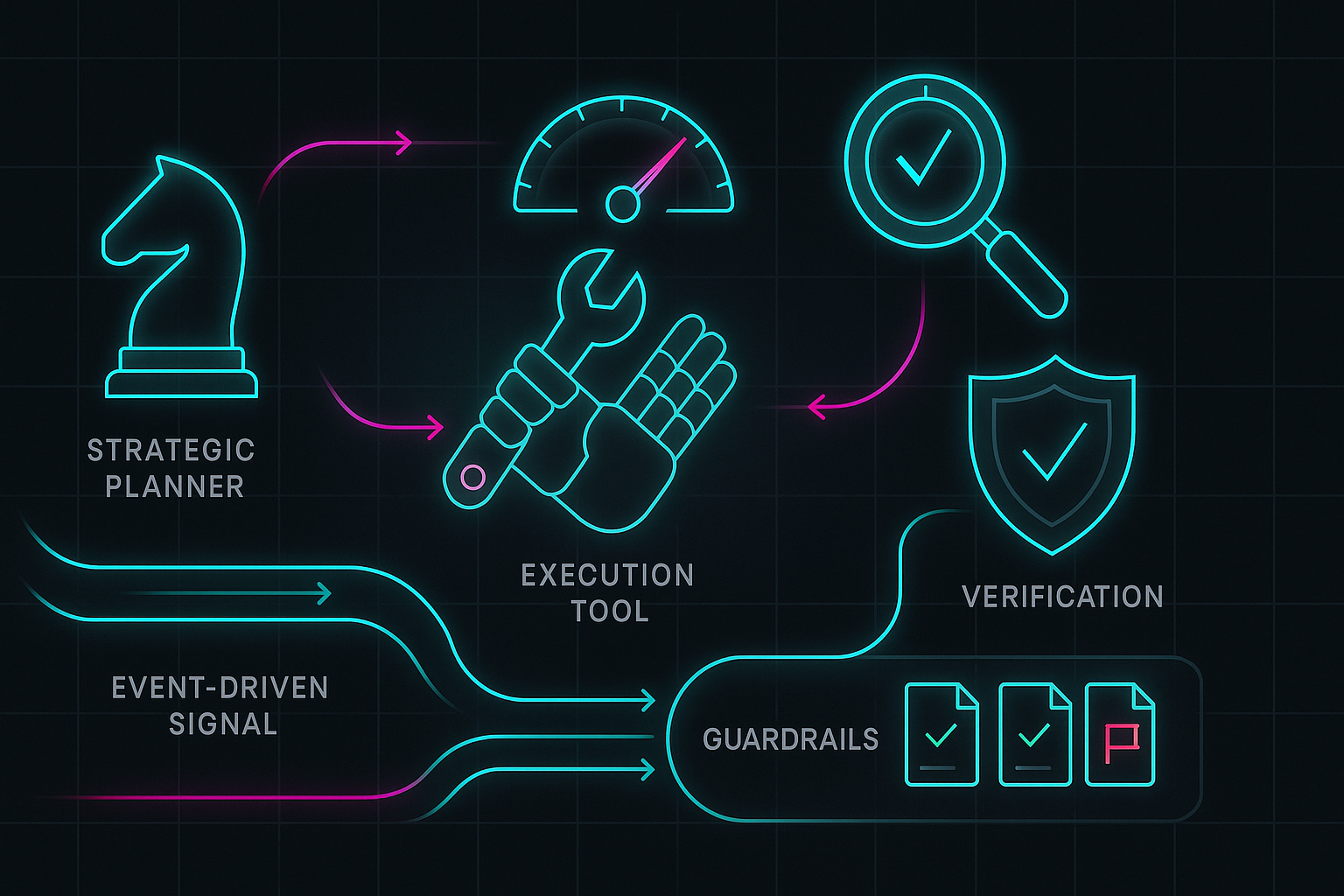
Also on Feb 9, 2026, Amdocs launched aOS, an agentic OS for telecom. Forget the buzzwords. This is the orchestration layer for many specialized agents talking to billing, network monitors, and customer portals. The takeaway for me: think multi-agent. A planner, a few tool specialists, a verifier, and a safety filter. That is how real teams work, and it is where the interesting jobs appear.
ANZ rolled out Salesforce Agentforce for business banking
On Feb 9, 2026, ANZ began rolling out Salesforce Agentforce to simplify business banking workflows. This feels like the first mainstream wave of agentic CRM. If a bank is confident letting agents touch customer processes, governance and audit trails are finally catching up. My playbook in sales or ops: agentify one high-friction CRM task like lead enrichment or auto follow-ups that update stages, create tasks, and schedule the next touch.
My playbook: agentify one high-friction CRM task that updates stages, creates tasks, and schedules the next touch.
DISCO announced scaled agentic AI for legal discovery
Legal is conservative for good reasons, so scaled agents for discovery and fact investigation on Feb 9, 2026 caught my eye. Discovery is messy and citation-heavy, which means task decomposition, retrieval, entity tracking, and scoring. If agents can live here, they can probably live in your workflow too.
Lema AI raised 24M for agentic supply chain security
Also on Feb 9, 2026, Lema AI raised 24 million to replace checkbox compliance with continuous agentic monitoring across vendors. Static questionnaires miss dynamic risk. Agents that probe, scan, and flag anomalies close that gap. If you like security, this niche is rules-heavy and measurable, which agents love.
What this means if you are just starting
The pattern across all five moves is clear. Orchestration is the moat. Not prompts. Not a single bigger model. Wins come from clean tool interfaces, explicit goals, tight guardrails, and event-driven workflows. The second theme is vertical focus. Telecom, legal, banking, supply chain. Domain fluency is leverage. Learn one stack deeply and you will outrun generalists.
I win by focusing on clean tool interfaces, explicit goals, tight guardrails, and event-driven workflows.
How I would get hands-on this weekend
If I were starting from zero and wanted a solid portfolio piece by Monday, I would do this now.
- Clone the AWS Bedrock AgentCore starter announced Feb 9, 2026, run it locally, then deploy a basic version to your cloud.
- Pick one painful workflow you already own. Define a crisp input and a crisp output.
- Design 3 to 5 simple tools. Keep them dumb and reliable.
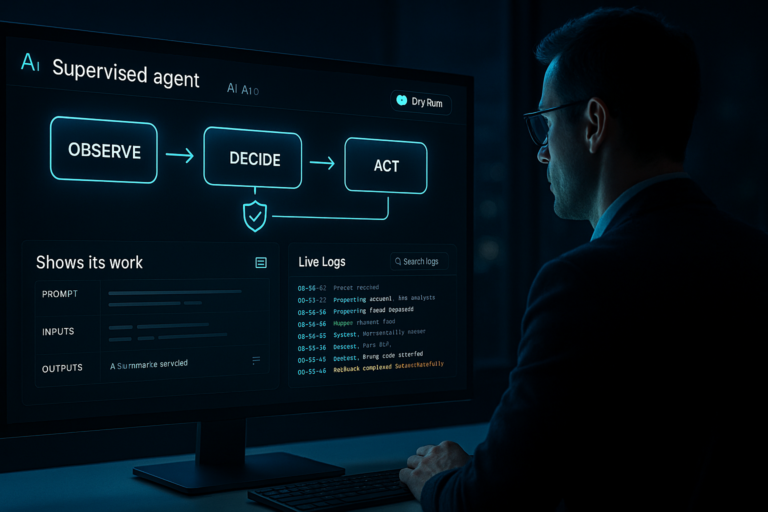
- Add a verification step that checks formats, counts, or SLAs before anything ships.
- Ship to a tiny audience, collect two days of feedback, and iterate. No overbuilding.
Pitfalls I keep seeing
Do not aim for a general assistant. It will do everything poorly. Go painfully narrow first. Do not skip logging either. You want a record of every tool call, prompt, and response to learn fast and convince skeptics. Model choice matters less than structure. A clean tool layer plus a good planner beats a bigger model glued to a brittle prompt.
I never aim for a general assistant; I go painfully narrow first.
Why today felt different
Most days are flashy demos and vague claims. Feb 9, 2026 came with concrete shifts. AWS gave builders a fast lane. Amdocs put a name to orchestration in a tough industry. ANZ dropped agents into a CRM people actually use. DISCO proved agents can survive citation-heavy work. Lema AI pulled in real money for always-on compliance agents.
That combination looks like an inflection point. Developer on-ramps, platform bets, enterprise adoption, domain rigor, and security dollars landing on the same day is not normal. If you needed a nudge to move from learning to building, this was it.
What I am watching next
Verification and evaluation are becoming first-class citizens. The teams that bake evals into every step will win trust faster. I am also watching the quiet shift to multi-agent patterns: a planner, a doer, a checker. Expect more templates, SDKs, and cloud services that assume this structure. A telecom-grade OS makes that direction feel inevitable.
FAQ
What is Agentic AI in practical terms?
It is an AI that plans, uses tools, takes actions, and evaluates its own work against rules you define. Think workflow automation with judgment, not just chat. The key is orchestration across tools, data, and guardrails.
How do I start with Agentic AI if I am non-technical?
Pick one repeatable workflow you already understand, then partner with a builder. Define clear inputs, outputs, and success criteria. Keep scope narrow, add a simple verifier, and run a tiny pilot inside the tools your team already uses.
Which models should I use for Agentic AI?
Start with a capable general model, but do not obsess over it. Structure and tooling matter more. A reliable tool layer, a planner, and strong logging will outperform a slightly bigger model with a weak workflow.
How do I keep Agentic AI safe and auditable?
Use strict tool permissions, log every action, and add a verification step before any external change. In sensitive domains, require citations and human approvals for high-risk actions. Start small and expand guardrails as you learn.
Final thought
Your edge is not the model, it is the workflow. Steal the patterns that showed up on Feb 9, 2026, start with the Bedrock AgentCore starter, and ship one small agent that does something useful. Once that lands, you will know exactly what to build next.