

Agentic AI is finally shifting from fun demos to real work. I spent the morning combing through the Feb 10, 2026 announcements and pulled the plays I’d actually ship this week. If you’re at the beginner-but-serious stage, this is your shortcut to momentum without the mess.
Quick answer: On Feb 10, 2026 we saw five practical upgrades for agentic AI you can use now: AI coworkers that own outcomes, a real preflight release checklist, finance-grade governance you can copy, cleaner network API integrations, and enterprise security controls. Start with one measurable workflow, add basic logging, set cost caps and a kill switch, then soft-launch to one teammate.
I start with one measurable workflow, add basic logging, set cost caps and a kill switch, then soft-launch to one teammate.
AI coworkers are finally real
Why this matters today
On Feb 10, 2026, OpenAI Frontier headlines focused on delivering AI coworkers for enterprises. The shift is from chat to outcomes. I’m talking draft the brief, pull data, file the ticket, follow up, close the loop. That’s the moment I stop squinting and start assigning work.
When the agent closes the loop, I stop squinting and start assigning work.
How I’d use it this week
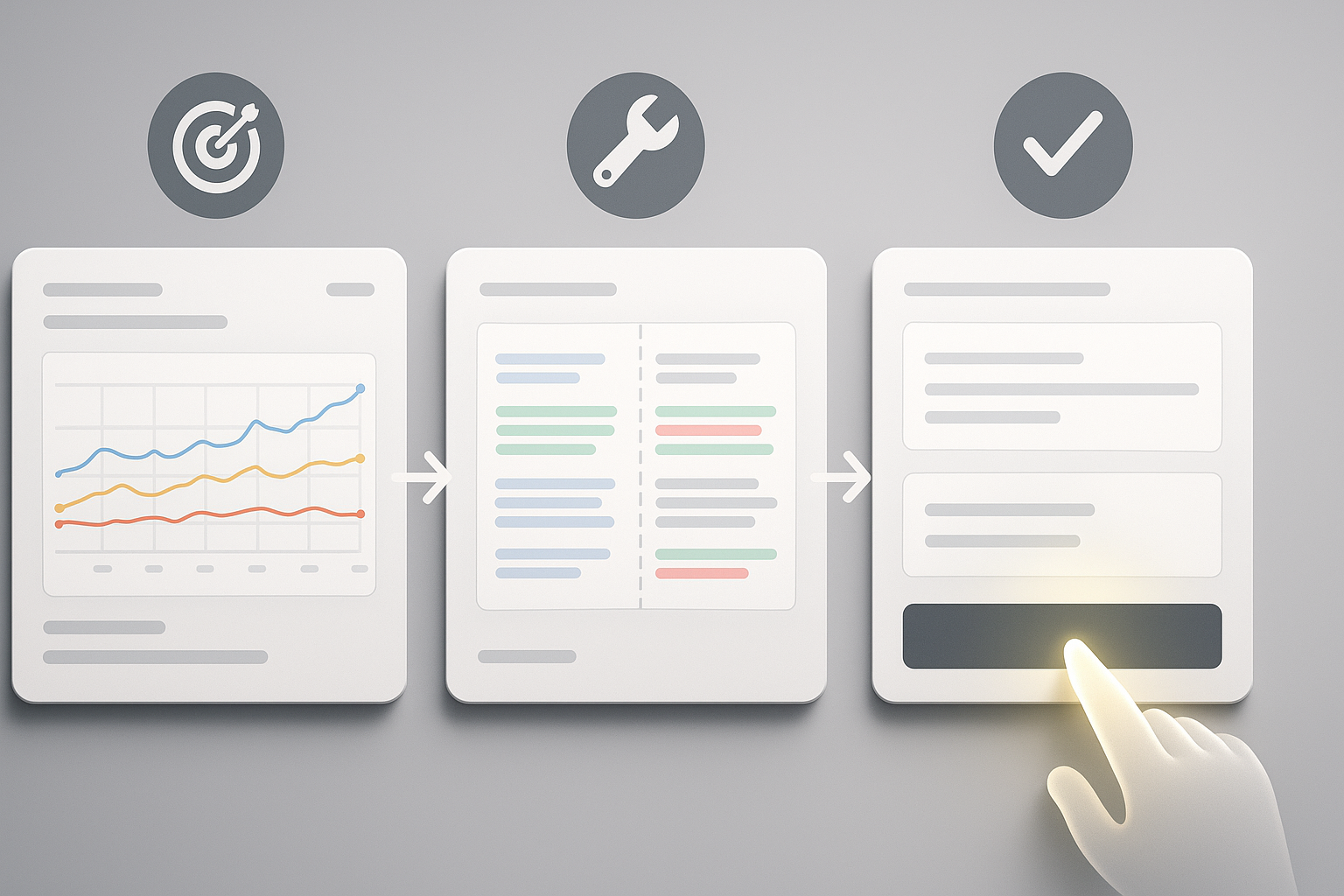
I pick one recurring workflow with a crisp definition of done. My go-to is a monthly SEO refresh: the agent pulls last month’s rankings, proposes edits, opens PRs, then pings me only for approvals. These agents break when you ask for open-ended creativity. They win when they have narrow duties, clear tools, and review gates.
A release checklist that avoids drama
What changed on Feb 10, 2026
InfoWorld published a practical set of release criteria for launching AI agents. I like it because it reads like a real preflight, not vibes. I don’t need a 40-page SDLC. I need predictable gates before anyone else touches the agent.
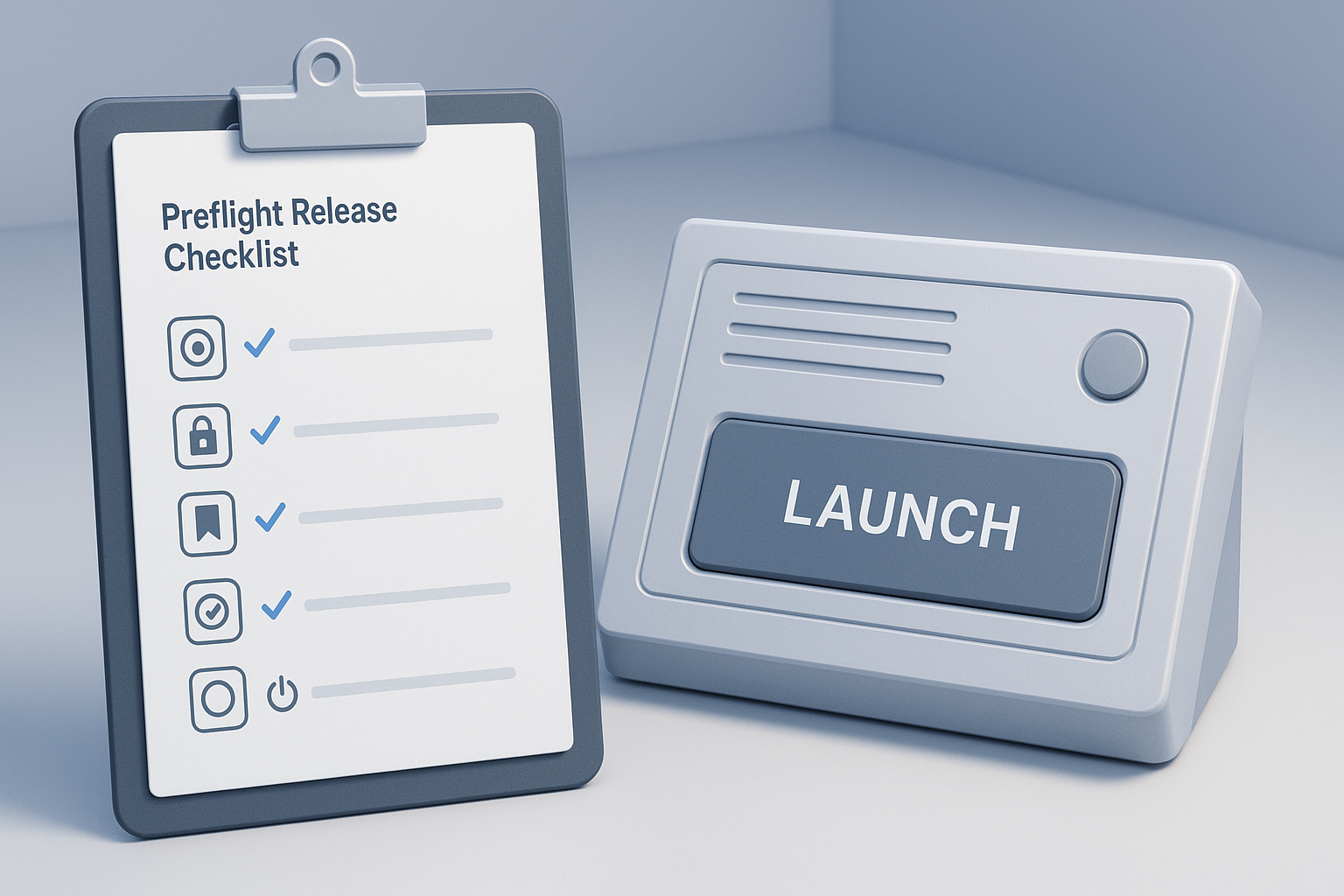
My compact preflight
- Scope sanity: one primary goal, one owner, one fallback path.
- Tool locks: every external action is permissioned and logged.
- Hallucination traps: prompts require citations or retrieval for critical steps.
- Cost caps: token and API ceilings per run and per day.
- Rollback: a single toggle or flag to disable instantly.
That tiny list has saved me from more than one messy rollout.
That tiny list has saved me from more than one messy rollout.
Finance-grade governance you can copy
The part I’m stealing
Also on Feb 10, 2026, LatticeFlow AI shared a blueprint for governing agentic AI in financial services. I don’t work at a bank, but I borrow their structure. If an agent touches a customer, a dollar, or a system of record, it gets a reason, a source, and a reviewer. No exceptions.
What I’ll implement now
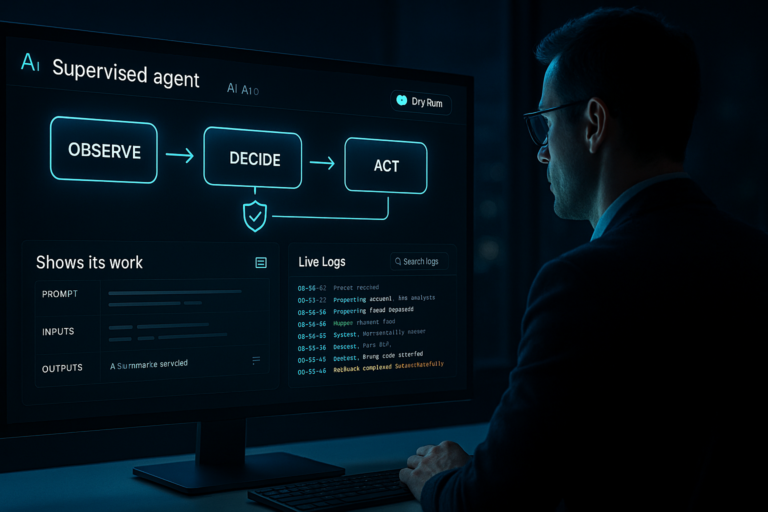
I add a tiny log schema: timestamp, input, retrieved context IDs, chosen tool, output, and confidence. I store it somewhere boring and durable. The first time something goes sideways, those logs feel like magic.
I add a tiny log schema: timestamp, input, retrieved context IDs, chosen tool, output, and confidence.
Network APIs that make agents useful
Why this unlock matters
On Feb 10, 2026, Telefónica and Nokia teamed up to accelerate network API adoption with agentic AI. Translation: more real-world levers for agents without custom plumbing. Think channel selection, priority routing, and lightweight identity checks that don’t require five different adapters.
I want more real-world levers for agents without custom plumbing.
My next step
I inventory my workflows and circle every place that turns intention into a network action. Wherever I can swap to a standard API that an agent can call directly, I just shaved weeks off my integration backlog.
Enterprise security just raised the bar
What I’m watching
Also on Feb 10, 2026, Cisco expanded AI-aware security. Whenever security vendors add AI-specific controls, I assume two things: agents are leaving the lab, and expectations will harden fast. I now demand visibility into agent actions, policy at tool boundaries, and identity-aware routing for anything external.
What I’ll do this week
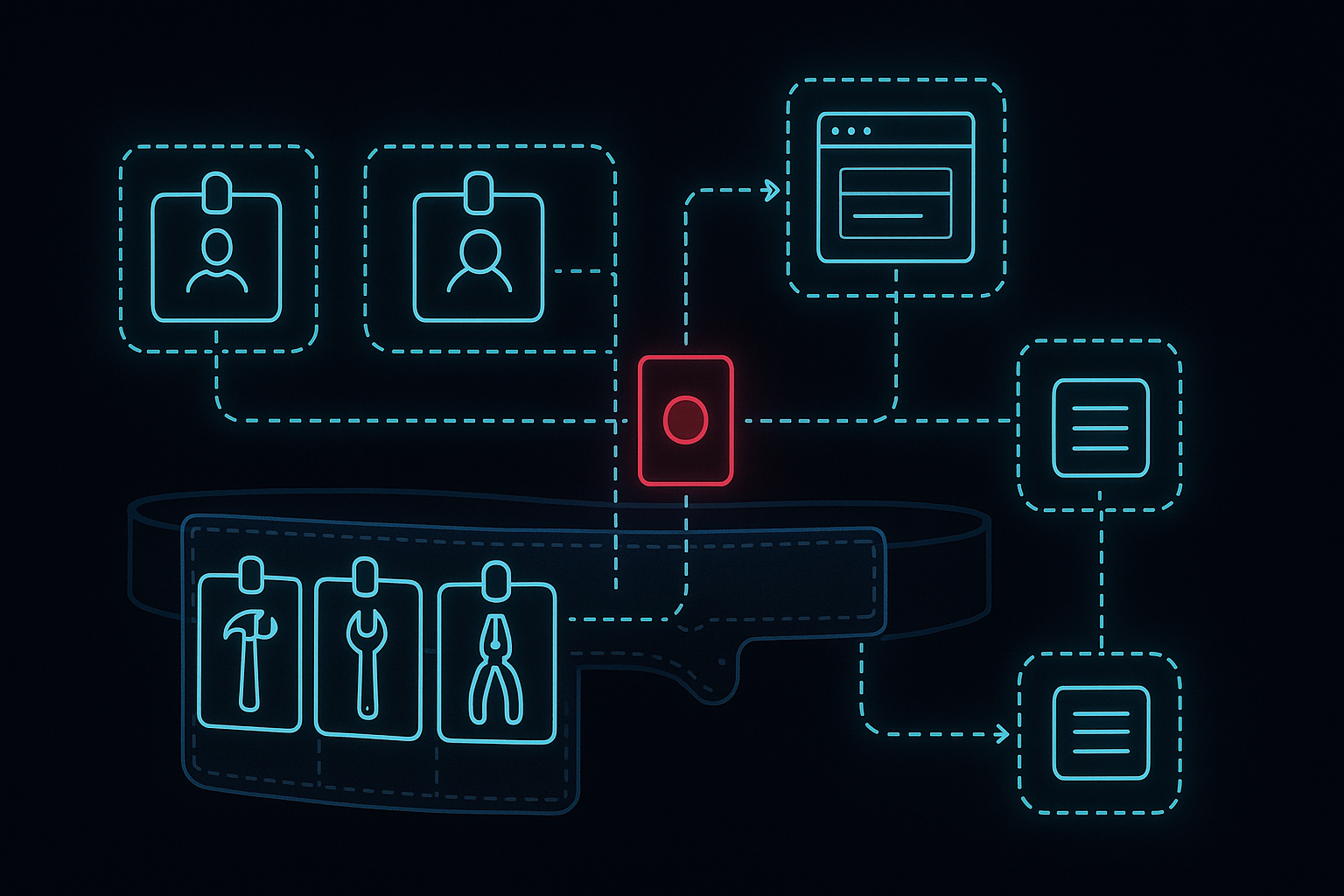
I draw a simple diagram of the agent’s tool belt. Next to each tool, I note the identity it uses to authenticate and where logs land. If I can’t fill a box, I don’t scale.
My 7-day starter plan
Day 1 is choosing one coworker-style workflow with a clear definition of done and writing a short job description with guardrails. Day 2 I draft the preflight and tailor the gates to my stack. Day 3 I add the lightweight governance log. Day 4 I replace one brittle integration with a standard API. Day 5 I map identities, set cost caps, and wire a one-click kill switch. Day 6 I dry run on historical data and compare to my definition of done. Day 7 I soft launch to one teammate with me on call, capture friction, tighten prompts, and ship.
FAQ
What is agentic AI in plain English?
Agentic AI is software that thinks and acts to achieve a defined outcome using tools, data, and policies you provide. It is not a chat toy. The value comes from owning a workflow end to end and asking for approval only when needed.
How do I start with AI coworkers without breaking things?
Pick one recurring task with a measurable finish line. Define the five steps, the tools involved, and the exact approval points. Add cost caps, logging, and a kill switch. Run it on historical data, then soft launch to one trusted teammate.
What does finance-grade governance look like for a small team?
Think lightweight and consistent. Log the input, context used, tool chosen, output, and confidence for any action that touches customers, money, or systems of record. Require a human reviewer for anything high risk, and keep those logs somewhere durable.
How do I keep token and API costs under control?
Set ceilings per run and per day, and instrument the agent to stop or degrade gracefully when it hits a limit. Use retrieval to keep prompts lean, and prefer standard APIs over custom connectors that chatty-call under the hood.
When should I move beyond a pilot?
Scale when the agent hits your definition of done consistently on historical and live tests, you can explain every action through logs, and your stakeholders know the rollback plan. If you cannot measure it, do not automate it yet.
Final take
Feb 10, 2026 was a turning point for agentic AI. We got coworkers that own outcomes, a usable release checklist, a governance blueprint worth copying, cleaner integration paths, and a credible security story. Ship one real workflow this week and you’ll be ahead while everyone else is still tweeting about agent IQ.