

Agentic AI infrastructure just became real for me
Agentic AI infrastructure finally clicked this week. I sat down to skim headlines and ended up rethinking my whole agent stack. Not because of flashy demos, but because core pieces like search, storage, and high-stakes workflows quietly shifted into default infrastructure.
Quick answer: Between Feb 10 and 11, 2026, agentic AI moved into cloud search, chip design, and even storage. Nebius planning to acquire Tavily brings agentic search into the platform layer, Cadence showed agents can survive strict verification loops, IBM put autonomous decisioning into storage, and zero-trust data warehousing went from nice-to-have to mandatory. If you’re starting, ship one small, measurable agent with tight guardrails.
Key takeaway: If you’re starting, ship one small, measurable agent with tight guardrails.
What changed on Feb 10 and 11, 2026
Nebius + Tavily made search a cloud primitive
On Feb 10, HPCwire reported that Nebius plans to acquire Tavily to add agentic search to its AI cloud. If you’ve used Tavily, you know why this matters. It’s reliable retrieval across the messy public web with structured outputs and citations, not a one-off scraper you babysit. If Nebius bakes this in, I can assume search exists in my agent runtime by default instead of bolting it on later. That’s a huge simplification for beginners who just want grounded reasoning without juggling rate limits. Read the Nebius + Tavily news.
Cadence proved agents can handle strict, rules-heavy work
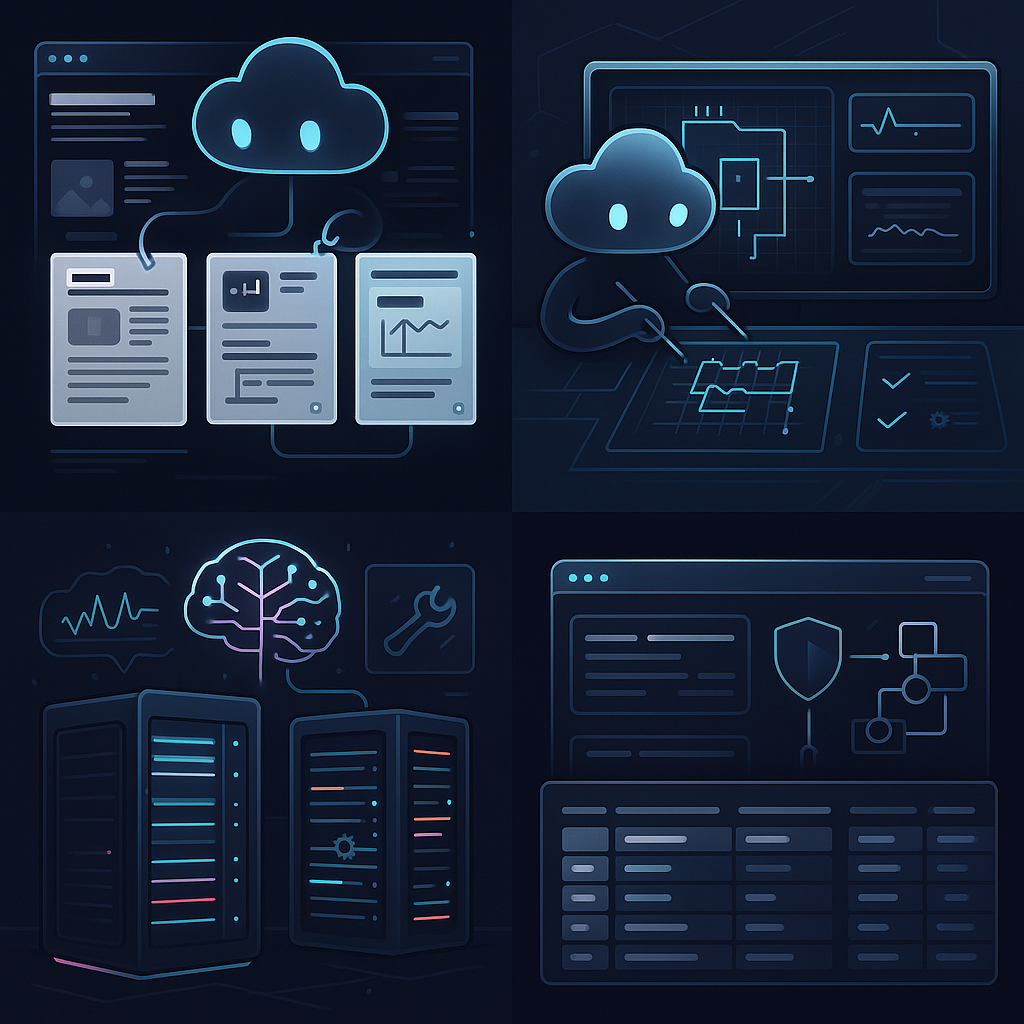
Also on Feb 10, Cadence introduced an agentic AI system for chip design and verification. I don’t design chips for fun, but this one landed for a different reason: EDA lives on constraints, simulations, and long feedback loops. If agents can propose, simulate, verify, and gate inside that world, they can handle finance ops, IT automation, and marketing workflows with confidence checks. The pattern is reusable anywhere you have tools, specs, automated checks, and clear gates.
Key takeaway: The pattern is reusable anywhere you have tools, specs, automated checks, and clear gates.
IBM made storage autonomous
Same day, IBM rolled out autonomous storage in its FlashSystem portfolio powered by agentic AI. Storage is not glamorous, but it is where your data lives and sometimes dies. An agent that watches performance, predicts issues, places data, and self-heals under policy is the kind of quiet superpower you only notice when the pager stays silent. For me, it normalizes agents as trusted background workers with a clear mandate, observable metrics, and strong permissions. See IBM’s announcement.
Key takeaway: For me, it normalizes agents as trusted background workers with a clear mandate, observable metrics, and strong permissions.
Zero-trust data warehousing is now a requirement
Early on Feb 11, a HackerNoon piece argued that trusting the pipeline no longer scales for agentic AI. I felt that. Agents amplify whatever you feed them, so any fuzzy permission, unvalidated transform, or leaky join becomes a force multiplier for bad decisions. The fix looks like per-task access, masked data by default, explainable tool calls, and hard lineage. Build this mindset in now so you’re not retrofitting it after your first oops. Why zero-trust matters.
How I’d start today without breaking things
I’m treating this week like permission to move from tinkering to a small, real job. You don’t need a research lab. You need one clear process, a couple of tools, and a way to watch what the agent does.

The tiny starter stack I’d spin up this weekend
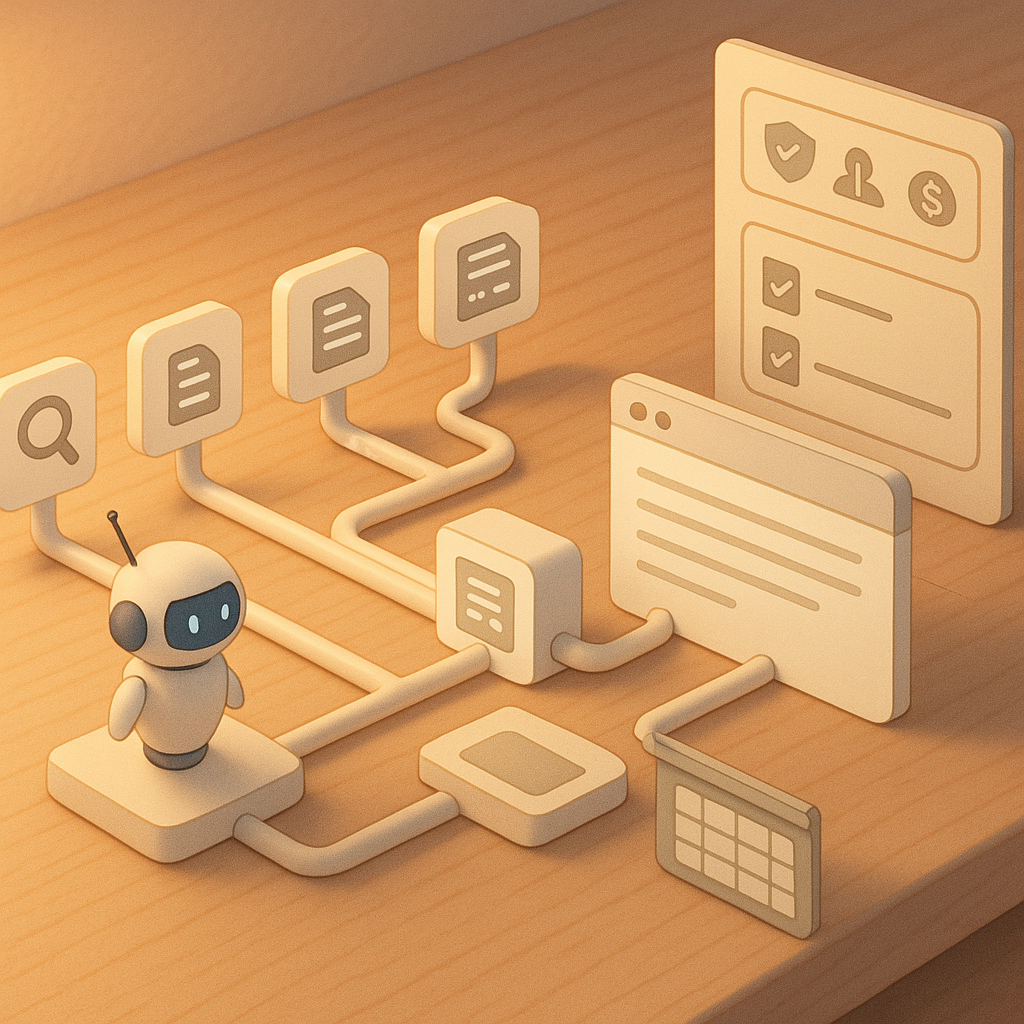
- Pick one boring weekly workflow. Mine: research 5 prospects, extract 6 fields, draft a 2-paragraph summary, and file it in Notion or Sheets.
- Use a simple orchestrator with explicit tools: web search, fetch page text, classify or extract, then write to your system of record.
- Treat search as first class. Until Nebius ships an integrated option, use a stable web retrieval API with structured outputs and citations. Don’t roll your own scraper unless you enjoy pain.
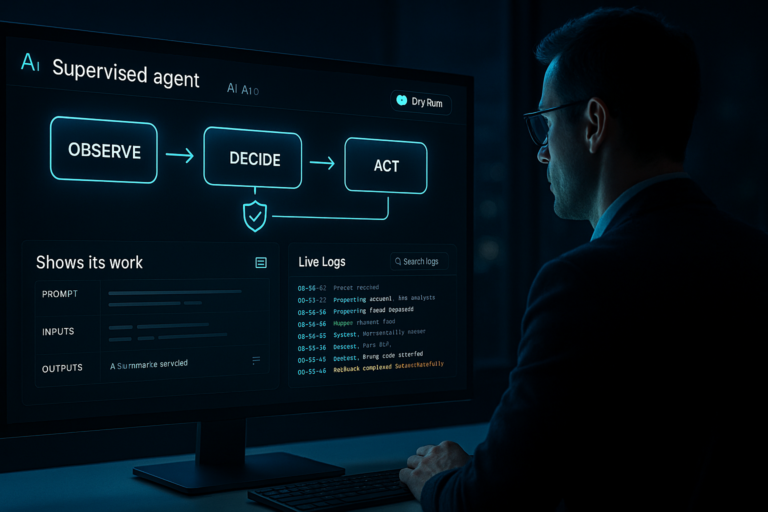
Wrap it in a dead-simple policy: what the agent can read, what it can write, max steps, and how you approve anything irreversible. Log every tool call to one place you actually check.
Key takeaway: Log every tool call to one place you actually check.
My hard-earned do this, not that
Do this: give the agent tiny, well-labeled tools that do one thing. fetch_webpage_text beats scrape_everything. Least privilege at the tool level makes logs readable and mistakes smaller.
Do this: add cheap validators. After extraction, run a schema or rules check before any write. Think of it as lint for your pipeline.
Do this: cap steps and spend. Agents love rabbit holes. If the goal is not met in N steps or for $X, fail gracefully and ask for help.
Key takeaway: If the goal is not met in N steps or for $X, fail gracefully and ask for help.
Don’t do this: hand an unproven agent blanket write access to your CRM or code repo. Route first writes to staging or a draft PR and make promotion a human-reviewed step.
How these announcements changed my mental model
The Nebius and Tavily news on Feb 10 tells me cloud platforms will ship opinionated, production-ready search so I don’t have to. Cadence proved the propose, simulate, verify, gate loop in a strict domain. IBM showed that agents can quietly manage critical systems under policy. And zero-trust on Feb 11 is the guardrail I’ll want before connecting real data.
Net effect: I’m thinking of agents less like apps and more like background coworkers with clear jobs, tools, and oversight. Start narrow, measure everything, and expand once the logs make you smile.
FAQ
What is agentic AI in plain English?
Agentic AI is a system that plans steps, calls tools and APIs, reads and writes data, and loops until it hits a goal. It is not sentient. Think of it as a very capable intern that can research, verify, and execute within guardrails.
Why does integrated search matter so much?
Grounded answers depend on reliable retrieval. If search is a built-in cloud primitive, you stop wiring scrapers and chasing rate limits and start focusing on goals, metrics, and safety. It also makes your agent’s reasoning easier to cite and audit.
How do I keep my first agent safe?
Limit scope, permissions, steps, and spend. Use tiny tools, validate outputs before writes, and ship to staging first. Log every action and review early runs like you would a new hire’s work.
Do I need zero-trust from day one?
If your agent will touch sensitive data, yes. Grant access per task, mask by default, and keep lineage. It is easier to loosen rules later than to clean up a data leak.
Where should I start if I have no framework?
Use a simple orchestrated script with explicit tools. Add web search, a fetcher, an extractor, and a writer. Once you have a reliable loop with logs and limits, you can swap in more advanced frameworks as needed.
The bottom line
If you were waiting for a sign, this week was it. Use cloud-grade search when you can, keep tasks tiny, steal the propose, simulate, verify, gate pattern, and adopt zero-trust before you connect anything that matters. Agents are no longer just chat sidekicks. As of Feb 10 to 11, 2026, they are part of the stack. Build like that is true.