

Agentic AI is moving fast, and I felt the shift this week. It finally stopped feeling like a demo and started looking like infrastructure you can trust in production.
Quick answer
On Feb 11, 2026, three signals landed at once: a funded security layer for agents, a marketplace crossing 400 agents, and telco interest in agents to drive API adoption. Add CFO-backed ROI and a practical build playbook, and the path is clear. Start small, lock down permissions, log every action, and ship one workflow that proves value in days, not months.
I start small, lock down permissions, log every action, and ship one workflow that proves value in days, not months.
Security got real for agents
I’ve been waiting for a dedicated security stack for agentic AI. On Feb 11, 2026, Overmind launched with £2M to build exactly that. The founder’s MI5 background says it all: guardrails, traceability, permissioning, isolation, and a clean kill switch.
I want guardrails, traceability, permissioning, isolation, and a clean kill switch baked in.
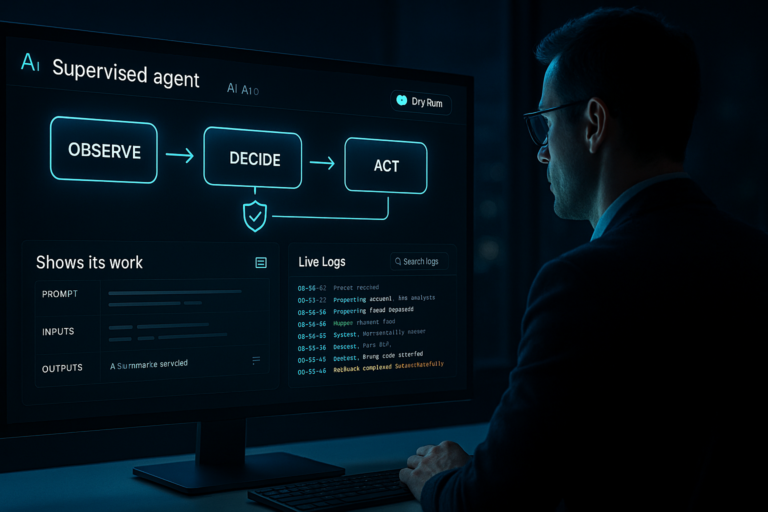
If your agents touch calendars, APIs, data warehouses, or payment rails, security is not a checkbox. It’s the stack. Even without new tools, I start every build with least-privilege, time-boxed creds, structured action logs, and a plan to roll back safely when something goes sideways.

The marketplace tipping point
Also on Feb 11, 2026, Sia said its Agent Store crossed 400 agents. That volume matters. It means patterns stabilize, docs get better, and you can usually find a close match instead of reinventing the wheel. When I’m new to a domain, I’ll start with a tiny workflow, get one visible win under a week, then repeat. Two shipped workflows beat one perfect architecture diagram.
I ship two tiny workflows instead of chasing a perfect architecture diagram.
Telcos leaning in means production rules apply
Same day, I saw Teleff3nica and Nokia turn to agentic AI to boost API adoption. That’s not a hobby project. That’s a capital-intensive industry betting that agents can stitch legacy systems into usable experiences with uptime and SLAs that actually hold. If patterns work here, they’ll spread fast to other regulated stacks. Here’s the headline coverage I read: Teleff3nica and Nokia on agentic AI for telco APIs.
My takeaway for beginners is simple: your agent doesn’t need every API. It needs the right next action that works every time. One reliable click beats a swiss-army set of flaky tools.
Follow the money: CFOs want results
Also on Feb 11, 2026, PYMNTS highlighted CFOs leaning on agentic AI for savings and cash flow. No surprise. Agents crush the ugly middle layer of ops: reconciliations, approvals, invoice categorization, exception handling, and forecasting nudges. If an agent trims cycle time on something tied to cash, you’ll get budget faster than any labs demo.
If you’ve been waiting for a business case, target receivables, payables, or forecast accuracy. You don’t need fireworks. You need fewer manual touches and a clean before-after snapshot.
From prompts to production
InfoQ dropped a “From Prompts to Production” guide on Feb 11, 2026, and it matched what I keep seeing in real builds. You start with a prompt, but you ship a system. My best results come from keeping the plan boring and explicit, then layering reliability.
I remind myself: you start with a prompt, but you ship a system.
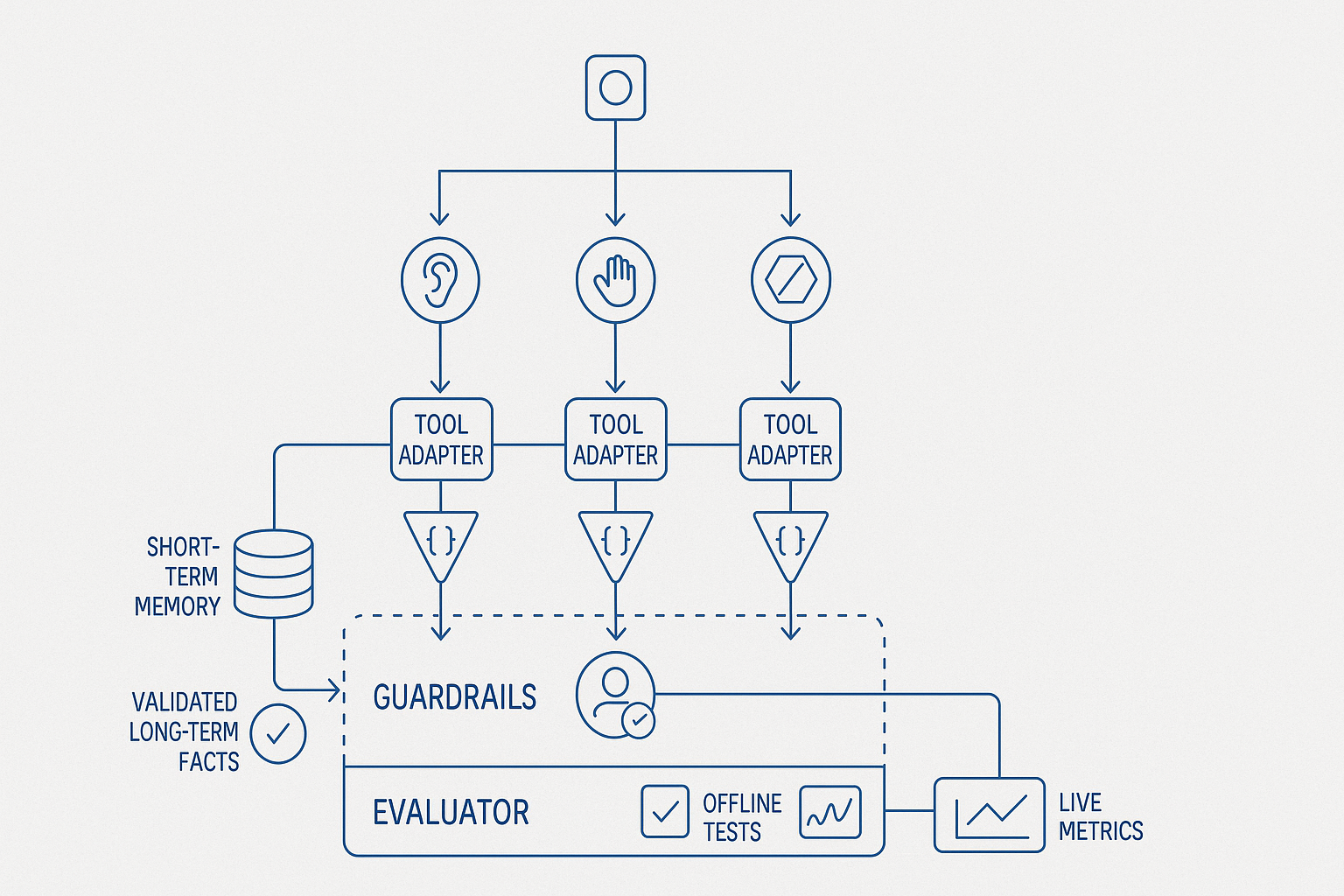
My simple agent architecture checklist
- Planner: decide to act, ask, or stop. Keep it tiny.
- Tools: one per external system with strict input schemas that fail fast.
- Memory: short-term per task, long-term facts only when you can validate them.
- Guardrails: policy checks before any irreversible action, human in the loop on day one.
- Evaluator: offline task tests and a few live metrics you actually watch.
How I’d start this week
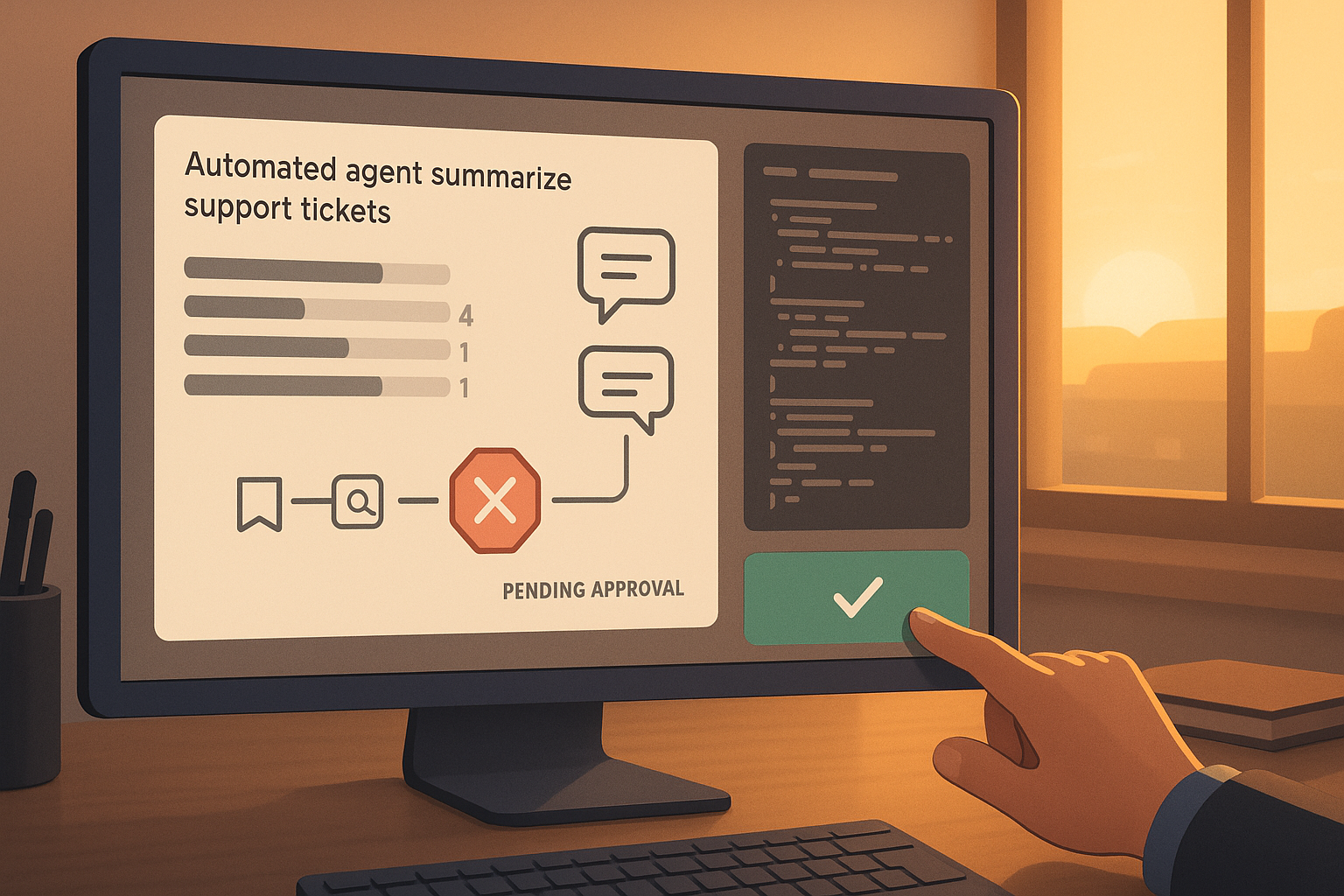
I’d pick one workflow with data I already control and a checkbox finish line. For example: every morning by 8am, summarize yesterday’s support tickets, flag anything mentioning refunds, and draft two reply templates. Keep the toolset tiny: ticket API, email or Slack, and your agent runtime. Refuse to send if a policy check fails. Log every action in plain JSON. Run it for a week with a human approving sends. That’s a real production pilot.
Once it’s humming, add a second workflow that reuses at least one tool from the first. Reuse beats novelty. And if security tooling like Overmind becomes available to you, wire it in early. Retrofitting safety is a tax you don’t want to pay.
I reuse tools before adding new ones because reuse beats novelty.
Mistakes I still see
First, letting the model freestyle tool calls without hard input validation. If your schemas are loose, your failures will be creative. Second, skipping evals because a demo worked twice. Pick three numbers and track them daily: task success rate, human intervention rate, and time to complete. That tiny scoreboard saves rollouts.
FAQ
What is agentic AI, in plain English?
Agentic AI combines a reasoning model with tools, memory, and policies so it can take actions on your behalf. Think less chat, more doing. The key is making those actions safe, auditable, and reversible.
How should I secure agentic AI from day one?
Give each agent the least access possible, use time-boxed credentials, validate inputs aggressively, and log every action in a structured way. Add human approval for anything irreversible, then graduate to automated policies once you trust your evals.
What’s the best first workflow to automate?
Pick something small with a clear finish line and data you already have. Daily summaries, inbox triage with rules you control, or ticket routing usually land in under a week and show measurable value fast.
How do I measure success without boiling the ocean?
Track three things: success rate, human intervention rate, and time to complete. If those move the right way over a week or two, you’re ready to scale or add a second workflow.
Should I use a marketplace agent or build custom?
I check marketplaces first when speed matters. With stores crossing hundreds of agents, you’ll often find a near-fit you can adapt. If the workflow touches money or sensitive data, I still wrap it with my own guardrails and logs.
Where this leaves us
Feb 11, 2026 felt like a line in the sand for agentic AI: security vendors showing up, marketplaces maturing, telcos validating patterns, finance teams pushing for ROI, and builders shipping systems. If you’re just getting started, you’re not late. Start small, keep it safe, ship it, and learn from real usage.