

Agentic AI just stopped being hype for me. On Feb 11, 2026, a handful of launches turned agents from chatty helpers into doers you can actually trust with real work.
Quick answer: T-Mobile moved agentic AI into the network for real-time call actions, Google made search shoppable and bookings actionable, Zoom added meeting-to-task workflows, and Kyndryl shipped policy-as-code guardrails. If you build even a tiny agent this week with clear permissions and a human confirm step, you’ll feel the shift immediately.
I ship a tiny agent with clear permissions and a human confirm step to feel the shift immediately.
T-Mobile put agents inside the network
On Feb 11, T-Mobile revealed an agentic AI platform that can act during phone calls, including live translation with no extra app. If you have ever tried to duct-tape transcripts, translation APIs, and low-latency routing, you know why I did a double take. Coverage via this T-Mobile report lined up with what I was hoping to see.
I design the workflow and let network-native features do the heavy lifting.
Why it matters
Agents usually sit above the app layer. T-Mobile pushed them below it, which means agentic AI shows up where people already are: on calls, in messages, across carrier services. For small teams, that removes a lot of plumbing. You design the workflow and let network-native features do the heavy lifting.

What I’d build first
A bilingual support line that auto-translates live, summarizes the call, and opens a ticket. One phone number becomes a global helpdesk without juggling three vendors and a pile of middleware.
Google made search shoppable
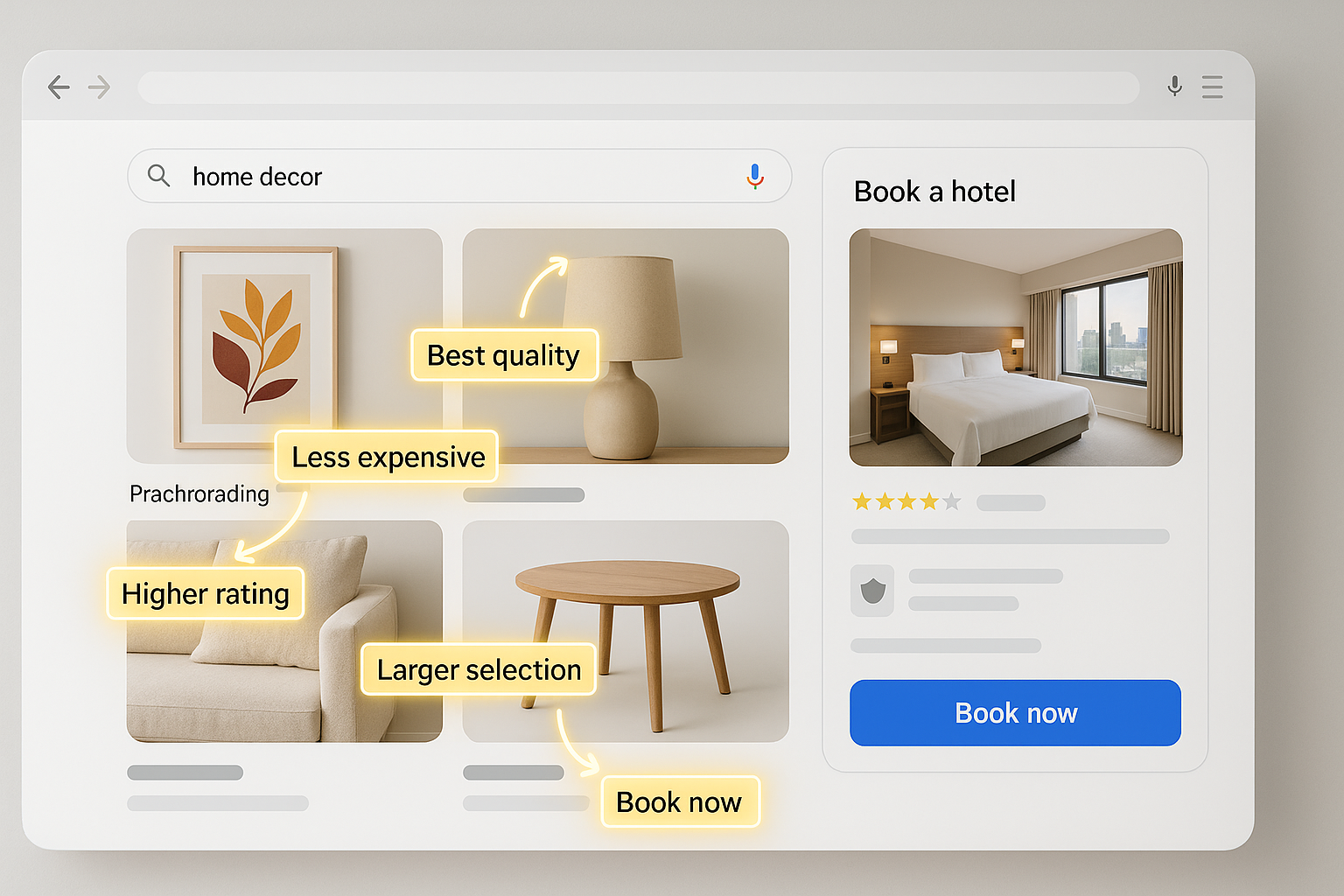
Also on Feb 11, Google flipped agentic commerce in a way I’ve been waiting for. You can interact with Etsy and Wayfair products inside an agentic search flow and move toward checkout. It is not a link list. It is the AI taking your intent and steering you into a transaction. See the coverage from Retail Brew for how the marketplaces plug in.
Why it matters
The browser is becoming a cockpit for agents. If you sell online or help people choose, funnels change. The agent narrows options, compares tradeoffs, explains choices, and nudges the buy in-session. For a first build, you do not need a full ecomm stack. Start with a shopping concierge that hands off cleanly to marketplaces.
The browser is becoming a cockpit for agents, so I start with a shopping concierge that hands off cleanly to marketplaces.
Starter idea
A style-aware home setup agent. Give it a few reference photos, a budget, preferred materials, and delivery window. Let it shortlist and explain why. The reasoning layer is what brings users back.
Marriott says Google’s AI Mode will book, not just suggest
Also on Feb 11, Marriott shared that Google’s AI Mode will actually process bookings. That is a meaningful jump from ideas to actions. In travel, the gap between a suggestion and a confirmed reservation with your loyalty number attached is the whole experience. Reported by Skift, which tracks this space closely.
How I’d ship a v1
Build an itinerary agent that acts, not just chats. The user sets a budget, must-haves, and max stops. Your agent checks availability via APIs, proposes a route, and prepares a one-tap-to-book summary. Keep a clear confirmation step so the human gives the final yes.
I build an itinerary agent that acts, not just chats, and I keep a clear confirmation step so the human gives the final yes.
Zoom dropped agentic workflows for real follow-through
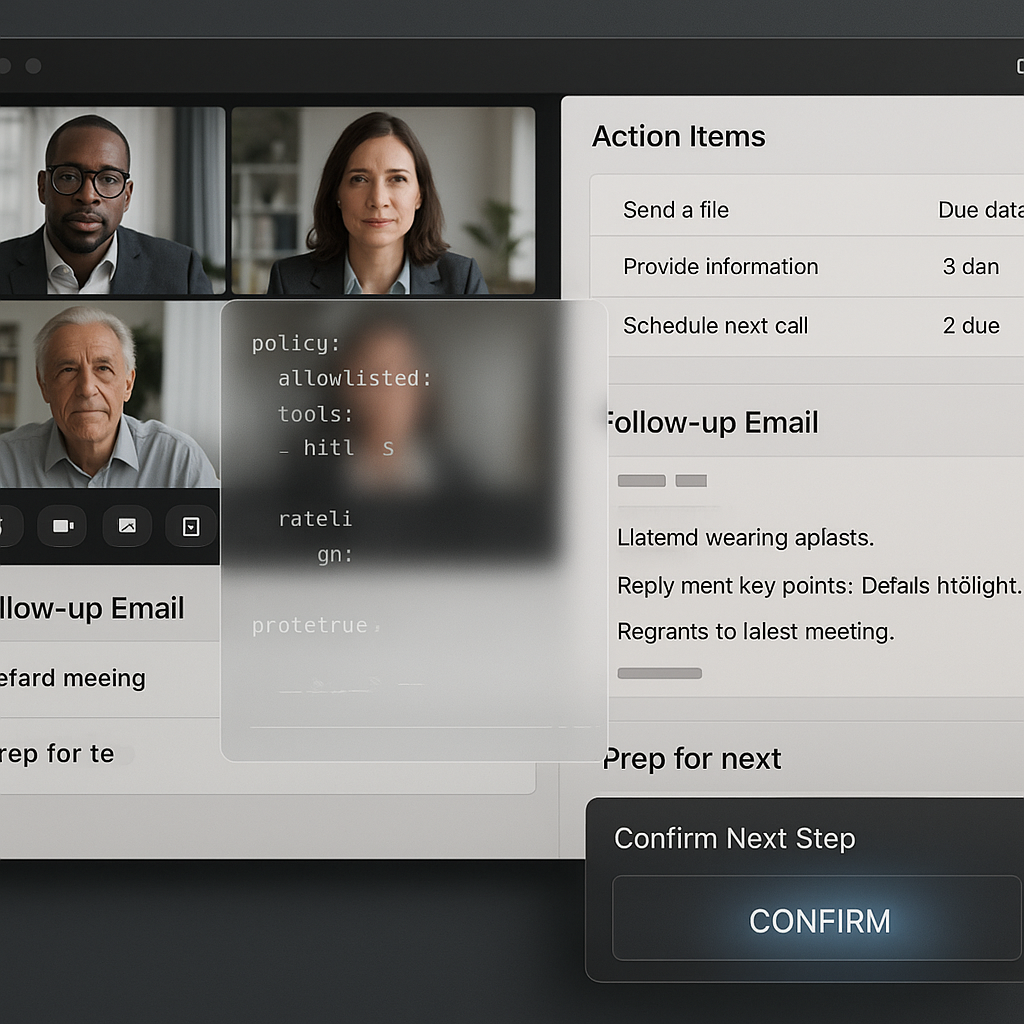
On Feb 11, Zoom added agentic features that finally close the loop after meetings. Summaries, owners, deadlines, draft follow-ups, and prep for the next session. Not just notes. It is orchestration across the meeting lifecycle, and it lives where the context is born.
What I’m wiring this week
A tiny commitment-catcher. It listens for phrases like “I’ll send that” or “Can you own this?”, assigns an owner and due date, and posts a tidy recap after the call. Nothing fancy. Just reliable follow-through I can trust.
Kyndryl shipped policy-as-code guardrails
Also on Feb 11, Kyndryl announced policy-as-code for AI agents. It is the unsexy essential I wish I had adopted sooner. As soon as agents can take actions, you need a clear, testable way to say what they can do, when, and for whom, with an audit trail you can defend later.
How I’d lock it down
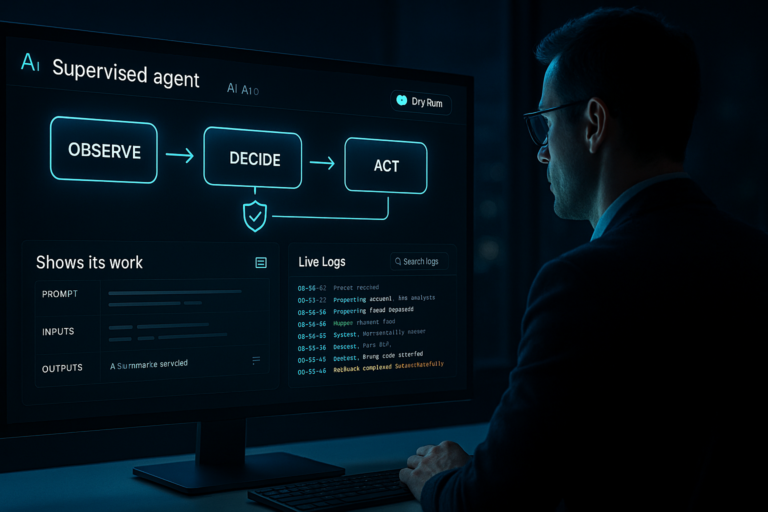
Keep a declarative policy file for allowed tools, rate limits, sensitive data rules, and escalation. Anything that emails a customer or spends money gets human-in-the-loop. Tagging, summarizing, and internal housekeeping can run on autopilot. Treat policy like code you PR and ship.
I keep anything that emails a customer or spends money human-in-the-loop, and I let tagging, summarizing, and internal housekeeping run on autopilot.
My 3-hour starter plan
- Hour 1: Pick one outcome, like “Turn every meeting into tasks with owners and due dates.” Write 3 user stories and one success metric.
- Hour 2: Choose one anchor tool where context lives today, like Zoom or your task manager. Have the agent read context, propose structured outputs, and ask for confirmation.
- Hour 3: Add guardrails. Hard-code allowed actions, log an audit trail, and require a final “Are you sure?” for anything customer-facing. Ship to yourself, then one teammate.
Beginner mistakes I stopped making
My biggest early mistake was giving agents too much freedom before I nailed the exact job. I get better results by shrinking scope and tightening the propose-confirm loop. Also, log everything. When an agent misfires, the fix is usually one tiny missing rule or a fuzzy prompt line. Logs are your debugger and your seatbelt.
My take: agents are leaving the browser
Feb 11 felt like a real tipping point. T-Mobile pushed agents into the network. Google pulled transactions into the moment of intent. Marriott validated AI as a booking engine, not a link machine. Zoom wrapped meetings with follow-through. Kyndryl gave everyone a responsible way to ship.
If you are getting into agentic AI right now, start where your users already work. Keep scope brutal. Build rails first. Let the platforms carry the heavy stone for you. Ship one narrow, useful agent and watch what happens.
FAQ
What is agentic AI in simple terms?
Agentic AI plans tasks, calls tools, takes actions, and reports back without you hand-holding every step. It is a shift from chatting to doing, which is why Feb 11 mattered so much.
How do I start with agentic AI if I am non-technical?
Anchor your first build inside a tool you already use, like Zoom or your task manager. Keep scope to one outcome, add a clear confirm step, and log every action. You can layer complexity later.
What are the biggest risks with agentic AI?
Unauthorized actions and data leakage. Solve both with policy-as-code, strict allowlists for tools, and human-in-the-loop for anything that touches customers or money. Keep an audit trail.
Which Feb 11 updates should I prioritize?
If you work in support, start with T-Mobile’s network-native angle. If you sell online, try Google’s shoppable search patterns. If meetings rule your week, wire Zoom-style follow-through. Keep it small and reliable.
If you ship something from this, tell me what you built. I want to see it.