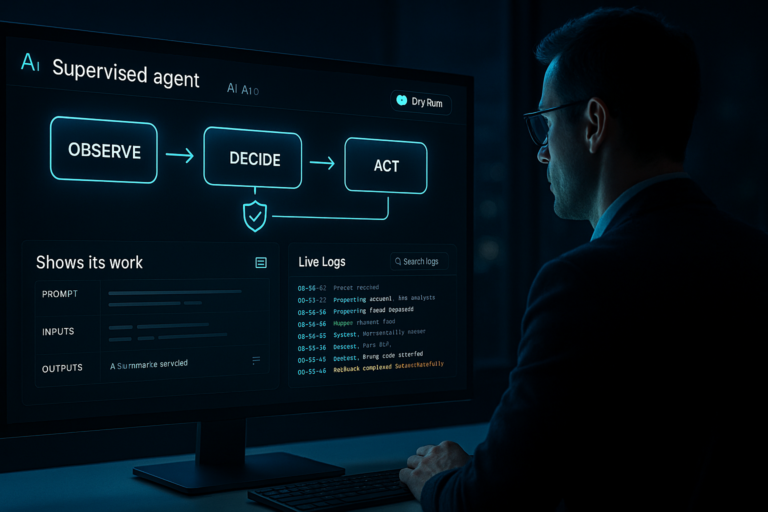


Agentic AI just got real for me this week. I spent 24 hours digging and found four moves you do not want to miss if you care about getting actual work done with AI.
Quick answer: agentic AI is stepping out of demos and into day-to-day workflows. On Feb 11, 2026, Google piloted agent-led shopping, Meridian funded an agentic spreadsheet, T-Mobile revealed a network-level agentic platform, and Kyndryl launched governance built for production. Translation: clearer outcomes, fewer clicks, and safer automation you can trust.

What is agentic AI in plain English?
Agentic AI is software that plans steps, takes actions, and delivers outcomes without you micromanaging every click. Instead of asking for a paragraph, you ask for a result like research options, compare, then place the order. For builders, it means automations that break less. For beginners, it feels like delegating to a reliable assistant.
I ask for a result, not a paragraph; let the agent plan steps, take actions, and deliver the outcome.
What changed this week
Google quietly pulled agentic shopping into the mainstream
On Feb 11, 2026, Google launched agentic commerce pilots with Etsy and Wayfair. Agents can now help you find and buy real products inside Google’s experience, not just summarize reviews. That’s a handoff from lists of links to actual outcomes.
If you sell online, an agent might become your most important customer. If you buy online, the era of 12 open tabs to compare side tables is on the way out.
Spreadsheets just grew hands and feet
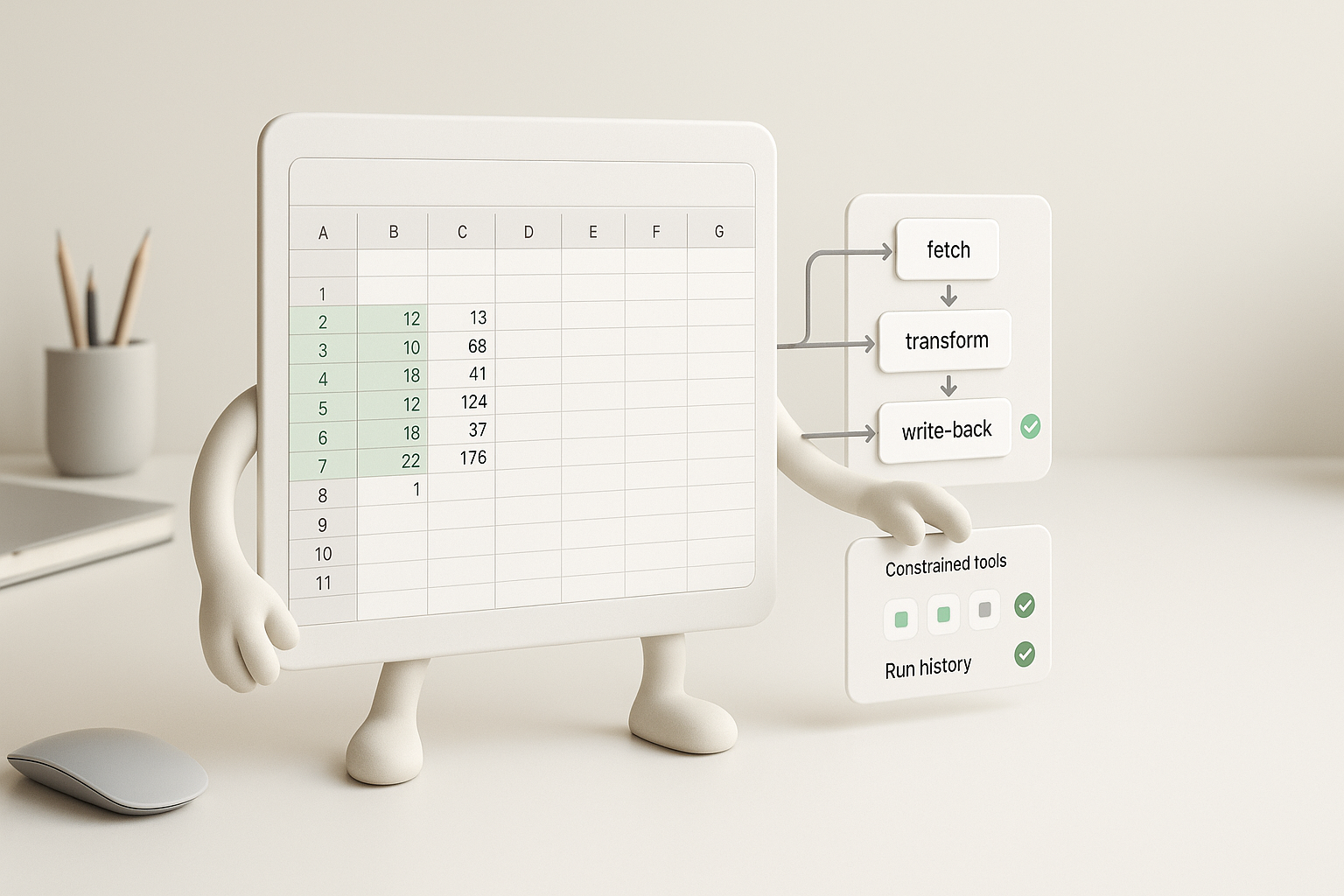
Also on Feb 11, 2026, TechCrunch reported Meridian raised 17 million dollars to turn spreadsheets into an agentic workspace. I’ve duct-taped enough scripts and zaps to feel this one. An agentic sheet can read your data, plan steps, call tools, and finish business tasks without shuttling you into yet another automation app.
If you live in Google Sheets, this could be the cleanest on-ramp to real automation: put data in cells, describe the goal, and let an agent orchestrate the boring parts.
I put data in cells, describe the goal, and let an agent orchestrate the boring parts.
Telecom entered with a network-level agentic platform
Same day, T-Mobile US claimed a world-first agentic AI platform. Networks see calls, device state, and location context. If agents can plug into that safely, assistants can react to the real world, not just web pages. Think scheduling via calls or messages, field ops that sync phone, network, and tools instantly, and customer support that already knows the account context.
Governance showed up right on time
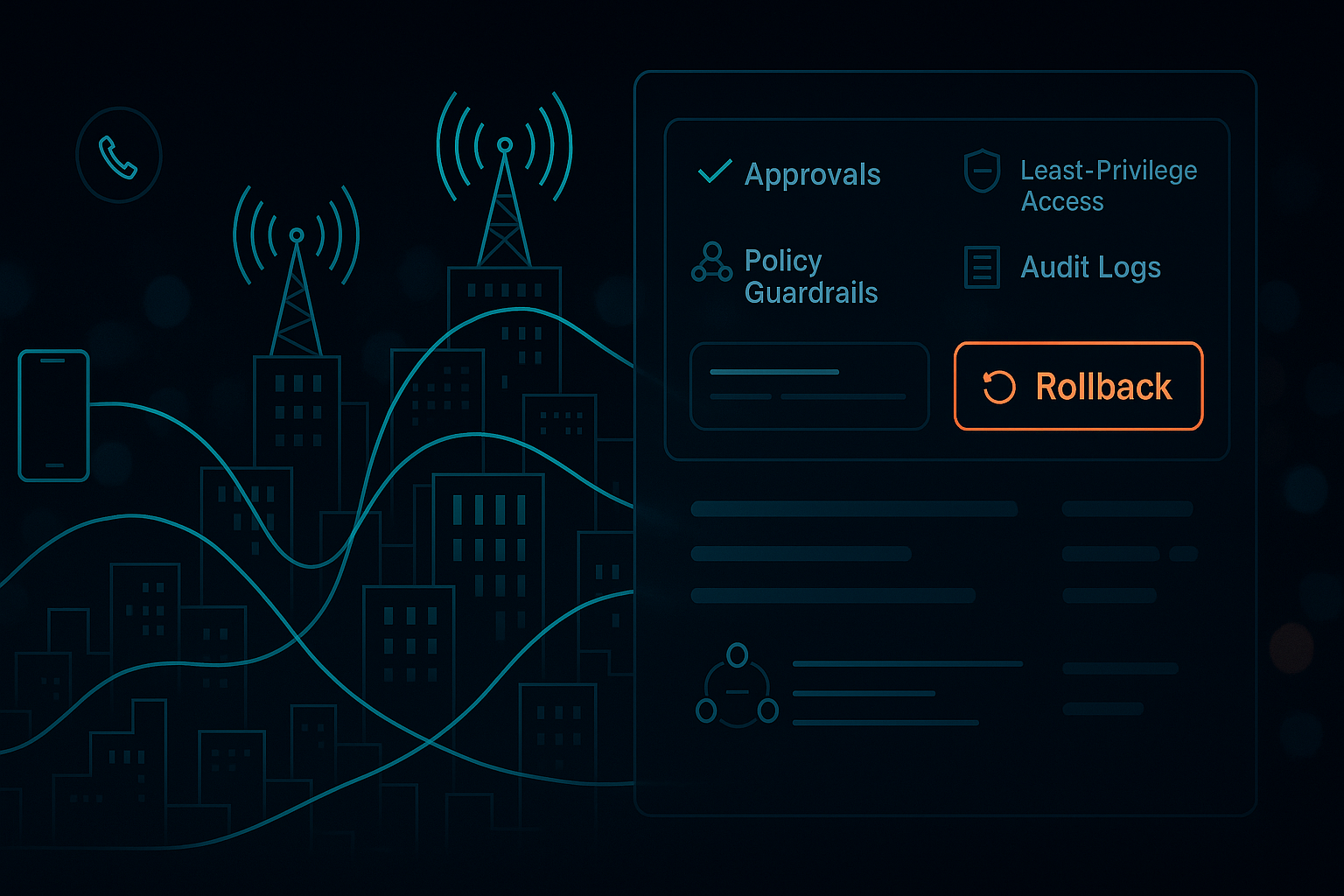
Also on Feb 11, 2026, Kyndryl unveiled agentic AI workflow governance for mission-critical use. Not flashy, but it’s the backbone that makes agentic AI safe at work: approvals, least-privilege tool access, logging, rollback, and traceability. Without this, anything beyond a demo stalls. With it, agents can move from experiments to production.
I’ve learned that without governance, anything beyond a demo stalls. With it, agents can move from experiments to production.
How this fits together
Here’s the pattern I see. Google is normalizing agentic UX for consumers. Meridian is putting agents inside tools we already use. T-Mobile is wiring in real-world context through the network. Kyndryl is adding the safety rails enterprises need. Put together, it’s a clear on-ramp from idea to shipped workflow, even if you’re new to agentic AI.
For me, it’s a clear on-ramp from idea to shipped workflow, even if you’re new to agentic AI.
What I’d do this week if I were starting from zero
- Pick one repetitive task you do weekly. Write the outcome in one sentence, the constraints in one more, and list the tools or data it needs.
- Prototype where you already live. If that’s spreadsheets, try an agentic sheet approach when available. Keep the scope tiny and measurable.
- Bake in governance from day one. Log actions, add approvals for sensitive steps, and define a clear stop condition.
- Design for handoffs. Let agents flag edge cases for humans instead of pretending to be perfect.
Beginner traps I’ve already hit
Don’t automate the exception path first
I’ve wasted hours teaching an agent to handle the weird 5 percent. Start with the clean, repetitive 80 percent. Prove value in days, then branch out.
Tools beat prompts
You’ll go further with three reliable tools than with the perfect paragraph. One API to fetch, one to transform, one to write back. Simple, testable, recoverable.
Measure outcomes, not vibes
Is the report accurate? Did the order go through? Did support volume drop? Pick a number and check it after every run. If the metric doesn’t move, the automation didn’t land.
I pick a number and check it after every run; if the metric doesn’t move, the automation didn’t land.
What this means for jobs and teams
I don’t buy the agents replace everyone narrative. What I’m seeing is teams that adopt agentic AI ship faster and spend less time on glue work. The people who thrive can translate messy goals into clean checklists and name the right tools. If you can do that, you’re already valuable.
Where this goes next
Expect agent-first features to show up quietly inside products you already use. Shopping that ends with a single confirmation. Spreadsheets that run entire processes. Carriers powering context-aware assistants. And behind it all, governance that keeps auditors calm.
If this week is any sign, now is the low-stakes window to build muscle memory. Start small, ship something, learn fast. The folks who practice in Q1 will set the standards by year end.
FAQ
What is agentic AI in simple terms?
It’s AI that plans and executes steps to deliver a result, not just text. You give it a goal and guardrails, it decides the clicks and calls. Think outcome over output.
How can I try agentic AI today without new tools?
Start where you work already. If that’s spreadsheets, define the goal in a cell and bind a few reliable tools or scripts. Keep the flow tiny, log everything, and measure the outcome.
Is agentic AI safe for business use?
It can be, but only with governance. Require approvals for sensitive actions, keep audit logs, and limit tool permissions. Kyndryl’s Feb 11, 2026 release is a sign that enterprise-grade guardrails are landing.
Do agents replace jobs?
I’m seeing the opposite. Agents reduce glue work so teams focus on higher-value tasks. The standout skill is scoping clear outcomes and choosing the right tools, not writing the longest prompt.
What results should I expect first?
Look for wins in repetitive, rules-based tasks: reports, enrichments, simple order flows, and follow-ups. Measure accuracy, cycle time, and error rates. If a metric doesn’t move, refine or cut the step.
Final thought
I expected hype. I found practical steps that line up into a usable on-ramp for beginners. If you’ve been waiting for a sign, this is it. Pick one workflow, give an agent the right tools, and ship. Then do it again next week.