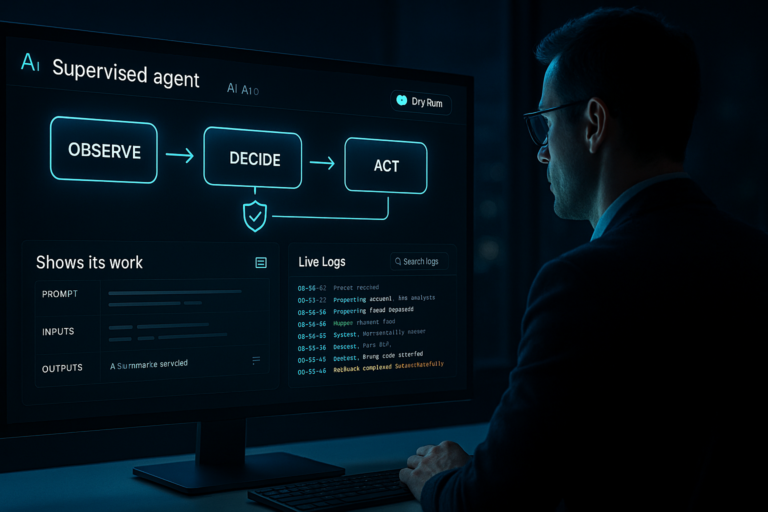


Agentic AI is no longer a demo. Agentic AI is quietly taking over real work, from travel to money to procurement, and I felt it snap into focus over a 48-hour news window.
Quick answer: If you’re new, pick one narrow outcome and give an agent strict rules. Start with travel, small payments, or invoice reconciliation. Keep approvals on, log every action, and use a short retry loop. You’ll see real relief in a weekend without risking your budget or your data.
I always start with one narrow outcome and give the agent strict rules. I keep approvals on, log every action, and use a short retry loop.
What I mean by agentic AI
Agentic AI is software that sets a goal, takes multi-step actions, checks its work, and tries again. It doesn’t just answer questions. It does things like compare flights, apply coupons, book tickets, reconcile POs, nudge suppliers, or move a tiny top-up into savings based on rules you set.
Why this hit me this week
On Feb 13, 2026, PYMNTS reported that Expedia is embracing agentic commerce, which tells me travel’s odds-and-ends work is about to automate by default. On Feb 12, 2026, PaymentsJournal covered Coinbase’s Agentic Wallets for autonomous spending and investing. The same day, TechCrunch wrote that Didero raised 30M dollars to put procurement on agentic autopilot. That’s travel, money, and supply chains all pointing in the same direction.
If you’re new, start small and strict
This isn’t about building a multi-agent orchestra. I start with one well-bounded job where the agent can do 80 percent and I approve the last 20. The more precise the rules, the safer and faster the wins.
I pick a single, well-bounded job where the agent can do 80 percent and I approve the last 20. Precise rules make the wins safer and faster.
4 practical plays to try this week
Travel that actually books itself
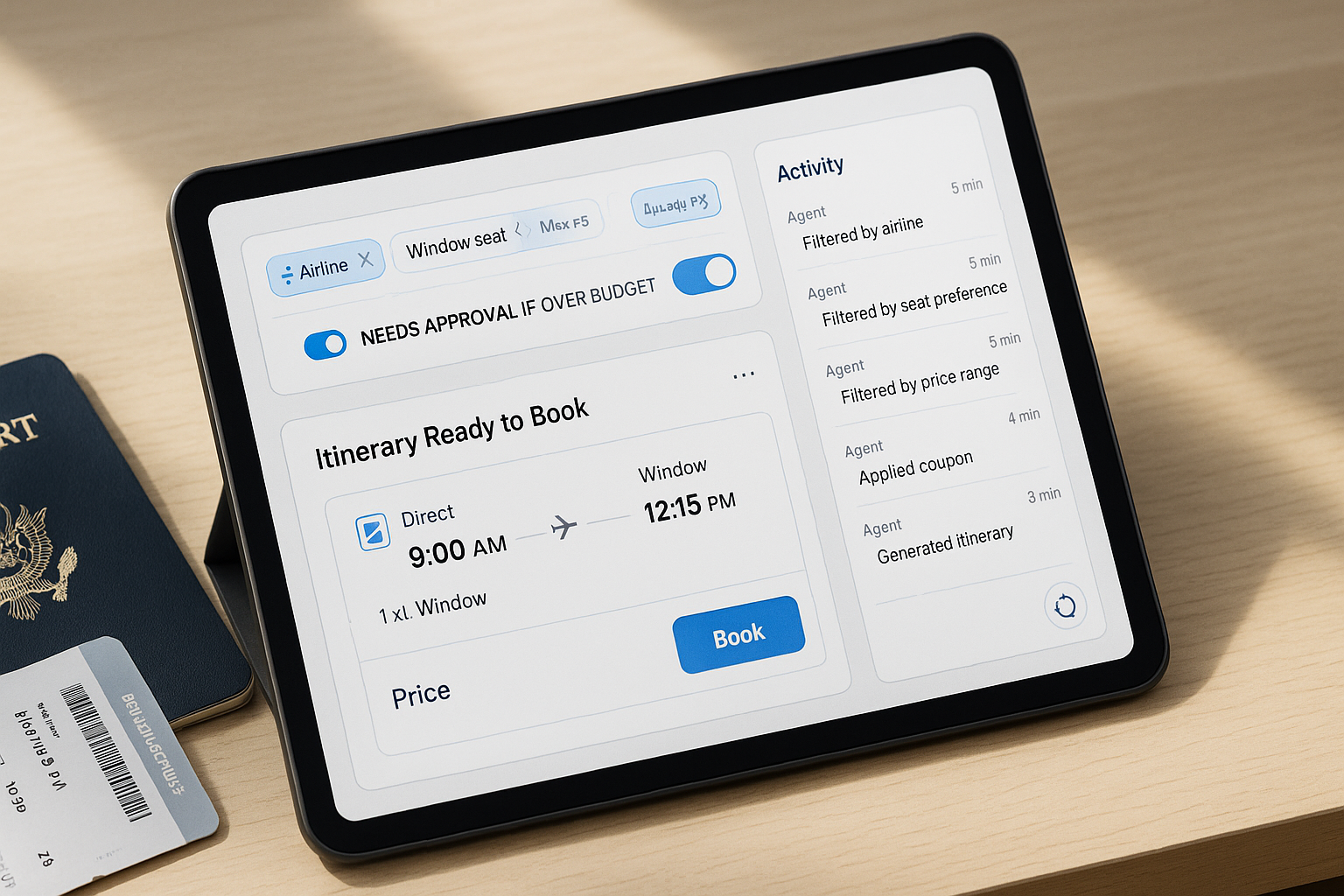
With Expedia leaning into agentic commerce on Feb 13, 2026, I expect travel booking to collapse into rules: airline, window, seat, max price, hotel tier, and a must-confirm switch if over budget. I wire a single agent to fetch options, apply policy, and stage for approval. You’ll feel most of the value even before auto-booking.
Agent rules for your money, not just dashboards
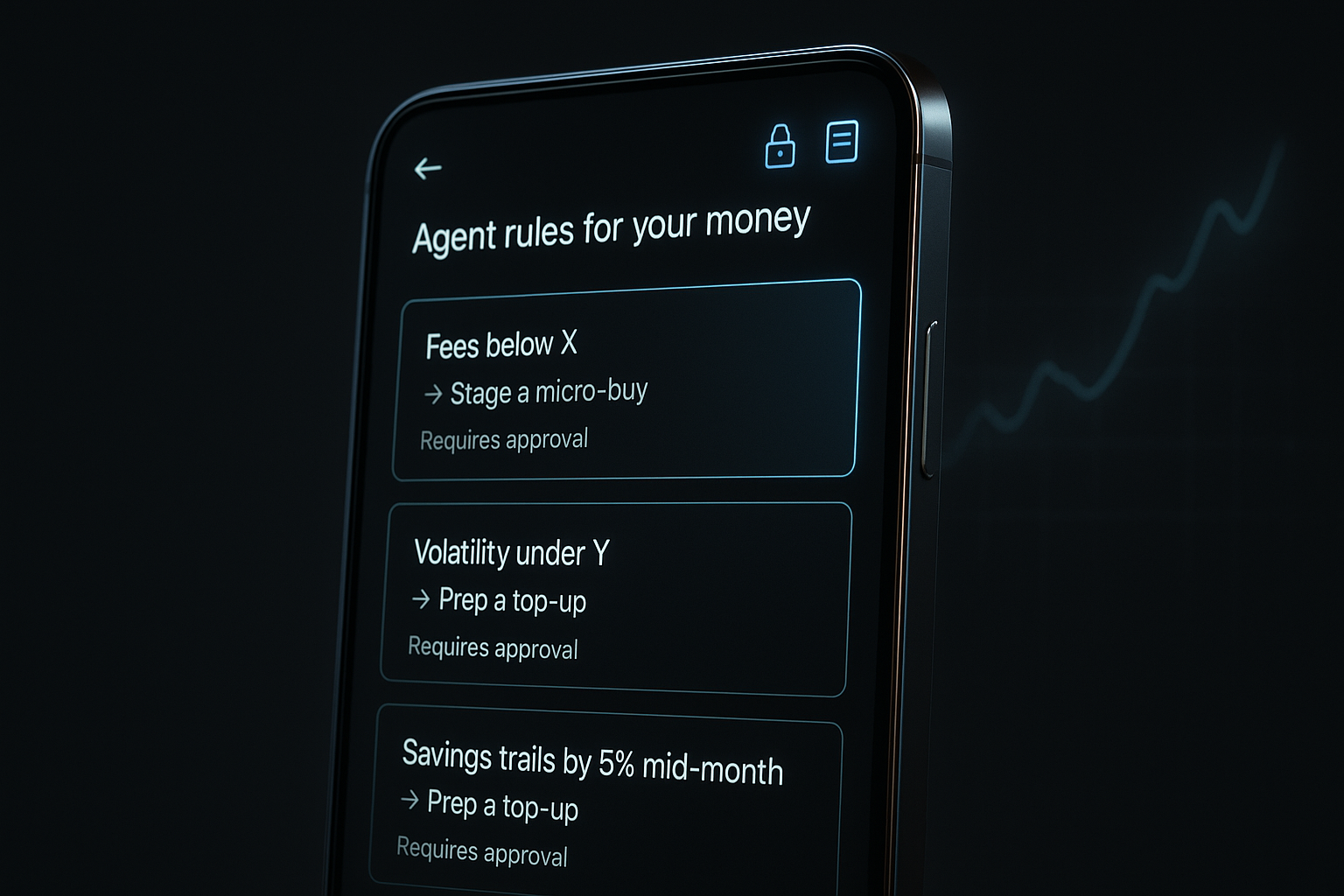
Coinbase signaling Agentic Wallets on Feb 12, 2026 tells me flows are going event-driven. I start with tiny, reversible moves: if fees drop below X and volatility is under Y, stage a micro-buy; if savings trails by 5 percent mid-month, prep a top-up. Keep approvals on until trust is earned.
Kill the procurement back-and-forth
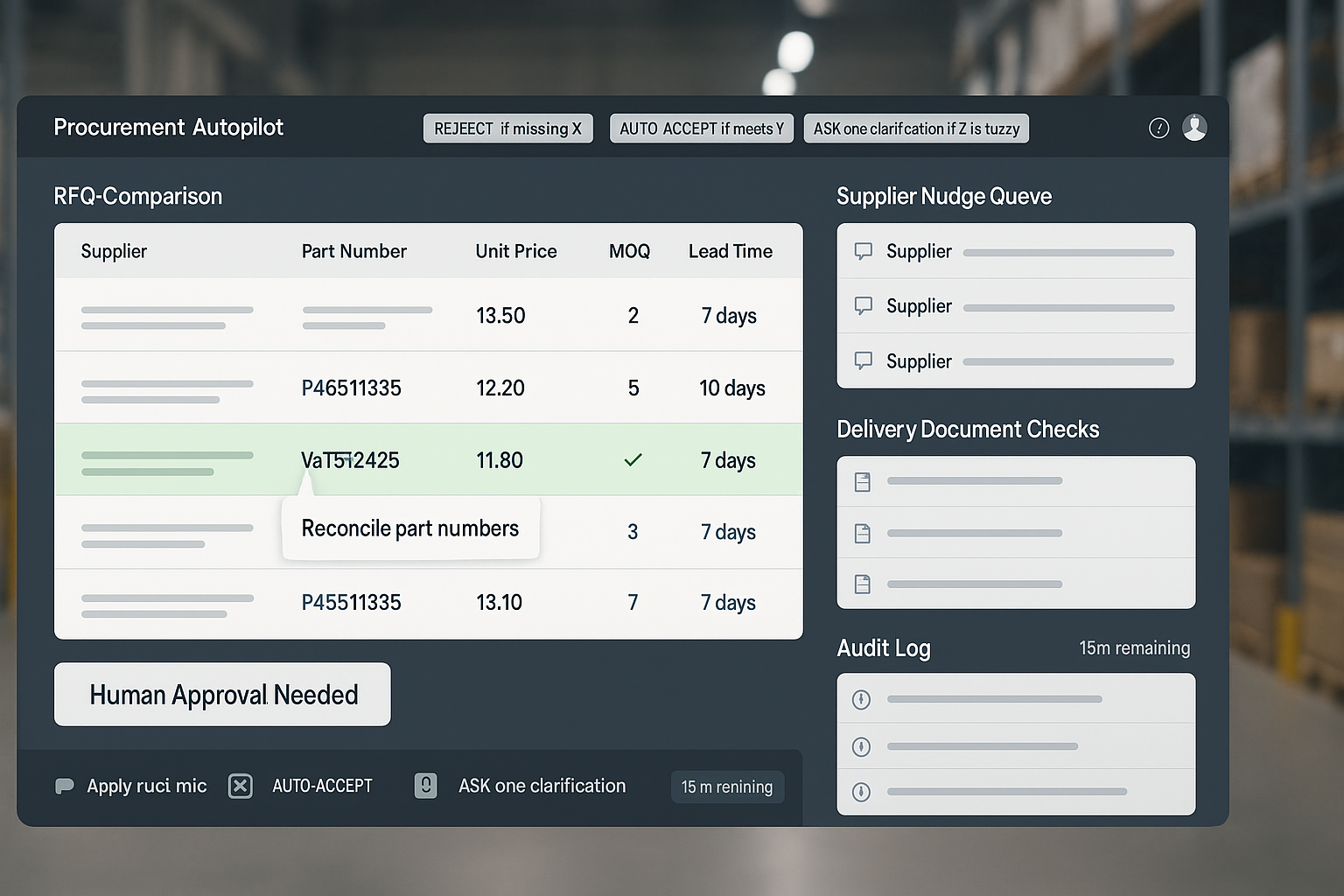
Didero’s raise on Feb 12, 2026 reminded me how much time dies in coordination. I point an agent at quoting, part number reconciliation, supplier nudges, and delivery doc checks. My first rules are simple: reject if missing X, auto-accept if meets Y, and ask one clarification if Z is fuzzy. Approvals stay with me; the agent carries the drag.
Put security rails in before the fireworks
I treat agents like interns with keys. Scopes, logs, and timeouts are non-negotiable. Before touching anything sensitive, I decide how it authenticates, where every action is logged, and what happens if it loops. Read-only first, a dedicated service account, and an alert if an action repeats more than N times.
A dead-simple weekend plan
If I had 48 hours and wanted one meaningful win, I’d do this:
- Pick one painful outcome: stage travel bookings, small vendor payments, or invoice reconciliation.
- Write 5 hard rules: budget caps, must-haves, and what needs human approval.
- Build a short loop: pull data, try once, self-check, try a tweak, then hand me a clean summary if stuck.
I write five hard rules with clear budget caps and human approvals. I build a short loop that self-checks, retries once, then hands me a clean summary.
Beginner stack I actually like
Boring works. I use a reliable LLM, a tiny vector store if truly needed, a couple API connectors, and a simple state machine so the agent knows it’s on step 2 or 3. Most wins come from clear scope, not fancy choreography.
How I sanity-check before trusting an agent
I run it on last month’s data first. If it proposes what I already did, great. If it catches a miss, even better. Then I run live in draft mode where it prepares actions and I click send. After a week of zero surprises, I let it auto-complete low-risk items with a daily digest.
I sanity-check on last month’s data, then run live in draft mode with a daily digest until trust is earned.
Pitfalls I’ve hit so you don’t have to
Agents love to be helpful in the wrong direction. I fix this by adding adding negative goals alongside positive ones. Not just book the cheapest flight, but never book red-eyes, never exceed Y layovers, and never choose a nonrefundable rate above X. When something breaks, I add one test that would have caught it and one log line that explains why.
Where this is headed, fast
Travel moved on Feb 13, 2026. Wallets shifted on Feb 12, 2026. Procurement raised real money the same day. Security is reacting too. We’re moving from AI that answers to AI that acts, straight into systems with real-world consequences. Pick a small outcome, add guardrails first, and ship something that gives you back an hour this week.
I pick a small outcome, add guardrails first, and ship something that gives me back an hour this week.
FAQ
What exactly is agentic AI?
It’s goal-driven automation with feedback loops. You set rules, it takes multi-step actions, checks results, and retries if needed. It’s closer to a dependable teammate than a chatbot.
How do I start safely without risking money?
Begin in draft mode with human approvals on. Keep transactions tiny, reversible, and fully logged. Once you see a week of predictable behavior, expand scope gradually.
Do I need multiple agents to see value?
No. One well-scoped agent with clear rules usually beats a complex multi-agent setup. Most wins come from choosing a single painful workflow and tightening the guardrails.
What tools do I actually need?
A reliable LLM, a couple of API connectors, and a simple state machine. Add a small vector store only if retrieval clearly helps. Prioritize observability and access control over fancy orchestration.
How do I keep agents from going off the rails?
Limit scopes, use dedicated service accounts, log every action, and set timeouts. Add negative constraints and alerts for repeated actions. Review a daily digest until you trust the behavior.