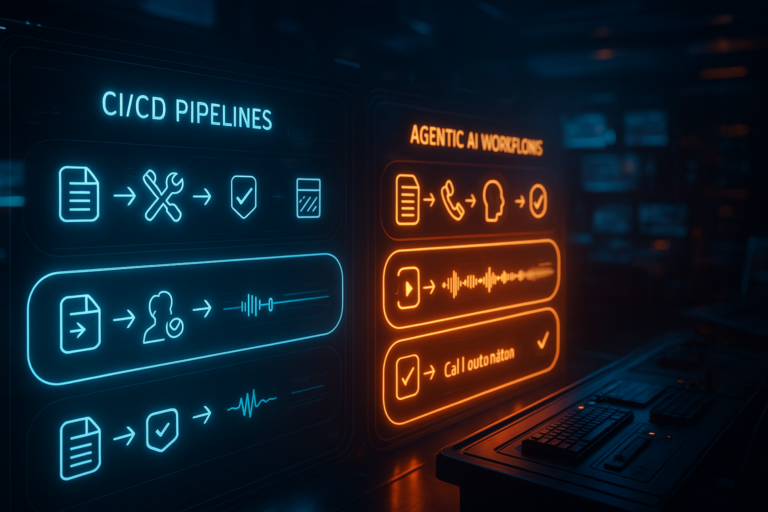


Agentic AI finally feels real. I woke up to a pile of Feb 10, 2026 news and, for the first time, it read less like research and more like a practical to-do list I could ship next week.
Quick answer: On Feb 10, 2026, four moves made agentic AI plug-and-play for real teams: Nebius buying Tavily for reliable retrieval, IBM FlashSystem leaning into autonomous storage, Qlik bringing agentic analytics with an MCP Server, and Genesys launching an agentic virtual agent for CX. Start with one outcome, add a trusted retrieval layer, give the agent one safe tool, and ship via a friendly surface.
I start with one outcome, add a trusted retrieval layer, give the agent one safe tool, and ship via a friendly surface.
Nebius + Tavily: information that won’t break your agent
On Feb 10, 2026, Nebius agreed to acquire Tavily, the search layer a lot of builders already trust for fast, structured, verifiable retrieval. Most beginner agents don’t fail at reasoning. They fail because their info diet is stale, noisy, or slow.
Why it matters
Tavily is great at targeted, source-backed results. Nebius brings scale and boring reliability. Together, it looks like a stable backbone for agents that research, cross-check, and cite without duct-taping a dozen APIs.
I want a stable backbone for agents that research, cross-check, and cite without duct-taping a dozen APIs.
What I’d do
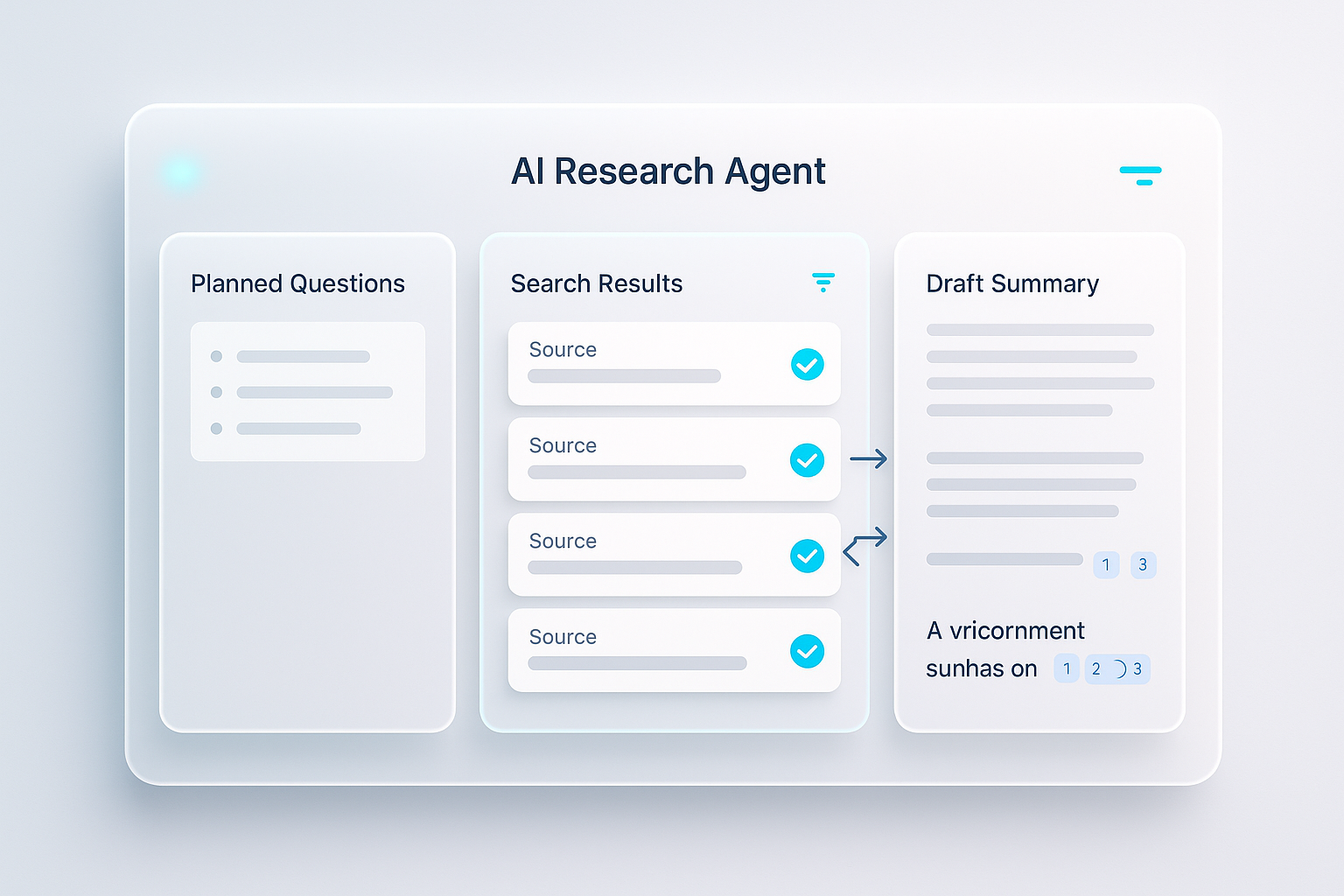
I’d prototype a simple research agent for sales or content: plan questions, hit a Tavily-style retrieval layer, rank evidence, draft, then self-check before handing me a summary with sources. That tight plan-retrieve-verify loop is the difference between cute and useful.
IBM FlashSystem goes agentic: tools that mostly run themselves
Also on Feb 10, 2026, IBM introduced an updated FlashSystem portfolio that leans into autonomous control of storage. The headline claim: AI takes over about 90% of storage management. Not flashy, but it removes half the reasons agents stall in production.
Why it matters
Early agents touch files, indexes, snapshots, and permissions. If placement optimizes automatically and snapshots stay tidy, your agent responds faster and you sleep better. This shifts what you feel safe automating.
When placement optimizes automatically and snapshots stay tidy, my agent responds faster and I sleep better.
What I’d do
If you’re building inside a company, ask your storage team for a small, isolated volume with autonomous tuning on. Point embeddings, logs, and outputs there. Keep it observable and separate from production until trust is earned.
Qlik agentic analytics + MCP Server: business UX your team will actually use
On Feb 10, 2026, Qlik took agentic analytics to general availability and launched an MCP Server for third-party assistants. Translation: you can talk to your data like a person, the agent can investigate across sources, and you can bring your own assistant without a Frankenstein setup.
Why it matters
Qlik already sits where non-technical teams live. A safe agent that explores, explains, and acts inside that workflow is the on-ramp most orgs need. The MCP piece hints at proper tool orchestration, not one model pretending to know everything.
What I’d do
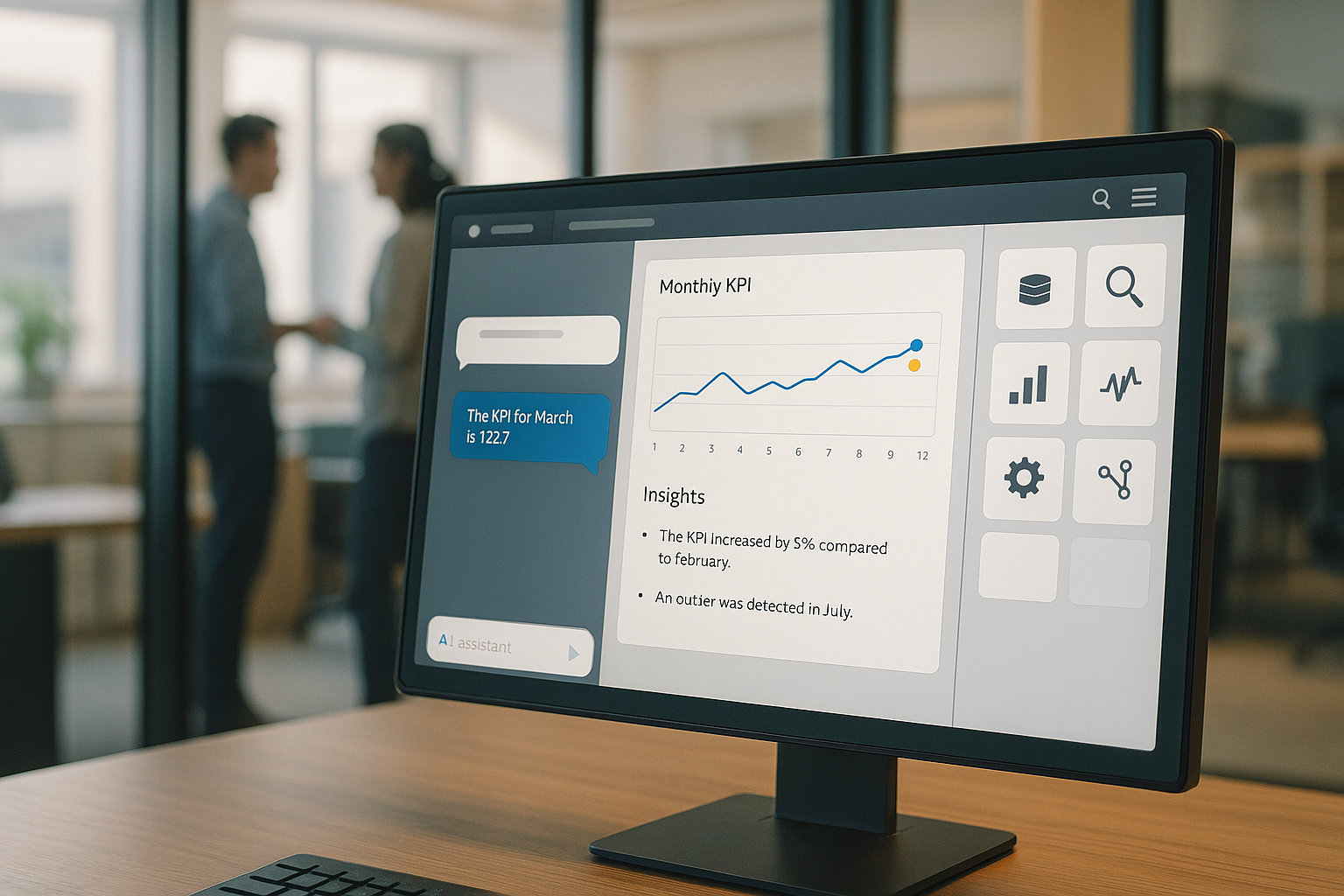
Pick one monthly KPI everyone debates. Let Qlik’s agent pull the trend, flag outliers, and draft a one-pager for review. If the loop feels solid, expand to alerts or tiny actions like tagging records or kicking off tasks in your PM tool.
I pick one monthly KPI everyone debates and let the agent pull the trend, flag outliers, and draft a one-pager for review.
Genesys agentic virtual agent: customer moments that feel human
Also on Feb 10, 2026, Genesys announced an agentic virtual agent focused on enterprise CX. Static flows crack the moment a customer goes off-script or switches channels. Agentic loops can plan, try, and adapt until the job is done.
Why it matters
Even if you don’t run a call center, you have repetitive, slightly messy touchpoints: returns, password resets, appointments, basic troubleshooting. A lightweight agent that can look up the right record, ask one clarifying question, and take the correct action is a real quality-of-life upgrade.
What I’d do
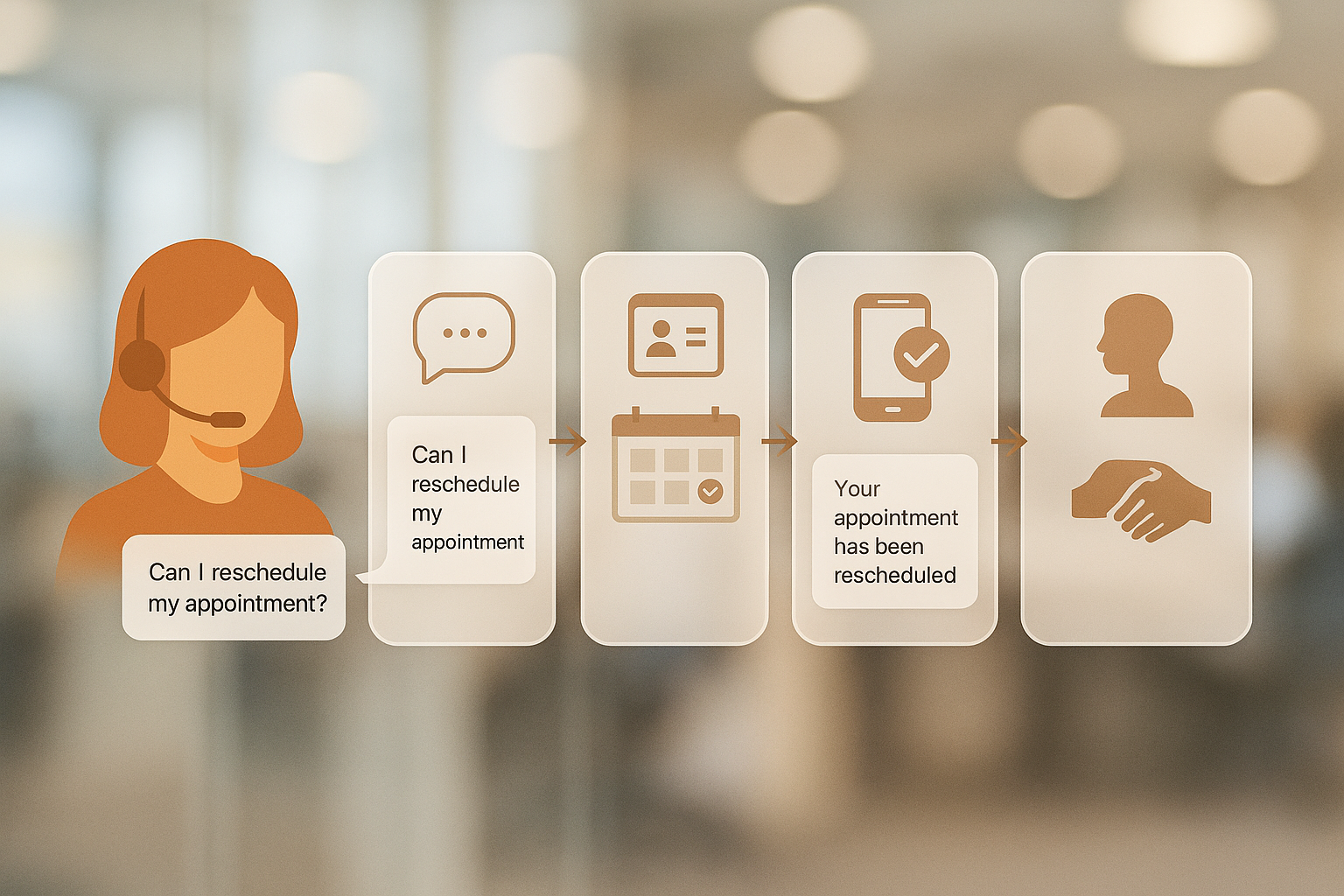
Start with one bounded outcome, like rescheduling an appointment. Give the agent only the tools it needs: calendar access, customer lookup, a way to confirm via email or SMS, and a clean handoff to a human. Track time to resolution and handoff rate, then add the next outcome.
The pattern across all four
This isn’t random. Nebius plus Tavily hardens information. IBM makes the tool layer dependable. Qlik provides a business-native surface and orchestration. Genesys proves outcome-focused loops can survive in the wild where people are impatient. Put together, that’s the stack: learn, decide, act, verify, and explain. The shared theme is control and context, not just more model.
I focus on control and context so the stack can learn, decide, act, verify, and explain.
My 7 day starter plan
If I were brand new and wanted a quick win, I’d ship a tiny loop this week. Here’s the plan I’d actually follow:
- Outcome: Write one clear sentence with a success state, like weekly revenue summary with anomalies and two insights.
- Retrieval: Plug into a Tavily-style service or a curated custom search with a small cache. Prioritize source-backed facts.
- Tooling: Give the agent one safe tool and a sandboxed store with good logs. Keep the blast radius tiny.
- Surface: Put it in front of a real user via a Qlik sheet, a chat sidebar, or a simple form. Watch where they hesitate and fix that first.
FAQ: Agentic AI for real teams
What is agentic AI, in plain terms?
Agentic AI is software that plans steps, uses tools, and checks its own work to reach an outcome. Think of it as an assistant that can decide, act, and verify within guardrails you set.
Do I need my own LLM to start?
No. Start with a managed model and focus on your retrieval, tools, and UX. The loop matters more than the logo. You can always swap models later if your architecture is clean.
How do I keep agents from going off the rails?
Constrain scope, ground every step in retrieval, and log aggressively. Start with read-only access, then add small, reversible writes. Clear handoffs to humans protect customers and your team.
Where should I deploy first?
Pick a narrow, high-friction task with clear success: a KPI brief, appointment rescheduling, or help desk triage. Short feedback loops beat big, vague ambitions.
What will it cost to test?
Pilot costs stay low if you limit context windows, cache retrieval, and keep tools minimal. Storage that optimizes itself and a business-native surface save time you’d otherwise burn on ops.
What I’m watching next
I’m watching how quickly Nebius turns Tavily’s strengths into a developer-friendly API with boring reliability, how IBM exposes knobs so teams can observe and override autonomous storage safely, and how fast others copy Qlik’s MCP openness. If Genesys nails handoff quality, expect a wave of vertical CX agents focused on outcomes instead of intents.
Bottom line: Feb 10, 2026 felt like the day agentic AI crossed from lab demo to everyday roadmap. If you’ve been on the fence, pick one outcome and ship a tiny loop this week.