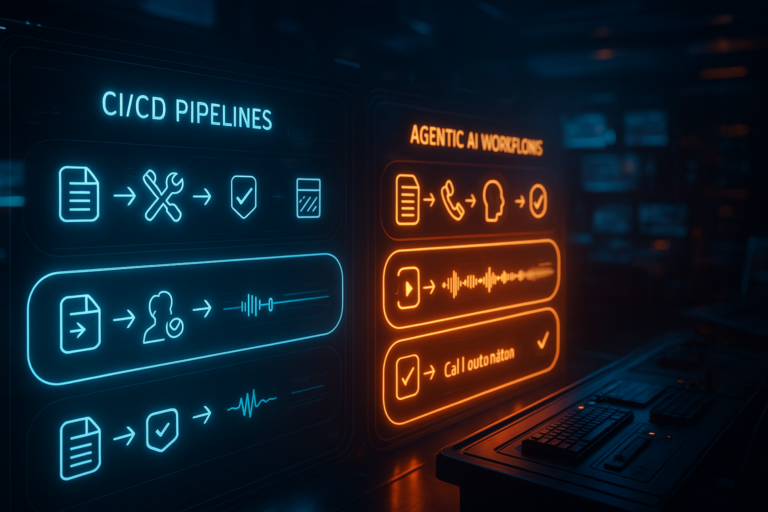


Agentic AI just crossed a line for me. On Feb 12, 2026, four announcements landed back to back, and it finally felt less like a demo and more like actual infrastructure I can build on.
Quick answer: Feb 12, 2026 marked a turning point for agentic AI with end-to-end travel booking and payments, grocery planning that adapts to real constraints, a cloud stack consolidating around retrieval and orchestration, and security teams formally prioritizing adoption. If you are starting now, pick one tiny workflow, wire two tools, and finish the last mile with a real action.
My shortcut: start with one tiny workflow, wire two tools, and finish the last mile with a real action.
Travel just got an end-to-end agent
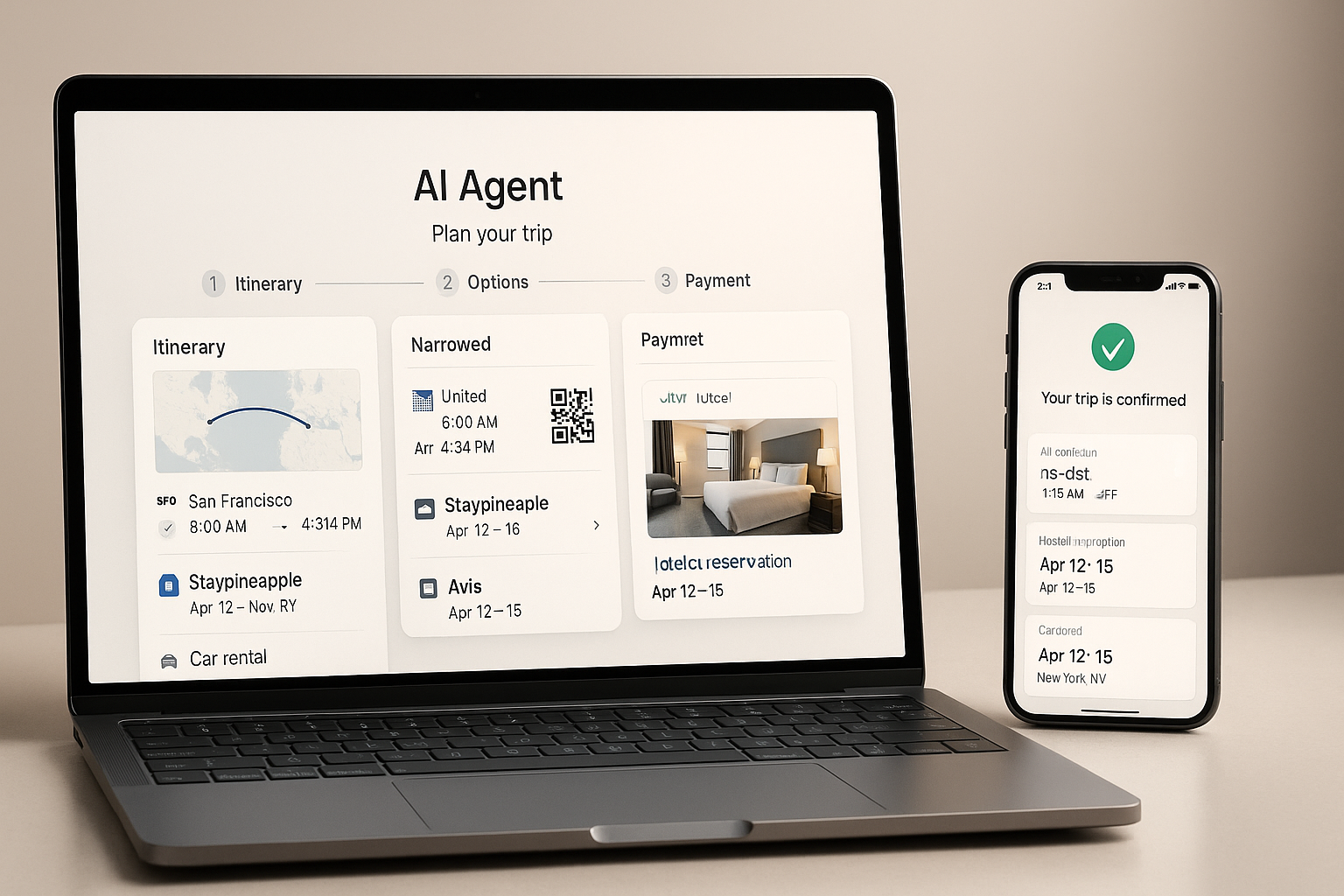
Sabre, PayPal, and Mindtrip announced what they called the industry’s first end-to-end agentic AI travel experience on Feb 12, 2026. In plain English, a single agent plans, searches, books, and pays in one continuous, goal-driven flow. You can read the announcement covered on PR Newswire.
What clicked for me was the final step. Plenty of chatbots can recommend hotels. An agent that persists context across steps and actually completes payment is a different league. That last mile is what turns ideas into revenue.
Why this matters if you are new
This is a blueprint for real workflows. Planning is not one API call. It is observe, decide, act, verify, and retry. Travel forces retrieval, tool use, memory, and guardrails to work together. That pattern is portable to almost any business task.
When I design an agent, I make it plan first with the loop of observe, decide, act, verify, and retry.
Groceries went agentic too, and it is not just a cute list-maker
Also on Feb 12, 2026, Uber Eats launched an agentic AI grocery list tool. Grocery shopping is a constraint puzzle in the wild: budget, dietary rules, local inventory, delivery windows, pantry leftovers. A simple chatbot breaks here. An agent can reason about constraints, call the right tools, and adapt when items are out of stock. Coverage landed at Chain Store Age.
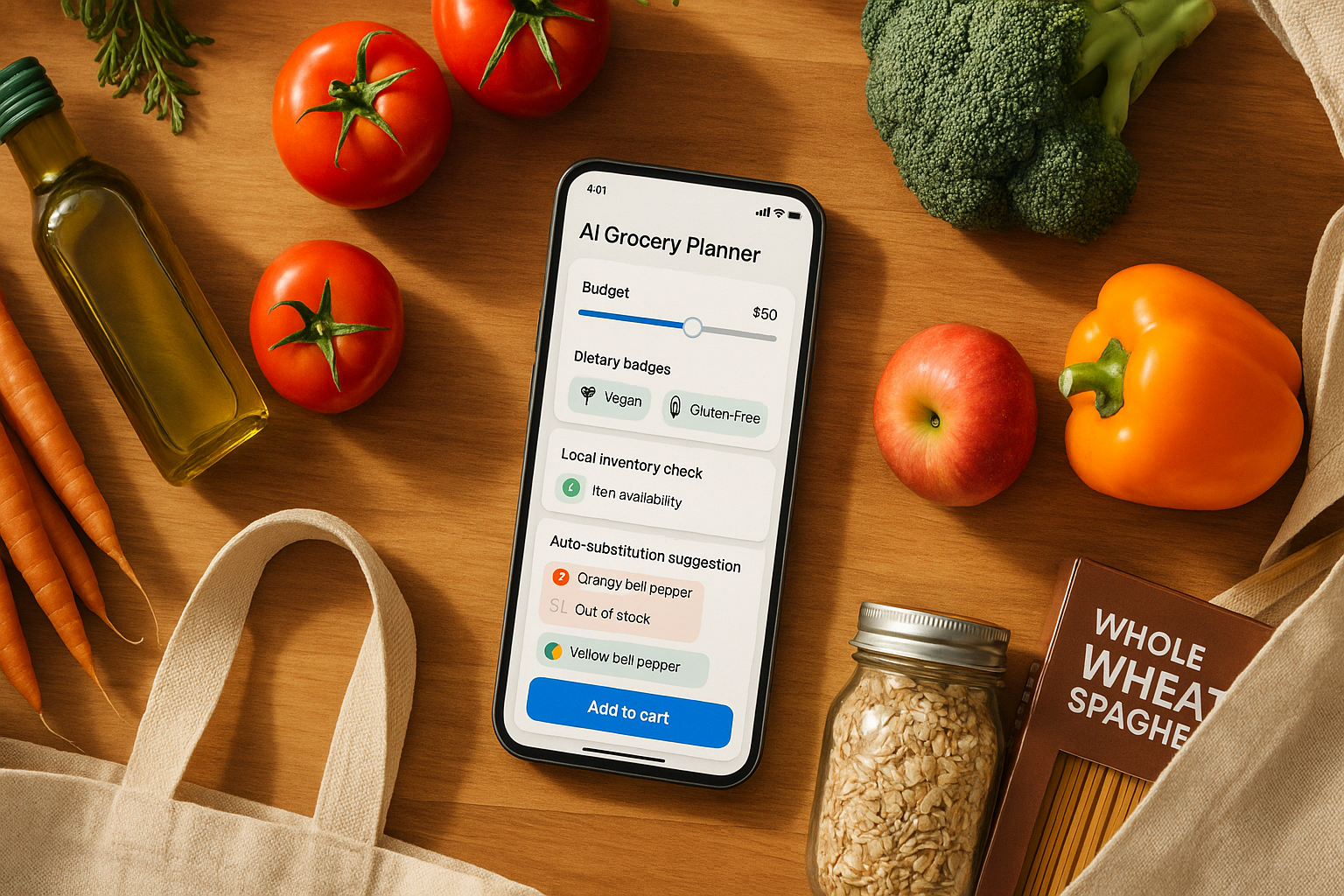
I love this as a starter template because it forces a real architecture. You need function calling for inventory checks, retrieval for product info, planning to hit a budget, then a clean handoff to a cart or order. If you can solve groceries, you can probably automate weekly reporting, onboarding, or renewals.
What I would copy
Start tiny, finish complete. Do not stop at a suggestion. End with a real artifact like a cart, draft email, calendar invite, or a dry-run API call. That is where users feel the magic.
My rule of thumb: start tiny and finish complete with a real artifact like a cart, draft email, or calendar invite.
The cloud is getting opinionated about agents
Later that day, The Futurum Group covered Nebius acquiring Tavily. If you have not used Tavily, it is a developer favorite for smart retrieval, and retrieval is oxygen for agentic AI. The write-up is here: The Futurum Group.
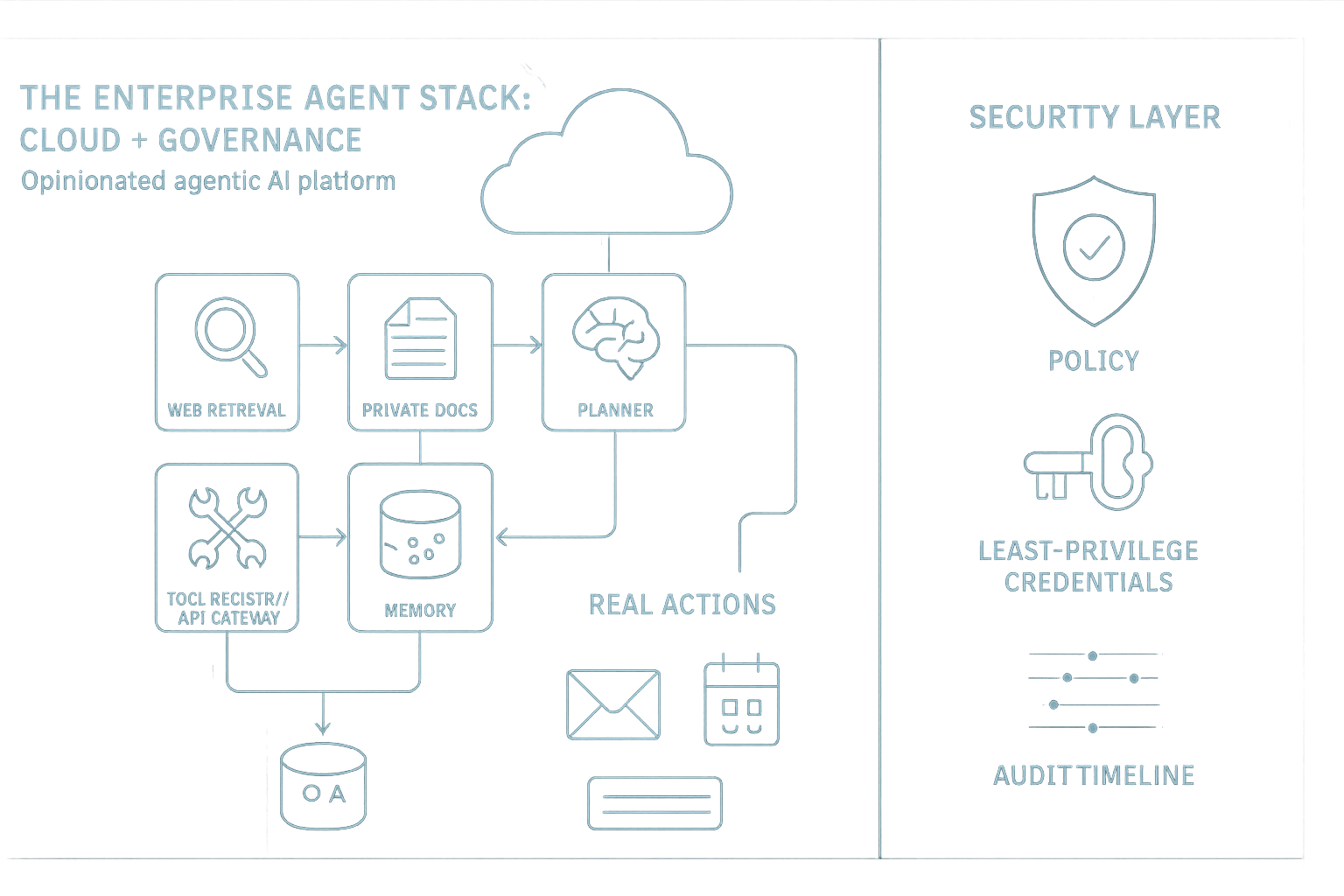
What this signals to me: the platform shape is getting clearer. Fast retrieval for fresh context. Structured tool registries so agents know capabilities. Memory for multi-step jobs. Observability so you can see why something happened. Less yak shaving, more building.
I pick a stack that gives me fast retrieval, clear tool registries, memory, and observability from day one.
Beginner takeaway
Do not pick a model first. Pick the capabilities. Does your agent need web search, private docs, spreadsheets, payments, calendars, or ticketing? Let those needs choose the cloud and keep it modular so you can swap retrieval or routing later if pricing, latency, or policies change.
Security teams just made it official
Also on Feb 12, 2026, new research from Ivanti put a hard number on it: 87 percent of security teams say adopting agentic AI is now a priority. That tracks with what I have been seeing. The early wins are practical, not flashy: incident triage, patch orchestration, ticket deduping, enrichment, and report drafting.
Governance is not a tomorrow problem. It is day-one scaffolding. Here is the lightweight version I use so I can move fast without getting reckless:
I treat governance as day-one scaffolding so I can move fast without getting reckless.
- Write down the verbs your agent is allowed to perform and on what resources. Include conditions for risky actions.
- Scope credentials to the smallest blast radius by task and environment. Planning does not need delete in production.
- Log each tool call with inputs, outputs, and a short reason so you can debug the first weird incident fast.
How I would start building an agent this week
Pick one task with a clear finish line
Think create a weekly brief from three links or turn yesterday’s sales CSV into a top 5 insights email. It should complete in minutes, not hours.
List two or three tools
For example, HTTP fetch, a CSV reader, and an email sender. Avoid ten-tool demos. Fewer moving parts teaches you more, faster.
Make the agent plan before it acts
Have it write a quick plan to itself, then execute step by step. If a step fails, revise only that step and continue. This mirrors the travel and grocery patterns above.
Stop at the last mile
Ship a real output like a draft email, a prefilled form, or a dry-run API call. Finishing is the difference between a toy and a tool.
Instrument the experience
Save the plan, each tool call, latency, and a one-sentence reason. You will quickly see where agents trip up. Later, add a couple of simple tests for your most common tasks.
FAQ
What is agentic AI, in plain English?
Agentic AI is software that can plan, use tools, and take actions toward a goal, not just chat. It observes, decides, acts, checks results, and tries again if needed, like a junior teammate that can follow through.
Why was Feb 12, 2026 a big day for agentic AI?
Four signals landed at once: end-to-end travel booking with payments, grocery planning that adapts to inventory and budgets, a cloud bet on retrieval with Nebius and Tavily, and security teams prioritizing adoption. Together, they mark a shift from demos to deployed workflows.
Do I need a specific model to start?
No. Start by listing capabilities your task needs like retrieval, function calling, spreadsheets, or payments. Choose services that fit those requirements and keep it modular so you can swap parts as costs or policies evolve.
How do I keep agentic AI safe in production?
Define allowed actions, scope credentials tightly, and log every tool call with a reason. Add approval gates for high-risk actions and basic tests for your most common tasks. Start light and tighten as you learn.
What is the smallest useful first project?
Pick one clear outcome with two or three tools and finish with a real deliverable like a draft email or prefilled form. Aim for something you can run end to end in under 10 minutes.
What changed for me
Travel showed an agent can own a full business workflow end to end. Groceries proved everyday tasks are ready for prime time. The Nebius and Tavily news made the platform shape feel real. And security’s 87 percent signal moved governance from slides to code. If you have been waiting for permission, take this as your sign. Pick a tiny outcome, wire two tools, and let the agent take one real action this week.