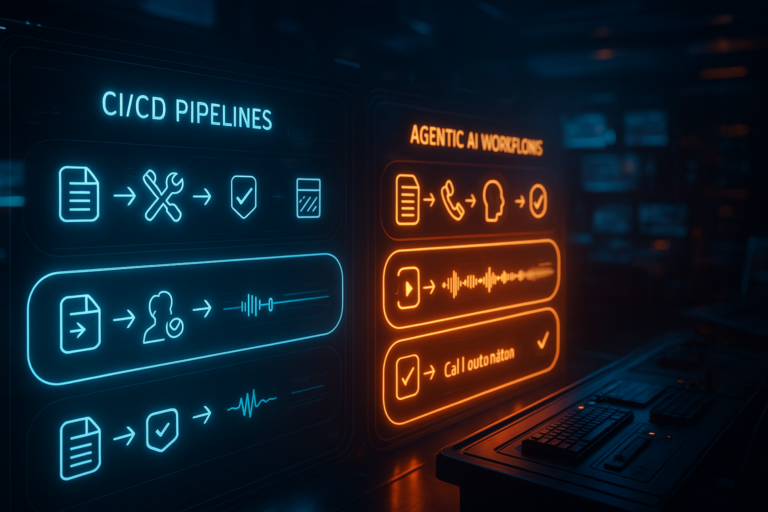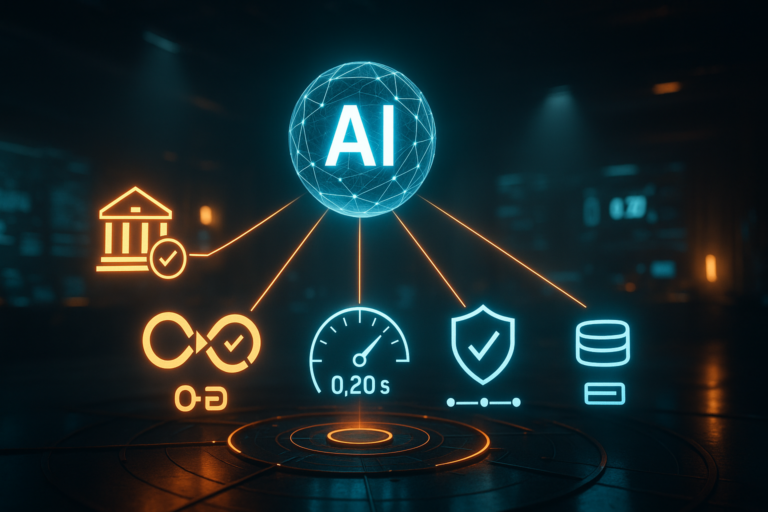


Agentic AI finally clicked for me as a real workflow tool, not just a cool demo. On Feb 6, 2026, five stories landed that make it way easier to ship safe, useful agents without scaring IT or breaking process.
Quick answer: Agentic AI moved into the enterprise lane on Feb 6, 2026 with OpenAI’s push into secure, approved tool use, Cisco’s latency warning, Singapore’s governance blueprint, UiPath’s compliance play, and a developer boost for code reasoning. If you’re starting now, wrap agents around existing tools, set a latency budget, add logs and approvals, and keep a human in the loop.
I start by wrapping agents around tools I already use, set a latency budget, add logs and approvals, and I always keep a human in the loop.
Quick context
In one day we got five clear signals. OpenAI made enterprise agents feel official. Cisco reminded us that slow infrastructure ruins trust. Singapore showed a practical governance checklist. UiPath tied agents to compliance-grade RPA. And a new coding assist gives agents real structure inside your codebase. Different angles, same message: build for reliability, not magic.

OpenAI’s enterprise push: agents that actually do things
On Feb 6, 2026, OpenAI’s enterprise focus got loud enough that I stopped thinking prototype and started thinking rollout. Packaging identity, secure tool use, memory, and orchestration into something IT can approve is a turning point. The vibe is workflows the business can live with, not duct tape. Here’s the AI Business report.
Why it matters
If you’re new to agents, this is your permission slip to automate boring but valuable work inside your current stack. Think document intake, customer follow-ups, spreadsheet cleanup, routine emails, and ticket routing. The real unlock is permissioning and auditing so security says yes.
I start with one process that has clean inputs and outputs, and I keep a human at final send.
How I’d start
Pick one process with clean inputs and outputs. New lead arrives, verify fields, draft a reply, tag the CRM, schedule a follow-up. Keep a human at final send. If someone asks why now, point to Feb 6, 2026. Vendors are racing to make agents predictable and approvable.
Cisco’s reality check: infrastructure can bottleneck smart agents
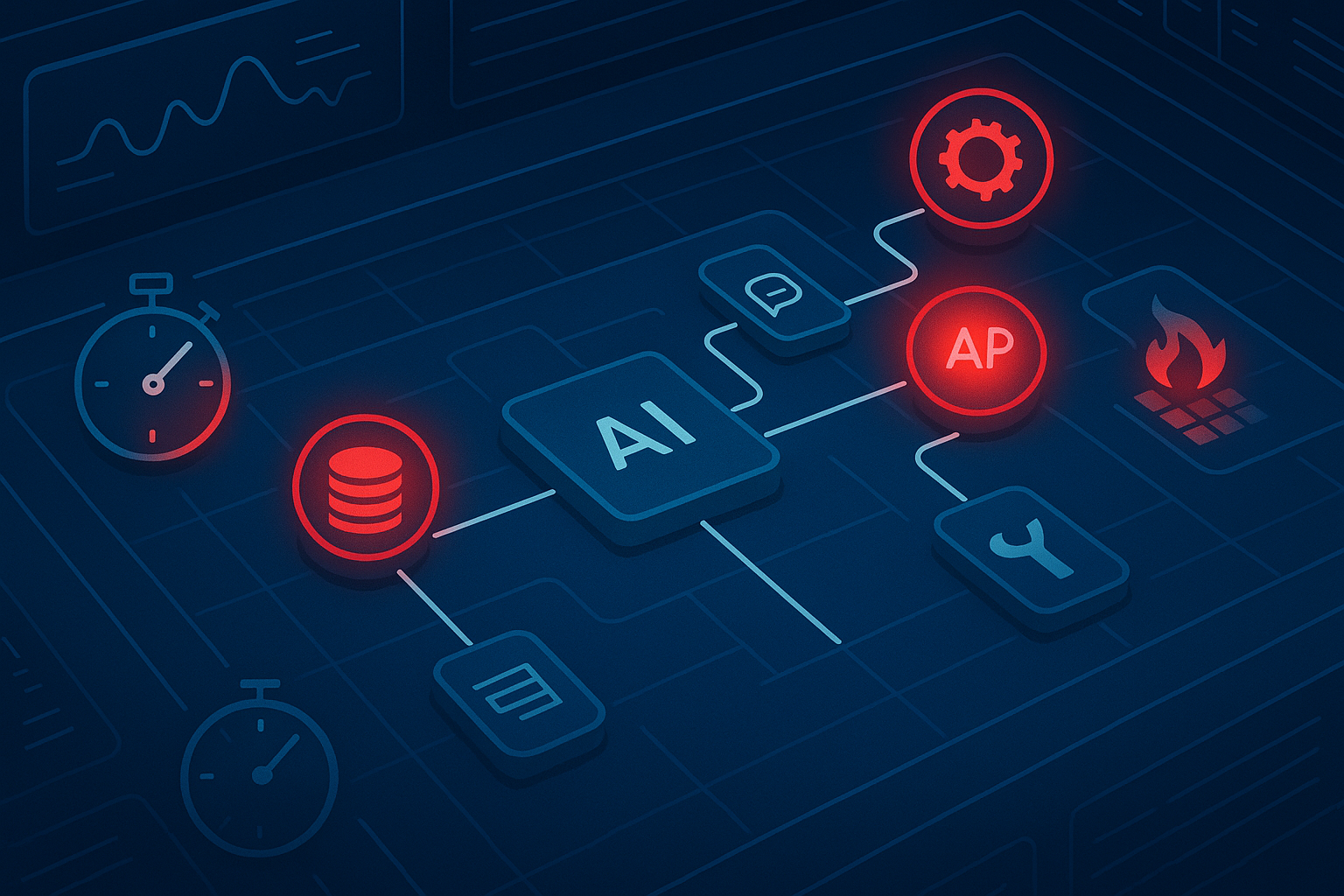
Also on Feb 6, 2026, Cisco warned that infrastructure drag will kneecap agentic AI before ROI shows up. If your agent waits on a cold vector index or a slow API hop, users bounce. Latency kills trust, and trust is your only currency early on. Read the Fierce Network piece for the setup.
Why it matters
Agents aren’t one call. They chain tools, fetch context, query embeddings, and hit APIs mid-run. Every hop adds delay. Flaky behavior is often starvation, not confusion.
I give my first agent a strict latency budget and work backward, caching and trimming context so it feels fast.
How I’d start
Give your first agent a latency budget and work backward. Cache prompts and tool responses. Warm up embeddings before traffic. Trim context to what matters. Test on real networks, not just localhost. Your agent is only as fast as the slowest system it touches.
Singapore’s governance framework: a practical safety net you can copy
On Feb 6, 2026, Singapore published what they call the first governance framework for agentic AI. It reads like the checklist product teams promise to add later and never do. Role-based access, traceable actions, clean data boundaries, human override, and a real kill switch.
Why it matters
Governance sounds heavy, but it is often the thing that gets your pilot approved. Nobody wants a rogue bot emailing customers or touching invoices without eyes on it. Controls and logs make agents feel like part of the company, not a risky sidecar.
I add an audit log, least-privilege access, an early human approval, and a clear off switch to get pilots approved.
How I’d start
Create a simple audit log for every agent action. Limit tool permissions to least necessary. Add an early human approval step. Agree on an off switch that non-engineers can hit. The goal is to ship faster without surprises.
UiPath + WorkFusion: agents meet compliance-grade RPA
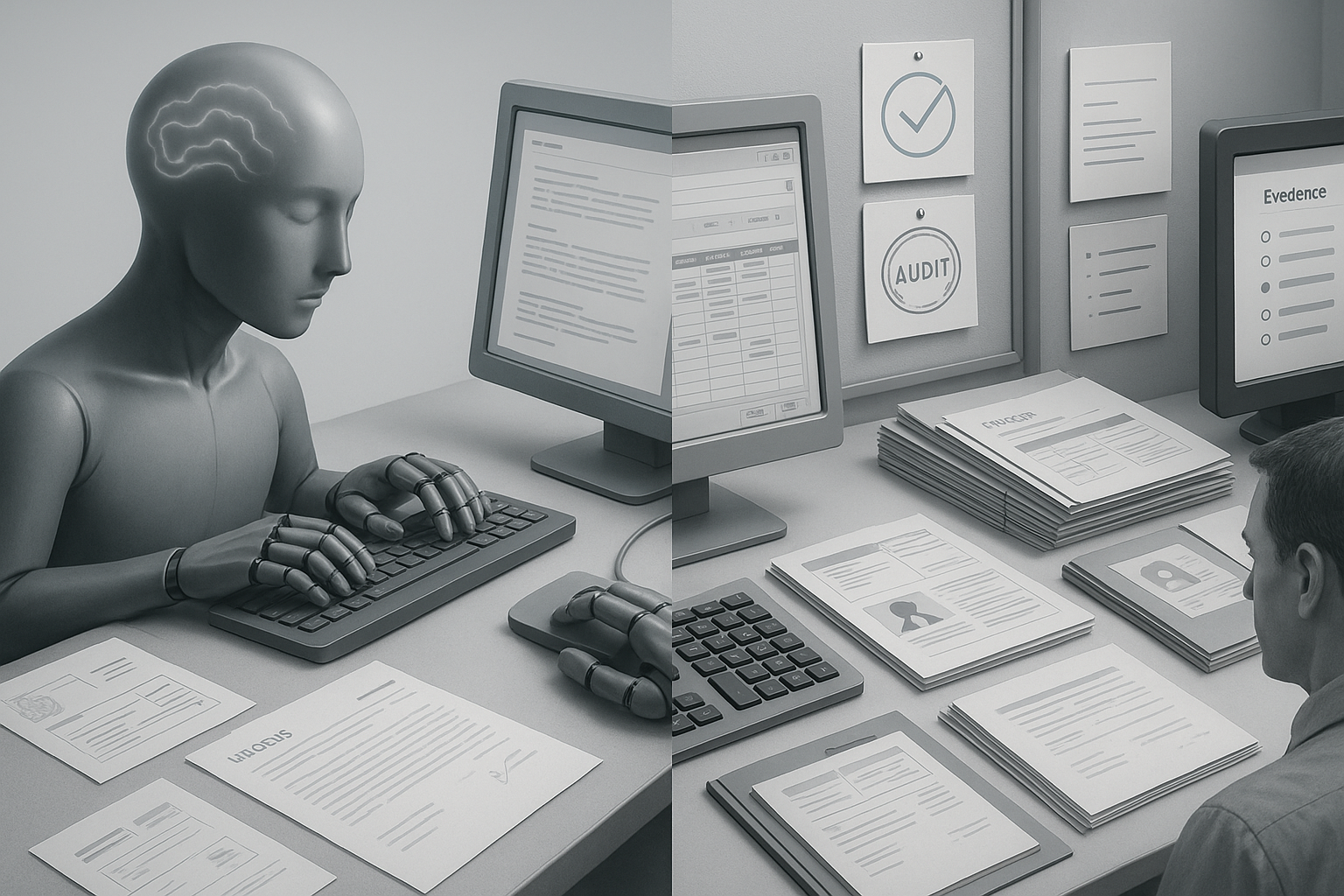
Also on Feb 6, 2026, UiPath announced it is acquiring WorkFusion, which is laser focused on KYC and document-heavy processes. This signals where agentic AI will land next: finance, insurance, and healthcare. Agents do the reasoning, RPA does the clicks, and the platform keeps the evidence. Here’s the Computerworld coverage.
Why it matters
Compliance isn’t just OCR plus an LLM. It is orchestration, evidence capture, exception handling, and traceability. Agents will sit on top of robust workflow platforms instead of trying to replace them. That’s how you get audits to pass and work to ship.
How I’d start
Split a single compliance workflow into judgment calls and deterministic steps. Let the agent draft findings and assemble a file. Let RPA update the system of record. Keep a reviewer in the loop until you have a track record.
Augment Code: giving agents a map of your codebase
On Feb 6, 2026, a semantic coding capability became available for agents so they can reason across your codebase instead of treating it like raw text. That means better onboarding helpers, safer refactor suggestions, and code review assist that flags real risks.
How I’d start
Index one service from your Git repo. Ask simple questions like where billing calls originate or which tests touch payments. Then try small refactors like a rename or extraction with human review. Ship tiny wins daily. No moonshots.
If you’re starting this weekend, do this
I like simple moves that stick. Here’s what I’d write on a sticky note after reading everything on Feb 6, 2026:
- Wrap an agent around one workflow you already run and add a human approval at the end.
- Set a latency budget, cache what you can, and trim context to essentials.
- Add logs, least-privilege access, data boundaries, and a real off switch.
- Pair agents with your stack. Let RPA do the clicks. Let agents handle reasoning.
I pair agents with my stack, let RPA handle the clicks, and keep the agent focused on reasoning.
FAQ
What is Agentic AI in plain English?
It is an AI that can plan and execute tasks across tools with guardrails, not just chat. Think drafting emails, collecting context from your systems, calling APIs, and handing you a ready-to-approve result.
How do I keep Agentic AI safe for production?
Start with strict permissions, action logs, and a human in the loop. Add data boundaries and a kill switch. Use staging and canary rollouts so mistakes are cheap and contained.
What’s a good first Agentic AI use case?
Lead follow-up, internal summaries, ticket triage, or document intake with validation. They have clear inputs and outputs, measurable time savings, and low blast radius.
Why is latency such a big deal for agents?
Agents chain steps, and each hop adds delay. If users wait too long, they stop trusting the system. Budget for speed, cache aggressively, and keep chains short so the experience feels snappy.
My take
Feb 6, 2026 felt like a line in the sand. Vendors shipped enterprise features, networks became a known constraint, governance got practical, and compliance met agents where they live. If you were waiting for a sign to start, this is it. Spin up one Agentic AI that saves you an hour this week and keeps your data safe. Then iterate.