

Agentic AI just had a week that changed how I build and buy. I spent Sunday digging through updates and came away with five clear moves I wish I had last year.
Quick answer: Agentic AI is moving from prompt tricks to real operations. If you are starting now, think in roles and outcomes, wire safe tool access with readable logs, pilot in support or CX where data and metrics are clean, and add simple guardrails before you let anything write or move money. Start tiny, measure one outcome, iterate weekly.
I always start tiny, measure one outcome, and iterate weekly to avoid scope creep.
Quick refresher: what agentic AI really is
Agentic AI is not just a chatbot. I treat it like a smart intern that can plan steps, call tools and APIs, click around apps, and loop until the job is done. You give it an objective, not just a prompt. It breaks work into subtasks, hands off to other agents, and uses memory and checks to stay on track. The win is orchestration, not just generation.
I give agents an objective, not just a prompt, because the real win is orchestration over generation.
Signal 1: Agentic engineering is the new skill
On February 8, 2026, Business Insider amplified a simple truth I feel every day: prompt craft is table stakes, agent design is leverage. The real work is mapping a business outcome to roles, picking safe tools for each role, and closing the loop with memory and feedback so the system improves over time.
How I’m applying it
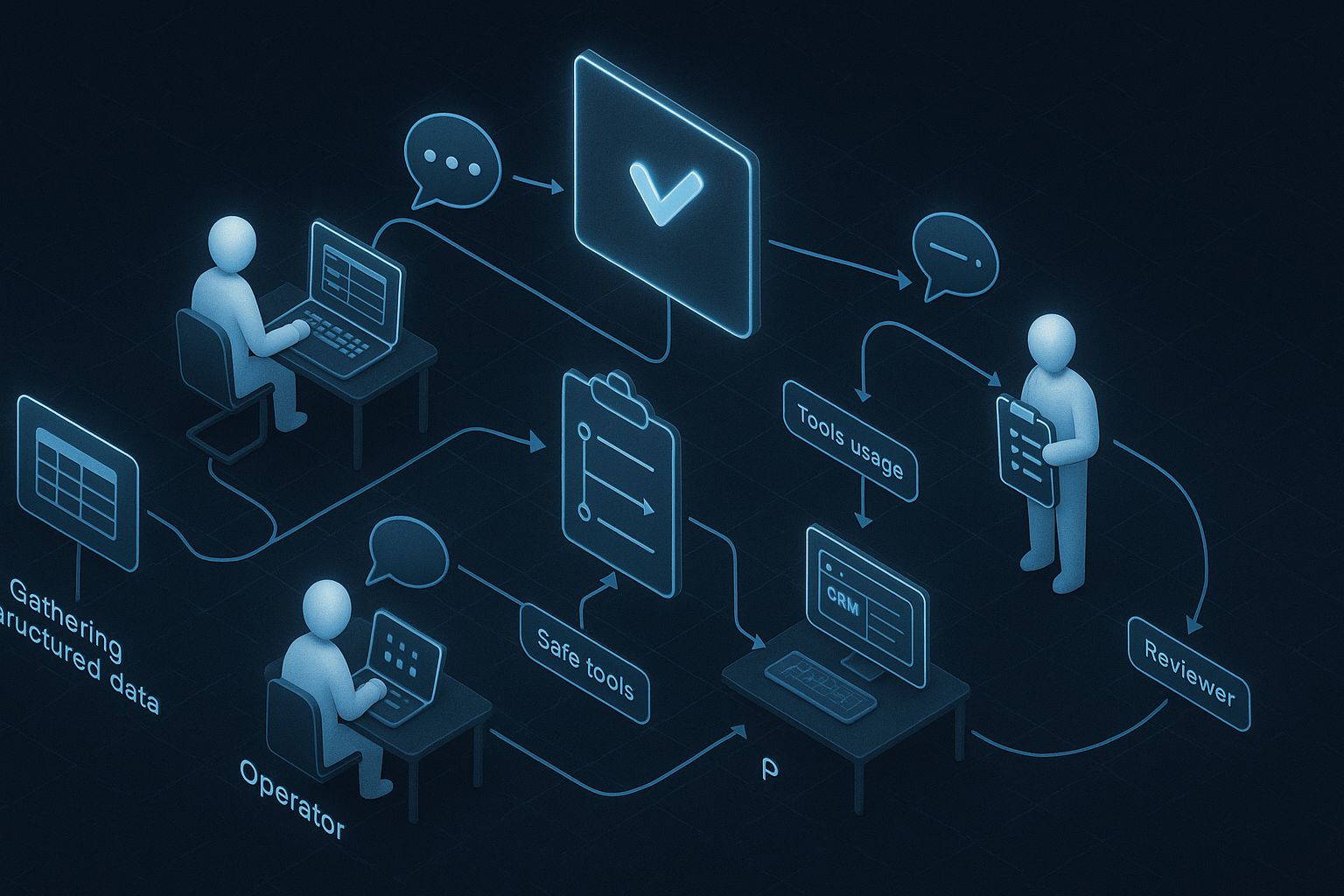
I break outcomes into roles: a Researcher gathers structured data, a Planner sequences steps, an Operator updates my CRM or spreadsheet, and a Reviewer checks before handoff. When I design like this, agents stop hallucinating and start shipping.
I break outcomes into clear roles so agents stop hallucinating and start shipping.
Signal 2: SaaS pricing is tilting to outcomes
Also on February 8, 2026, IT Brief UK called out how agentic AI is upending SaaS models. I see the same thing in my stack. If one agent can do the work of five reps overnight, paying per seat stops making sense. Pricing gravity moves to runs and completed outcomes.
How I pick tools without getting burned
I look for three things: cross-app actions without brittle RPA scripts, visible guardrails and human-readable logs, and pricing tied to runs or completed jobs. If I’m building, I ship a narrow agent that crushes one revenue-linked job, then I set clear SLAs. The market is rewarding clarity and results, not giant promise decks.
I pick tools with visible guardrails, human-readable logs, and usage-based pricing so I can prove value fast.
Signal 3: Real ROI is landing first in CX
On February 8, 2026, Pulse 2.0 reported Forethought customers crossing 1 billion dollars in ROI with an agentic CX platform. I haircut vendor numbers by default, but the trend is clear. Support and CX are where agentic systems graduate from cool demos to hard savings.
My starter playbook
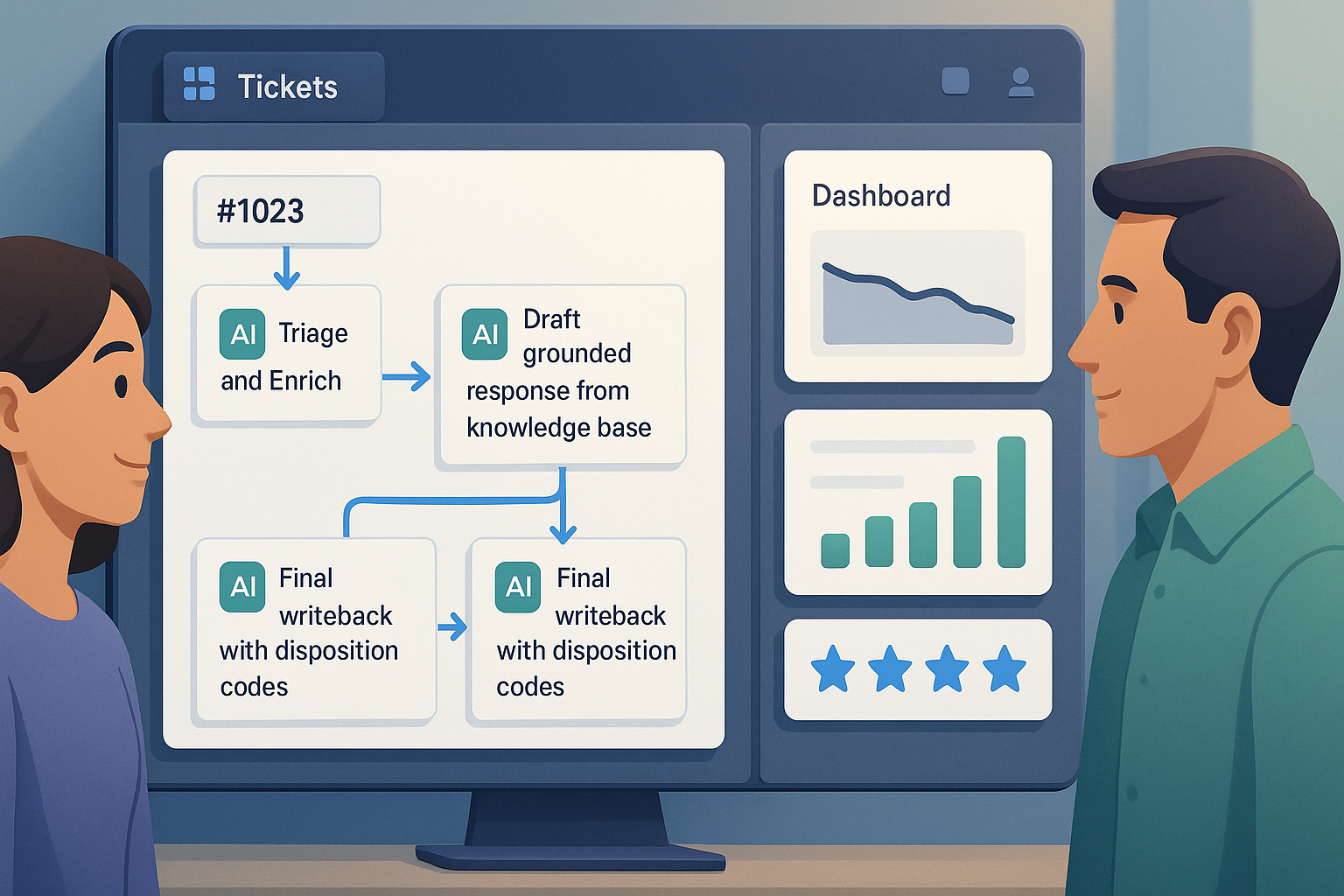
I start where data is clean and outcomes are measurable. Support queues are perfect. One agent triages and enriches tickets, another drafts grounded responses from the knowledge base, and a final agent writes back to the help desk with disposition codes. I track average handle time, deflection, and CSAT. If those move, I greenlight the next agent.
I track average handle time, deflection, and CSAT; if those move, I greenlight the next agent.
Signal 4: Enterprise automation is merging with agents
On February 8, 2026, UiPath said it is acquiring WorkFusion to deepen its agentic AI portfolio. That is a clear tell that the old wall between RPA and agents is dissolving. Big ops teams want agents that can reason, not just replay clicks, and they want them inside familiar governance.
Why this matters if you are small
When RPA giants shift, budgets and standards follow. I align to how ops leaders buy: audit trails, role-based access, red teaming, and clean rollback paths. If you freelance, be the person who can plug smart agents into existing automation estates without creating a security mess.
Signal 5: The dark side is learning fast
Also on February 8, 2026, The AI Journal warned about autonomous fraud risks rising with agentic systems. Agents follow instructions, including bad ones, and they guess when data is missing. That combo can hurt customers or your brand if you are not careful.
Simple guardrails I always turn on
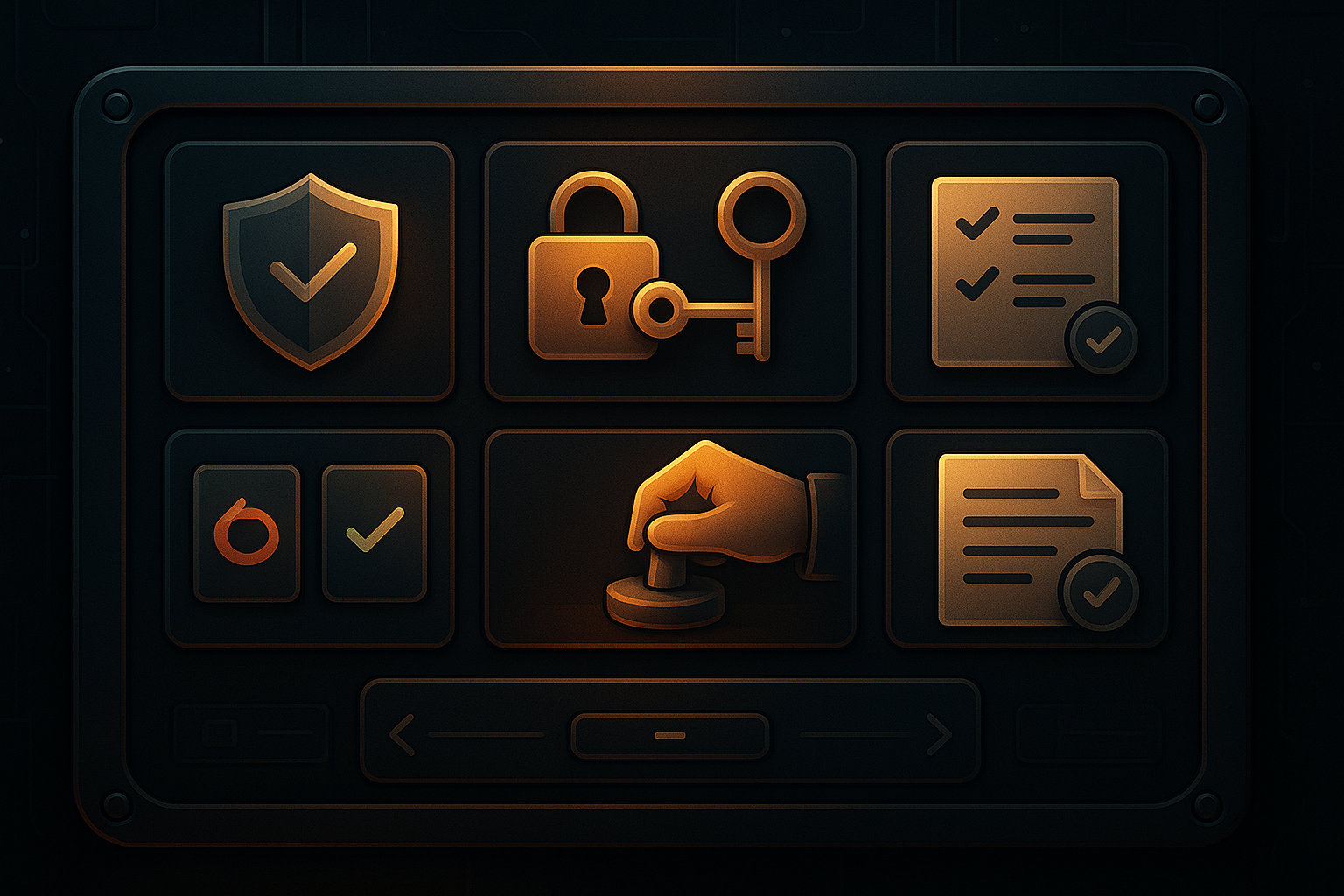
- Least privilege tools with strict read and write separation
- Human in the loop on any write or money movement
- Deterministic post-action checks that auto revert or escalate on fail
- Signed inputs only, with sender and message verification
Where I’d start if I were new today
Week 1: pick one outcome and design roles
Write one sentence with a clear finish line. Example: enrich every new lead with LinkedIn title and company size, then assign to the right SDR. Sketch three roles: a Finder pulls data, an Operator updates the system, a Checker verifies fields before saving. Ship that and ignore everything else.
Week 2: wire tools and readable logs
Connect only the APIs you need. Turn on verbose logging for every tool call with name, input, output, and why it was called. Do a daily skim of 10 random runs. It takes 15 minutes and prevents days of guessing.
Week 3: close the loop with feedback
Add a thumbs up or down for internal users, or a post resolution CSAT for customers. Feed that signal back into memory or routing. Memory without feedback is just a diary.
The mental model that keeps me sane
I treat agents like junior teammates. They need a job description, the right tools, and boundaries. They need reviews and coaching. When I start there, the ops stay stable. When I start with which model or which framework, I get a pretty demo that quietly breaks on day three.
Reading the room after February 8, 2026
Put it together and the map is crisp: skills are shifting to agentic engineering, business models are tilting to outcomes, enterprise stacks are pulling agents into governance, CX is showing the first real ROI, and fraud pressure is rising in the background. If you are just getting in, your edge is speed. Start tiny, wire it safely, measure one outcome, iterate.
What I’m doing this month
I am rebuilding one old automation into a three agent flow with proper logs and a human checkpoint on writes. I am shadowing my support queue for a week to spot a clean deflection win. Nothing fancy. Just small, measurable proofs I can stack.
Agentic AI FAQ
What is agentic AI in plain English?
It is a system of AI workers that can plan, use tools, and hand work off to each other to reach a goal. You give an objective, not a single prompt. Think smart interns with clear jobs and boundaries.
How do I start with agentic AI on a small budget?
Pick one outcome tied to revenue or support, wire only the tools you need, and log everything. Start with a human approving writes, then relax controls as your metrics stabilize.
Which metrics should I track first?
For CX, I start with average handle time, deflection rate, and CSAT. For sales ops, I use cycle time, enrichment coverage, and error rate. One outcome, three metrics, weekly reviews.
How do I keep agents safe and compliant?
Use least privilege access, strong input verification, deterministic post action checks, and human approvals on sensitive writes. Align to audit trails and role based access so security teams can say yes.
Do I need multiple agents or just one?
Start with one narrow agent that owns a clean outcome. If you hit complexity or bottlenecks, split roles into specialized agents with clear interfaces. Add scope only after you see stable wins.
If last year was about prompt art, this year feels like operations. And honestly, I am here for it.