

Agentic AI just had a moment most people slept on
Agentic AI moved in a big way on February 7, 2026, and I spent my morning coffee combing through what actually changed. If you’re new here, agentic AI is software that can plan, act, and adapt like a dependable intern that learns your workflow. I tracked five drops that matter for research visuals, life admin, ecommerce, security, and how you build agents that don’t break in production.
Quick answer: On Feb 7, 2026, Google’s PaperBanana automated research diagrams and plots, BBC spotlighted the boring-but-crucial life admin agent, TechRadar put unified commerce and agents at the center of ecommerce, MarkTechPost laid out a practical production blueprint, and Operant brought real-time agent security. If you start with one tiny, scoped workflow this weekend, you’ll feel the gains fast.
My tip: start with one tiny, scoped workflow this weekend and you’ll feel the gains fast.
Researchers can finally stop drawing boxes
Google AI’s PaperBanana makes publication visuals less painful
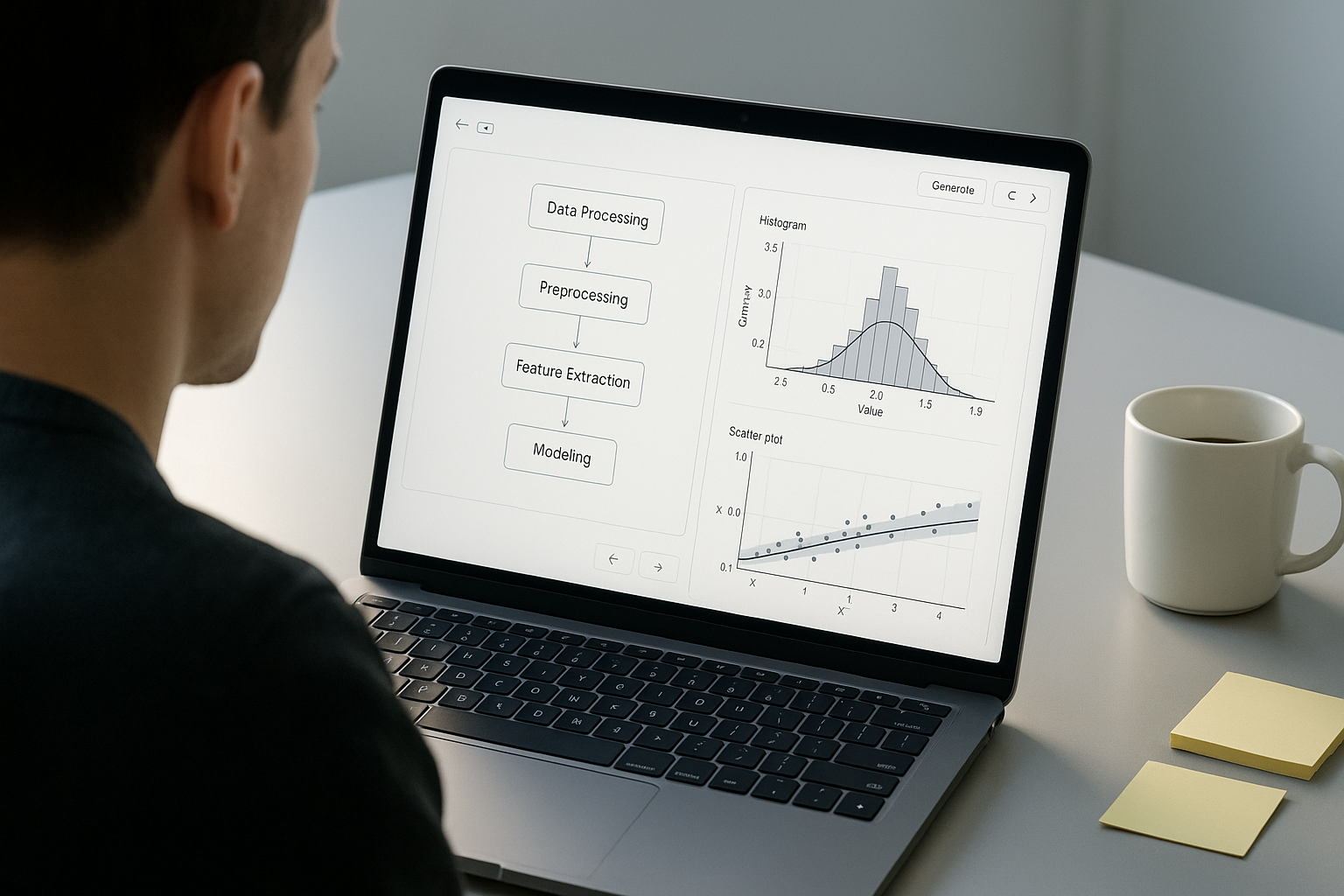
MarkTechPost reported on Feb 7, 2026 that Google AI launched PaperBanana, an agentic framework that auto-generates publication-ready methodology diagrams and statistical plots. I’ve pulled too many late nights nudging arrows in PowerPoint, so this hit a nerve. Describe your method and data, then iterate until the diagram reflects your mental model. For plots, I’ll force labeled units and confidence intervals so reviewers don’t have to guess.
The agent most people want is boring on purpose
Calls, bills, follow-ups, and calendar triage actually matter
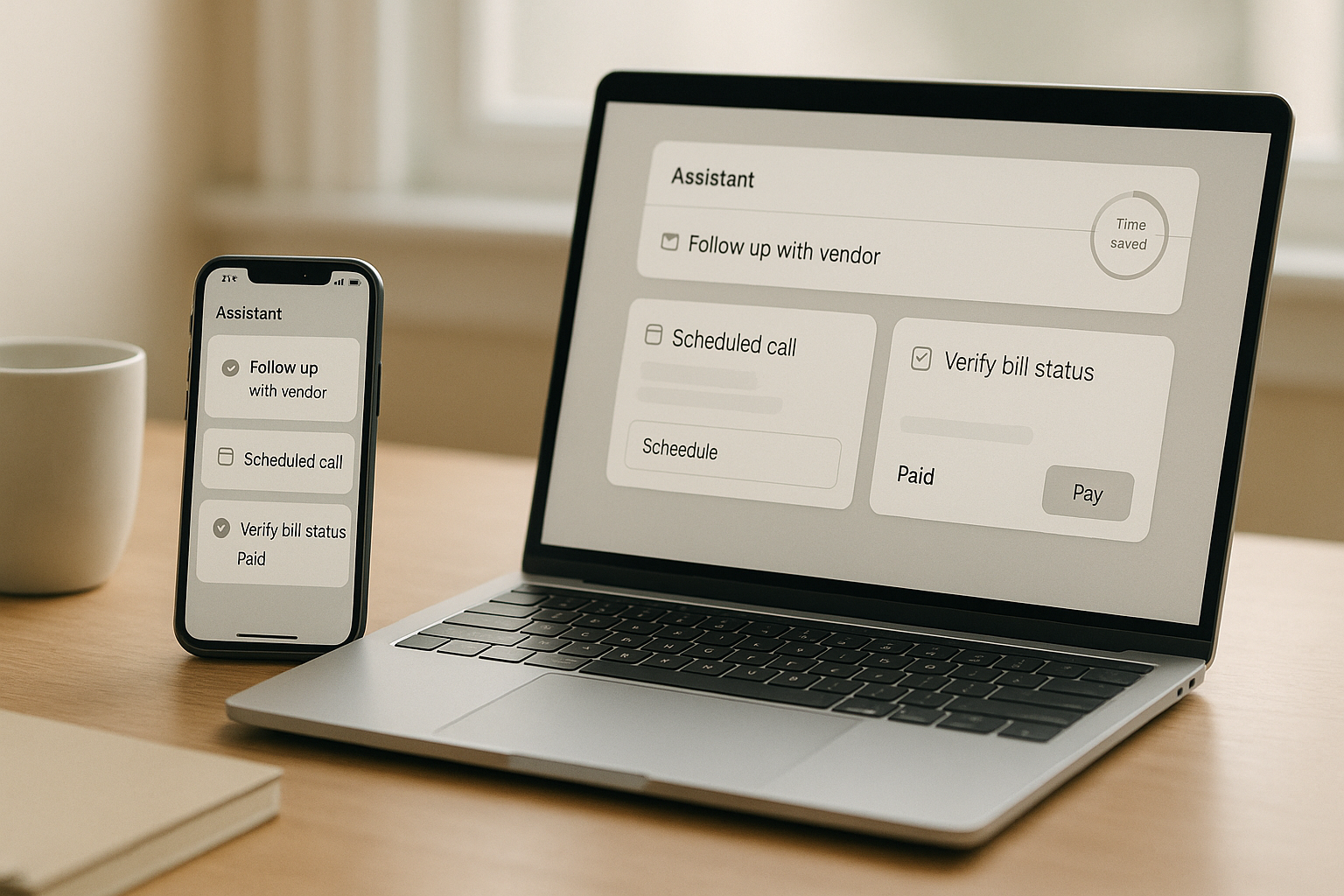
Also on Feb 7, 2026, BBC Science Focus asked the question I hear daily: is the AI that takes care of calls, bills, and life admin finally here? I’ve duct-taped these flows for years, and the answer is yes if you scope it ruthlessly. Pick one task with a clear finish line and let an agent own it end to end. For me, that was vendor follow-ups and calendar triage with a simple rubric and a single inbox. If it saves 30 minutes a week, you’re winning.
I pick one task with a clear finish line and let an agent own it end to end.
Shops that quietly run themselves
Agentic AI needs unified commerce or it just guesses
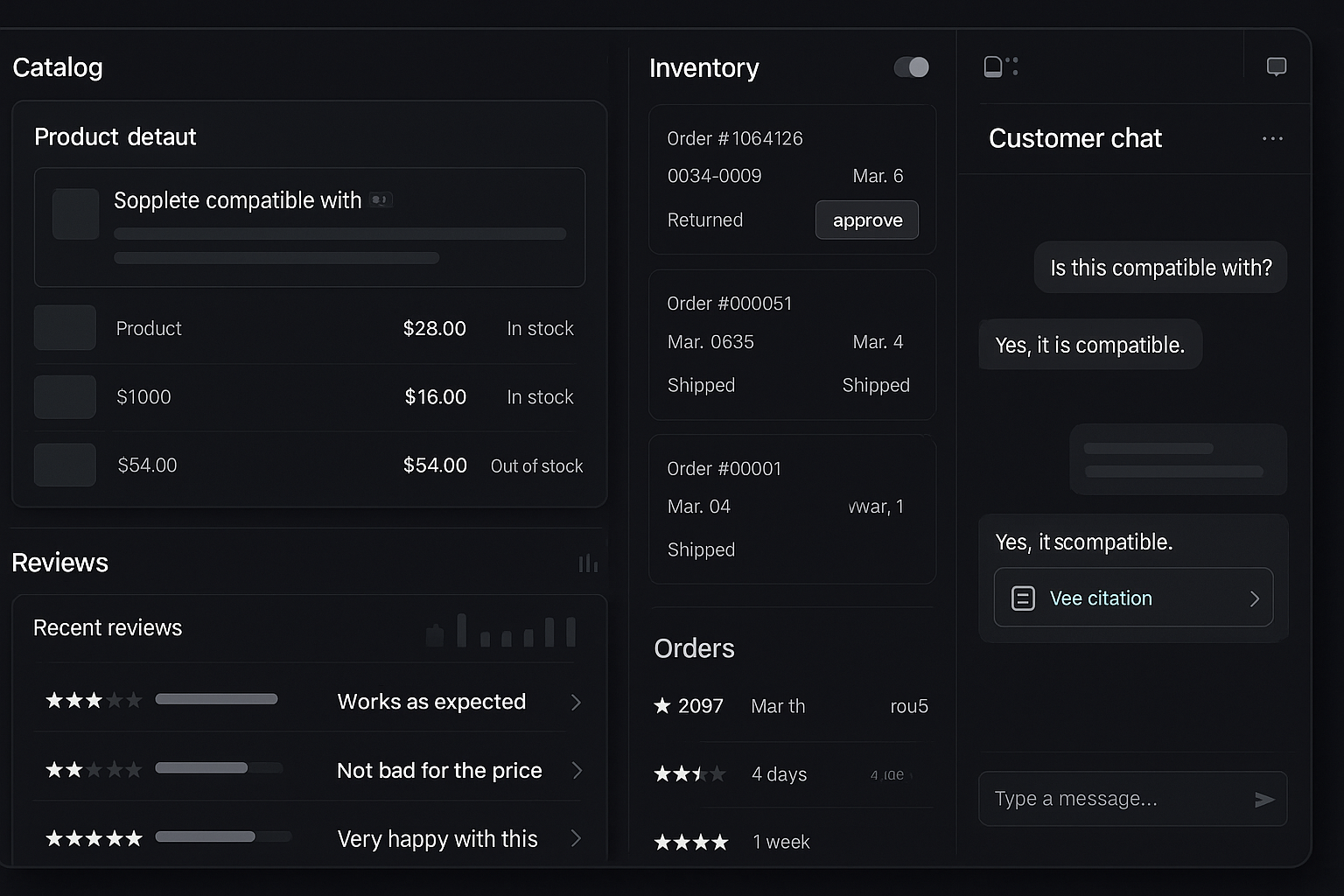
TechRadar argued on Feb 7, 2026 that agentic AI plus unified commerce will define ecommerce this year. Makes sense. When your catalog, inventory, customer chats, and orders live in one place, an agent can do real work: update descriptions as reviews trend, answer presale questions with current policy, and pause ads when stock dips. If I were launching today, I’d wire product Q&A with citations, returns that check order state before replying, and low-inventory alerts that throttle campaigns automatically.
If I were launching today, I’d wire product Q&A with citations, returns that check order state before replying, and low-inventory alerts that throttle campaigns automatically.
A production blueprint that survives reality
Four pieces I wish I had wired sooner
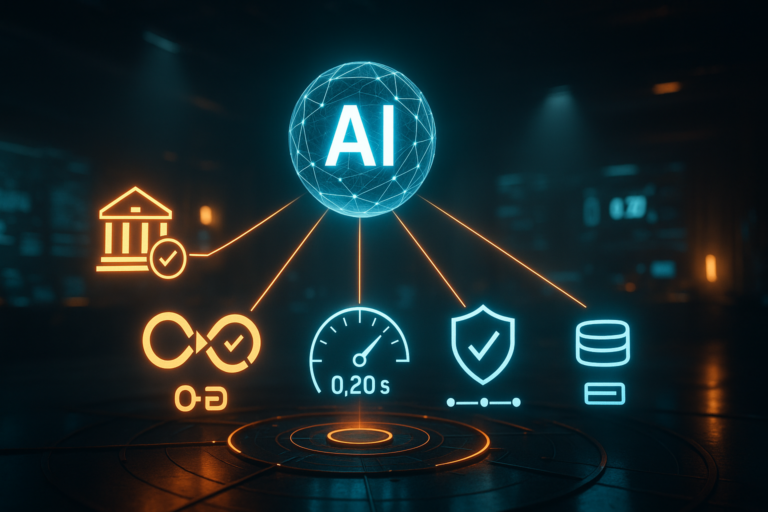
The most useful guide I read on Feb 7, 2026 laid out how to assemble production-grade agentic systems. When beginners chase model upgrades, it is usually the loop that’s broken. These four pieces change that:
- Hybrid retrieval so the agent finds literal and conceptual matches, not just one or the other.
- Provenance-first citations so every answer points to a source and hallucination anxiety drops fast.
- Repair loops that detect failed validations and auto-correct instead of silently shipping bad outputs.
- Episodic memory to carry context across steps without prompt-dumping the entire history.
My rule of thumb: store what you told the agent, store what it saw, and store what it tried. That single habit makes debugging and improvement three times faster.
My rule of thumb is to store what I told the agent, store what it saw, and store what it tried.
Agents that watch agents
Real-time security finally shows up
Operant AI’s Feb 7, 2026 launch put real-time, agentic security on the field. Once software plans and acts, the blast radius of a mistake grows, so you need a watchdog that notices odd API paths, scope creep, or data access that does not match the task, then intervenes. Even a lightweight version helps: log every action, enforce narrow scopes, and add a runtime gatekeeper that can halt unsafe workflows on the spot.
Where I’d start if you’re brand new
Pick a use case with a clear finish line. If you’re a student or researcher, try a mini PaperBanana replica: write a one-page method, generate a first-pass diagram, and iterate until text and visuals match. Running a side hustle? Build a unified view of product, policy, and chat, then let a small agent answer FAQs with exact citations. Drowning in chores? Automate one recurring call or bill with explicit confirmations.
Design for failure from day one. Retrieval that actually finds things, citations that prove truth, repair when outputs fall short, and memory that carries lessons forward. Even a scrappy version will feel sturdier than most demos you see.
I design for failure from day one: retrieval that actually finds things, citations that prove truth, repair when outputs fall short, and memory that carries lessons forward.
What I’m testing this week
First, I’m recreating an old research figure with an agent-led diagramming pass. Every arrow needs a labeled transformation and every plot needs units, no exceptions.
Second, I’m adding a returns workflow to a demo store that refuses to answer unless it checks the order state and cites the exact policy snippet. No policy, no answer.
Third, I’m wrapping my calendar assistant with a runtime guard that blocks more than one reschedule per recipient per 7 days. If it hits the wall, it pings me with a draft.
FAQ
What is agentic AI in plain English?
Agentic AI is software that can plan tasks, take actions, and adapt based on feedback, like a reliable intern that learns your workflow. It is less about chat and more about finishing loops without you micromanaging every step.
How do I start with agentic AI without getting overwhelmed?
Pick one repetitive task with a clear success state and let an agent own it end to end. Keep the scope narrow, store context so it does not ask twice, and add basic guardrails. Small, boring wins compound fast.
Do I need the latest model for production agents?
No. Most failures come from weak retrieval, missing citations, no validation, and no memory. If you wire hybrid retrieval, provenance, repair loops, and episodic memory, even mid-tier models do solid work.
How do I keep agentic AI safe in my workflow?
Log every action, restrict scopes, and add a runtime gate that can stop unsafe behavior. Treat it like an on-call security engineer that never sleeps, especially as you give agents more permissions.
What are quick wins for ecommerce with agentic AI?
Hook up product Q&A that cites live policies, returns that check order status before replying, and inventory-aware ad throttling. These three flows prevent guesswork and protect margins.
The bottom line
Feb 7, 2026 didn’t deliver a moonshot. It delivered pieces that make agentic AI practical: cleaner research visuals, a boring-but-crucial life admin agent, ecommerce that stops guessing, a production blueprint that self-corrects, and real-time security. Ship one tiny win this weekend and you’ll feel the difference by Monday.