
Real talk: agentic AI just leveled up
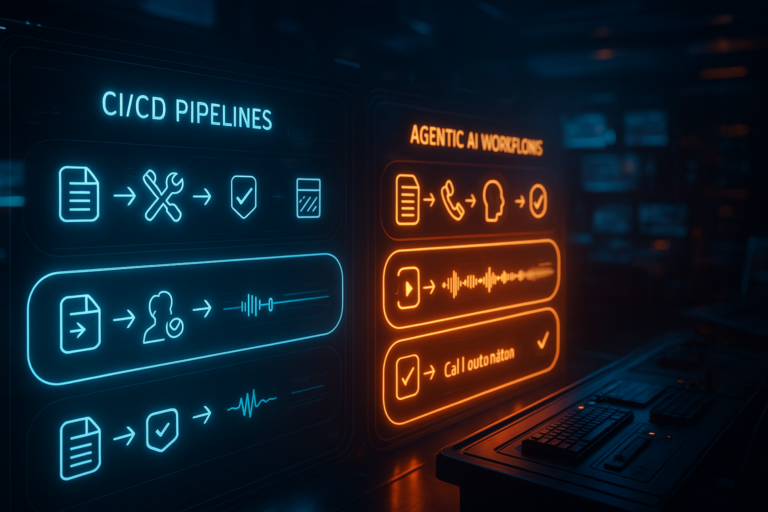
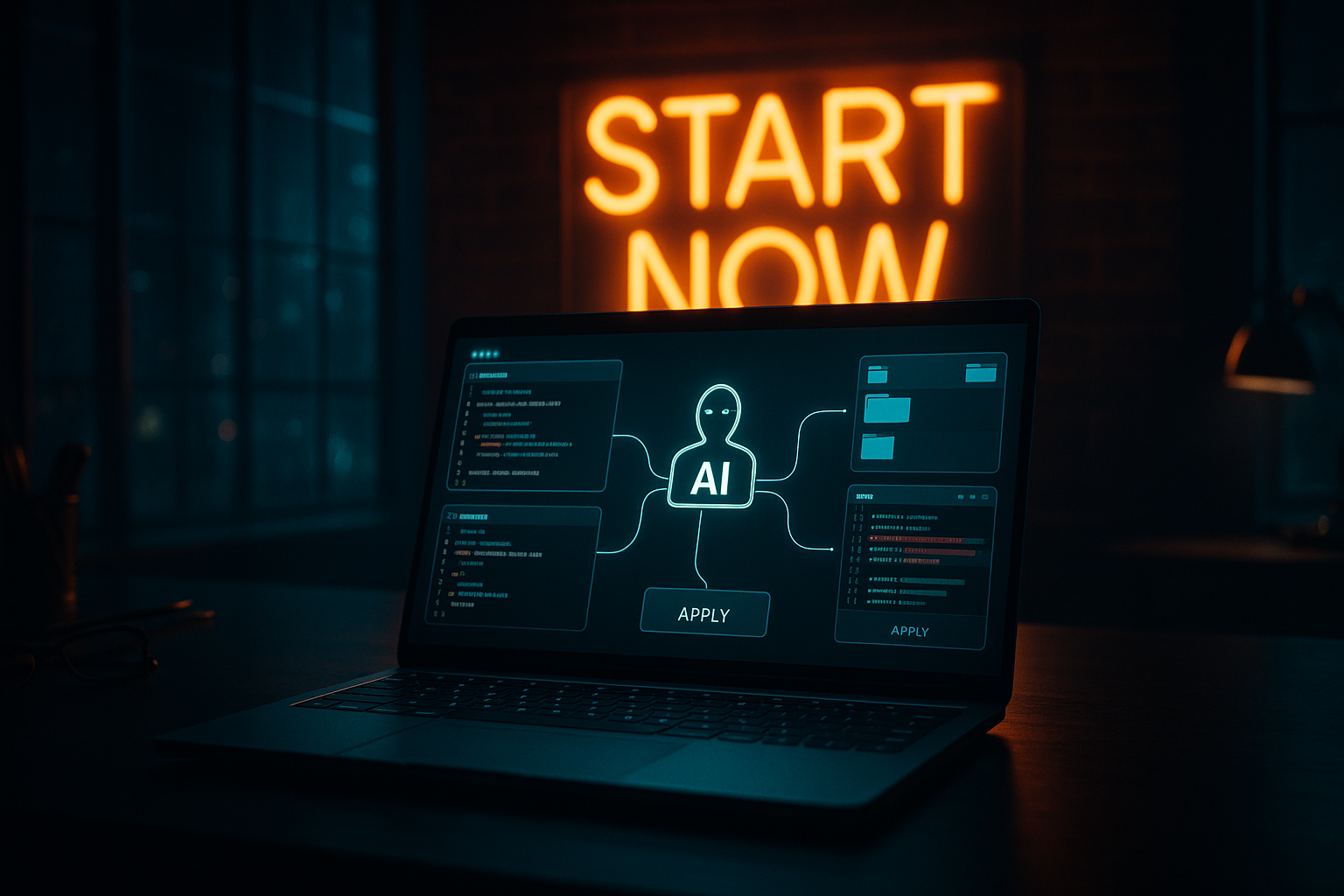
If you’ve been circling agentic AI and waiting for the right moment, this week basically put up a neon sign that says start now. On February 2, 2026, three headlines dropped that connected the dots for me on where this is all going and what beginners should actually do first.
OpenAI rolled out a new macOS app aimed at agentic coding. A big hedge fund’s agentic AI spin off went quiet. And an AI agent bouncing between names like Clawdbot, Moltbot, and OpenClaw took over feeds for reasons both exciting and a little scary. I spent the afternoon digging into the news, comparing it to my own automation habits, and mapping exactly what I’d do if I were starting fresh today.
I’m taking this as the week to start now.
The macOS app that finally makes agents feel native
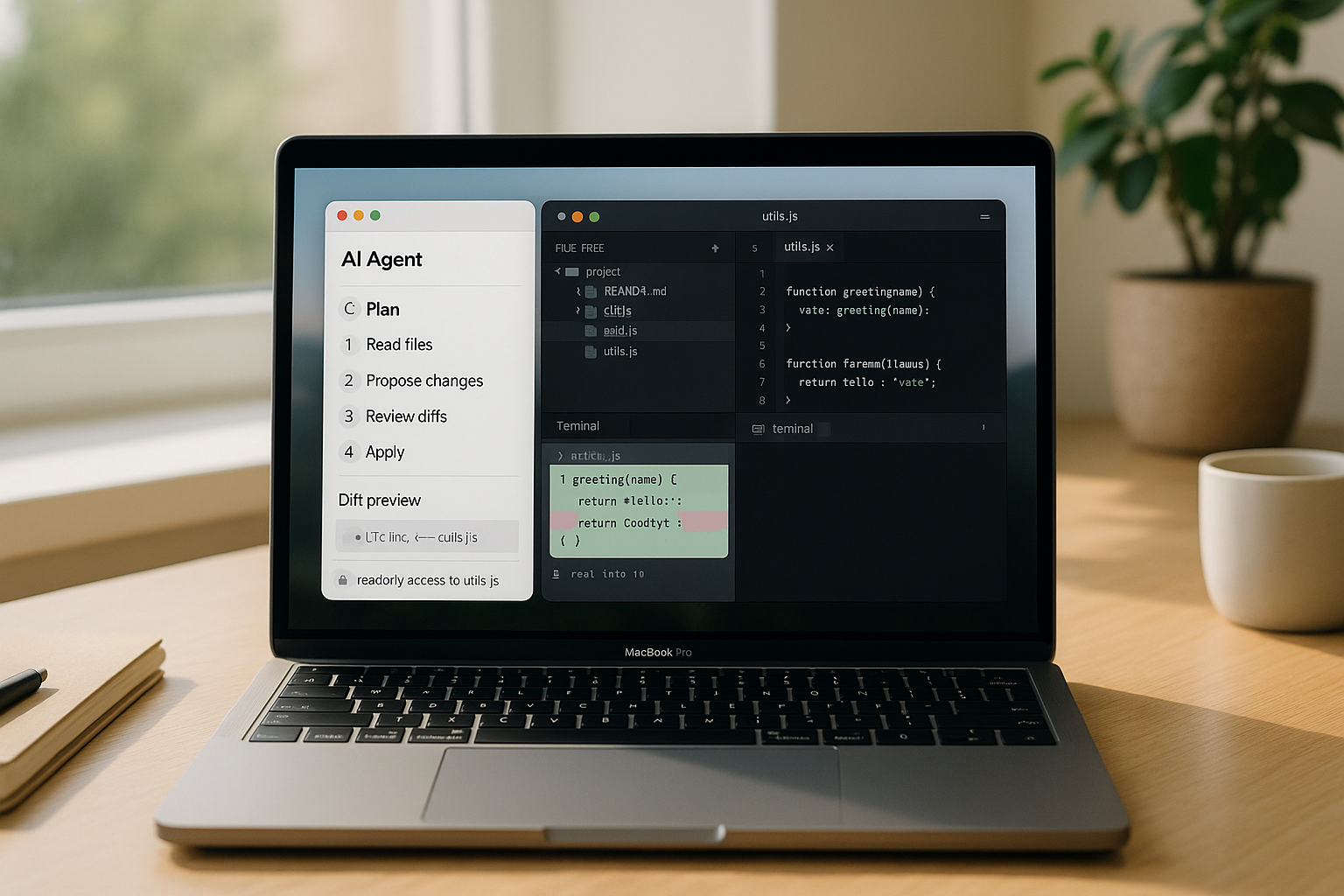
TechCrunch reported on February 2, 2026 that OpenAI shipped a macOS app focused on agentic coding. I’ve been waiting for this. The second AI agents stop feeling like just another browser tab and start living next to your editor, terminal, and files, they go from novelty to muscle memory.
I won’t pretend to know every feature before I’ve put real hours on it. But moves like this usually mean tighter loops between planning, reading files, proposing changes, and actually taking action inside a project. That’s where agentic AI shines for beginners too. The context becomes your code, your folder structure, your constraints, not just a chat transcript. If you’re on macOS, this could be the moment OpenAI makes agentic coding feel baked into your day instead of bolted on.
How I’d prep for it as a beginner
Give the agent a toy world to be useful in. A boring repo beats a blank canvas every time. I’d spin up a tiny folder with a readme, a couple of scripts, and one tedious task that’s begging for automation. Then I’d let the agent work inside that box.
- Create a tiny project with a clear goal, like a file tagging script or a simple API wrapper
- Add a readme with constraints, expected inputs, and a definition of done
- Pick one manual task you do multiple times a week and make that the agent’s first job
The win isn’t perfect code. It’s learning how to frame work for AI agents, inspect the plan, and tighten the loop. If a native macOS app cuts even a little friction, that learning curve flattens fast.
I focus less on perfect code and more on framing work, inspecting the plan, and tightening the loop.
A finance reality check you should copy
Also on February 2, 2026, eFinancialCareers noted that Brevan Howard’s agentic AI spin off appears to have gone quiet. I’m not inside that story and I’m not dunking on anyone’s strategy. But the lesson is useful: agentic AI isn’t a magic line that goes up just because you call something an agent.
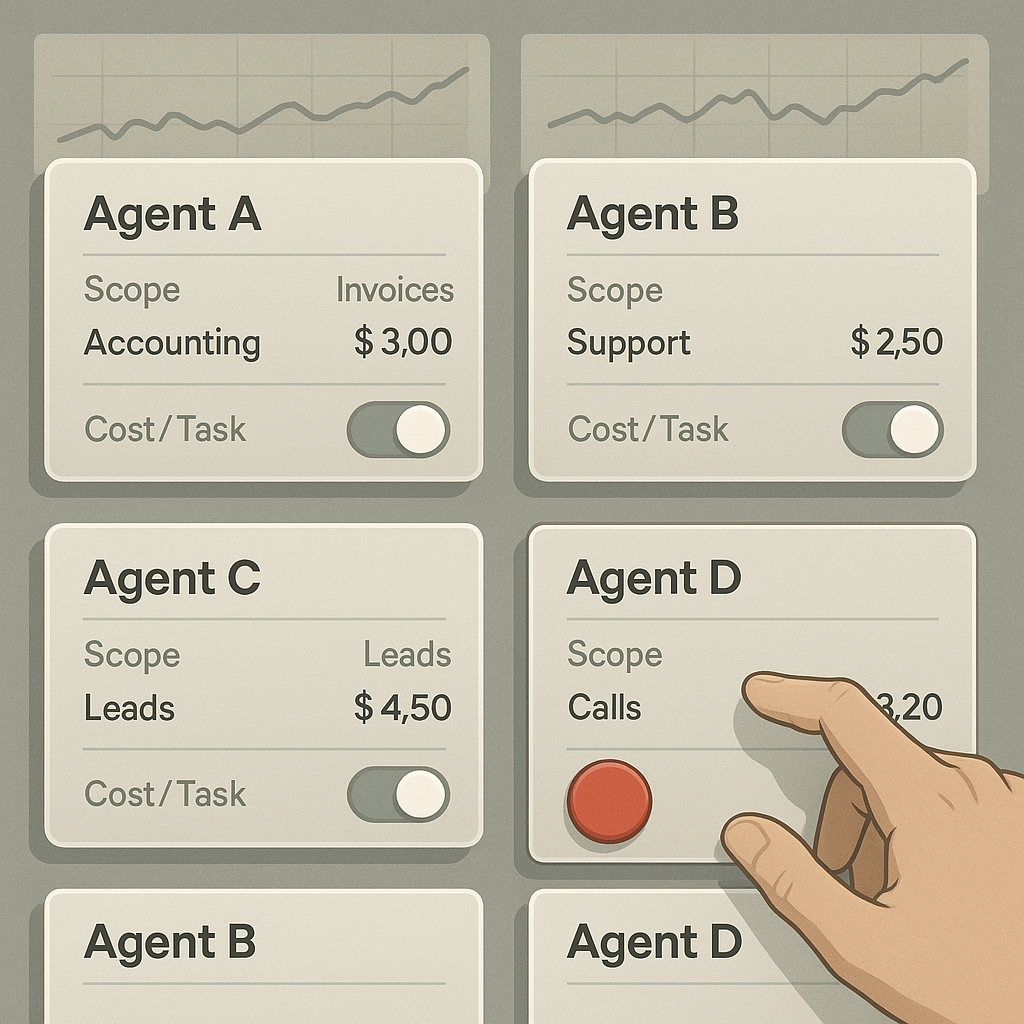
Here’s how I apply that lesson in my own projects. I treat each agent like a tiny business unit. It gets a scope, a measurable outcome, and a ruthless kill switch. If it can’t justify its existence in a week of light use, I freeze it and move on. That’s how you avoid getting blinded by flashy demos and ignoring the unglamorous parts like maintenance, auditing, and cost creep.
For beginners, this is your superpower. You’re not tied to legacy processes. Start small, make it measurable, and iterate without politics. Don’t build a general agent that promises everything. Build the dishwasher of your workflow. It cleans the same pile of plates every day and you’ll notice instantly if it stops.
First agents that have actually paid rent for me: turning meeting notes into tasks that follow a strict template, converting messy CSVs into a normalized table with guardrails, generating draft tests from changed files only, and templating cold emails with scoped variables. None of this trends on social. All of it compounds.
I give every agent a tight scope, a measurable outcome, and a ruthless kill switch, then freeze it if it can’t earn its keep in a week.
The agent with many names and one rule
CNBC covered an agent on February 2, 2026 that bounced across names like Clawdbot, Moltbot, and OpenClaw, along with the mix of buzz and fear around it. I’m not here for drama. The pattern is simpler. The wilder an agent’s claims, the more your job is to sandbox, verify, and assume you’re the product until proven otherwise.
When an agent goes viral, I ask two questions before I even install it. One, can I run it in a private, low permission space and still see value. Two, does it help me do something I already do, just faster or safer. If either answer is no, it stays in the lab until it matures.
I only test viral agents in low-permission sandboxes and I wait if they don’t help me do something I already do faster or safer.
Safety basics I use with any agent
- Start in a throwaway workspace with minimal permissions and fake data
- Log every action and review the plan before execution
- Pin tool access to the smallest possible surface area, then expand slowly
- Write a one page threat model: what can this agent read, write, or send
This feels tedious until it saves you. Most fear comes from surprises. Most surprises come from sloppy scope. Treat AI agents like new contractors. Give them a single key, not the whole building.
What I’d do this week if I were starting at zero
Pick one stack and anchor your agent to it
If you’re on macOS, keep an eye on the OpenAI app and be ready with a small repo for it to help in. If you’re cross platform or prefer open tooling, same playbook. Give the agent a stable project, not a blank chat. You’ll learn faster by iterating on one playground than by hopping between five tools.

Wrap one workflow with an agent loop
Choose a workflow you already do three times a week. Last month mine was cleaning incoming data files and pushing a summary to a dashboard. I wrote the steps, turned them into a checklist, then handed that checklist to an agent with strict guardrails. The first run was messy. By day three, I stopped dreading it.
Adopt lightweight evaluations from day one
I used to skip this and paid for it later. Now I keep a tiny eval file in the repo with three or four canonical cases. Every time the agent ships a change, I hit those cases and log pass or fail. It doesn’t need to be formal. It just needs to exist. That’s how you move from vibes to proof.
I keep a tiny eval file with a few canonical cases so I can move from vibes to proof every time the agent ships a change.
Keep a public-ish changelog for yourself
I drop a short note every time the agent does something useful or weird. Two weeks later, it reads like a growth chart. You’ll see exactly where value shows up and you can kill the fluff that isn’t compounding. If a hedge fund can lose the plot at scale, we can lose it in our own repos. Boring documentation is the antidote.
Join one community thread and ask one specific question
Don’t lurk forever. Post three sentences: your agent’s scope, one problem you hit, and one artifact like a plan or log. The best answers show up when you show your work. You’ll also absorb safe design norms faster by watching how other builders constrain tools and permissions.
Why these three headlines matter together
The OpenAI macOS move hints at agentic AI living in our daily flow, not just clever chats. The finance hiccup reminds me that sustainability comes from boring, measurable wins, not branding. And the buzzy multi name agent shows that attention comes with risk, so default to sandboxing and verification.
I’m excited because this combo finally feels practical. If you start now with a tiny project, a simple eval file, and a habit of reviewing agent plans before execution, you’ll be in a great spot as the tools catch up to your workflow. The people who win the next six months won’t have the flashiest demos. They’ll have AI agents that quietly pay rent every day.
If you build something small this week, tell me what you tried and where it got stuck. I’m happy to share my checklists and guardrails. When I’ve put real hours into the macOS app, I’ll circle back with what surprised me and what didn’t. For now, the play is simple. Pick one workflow, give an agent a safe box, and let the progress pile up where it counts.