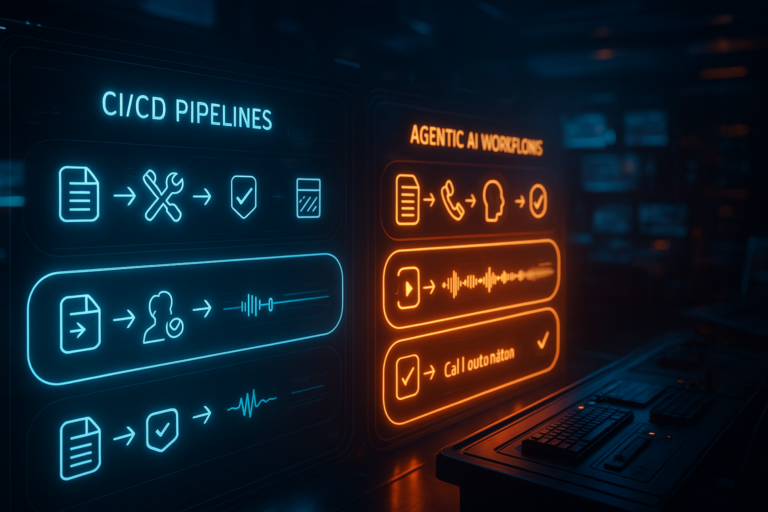

Agentic AI just crossed the line from demos to production, and I spent this week neck-deep so you don’t have to. I’m seeing real deployments, real guardrails, and real speed bumps you can avoid.
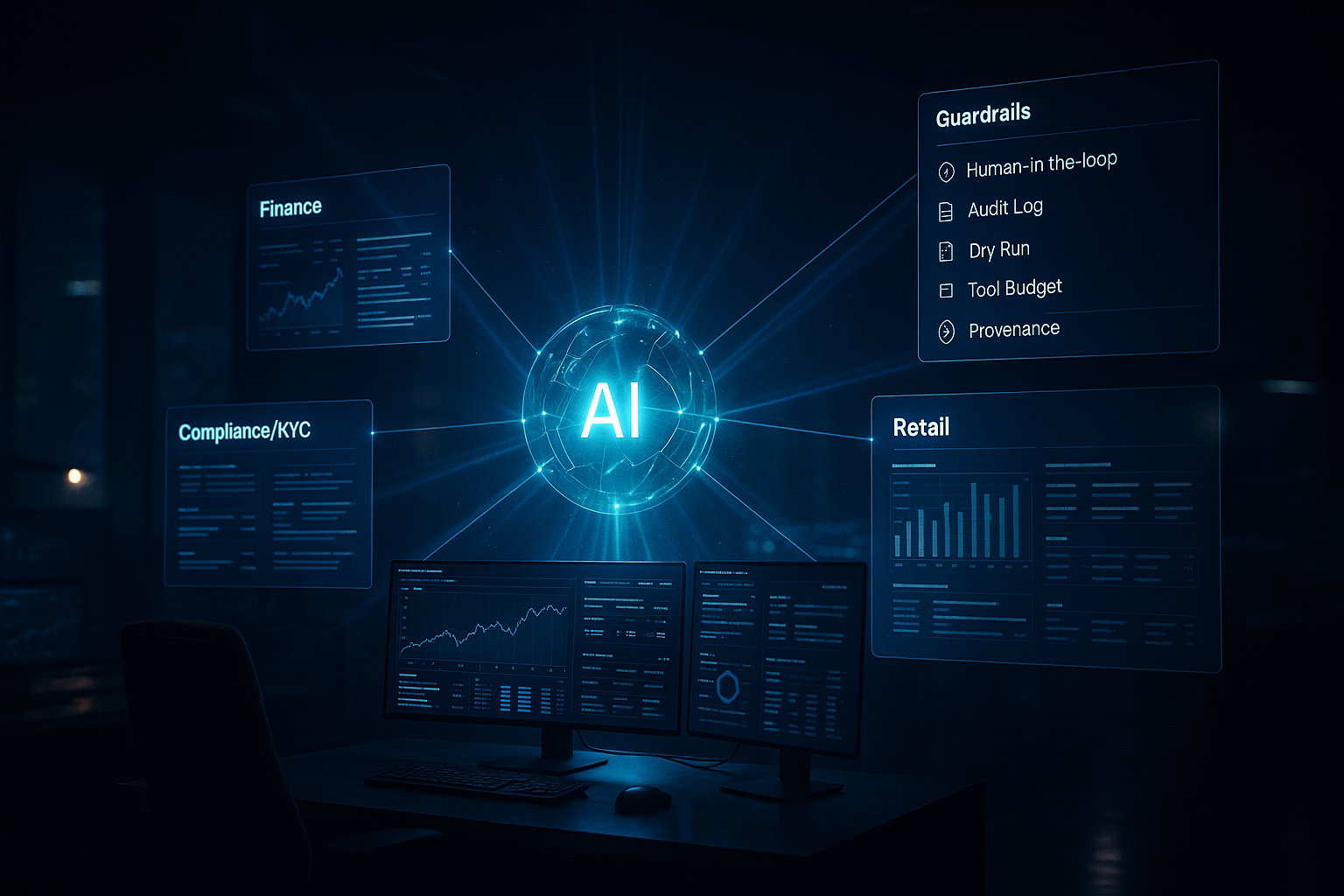
Quick answer: Agentic AI is already live across finance, compliance, retail, and ops as of Feb 6, 2026. Start with one low-risk workflow, wire strict audit logs, gate writes behind human review, and give the agent a tool budget. Copy patterns from accounting, KYC, and retail data hooks, then tune latency in retrieval and function calls so it feels instant.
I start with one low-risk workflow, wire strict audit logs, gate writes behind human review, and give the agent a tool budget.
Banks are letting AI agents touch the books
On Feb 6, 2026, PYMNTS reported Goldman Sachs letting AI agents do accounting and compliance work. That’s production in the most controlled corner of the house.
Why this matters
Finance teams run on controls and traceability. If agentic AI can operate there, your RevOps or marketing ops queue has zero excuses. These agents look like tight loops: fetch policy, reconcile a transaction, verify a vendor, cite the source, and log everything. The magic isn’t superhuman IQ. It’s the loop that can’t drift.
I design agents as tight loops that fetch policy, reconcile, verify, cite, and log so the loop can’t drift.
How I’d copy this in a small team
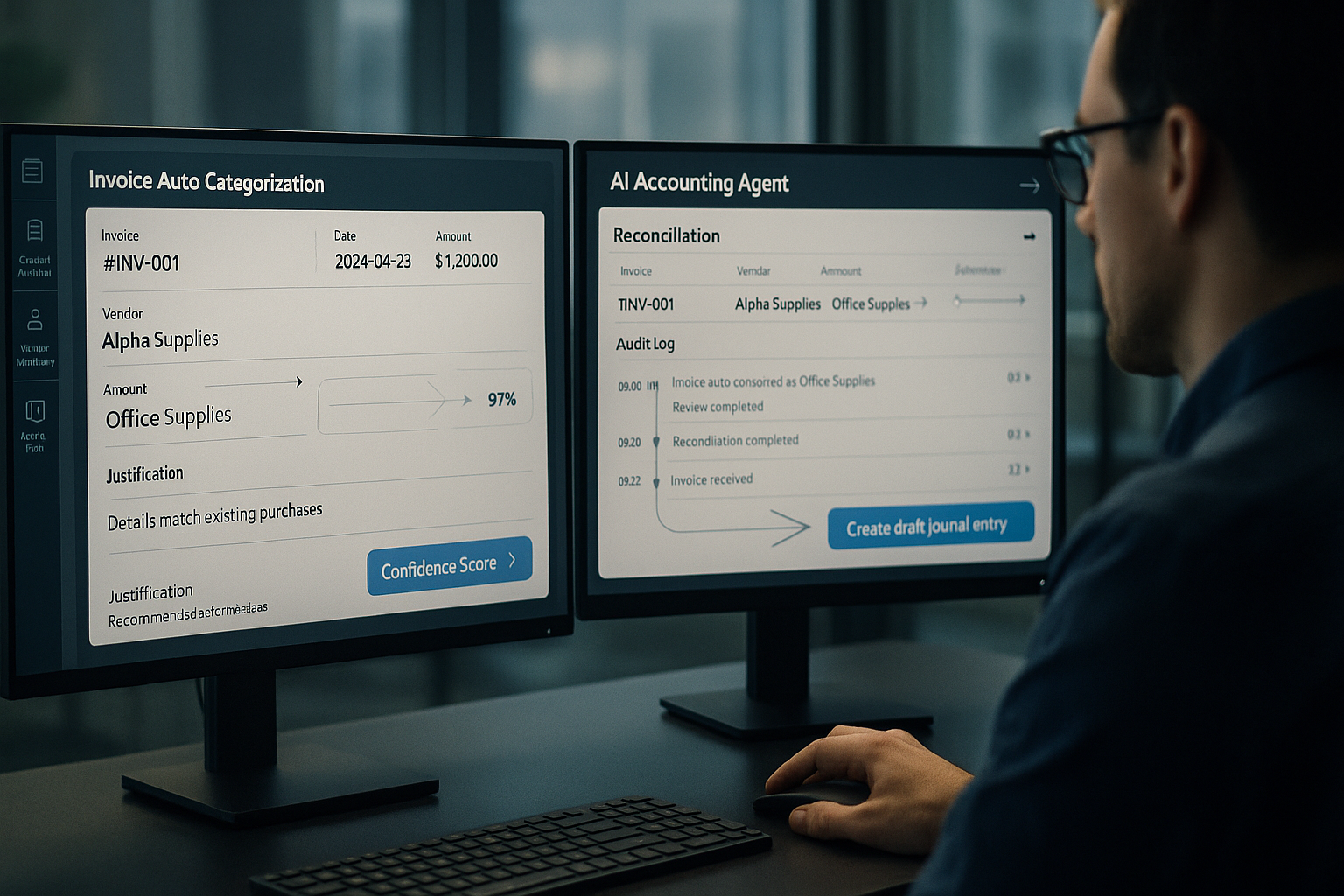
I’d pick one boring task no one wants: auto-categorize invoices and flag out-of-policy spend. Give the agent only three tools to start: chart of accounts, vendor directory, and a policy FAQ. Force a justification and confidence score on every action, and write an audit log your auditor would actually read. If it holds up for a week, grant one extra permission: create a draft journal entry for human sign-off.
Compliance gets its AI sidekick
Also on Feb 6, 2026, Computerworld covered UiPath acquiring WorkFusion to automate KYC. KYC is the perfect sandbox for agentic AI because it mixes structured steps, messy docs, and binary outcomes.
What clicked for me
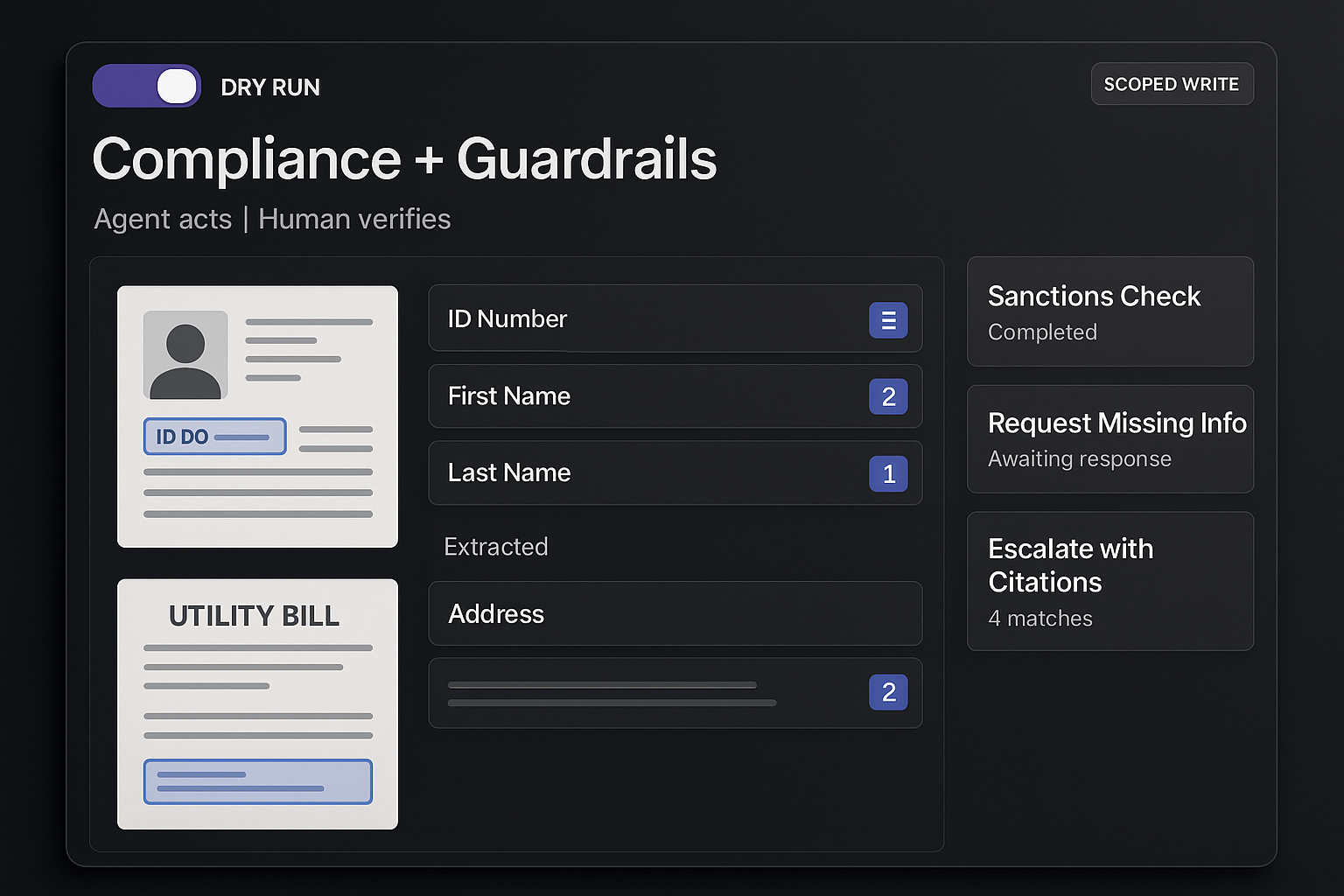
Agentic AI isn’t a clever component inside RPA. It’s the planner and the reviewer. Fetch IDs, extract fields, check sanctions, request missing info, assemble the case, and escalate with citations when it stalls. The loop is the product. Tools are just the muscles.
I treat the agent as the planner and the reviewer; the loop is the product and tools are just the muscles.
How to steal this pattern without breaking prod
Map your workflow like a graph, not a straight line. At each node, decide if the agent acts or a human verifies. Make those gates explicit. Add provenance to every single field the agent fills. If a regulator asks where a value came from, you should surface the exact page and snippet in two clicks.
The first government guardrails for agentic AI are here
On Feb 6, 2026, CDO Magazine reported Singapore’s governance framework for agentic AI. Early governance is a gift because it tells you what to log, when to require a human, and how to prove good behavior.
What I’m baking into every agent runtime
- Every action traceable to a user, a policy, and a source. No silent steps.
- Read-only by default, with scoped, time-boxed write access earned over time.
- Irreversible actions require a preflight plan and a dry run. If it can’t simulate, it can’t execute.
Retail just got its agentic moment
Also on Feb 6, 2026, Amazon’s CEO said retailers have the upper hand in agentic AI shopping. It clicked for me because the moat isn’t the model. It’s the data and the hooks into catalog, inventory, pricing, loyalty, and fulfillment. If you control those, you control the agent’s leverage.
I focus on the data and the hooks into catalog, inventory, pricing, loyalty, and fulfillment; control the hooks and you control the agent’s leverage.
What this looks like in practice
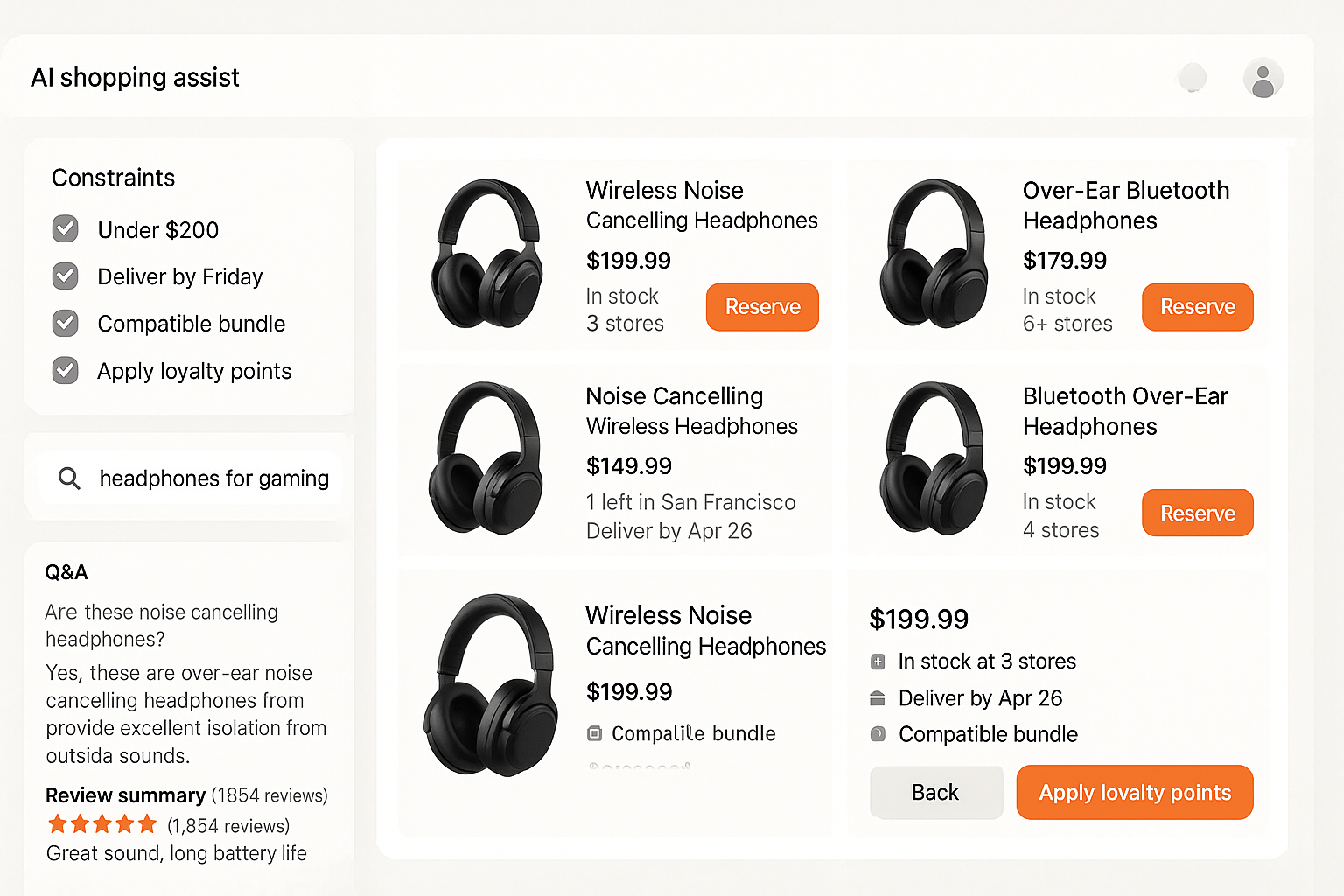
Think past chat on a storefront. An agent can plan a purchase against your constraints: price cap, delivery by Friday, bundles that actually fit together, and loyalty points you forgot. It can negotiate subs, reserve stock across locations, and track the order. None of that works if your catalog is a PDF and inventory refreshes once a day.
What I’d fix this weekend if I ran an online shop
Make the catalog queryable with structured attributes. Expose a minimal, secure API for stock and pricing. Normalize return policies. Add vector search for product Q&A and reviews. If an agent can’t find the source of truth in under 300 ms, it won’t feel magical.
The reality check: your infrastructure might not keep up
Also on Feb 6, 2026, Cisco warned about infra drag on agentic AI. This matches what I see. Models are fast enough. The bottlenecks are identity checks, retrieval hops, tool timeouts, and the glue code between microservices.
What’s actually slowing teams down
Latency death by a thousand services. Uncached retrieval. Agents that plan ten steps when three would do. Logs that impress in demos but fail in debugging. Stack a few of these and even simple actions feel sluggish, which kills trust fast.
How I make agent systems feel instant
Stream the plan and first token immediately. Co-locate your vector DB and function runtime. Cache non-sensitive results for 60 to 300 seconds. Give the agent a strict budget for tool calls and make it explain each one. Shave 200 ms from three places and users will feel it more than a giant model upgrade.
I stream the plan and first token immediately and enforce a strict tool-call budget; shaving 200 ms in three places usually beats a big model upgrade.
So what should you build first?
Pick a workflow where failure is cheap but success saves time. Two that teach the right lessons without risking money on day one: an internal procurement helper that drafts purchase justifications from policy and vendor data, and a returns agent that triages tickets, checks order state, and drafts outcomes with citations.
A simple weekend plan I’ve actually used
Day 1 morning: define a single goal and sketch the steps on paper. Afternoon: wire up two tools only, plus a small memory store for context. Night: build an audit log you can read like a story.
Day 2 morning: add guardrails and a dry run mode. Afternoon: test on five real examples and write down where it failed. Night: ship a closed beta to one friendly teammate and ask them to break it.
My takeaways from this week’s moves
When banks let agents into accounting on Feb 6, 2026, that was a trust signal. When UiPath bet on KYC the same day, that was a workflow signal. When Singapore published guardrails, that was a longevity signal. Retail’s data and connections are a moat. And Cisco’s infra warning reads like your to-do list.
If you’re new to agentic AI, stop reading papers and pick a boring, valuable task. Give the agent tools, a budget, and logs worth keeping. The first time it closes a loop without you, you’ll feel why this week was different.
What I’m building next
I’m prototyping a finance ops agent that reconciles vendor invoices against contracts, flags out-of-policy spend, and creates draft corrections with line-item citations. It will have a hard cap on tool calls, a readable audit log, and a bright red dry run switch. If it lands, I’ll add memory for vendor quirks and roll it into a weekly close checklist.
Agentic AI FAQ
What is agentic AI in plain English?
It’s an AI system you point at a goal with tools and permissions, so it can plan steps, take actions, check results, and try again. Think less chat, more closed-loop workflows with guardrails and audit trails.
Where is agentic AI already live?
As of Feb 6, 2026, it’s showing up in accounting and compliance, KYC onboarding, and retail shopping flows. Finance and compliance matter because they demand controls, citations, and logs that auditors can trust.
How do I deploy agentic AI safely?
Start read-only. Add explicit human gates for risky steps. Track provenance for every field and action. Keep a dry run mode until metrics and audits look good, then scope write access with time-boxed permissions.
What kills performance in agentic systems?
Network hops, cold retrieval, tool timeouts, and over-planning. Co-locate services, cache aggressively for short windows, stream outputs, and enforce a tool-call budget so the agent stays focused.
What’s a good first project?
Pick a low-stakes but repetitive task like returns triage or procurement justification drafts. You’ll learn planning, tooling, guardrails, and logging without touching high-risk systems on day one.