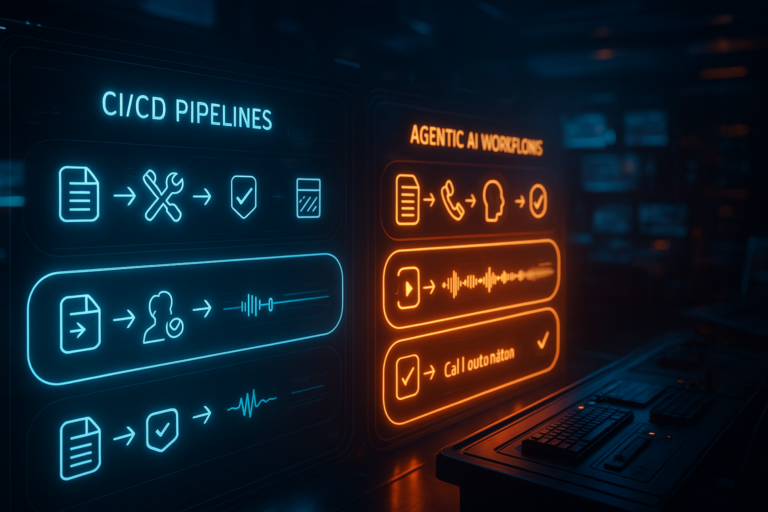


Agentic AI is moving fast, and I can feel it. On Feb 11, 2026 I dug through a wave of updates and the pattern finally snapped into focus.
Quick answer: If you’re new to agentic AI, start with meetings, mirror the steps in a spreadsheet, run actions close to your data at the edge, add two simple guardrails, and ship a tiny agent in under a week. Today’s updates across Cloudflare, Zoom, Google, Meridian, and Kyndryl show the stack, apps, and governance maturing at the same time so you can go from demo to done.
When I’m starting from zero, I begin with meetings, mirror the steps in a spreadsheet, run actions at the edge, add two simple guardrails, and ship a tiny agent in under a week.
The stack is shifting to the edge
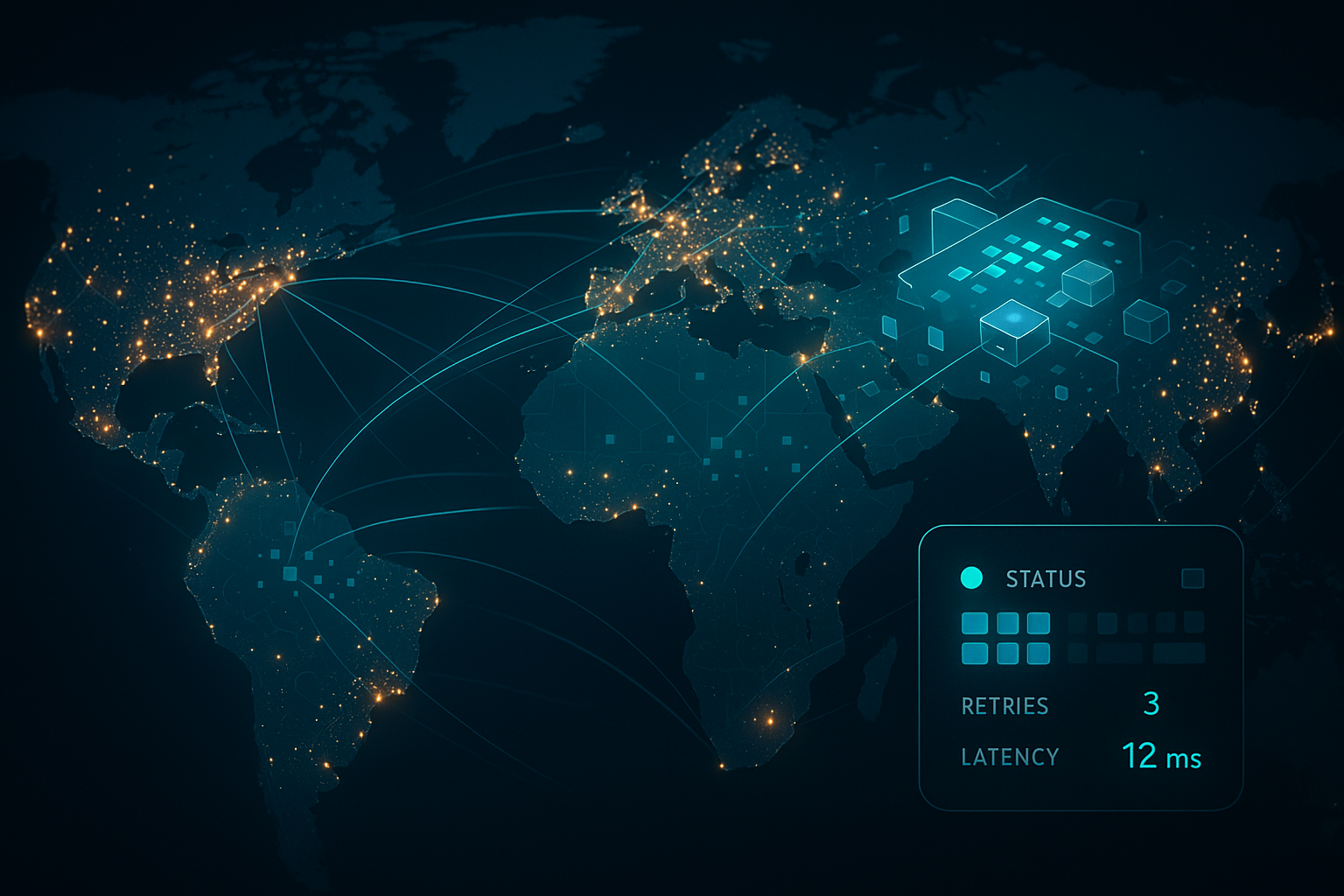
On Feb 11, 2026, Finimize highlighted that Cloudflare is shaping up as core agentic AI infrastructure. That framing matters. Agents do more than chat. They sense events, decide, and act across APIs. To stay reliable, they need low latency, high availability, and lots of tiny actions running near users and data. That’s edge land.
How I’m building for this
When I prototype agents, I start with a boring question: where should this run. If it hits SaaS APIs or public endpoints on a schedule, I lean on lightweight edge functions. It’s not flashy, but it avoids the trap of a great notebook demo that falls apart in production.
Meetings are turning into agents
Also on Feb 11, 2026, Zoom rolled out agentic AI features for focus and follow‑through. The win isn’t a prettier summary. It’s closing the loop. Capture decisions, create tasks, kick off follow‑ups, then check back in. That’s an agent, not a stenographer.
What worked for me
I took one recurring meeting that always spawns a dozen todos. I let Zoom draft actions and owners, then I only corrected the top misses. After two cycles the feedback loop kicked in. It felt like my first living agent.
I let Zoom draft actions and owners, then I only correct the top misses so the feedback loop kicks in faster.
Spreadsheets are waking up
TechCrunch reported on Feb 11, 2026 that Meridian raised 17 million to build an agentic spreadsheet. This hits home because real work hides in sheets. If an agent can read your columns as intent, watch for changes, then execute steps across tools, you get automation without feeling like you’re wiring a factory.
What I’m watching
Real spreadsheets are messy. The unlock is an agent that asks clarifying questions in context and remembers your answers as rules. If it needs perfect formatting, it will live in demos and die in the wild.
I expect mess, so I rely on an agent that asks clarifying questions in context and remembers my answers as rules.
Search is becoming a checkout lane
Retail Brew noted on Feb 11, 2026 that Google made Etsy and Wayfair items shoppable inside its agentic AI search. That’s not a tiny UI tweak. When discovery, comparison, and purchase sit in one flow, you can ask for options, weigh tradeoffs, and move to action in a single thread. It’s public proof that agentic AI is already negotiating constraints and acting.

A quick way to learn the pattern
Pick a small purchase you’ve been putting off. Ask an assistant to narrow to two choices using your words, explain the tradeoffs, and draft the checkout steps. Approve via a short checklist. That micro workflow mirrors agentic commerce at scale.
I learn fastest by asking an assistant to narrow to two choices, explain the tradeoffs, and draft the checkout steps, then I approve via a short checklist.
Guardrails are finally code
On Feb 11, 2026, Kyndryl announced a governance approach that translates company rules into executable workflows for mission critical agents. This is the grown‑up part. Once agents can act, risk shifts from what it said to what it did. A tiny set of enforceable rules around access, approvals, and logging keeps velocity without chaos.
My baseline guardrails
Before an agent touches a live system, I write three things: which actions it can take, when it must ask for confirmation, and what gets logged every time. You can get fancy later, but this prevents the most common faceplants.

How I’d start this week: a 5‑step plan
- Pick one tiny workflow with clear steps, like post‑call follow‑up and task creation.
- Use your meeting tool’s agentic AI to capture actions. Edit lightly so it learns your tone.
- Mirror the steps in a spreadsheet. Treat columns as instructions the agent can follow.
- Run actions at the edge with a lightweight function to hit your CRM or task app quickly.
- Add two guardrails: human approval for risky actions and a simple log. Test end to end, then turn it on for one real meeting.
I keep velocity without chaos by enforcing a tiny set of rules around access, approvals, and logging.
What this means for the rest of 2026
The Feb 11 updates line up. Infrastructure is getting agent friendly at the edge. Frontline apps like Zoom are quietly closing loops. Spreadsheets are evolving into orchestration without bloat. Search is collapsing idea to purchase. And governance is shipping as code, not slides.
If you’re just starting, your advantage is a clean slate. Make one small promise an agent can keep every time, build it where the work already lives, add a safeguard, then repeat. That’s how this becomes a habit instead of a headline.
Agentic AI FAQs
What is agentic AI in simple terms?
Agentic AI combines perception, reasoning, and action. Instead of only answering questions, it senses events, decides on next steps, and executes tasks across your tools while following rules you set.
Why does the edge matter for agents?
Agents make lots of small calls to APIs and services. Running close to users and data cuts latency and flakiness. That reliability compounds when workflows touch many endpoints in a short window.
Do I need a data pipeline to start?
No. Meetings are a great on‑ramp. Let an assistant capture actions, push them to the tools your team already uses, and tighten the loop from there. You can add data pipelines later if you need them.
How do I keep agentic AI safe at work?
Turn policy into code. Define allowed actions, when to ask for approval, and what must be logged. Start small, review the logs weekly, and expand permissions as trust grows.
Can spreadsheets really drive agents?
Yes. If your columns mirror the steps of a process, an agent can watch for changes and trigger actions. The key is handling ambiguity with clarifying questions and remembering your answers as reusable rules.
Final thoughts
I’m going to keep sharing what works as I wire these pieces together. If there’s a workflow you want me to break down, send it my way. The fun part of agentic AI isn’t the model. It’s watching the work move on its own while you focus on the parts only you can do.