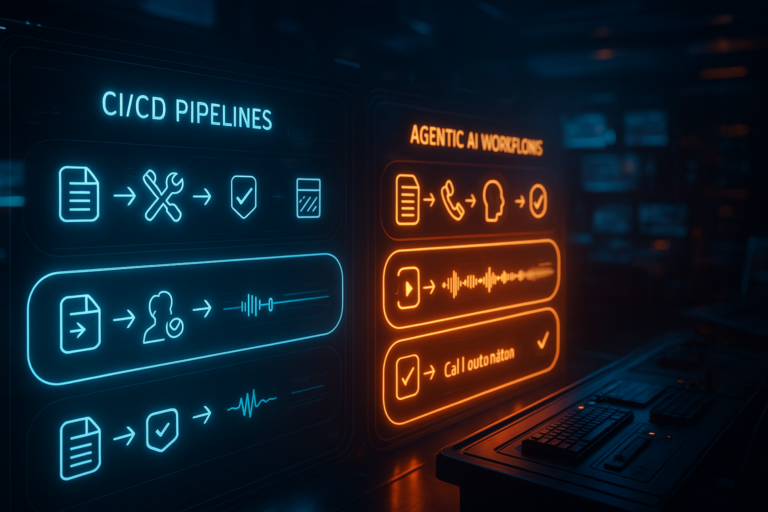


Agentic AI is about to get loud
Agentic AI is about to hit the mainstream, and I’m getting ready now. On February 8, 2026, Ad Age says AI.com is airing a Super Bowl ad to pitch agents to regular people. The day before, on February 7, PCMag reported the Crypto.com CEO bought AI.com for around 70 million dollars to power an agent service. That combo is a signal you don’t ignore.
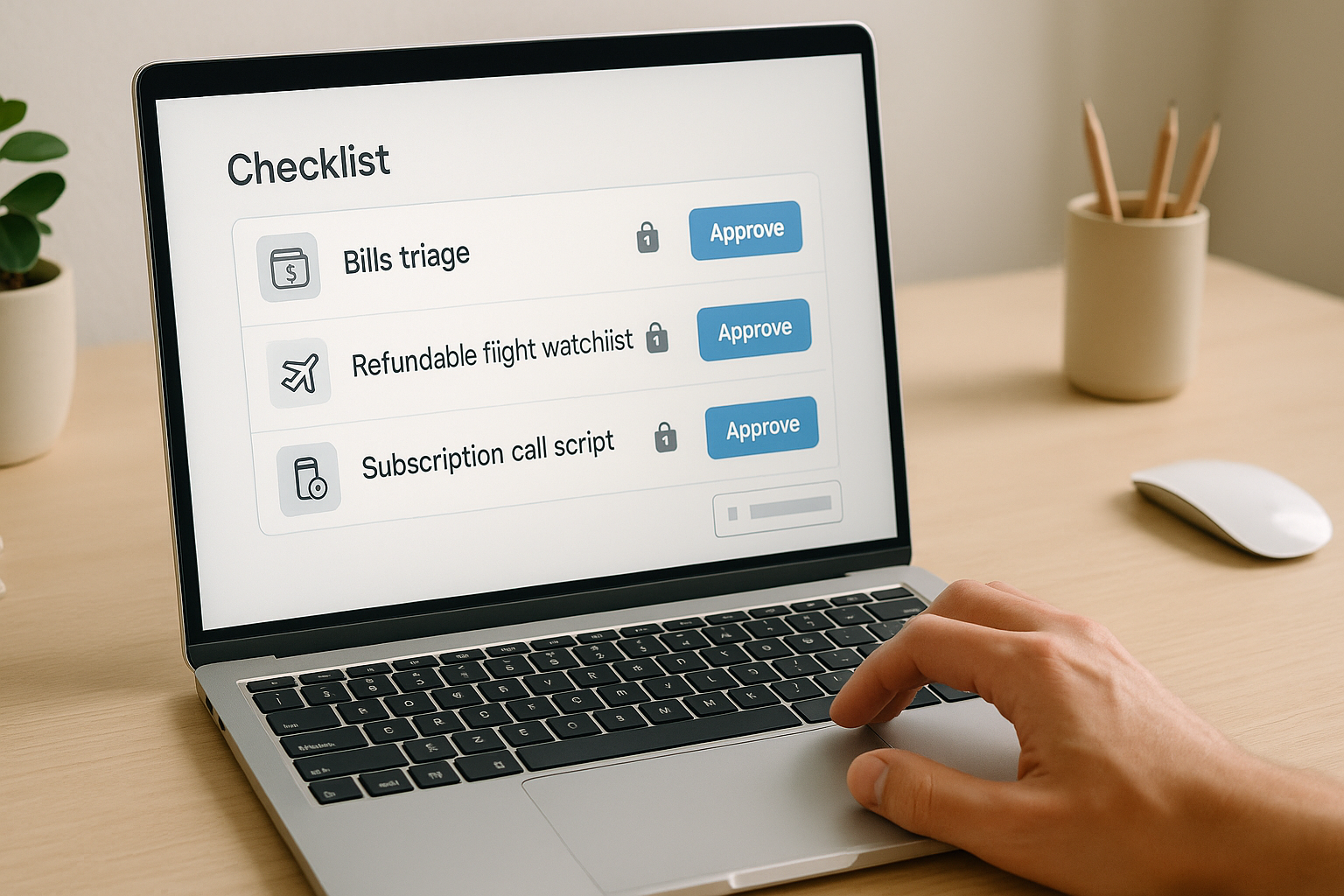
Quick answer: if you want a fast win, pick one recurring chore and write a tiny agent brief with clear boundaries. I scoped three jobs that already save me time: a bills label triage, a twice-weekly travel watchlist, and a refund check on recent orders. Keep approvals human, log everything in one note, and define what data the agent can touch before you start.
Why this moment matters
Brands don’t spend Super Bowl money unless everyday people can say yes in 30 seconds. A clean domain like AI.com lowers friction even more. I’m not expecting magic. I’m expecting a life-admin on-ramp that normal people understand instantly: cancel a subscription, reschedule an appointment, check a refund, or find refundable flights under a budget.
If that pitch lands on Sunday, a lot of first-timers will try agents. I don’t want to open an agent and stare at a blank box, so I wrote my jobs ahead of time. The difference between “huh, neat” and “wow, useful” is the brief.
I write my jobs ahead of time; the difference between huh, neat and wow, useful is the brief.
The life-admin on-ramp is real
On February 7, BBC Science Focus asked the question I’ve been waiting for: is the do-my-life-admin AI finally here? That’s the right frame. Not poetry. Not novelty. Phone-tree killers and inbox cleaners. Structured, repetitive, measurable chores are where agentic loops shine.
What worked for me was being ruthless about scope. One email label. One vendor portal. One time window. I let the agent draft and compare options, but I kept final purchases and any bank connections under my approval. That line saved me from stress and surprises.
Try this if you’re new
Pick one recurring pain and give your agent a tiny sandbox:
- Scan a “bills” label and draft a pay-or-snooze plan for the week with links back to each bill.
- Find three refundable flight options under a cap and save them with fare rules in a single note.
- Draft a call script to cancel a subscription, then return a short transcript after the attempt.
You’re still the human in the loop. You’re just not the human doing every loop.
I stay the human in the loop; I just let the agent run the loops.
Builders: PaperBanana points to verified agents
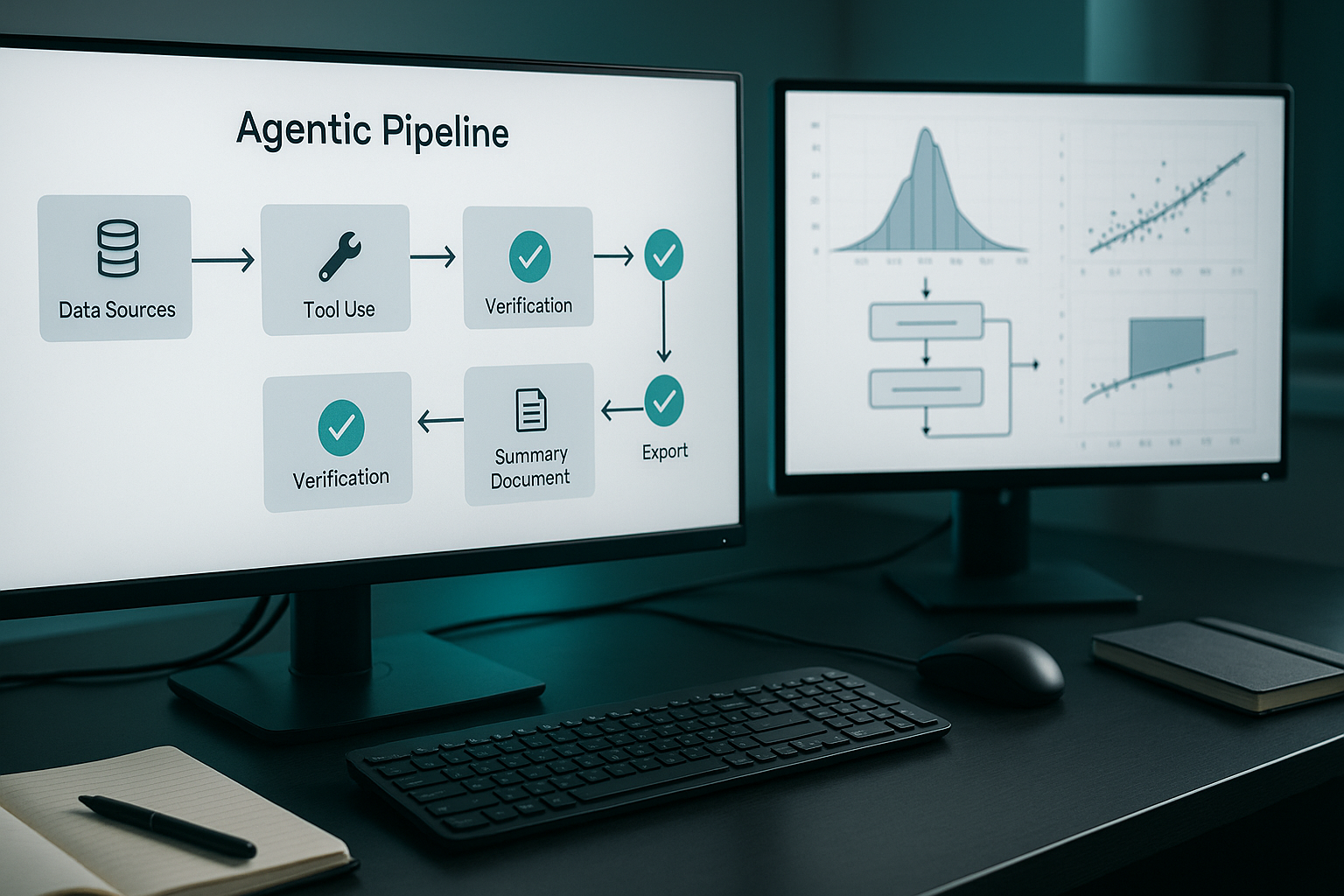
On February 7, Google AI introduced PaperBanana, an agentic framework that auto-generates publication-ready methodology diagrams and statistical plots. It sounds niche, but it signals where we’re heading: from “make a chart” to “navigate my data, produce the figure, and write the caption I’d submit to a reviewer.” The jump is task breakdown, tool use, and verification inside the loop.
If you want to build, start with a domain where you can define a gold standard and a checklist. For me, that’s a weekly analytics snapshot: fetch data, run two sanity checks, create a consistent chart, write a short summary, and export to a shared doc. Same pattern, different niche.
What surprised me this week
The biggest wins were boring. Agents doing the same small job the same way every time beat clever tricks. Templates, folder hygiene, and filenames saved me more time than any model tweak. Consistency compounds when the output touches real decisions.
I win by doing the same small job the same way every time; templates and folder hygiene beat clever tricks.
Ecommerce is next
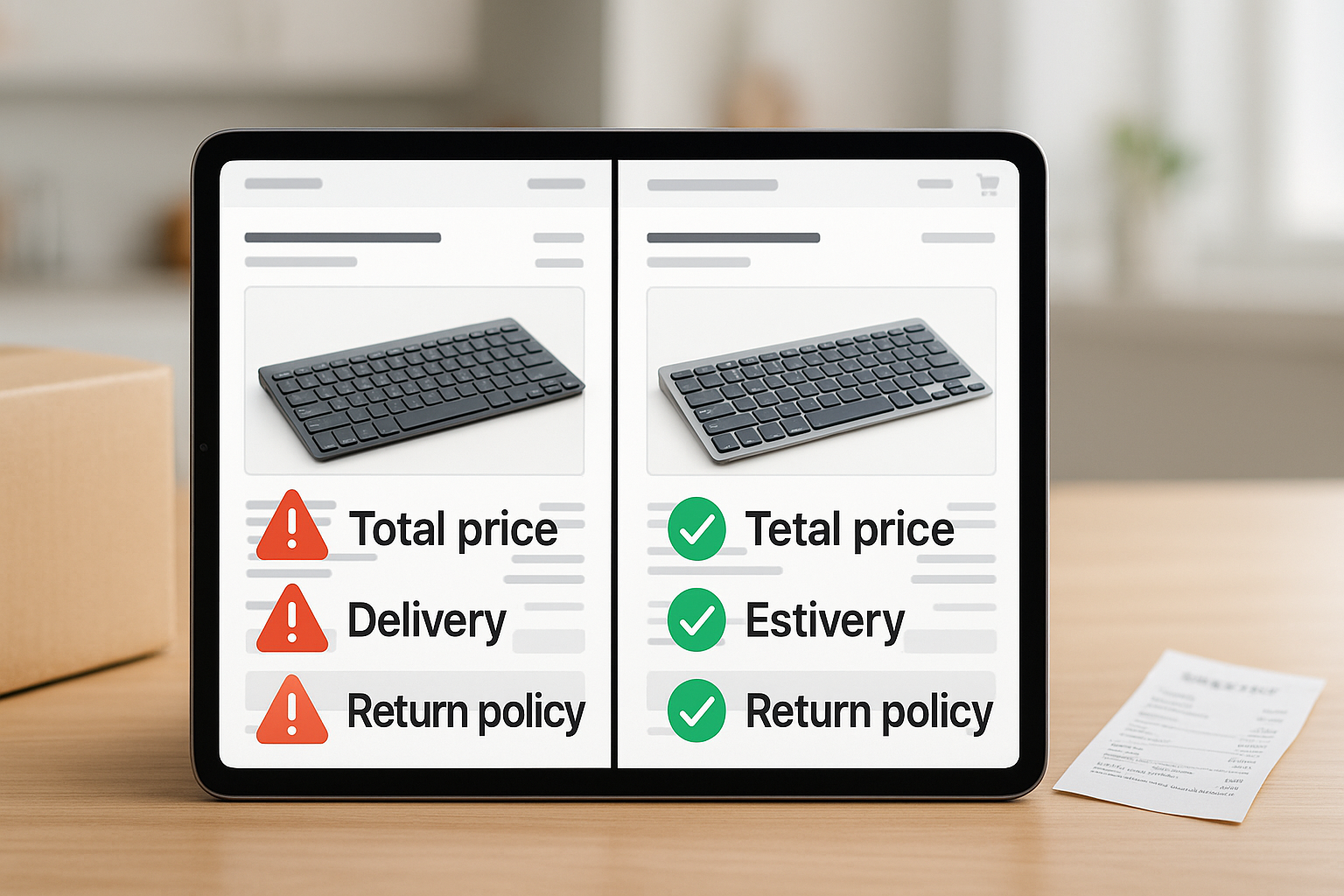
On February 7, TechRadar called it: unified commerce plus agentic AI will reshape shopping in 2026. As a shopper, I want an agent to compare total price, delivery date, and return rules before I click anything. As a seller, that visibility is a stress test. Messy product data, vague policies, and maze-like support flows get exposed in seconds.
I’ve started auditing stores I help with by asking a test agent to shop them head-to-head with a competitor. Where the agent gets confused, a human will too. Clean schema, clear variants, explicit return windows, and one source of truth for stock and shipping are not nice-to-haves anymore.
I audit stores by having a test agent shop them head-to-head; where it gets confused, a human will too.
My one-week prep before the Super Bowl ad
I wanted something I could live with, not demo. I picked a single inbox label for bills and wrote a two-step brief: pull totals and due dates, then draft a pay-or-snooze plan for me to approve. I set a travel watchlist with exact routes, fare caps, and flexibility rules, and had the agent refresh it twice a week into the same note. I added a tiny reporting loop that queries last week’s sales, verifies totals with a second query, produces one clean chart, and writes a five-line summary.
I also wrote a hard approval rule: no payments or bookings without an explicit yes from me. The agent must paste the summary and links first. I documented logins and tools in a private note with clear boundaries on what data it can and cannot touch. I did dry runs and fixed the dumb stuff like filenames, folders, and notification format. Boring saved me.
I document logins, tools, and boundaries, and I do dry runs to fix filenames, folders, and notifications; boring saved me.
What I’m watching after Sunday
If the AI.com spot sticks, expect a surge of first-time users who want quick wins and buttons that say do it for me across email, travel, shopping, and subscriptions. Pricing will get interesting. The 70 million dollar domain move tells me distribution will be a moat, so the best offers may bundle convenience over raw model power.
Reality checks I keep handy
Agents are excellent at structured chores and rough at human nuance. Don’t hand them your relationships. Give them your repetitions. I cap spend, log every automated action in one note, and keep a manual fallback for when an integration slips. Guardrails are not optional. They are confidence.
FAQs
What is agentic AI in simple terms?
Agentic AI is a system that can plan, take actions with tools, and report back, not just chat. Think checklist-driven loops that run the same way every time, with you approving the important parts.
Do I need to connect my bank or email to use an agent?
No. Start small. Let the agent draft options and summaries before you connect anything sensitive. I only approve payments or bookings after I review links and a short summary.
How do I avoid bad outputs or mistakes?
Write tighter briefs and smaller scopes. Define success criteria, set spending caps, and log every action in one place. Consistency and verification beat clever prompts.
Where should builders focus first?
Pick a vertical with clear checklists and a gold standard output. Research reporting, analytics snapshots, finance ops, and compliance are great starts because they reward verification and receipts.
The bottom line
This week is a line in the sand. On February 7 we saw a 70 million dollar domain move and a research-grade framework drop. On February 8 a Super Bowl ad will invite the rest of the world in. You don’t have to be first. Be ready with one or two chores you’ll happily outsource. My agents are already on the clock.