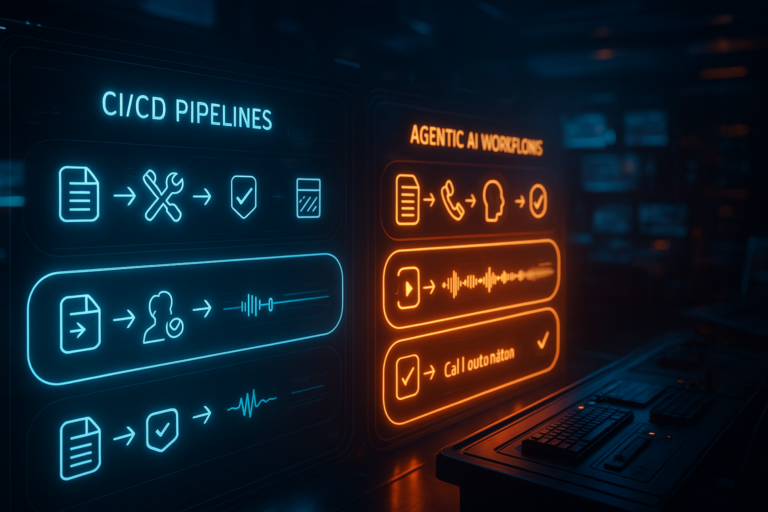

I spent my morning digging through today’s agentic AI news so you don’t have to. If you’ve been waiting for the moment agents stop being demos and start doing real work, this might be it. On January 28, 2026, a wave of drops landed within hours, and they all point to the same shift: AI that doesn’t just chat, it acts.
AI that doesn’t just chat, it acts.
Below is my personal shortlist. I’ll share why each update matters, how I’d use it this week as a beginner, and the guardrails I’d put in place before letting any agent touch real data.

1) The mainstream signal: OpenAI, Google, and Moonshot go all-in on agentic systems
eWeek reported that OpenAI, Google, and Moonshot each unveiled new agentic systems on January 28. Three heavyweights, same direction, same day. That’s not hype. That’s a roadmap.
The practical shift: agents focused on outcomes, not answers. Think workflows that span calendars, docs, APIs, and tools without you clicking every button. That’s what true agentic AI looks like when it moves beyond chat.
Think workflows that span calendars, docs, APIs, and tools without you clicking every button.
What I’m watching
Big players usually bring two gifts: better tooling and tighter guardrails. Expect simpler connectors for the apps you already live in and safer defaults so your agent doesn’t go off script. For beginners, that combo is perfect.
2) Your browser just became an agent: Chrome tightens Gemini integration
TechCrunch covered deeper Chrome Gemini integration and agentic features rolling out as of January 28. Translation: the browser is becoming the default runtime for browser agents. That makes tasks like scraping, form filling, summarizing, cross-tab reasoning, and light research run while you keep working.
Translation: the browser is becoming the default runtime for browser agents.
I love this because it meets you where you already are and the browser is a natural sandbox. Permissions, site scopes, visible actions. You can learn how agents behave without building a giant stack first.
How I’d use it this week
I’d delegate one small daily task to Gemini inside Chrome. For example: find current pricing pages for three tools, paste the numbers into a Google Sheet, and highlight discounts. Keep the scope tight. Review logs. Check outputs. You’ll quickly see where Chrome Gemini integration shines and where a human still needs to approve.

3) Self-healing apps are real now: Dynatrace shows autonomous fixes
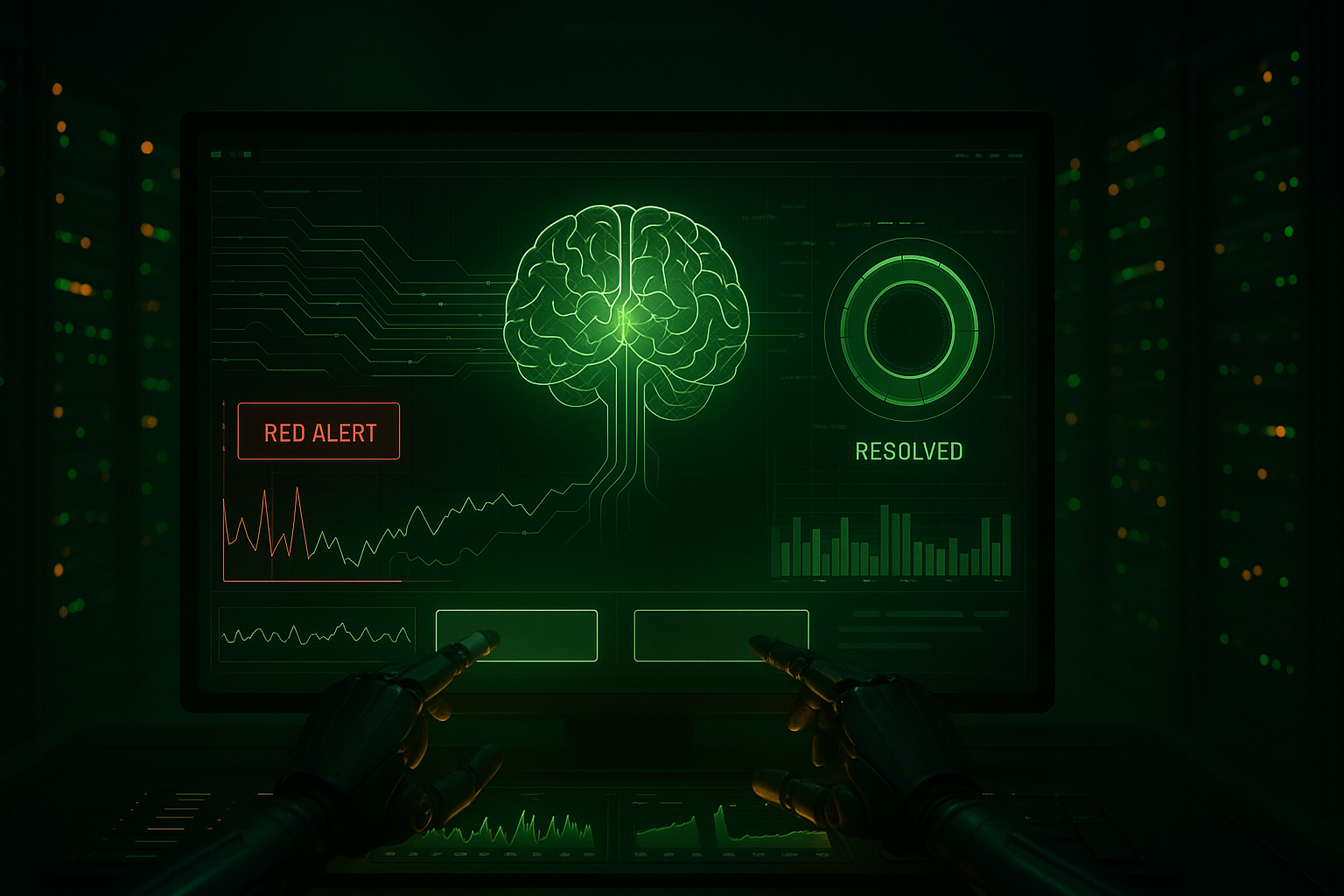
Stock Titan highlighted Dynatrace AI Intelligence claiming up to 12x more fixes at half the cost. The exact multiplier matters less to me than the direction. Remediation is moving from tickets to agents. That’s a big deal for observability and ops.
Why this matters even if you’re new: this is agentic automation taking on expensive, midnight-page problems. Watch how Dynatrace scopes actions, binds them to telemetry, and limits blast radius. That’s the blueprint.
Remediation is moving from tickets to agents.
If I were learning from this
I’d mock a tiny version locally. Spin up a simple web app with a health check. Create two actions: restart the service and roll back a config. Then let a small agent watch logs and trigger actions on clear conditions. You’ll feel the jump from chatty assistants to agents that own a workflow.
4) Build an agent this weekend: LangFlow is the clean on-ramp
The Register shared a practical guide on building an AI agent with LangFlow today. If you’re a beginner, this is where the fog lifts. Visual flows make it obvious what calls what. Drag in a model, add tool nodes for web search or a custom function, wire memory if you must, and drop in a simple planner. You’ll go from theory to a working no-code agent builder you can actually watch run.
Here’s how I teach it: pick one job your brain already treats like a checklist and translate it into steps. For example, “Collect the latest three press releases from a company, then summarize them into five bullets inside a Google Doc.” Keep the toolset tiny at first. Fewer moving parts beats cleverness when you’re learning.
Fewer moving parts beats cleverness when you’re learning.
Once it works, break it on purpose. Change a page layout, add a login, remove a permission. Watch how it fails and where recovery logic belongs. That’s where the real learning lives.
5) Before you ship anything: Deloitte says AI safety is lagging
AI News covered Deloitte’s warning that agent deployments are outrunning safety frameworks. I’m seeing the same thing. Policies and a single eval don’t cover action risks. Agent risk isn’t just “bad text.” It’s moving money, changing records, deleting files, emailing the wrong person, or hammering an API until your account gets locked.
My quick guardrail starter
- Give agents the least power possible. Bind sensitive actions to explicit approvals and rate limits.
- Log everything with timestamps, inputs, and outputs. Keep a big red off switch ready.
- For browser agents, use site-scoped permissions and keep secrets out of the DOM.
What I’d do this week if I were starting fresh
- Turn on the new Chrome Gemini agent features and delegate one repetitive task you already hate. Audit outputs daily and tighten permissions.
- Follow the LangFlow guide and build a single-purpose agent with at most two tools. Ship it to yourself first and live with it for three days.
- Write a one-page AI safety sheet: allowed tools, disallowed domains, approvals required, logs to keep, and a rollback plan. Keep it visible and actually use it.
How it all fits
Today’s drops fit together cleanly. OpenAI, Google, and Moonshot are blessing agentic systems as the next interface. Chrome is quietly becoming the default runtime for autonomous tasks. Dynatrace is proving the model with measurable remediation in observability. LangFlow gives beginners a no-code agent builder so you can ship without drowning in boilerplate. The gap is AI safety, and Deloitte is right to push here.
If that sounds intimidating, flip it. This is the most forgiving time to start. Competition is heating up, but expectations are still low and tooling improves every week. Build one tiny agent, put it in your routine, and iterate. Two weeks of doing will teach you more about agentic AI than months of reading.
Final thought
I’m bullish, not reckless. Agents shine when you give them crisp goals, the right tools, and walls they can’t climb. Do that and the shift from chatting to doing stops feeling like hype and starts saving you hours. If you try any of this, DM me what you built. I want to see your first win.