
Agentic AI updates just hit in a way that changed how I build. On February 3, 2026 I woke up to three drops that lined up perfectly across coding, data, and identity.
Quick answer: On Feb 3, 2026 Apple introduced agentic coding in Xcode 26.3, Databricks highlighted a serverless database approach reported to cut app timelines, and Fingerprint launched authorized AI agent detection. Together they push agent-first workflows into the mainstream and give beginners a faster, safer path to ship real agents.
My tip: use these drops to push agent-first workflows into the mainstream and give beginners a faster, safer path to ship real agents.
What dropped on February 3, 2026
Here is the short version I jotted down that morning:
- Apple framed Xcode 26.3 as unlocking agentic coding for everyday devs.
- VentureBeat coverage highlighted a Databricks serverless database push aimed at going from months to days.
- Business Wire covered Fingerprint’s Authorized AI Agent Detection for identifying agent traffic.
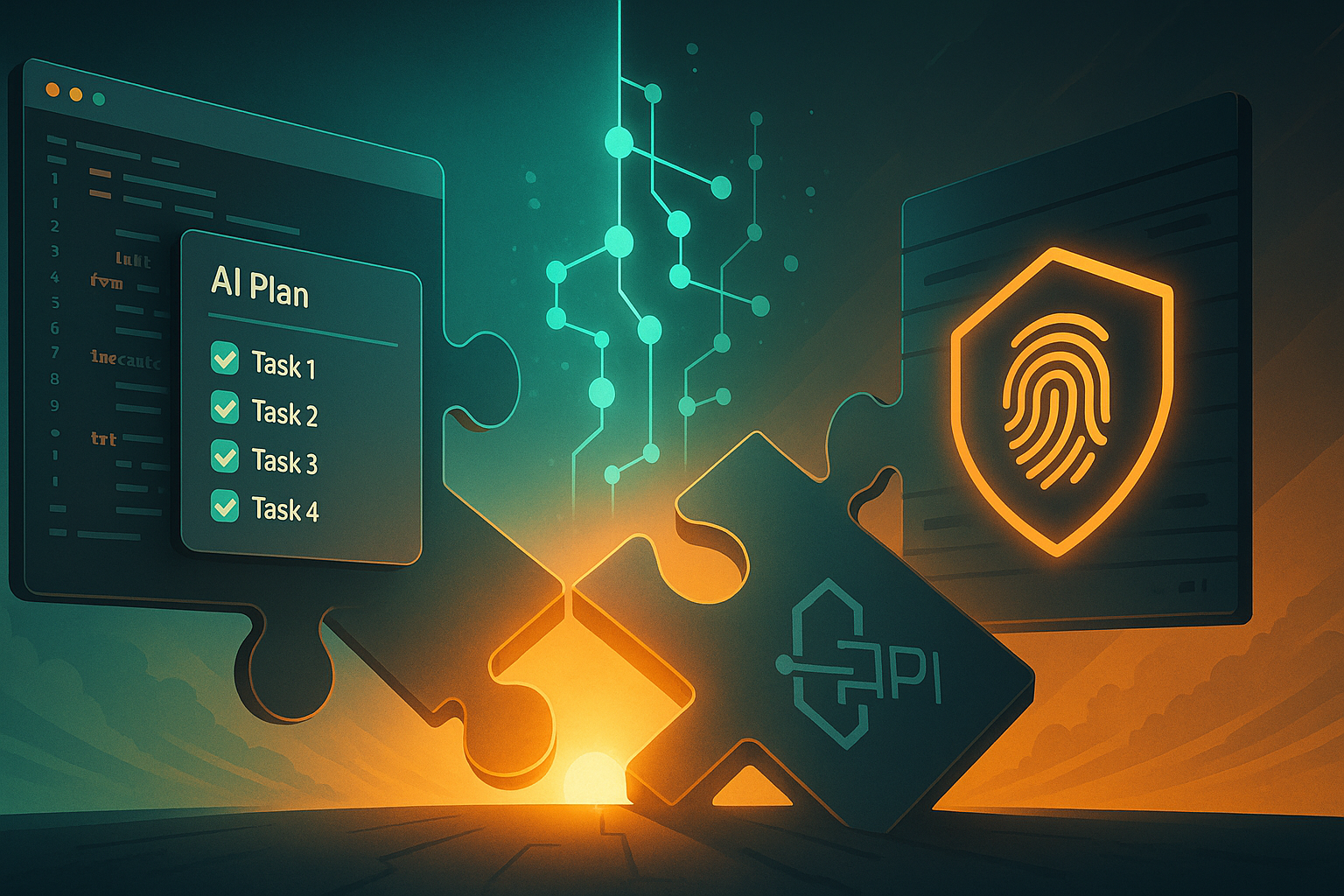
Three puzzle pieces: build agents faster, run the data layer without ops pain, and verify who or what is hitting your endpoints.
Apple just made agentic coding sound normal
With Xcode 26.3 landing on Feb 3, Apple used the phrase agentic coding. That matters. We are moving from autocomplete to assistants that plan and execute multi-step changes tied to goals. Think refactors, new screens, updated tests, and clear diffs you can review.
I am not pretending this turns projects into self-writing apps. It does shift the default. If you are starting now, assume your IDE can reason across files, propose a plan, and carry out parts of it. The job becomes designing work so the agent does the heavy lifting while you review and ship.
I design work so the agent does the heavy lifting while I review and ship.
Databricks wants to erase data friction
Also on Feb 3, Databricks pushed a serverless database posture aimed at taking builds from months to days. Bold, sure, and your mileage will vary. The direction is the point: fewer knobs, less provisioning, safer read-write paths for agents, and more time in product logic.
For beginners, useful agents live or die on state, context, and guardrails; I trim data friction first.
For beginners, this is huge. Useful agents live or die on state, context, and guardrails. If the data layer is clunky, your agent breaks under real users. Serverless options lower the barrier so you can focus on giving the agent the right tools.
Fingerprint is betting on verified agents
Fingerprint launched Authorized AI Agent Detection the same day. I am cautious with absolute claims, but the trend is obvious. Identity for agents is becoming table stakes for billing, rate limits, abuse prevention, and audits.
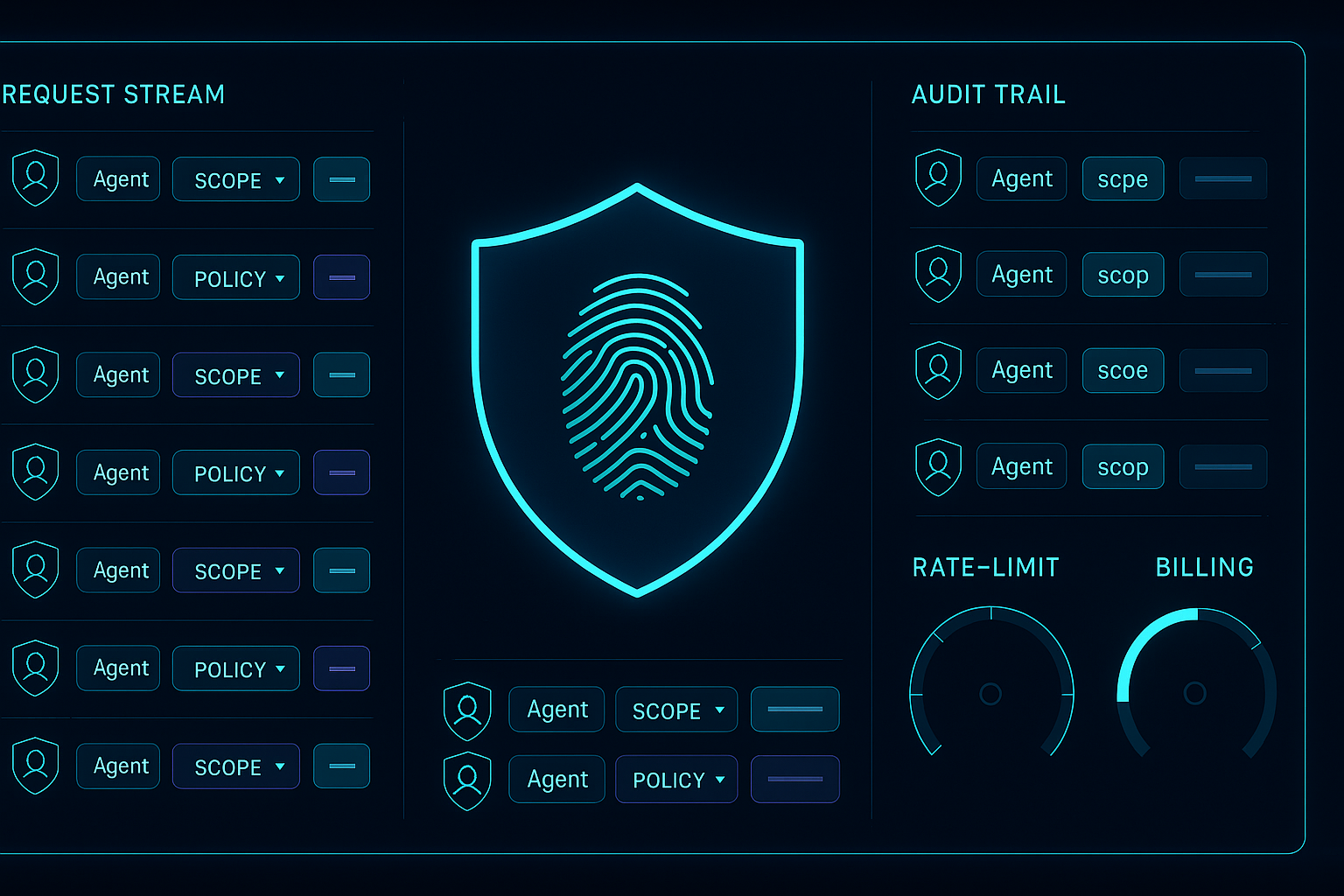
If your app touches money or user data, you will need to prove that a call came from Agent A with Scope B under Policy C. Start simple by tagging agent traffic, separating keys, and logging identity. You can add stronger verification later.
I start simple by tagging agent traffic, separating keys, and logging identity. I add stronger verification later.
If you are just getting started
These updates create a new default stack for agentic projects. Your editor plans and executes changes instead of just suggesting lines. Your data layer is low fuss so agents can read and write context without babysitting infrastructure. Your app treats agent traffic as a first-class identity with clear limits and permissions.
When you internalize that, you build the right scaffolding and stop fighting your tools.
A simple mental model I use
Goal and planner: translate a natural language goal into a stepwise plan.
Tools: concrete actions like database queries, API calls, sending emails, or scraping.
Memory: a short-term scratchpad plus long-term storage for facts and preferences.
Supervisor: a short-term scratchpad plus long-term storage for facts and preferences.
If you cannot label these four boxes, pause and do that first.
Build your first agent in 7 days
Day 1: Pick one boring weekly task like summarizing support tickets or drafting a status note.
Day 2: Choose a model and a tiny runtime you are comfortable with. Keep it simple.
Day 3: Give your agent one tool, like a read-only query or a Google Drive fetch, and no more.
Day 4: Add memory. Cache the last 5 actions and save a small JSON of learned facts.
Day 5: Add a supervisor that checks output against a checklist and retries once if it fails.
Day 6: Tag agent traffic in your logs and separate its API key. Treat it like a different user.
Day 7: Run it on a schedule for a small set of real inputs. Write down what broke and fix the top two issues.
You will have a real agent that plans, executes, stores context, and can be monitored. It will be imperfect, which is exactly what you need to iterate.
I run it on a schedule for a small set of real inputs and fix the top two issues; that iteration is the point.
Common beginner mistakes I keep seeing
Going mega on day one: do one job well, then expand.
Messy data: dirty inputs cause thrash. Start with a clean, small dataset.
No guardrails: define constraints and a clear path to ask for help.
Zero observability: log the plan, the steps, the tools called, and the final output. You cannot improve what you cannot see.
My honest read on the Feb 3 news
Everyone is racing to make agentic AI tangible. Apple is pulling it into everyday development with Xcode 26.3. Databricks is smoothing the data path so teams move faster without provisioning headaches. Fingerprint is staking the identity layer so production systems can trust and audit what agents do. You do not need to buy into a single vendor to benefit. The shift is that default workflows are now agent first.
If I were starting fresh today, I would ship the smallest useful agent, wire a low-friction data store, tag traffic like a first-class actor, and iterate. The floor is higher now, which is good news for beginners.
Where I am going next
Over the next few weeks I am upgrading two internal tools to an agentic workflow: a release notes summarizer with approval and a customer email generator that respects a knowledge base and brand guardrails. I will share what worked, what broke, and how far I pushed it with minimal code. If you build something from this guide, I want to hear about it.
Agentic AI updates: FAQ
What exactly changed on Feb 3, 2026?
Apple introduced agentic coding in Xcode 26.3, Databricks highlighted a serverless database approach reported to shrink timelines, and Fingerprint released authorized AI agent detection. Together they made planning, data, and identity feel like a cohesive path for real agent apps.
Do I need Apple, Databricks, or Fingerprint to benefit?
No. The point is the pattern, not the logo. Use any IDE with strong agentic assistance, pick a low-fuss database, and treat agents as first-class identities. You can mix and match tools as your needs grow.
Is agentic coding just fancy autocomplete?
Not really. Autocomplete predicts the next token. Agentic coding plans multi-step changes, executes parts of the plan, and presents diffs for review. You remain in control, but the assistant handles the heavy lifting.
How do I keep an agent safe in production?
Start with strict scopes for tools, clear policies, and an audit trail. Separate API keys, tag agent traffic, and build a small supervisor loop. Add stronger verification as you scale and the blast radius grows.