

Agentic AI just jumped from hype to habit for me. In one week it landed in Apple’s IDE, hit the security radar with 100% detection claims, and got a reality check from finance. If you’re starting fresh, this is the moment to pick a tiny workflow and ship something real.
Quick answer: Agentic AI moved into day-to-day tools with Apple’s Xcode 26.3 agents on February 3, 2026, while Fingerprint claimed 100% agent detection the same day. A reported disappearance of Brevan Howard’s agentic spinout on February 2, 2026 is a reminder to scope small, log everything, and keep a human in the loop. Start with one clear workflow and add identification early.
I start with one clear workflow and add identification early.
Apple just made agentic coding a default mindset
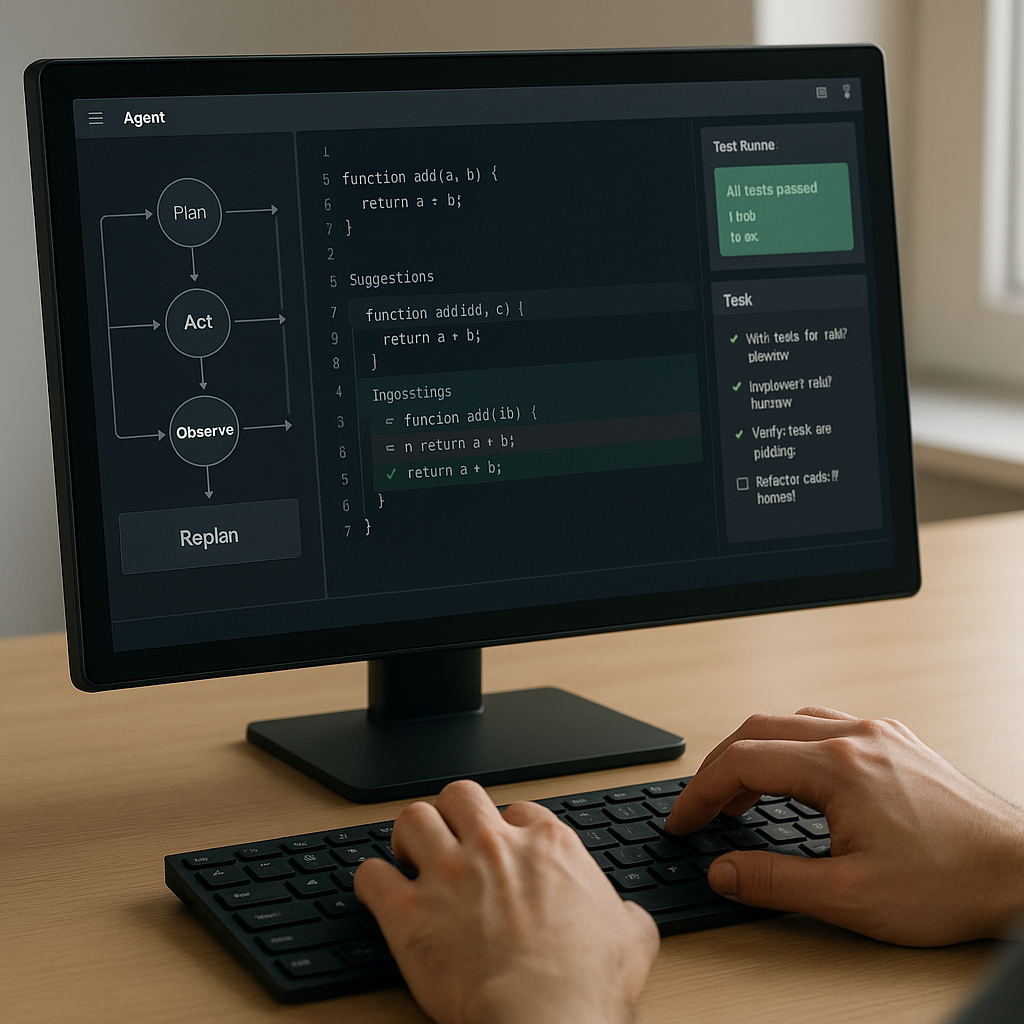
On February 3, 2026, Apple announced Xcode 26.3 with agentic coding features and deeper integrations with Anthropic and OpenAI. Coverage highlighted Apple literally adding agents into the IDE, not just smarter autocomplete. You can read one of those reports here: Apple adds agents to Xcode 26.3.
In plain English, this means planning, taking structured actions, running checks, and iterating toward a goal inside your workflow. Less “write me a function,” more “implement the feature, run tests, and help me fix what breaks.” Agents are moving from hacky sidecars to first-class citizens in the toolchain.
I ask for outcomes: implement the feature, run tests, and help me fix what breaks.
Why this matters even if you don’t build iOS apps
Apple doesn’t validate developer patterns lightly. When the IDE embraces agents, everyone else follows. Expect tools, tests, and reviews to assume an agent is in the loop. If you’re new, that’s a gift. The ecosystem will meet you where you work instead of forcing duct tape and custom glue.
Security is catching up: authorized agent detection
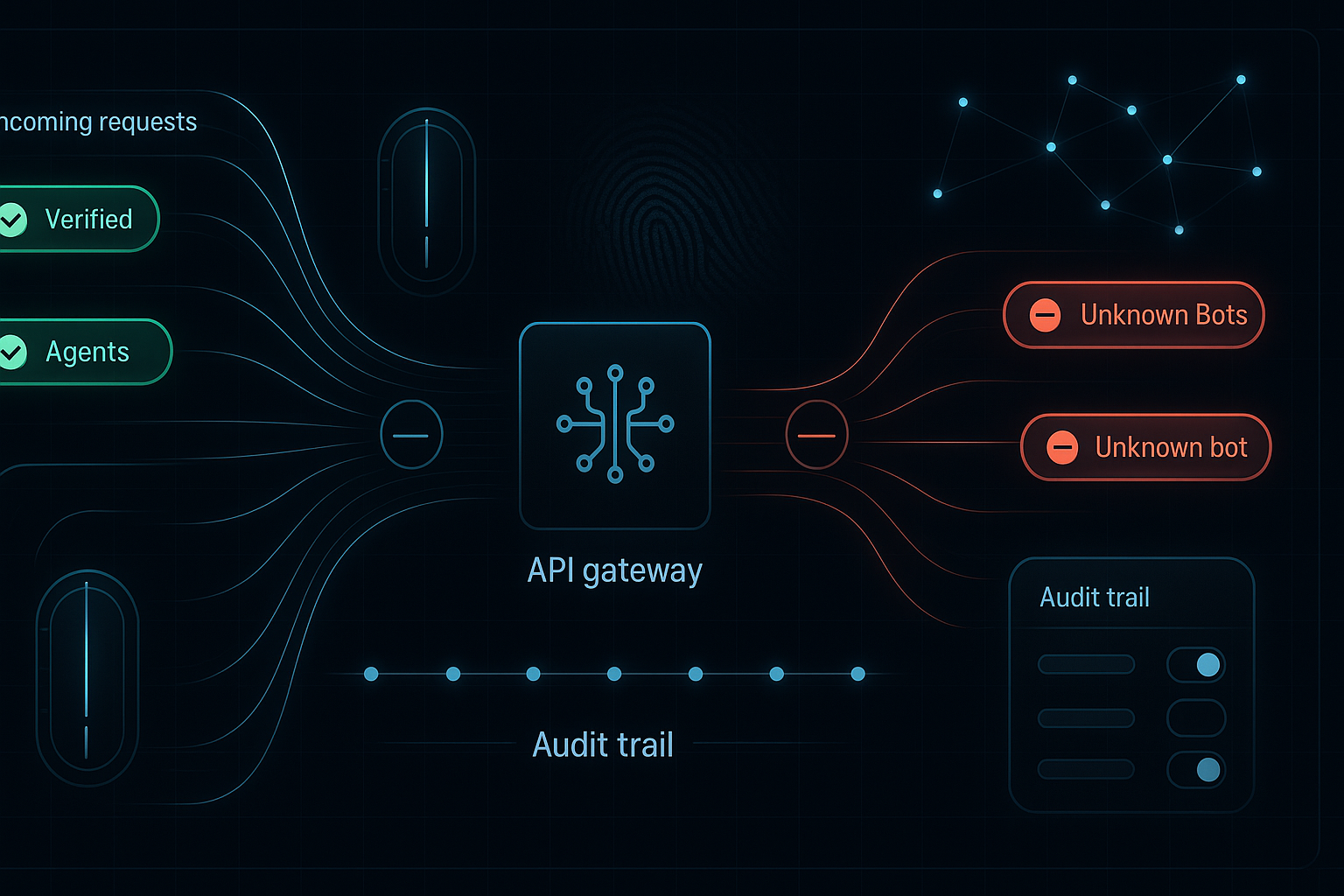
Also on February 3, 2026, Fingerprint announced Authorized AI Agent Detection and claimed it can identify agentic traffic with 100% certainty. The important word for me is authorized. Enterprises want to let good agents through, throttle or block the rest, and enforce SLAs for verified agent traffic.
I’ve been expecting this shift. As agents hit browsers, APIs, and commerce flows, vendors need proof about who is acting on behalf of whom. Detection is not just about abuse. It enables whitelisting, safer rate limits, and cleaner audit trails.
What this changes for your first agent projects
If you’re automating research, support, or back office tasks, plan for agent identification on day one. Even a basic token strategy now will save a rewrite when you need proper verification later. It’s not glamorous, but it’s the difference between a weekend script and a workflow your team can trust.
The hedge fund ghost story is a useful gut check
On February 2, 2026, reports suggested Brevan Howard’s agentic AI spinout seems to have disappeared. It’s not a postmortem with gory detail, but it’s a clear reminder that agentic AI isn’t a magic money machine. Reliability, explainability, and governance still decide who wins.
I remind myself that reliability, explainability, and governance still decide who wins.
I read this as motivation, not fear. Scope tightly, measure everything, and keep a human in the loop at decision boundaries. The best agent projects I’ve shipped had narrow goals, clear inputs, and logs for every step.

What I’d actually do this week
Here’s the simple plan I use when I’m starting from zero. Keep it boring and you’ll move faster.
- Pick one workflow that burns 2 to 5 hours a week with clear success criteria. Smaller is better.
- Use a low-friction stack. If you’re on Mac, try Xcode 26.3’s agent features. Otherwise pick a hosted agent framework with tool calls and logging.
- Add observability on day one. Save the plan, tool calls, and results so you can debug loops and explain behavior.
- Decide how your agent identifies to external services. A simple token now makes authorized detection easier later.
- Ship a tiny pilot to 3 people, gather feedback for a week, then iterate.
I add observability on day one by saving the plan, tool calls, and results so I can debug loops and explain behavior.
Agent vs assistant vs automation
An assistant responds to prompts and might call one tool. An automation script runs a preset sequence. An agent plans, acts, observes, and replans until it hits the goal. That loop is the power and the risk, which is why guardrails, evals, and crisp objectives matter.
What I’m watching next quarter
I’m watching how IDE-native patterns evolve when agents start making code changes and kicking off tests inside the editor. I’m also tracking whether SaaS vendors create special lanes or rate limits for verified agent traffic, and whether finance publishes pragmatic guardrails that the rest of us can adopt quickly.
Common pitfalls I still see
Vague goals kill momentum. Swap “research this topic” for “return 5 vetted sources with 120-word summaries.” Skipping logging, evals, and timeouts is the other big one. You don’t need mission control, but you do need a transparent plan and a way to see where the loop gets stuck.
I swap “research this topic” for “return 5 vetted sources with 120-word summaries”.
FAQ
What is agentic AI in simple terms?
Agentic AI plans a path to a goal, takes actions with tools or APIs, observes results, and adjusts until it succeeds. It is not just a chatbot. The loop is what makes it useful for real workflows.
Do I need Apple’s Xcode 26.3 to try agentic coding?
No. Xcode 26.3 makes it easier on Mac, but any framework that supports tool calls, planning, and logging can work. The key is observability and a narrow, testable task.
How serious is the 100% detection claim?
It is a bold claim, but the bigger point is verification. As agents scale, vendors will expect authenticated, authorized traffic with auditability. Plan for identification now so you are ready when partners require it.
Why did the finance spinout reportedly disappear?
We don’t have the full story, but it reinforces a pattern. High-stakes environments demand reliability, governance, and explainability. Without those, even promising agentic AI bets can stall.
What should I build first?
Automate a small, boring task you repeat weekly and define the output tightly. Add logging from day one, include a human check at the decision point, and iterate with feedback from a tiny pilot group.
Final take
February 2 to 3, 2026 made agentic AI feel inevitable in tools, enforceable at the edge, and still accountable to real-world proof. Start small, log everything, and design for detection, authorization, and human sign-off. If you want a minimal template for goal-plan-act loops, tell me your workflow and I’ll share what I use.