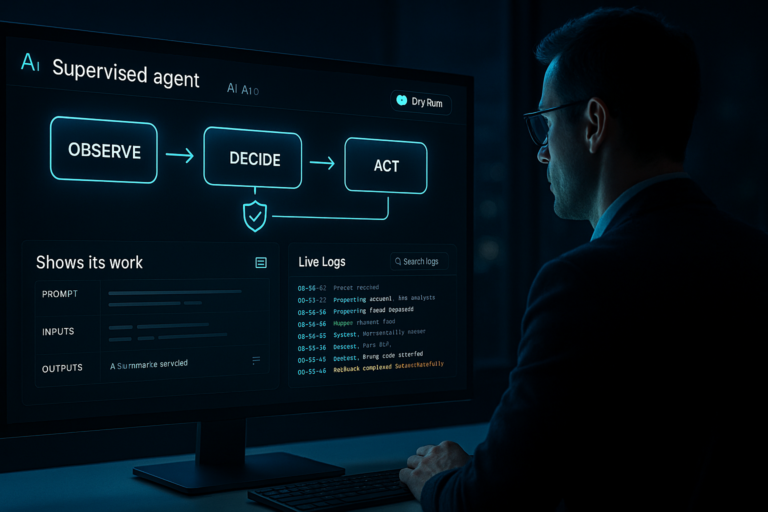


Agentic AI hijacked my morning. I sat down to skim and ended up mapping a real plan you can ship without boiling the ocean.
Quick answer: On Feb 12, 2026, agentic AI went practical. Hospitals pushed orchestration, governance turned into policy as code, Google blurred search and shopping, strategy leaders called out systems gaps, and finance drew funding. Start with one clean task, give your agent two tools, wrap light guardrails, and you can show value inside a week.
I start with one clean task, give my agent two tools, wrap light guardrails, and aim to show value inside a week.
Healthcare is getting an agentic OS
Feb 12, 2026 was the first time I saw a hospital talk like a platform team. Superhealth unveiled an orchestration layer that coordinates specialized agents across intake, eligibility checks, scheduling, and logistics. Whether or not it is truly the first, the pattern matters. Healthcare is full of repetitive, time-boxed tasks that scream for agents, and so is almost every business I touch.
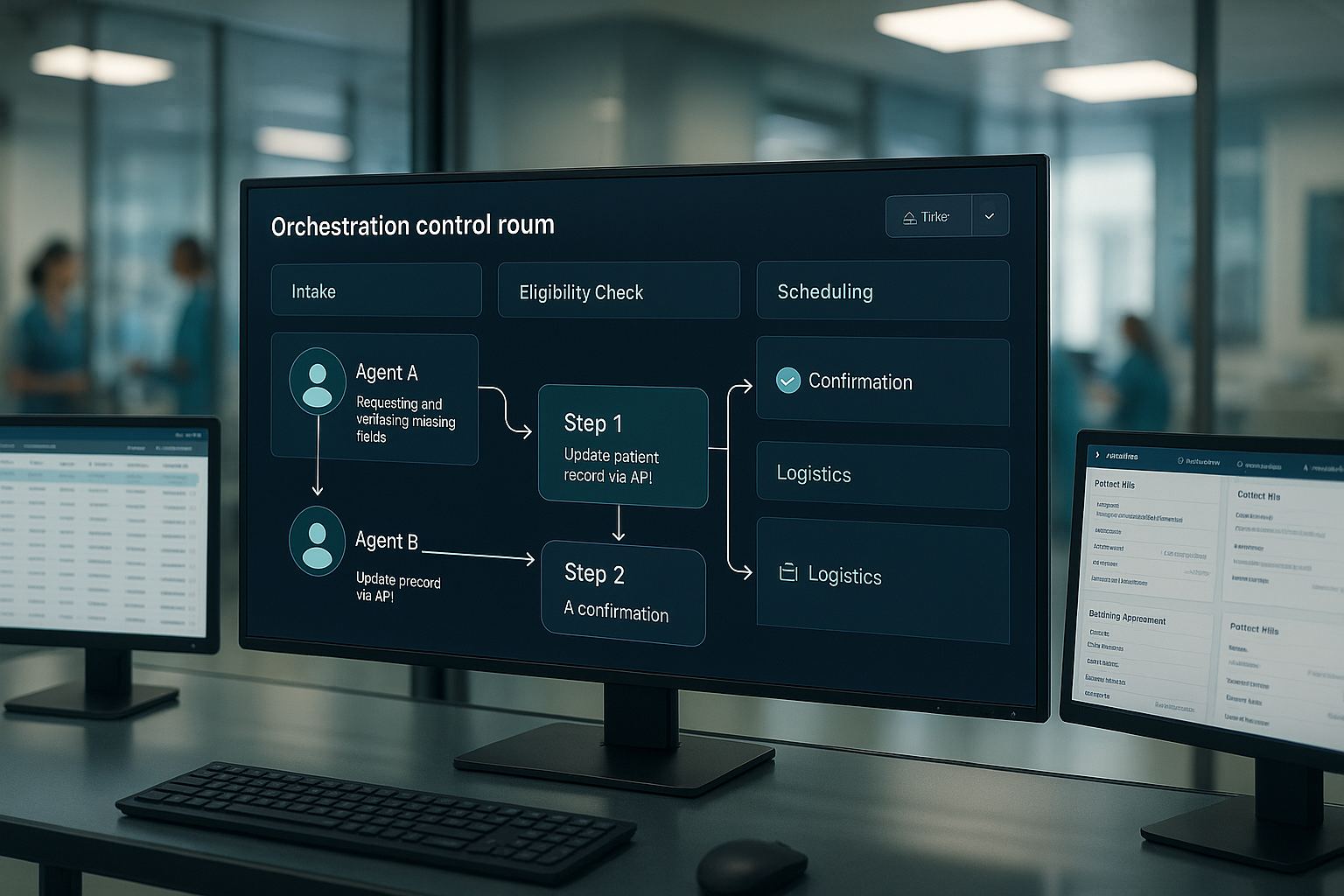
If I were starting today, I’d skip hospital-scale plans and build a tiny relay. One agent asks for missing fields and validates inputs. The next agent updates a record through an API or a sheet and posts a confirmation. Schedule confirmations, invoice lookups, simple benefits checks, customer onboarding. You’ll feel the orchestration loop instantly.
I ship a tiny two-agent relay first: one asks for missing fields and validates inputs, the next updates a record and posts a confirmation.
Governance is finally code-first
Also on Feb 12, 2026, Kyndryl launched policy as code for agentic workflows. I cheered. Once agents can browse, buy, book, or blast, prompt reviews are not governance. Putting rules in code means versioning, tests, and automatic enforcement where the work actually runs.
My starter “seatbelt” travels with every demo: an allow list for external calls in a tiny config file, a human approval gate for any irreversible action, and a persistent audit log of plans, tool calls, and outputs. Not glamorous, but it is the difference between a cool demo and a workflow you can trust.
My default seatbelt is simple: an allow list for external calls, a human approval gate for anything irreversible, and a persistent audit log.
Search just got shoppable for agents
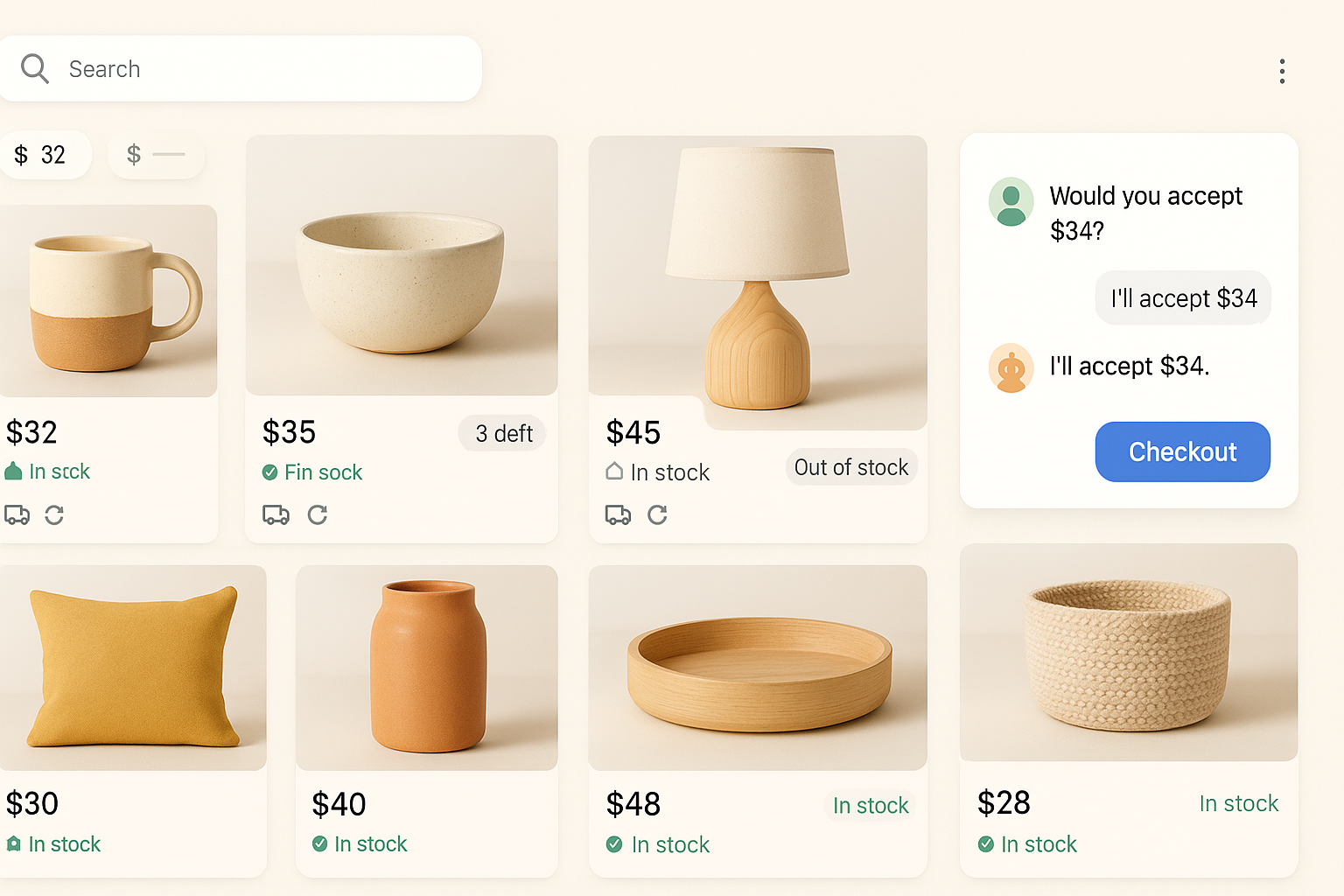
Also on Feb 12, 2026, Google made Etsy and Wayfair products shoppable inside agentic search. That blurs the line between answering questions and completing intent. If you sell anything, the buyer’s agent might negotiate and check out without ever landing on your homepage.

I’m optimizing for picky bots. Clean titles and attributes, deterministic availability logic, a tiny price and stock API with stable responses, and machine-readable shipping and refund rules. If an agent lands on my catalog, it should know exactly how to buy and what happens next.
To win agentic search, I keep titles clean, availability deterministic, a minimal price and stock API stable, and policies machine-readable.
The strategy wake-up call
One more Feb 12, 2026 thread I felt in my bones: most AI strategies won’t become agentic without systems work. You cannot duct-tape agents onto tools with no APIs, unclear ownership, and fuzzy data entitlements. When that is the environment, the smartest model becomes a chatty bystander.
My fix is boring and effective. Expose at least one action endpoint in a system you control so you can show an end-to-end loop. Write a one-page data policy for the pilot with access, purpose, and retention. Compose a few small agents instead of one mega-brain. Surface area beats model size.
To make strategy real, I expose one action endpoint, write a one-page data policy, and compose a few small agents because surface area beats model size.
Money is flowing to agentic finance
Later on Feb 12, 2026, Meridian raised 17 million dollars for agentic financial modeling. That tracks with what works now: repetitive data pulls, what-if scenarios, tight checklists, and a human sign-off. You do not need a quant desk to try it. A humble sheet is perfect.
My go-to is a tiny planning agent on a Google Sheet. It pulls last month’s actuals, runs a few predefined scenarios, then drafts a one-paragraph summary with next steps. I keep a manual approval step on any action that touches money.
Quick actions for this week
- Pick one high-friction task and build a two-agent relay to complete it end to end.
- Add an allow list, a human approval gate, and an audit log to every demo.
- Clean product data and expose a minimal price and stock API with stable responses.
- Ship one new action endpoint in a system you control to prove the loop.
- Stand up a small planning agent on a sheet and require human sign-off.
Your 7 day agentic starter plan
Day 1 to 2: Pick one job-to-be-done
Choose a task with clear inputs and a single obvious end state. Onboard a lead, check an order, schedule a consult, or compile a weekly KPI snapshot. If you can’t write the happy path in five lines, pick a smaller task.
Day 2 to 3: Give the agent two tools, not ten
Tool one validates inputs. Tool two performs a single external action through an API or a sheet update. Keep the plan visible and force the agent to explain the next step before acting. Save every breadcrumb to a log.
Day 3 to 4: Wrap policy around it
Lock external calls to an allow list, require manual approval for anything irreversible, and persist an audit trail. This travels with every future workflow.
Day 4 to 5: Make it discoverable
Give it a tiny UI anyone can try. Even a simple form is enough. Post results to a consistent destination so feedback is easy, like a Slack channel or daily email.
Day 5 to 7: Measure one thing that matters
Pick a single success metric tied to time saved or error rate. Did a 10 minute lookup drop to 90 seconds? Screenshot before and after so you can defend the win.
FAQ
What is agentic AI in plain English?
Agentic AI is software that can plan, call tools, and take actions to complete a task, not just chat. Think of it as a small team member that can read instructions, fetch data, and push buttons with guardrails in place.
Do I need one mega agent or several small agents?
I start with a few small, specialized agents. They are easier to test, safer to monitor, and simpler to route. You can always compose them later once each piece proves reliable.
How do I add governance without enterprise tools?
Keep it simple. Use a config file to allow specific domains or APIs, add a manual approval step for anything you cannot undo, and log the plan, tool calls, and outputs. That covers most early risks.
How can I get ready for shoppable agentic search?
Clean your product titles and attributes, make availability deterministic, and publish a minimal price and stock API with stable, documented responses. Spell out shipping and refund policies in machine-readable text.
What’s the fastest path to a finance win?
Put a lightweight planning agent on a sheet you already use. Pull last month’s numbers, run two or three what-if scenarios, and draft a short summary. Keep a human in the loop for any budget or transaction changes.
The quiet pattern I keep seeing
Feb 12 was not about a shiny new model. It was about the infrastructure hardening around agents. Orchestration in hospitals, governance as code, search turning into storefront, sober strategy takes, and investors backing boring, valuable workflows. If you want momentum, ship something small that actually changes a Tuesday, wrap it with guardrails, and iterate.