
Agentic AI for beginners just clicked for me today. I went deep on the March 31, 2026 updates and realized this is not about chatbots with cute prompts. It’s about supervised automations that observe, decide, and act inside your stack with real guardrails.
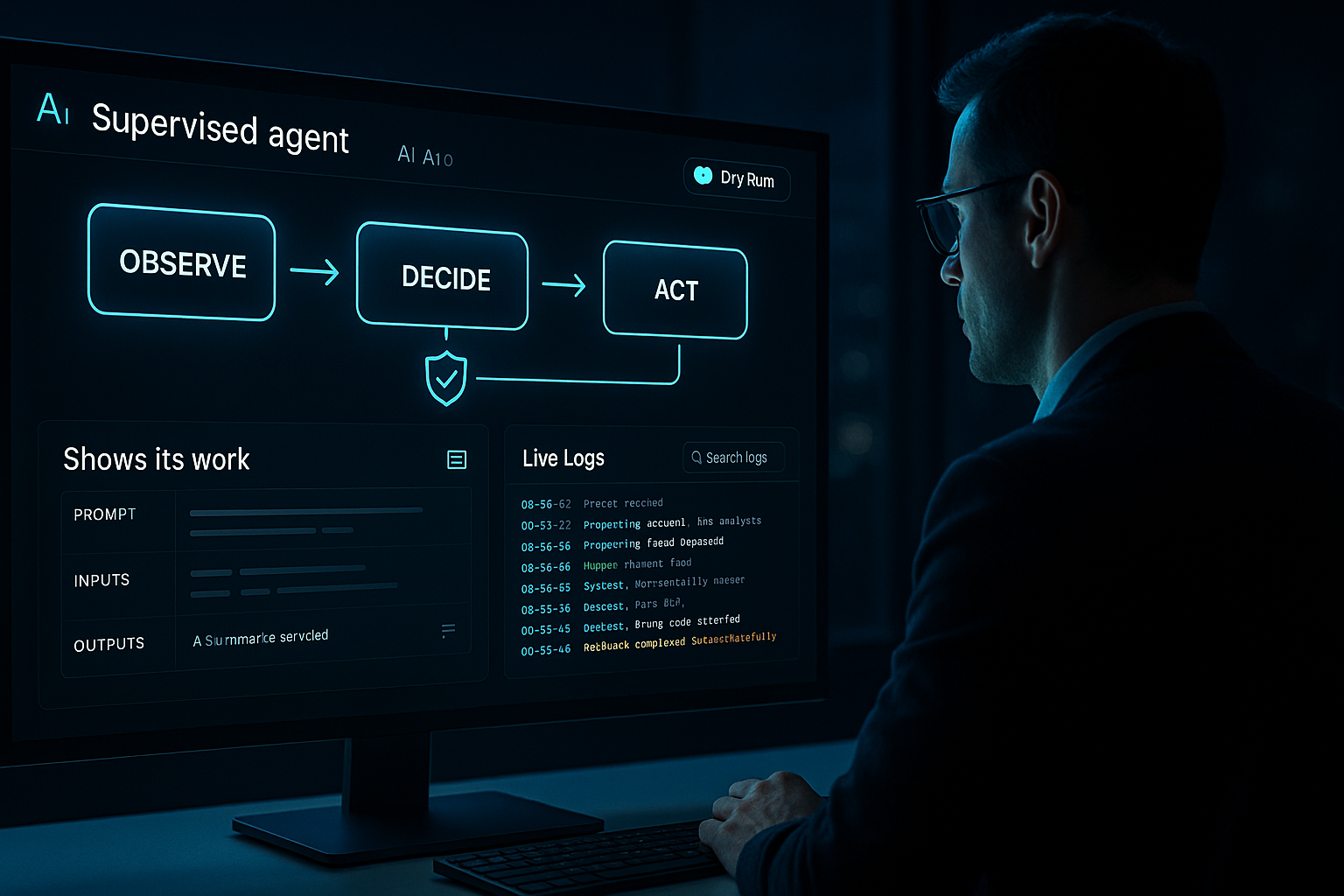
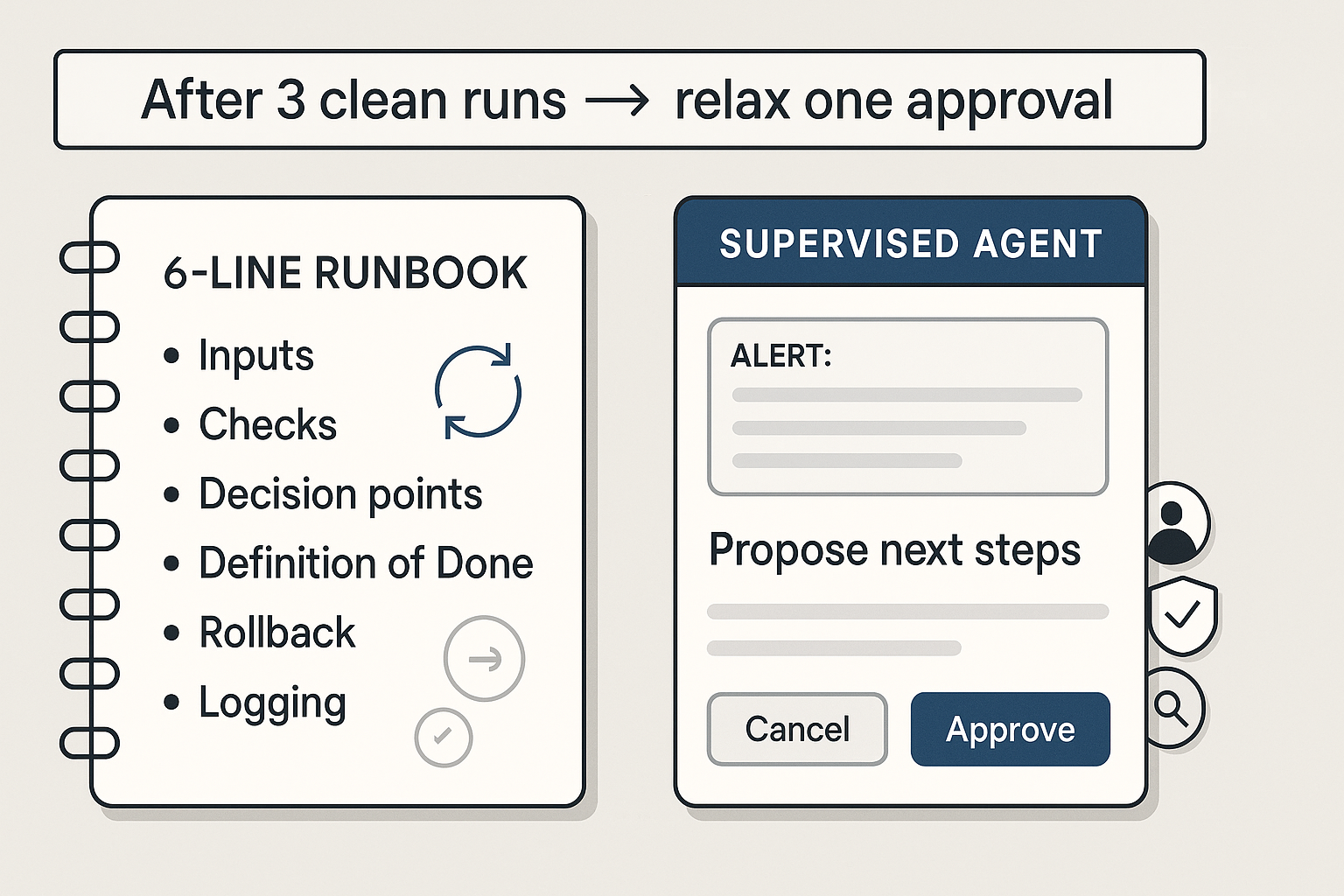
Quick answer: If you’re starting this week, pick one low-risk workflow that repeats daily, write a 6 line runbook, and wrap it in a tiny supervised agent loop. Keep actions in dry run until you approve, log every input and prompt to a searchable place, and add a rollback step. After three clean runs, relax one approval but keep alerts and summaries.
Key takeaway: Keep actions in dry run until you approve, log every input and prompt to a searchable place, and add a rollback step.
AWS just made incident response feel approachable
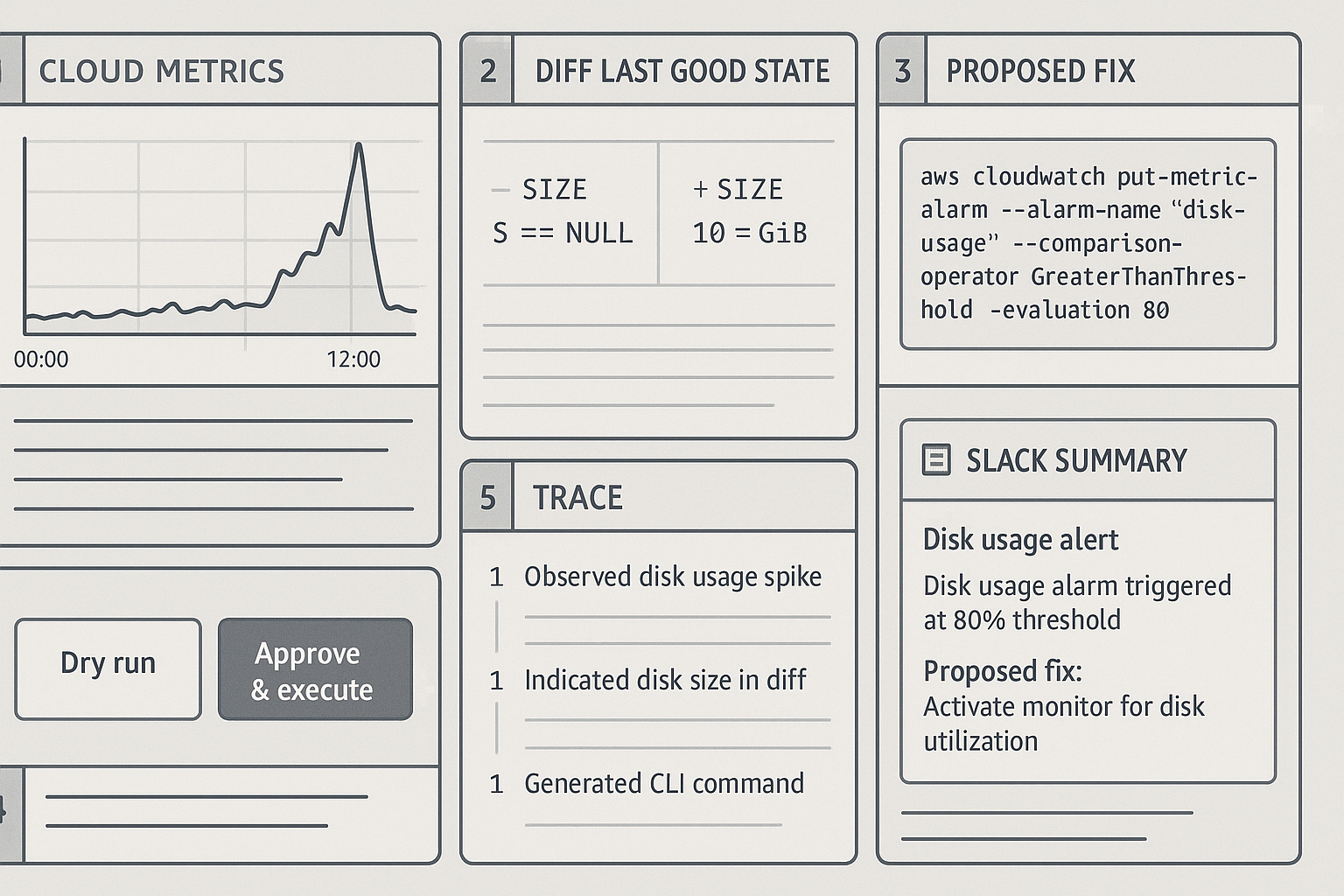
On March 31, 2026, AWS walked through how to leverage agentic patterns for autonomous incident response with the AWS DevOps Agent. Their framing of autonomous incident response landed for me because it is not a black box. It proposes a fix, shows its work, and either executes automatically or waits for your approval. For a solo builder or small team, that’s huge. For a beginner, it’s a safe sandbox with tight scope and clear success criteria. You can read the AWS DevOps Agent guidance on autonomous incident response to see the pattern.
Key takeaway: It proposes a fix, shows its work, and either executes automatically or waits for your approval.
How I’d start today
I’d pick one recurring incident like disk spikes or flaky health checks and let an agent do the triage, diff the last good state, and draft the exact command it would run. I’d keep it in dry run while it posts summaries to Slack or a ticket, then flip to execute on approval. The job of this first agent is simple: be faster than me at the boring parts and document everything.
Salesforce Agentforce hints at where business automation is going
Also on March 31, 2026, the head of Salesforce Agentforce talked about agents as orchestrators that move work across CRM, docs, approvals, and data without dropping context. That’s the bar I want to aim at: agents that understand business objects, follow policies, and hand me decisions instead of blasting out guesses. The Salesforce Agentforce interview makes that direction clear.
A tiny Agentforce-style starter
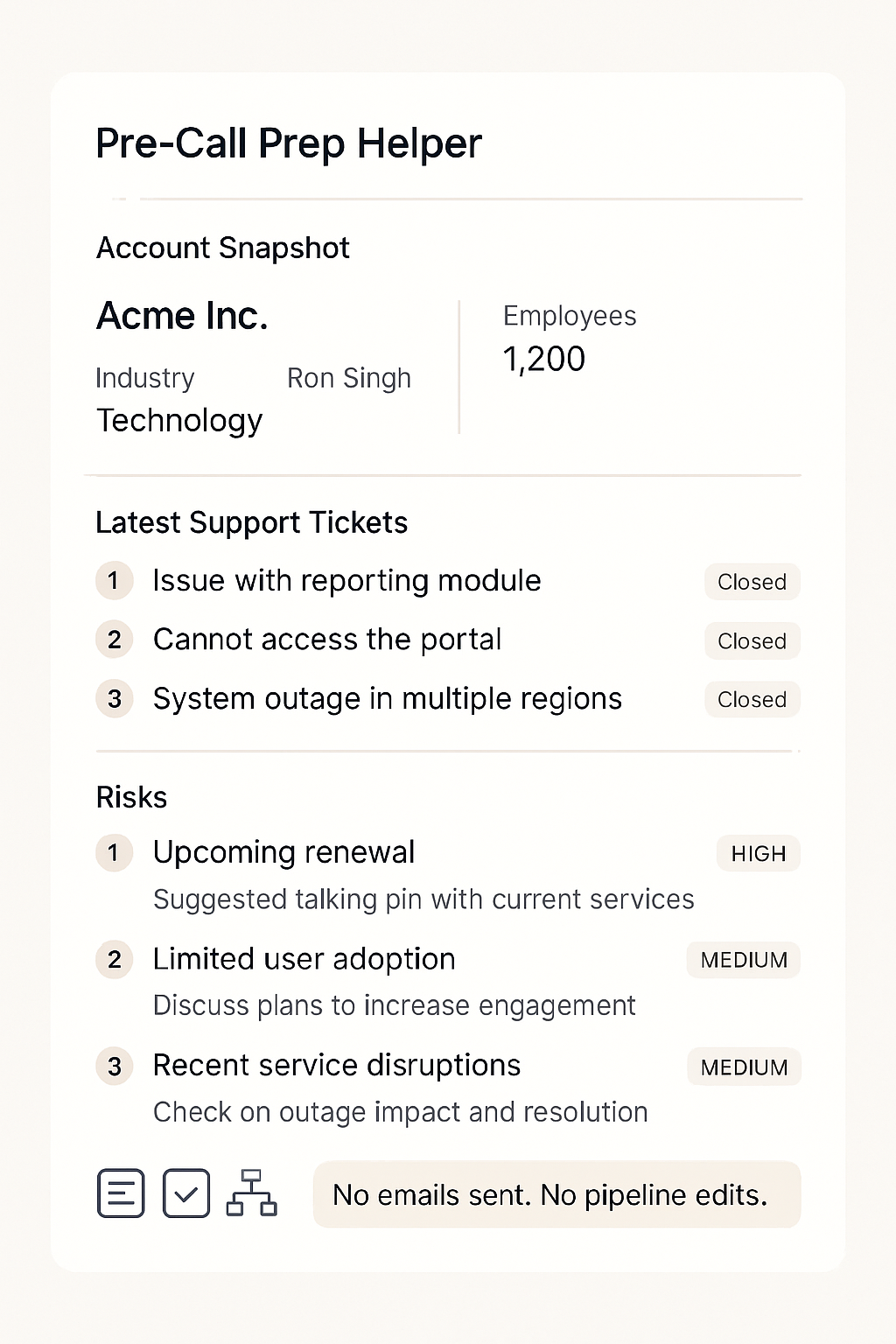
I’d build a pre-call prep helper. It pulls the account record, grabs the last three support tickets, and drafts three risks with suggested talking points. No emails sent, no pipeline edits, just a tight summary in under a minute so I walk into calls sharper.
Security teams are betting on agentic SOCs
The same day, reporting showed companies leaning into an agentic SOC as AI reshapes security. That tracks with what I’m seeing. Security folks are not debating if agents help. They’re figuring out how to deploy them without new attack paths. If an agent can survive SOC scrutiny, it can survive my back office too if I copy the discipline: tight scopes, strong identity, least privilege, human-in-the-loop for anything destructive, and relentless logging. Here’s the agentic SOC trend I’m referencing.
My rule of thumb: early agents are interns with perfect memory, not senior architects. They fetch, summarize, correlate, and propose. I approve.
Key takeaway: early agents are interns with perfect memory, not senior architects.
Regulated players are investing in the fundamentals
Also on March 31, 2026, the University of Glasgow and Lloyds Banking Group launched a research program on engineering agentic AI. Banks do not fund this for fun. They expect agents to be part of real work, with patterns that stand up in audits. Those patterns will trickle down. I’m copying them early: crisp boundaries, output verification, documented handoffs.
What I’d actually do this week
I like keeping week one tiny and very visible. Here’s the exact plan I use when I introduce a new agent loop.
- Pick one daily workflow where mistakes are annoying, not catastrophic
- Write a 6 line runbook that defines inputs, checks, decision points, and a single definition of done
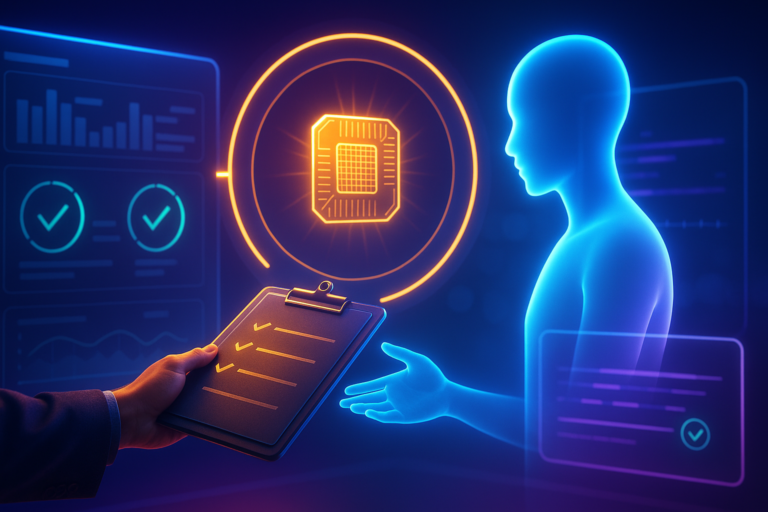
- Wrap it with a supervised agent that proposes next steps and waits for approval while logging prompts and data
- Add a rollback step before any execution, even if rollback is just create a ticket and ping me
- After 3 clean runs, remove one approval but keep alerts and summaries
Key takeaway: After 3 clean runs, remove one approval but keep alerts and summaries.
FAQ
What if the agent hallucinates?
It will sometimes. That’s why I keep the scope tiny and actions reversible. Most early wins are things that are easy to verify anyway, like collecting context, deduping alerts, and drafting responses. I make agents show receipts in every message. No proof, no action.
Key takeaway: No proof, no action.
Do I need a fancy platform to start?
No. The AWS example works with the pipes you already have. Same for CRM flows. I use my current runtime, keep secrets in my normal vault, and start with the smallest loop that gives leverage. Upgrade later if you outgrow it.
How do I explain this to a boss or client?
I call it automated runbooks with supervision. It compresses time from alert to decision by doing grunt work at machine speed and leaving judgment to a human. That framing lands well with security, ops, and leadership.
How do I keep it safe?
Identity everything, scope tightly, use least privilege, and require approvals for destructive actions. Log prompts, inputs, and outputs to a place you can search. If your SOC wouldn’t auto-fire an action, neither should your finance, HR, or ops agents.
What I’m watching next
I’m tracking three signals after March 31, 2026: whether AWS incident-response playbooks turn into templates teams can drop in without custom plumbing, how Salesforce and peers expose safe-by-default actions mapped to real business objects, and whether more regulated players publish engineering guidelines a small shop can borrow.
My take after a full day of tinkering
Agentic AI is a return to disciplined automation with better judgment in the loop. DevOps can buy back nights and weekends. Sales ops can prep smarter without touching revenue fields. Security can surface more signal without drowning humans. If you’ve been waiting for a green light, take this as yours. Start narrow, keep your hands on the approval button, write everything down, and make the agent show its work.
Key takeaway: Start narrow, keep your hands on the approval button, write everything down, and make the agent show its work.