
Agentic AI for beginners just clicked for me this week. I’ve been shipping tiny agents that do boring work for me, then a wave of Feb 14, 2026 headlines landed and forced me to tighten my playbook and cut the fluff.
Quick answer: start small and shippable. Build an evidence collector with receipts, wrap an agent around an existing Zap to choose paths, add OWASP-style guardrails and full logs, prototype a marketplace listing assistant with approvals, and try one respectful personalization micro-agent with a do-nothing option. Keep a human in the loop on anything destructive.
I start small and shippable: build an evidence collector with receipts, wrap an agent around an existing Zap, add guardrails and logs, prototype a listing assistant with approvals, and try one respectful personalization micro-agent with a do-nothing option.
Why this week actually mattered
On Feb 14, 2026 a few signals lined up. Complyance raised $20M led by GV to modernize enterprise GRC with agentic assistants. UiPath slid 12.2% as it leaned harder into agentic AI and a WorkFusion tie-in was mentioned. Zenity put an OWASP lens on securing agentic AI. Plus pieces on eBay’s new VP of AI Transformation and why hyper-personalization is shifting from copywriting to coordination. Different verticals, same message for me as a builder: agents are leaving the lab and stepping into messy, real workflows.
I build for messy, real workflows; agents are leaving the lab and stepping into them.
Compliance got practical
That Complyance raise on Feb 14, 2026 was my green light. Back-office work like policies, controls, and evidence is structured, repetitive, and audited. It is perfect for agent execution with receipts.
Why it matters if you are new
Enterprises buy outcomes and proof. If an agent can read policies, map controls, draft evidence, and track exceptions with timestamps, it is valuable on day one. Buyers do not want chat. They want finished work with a paper trail.
I treat enterprise buyers as proof-first: they want finished work with a paper trail, not chat.
What I shipped this week
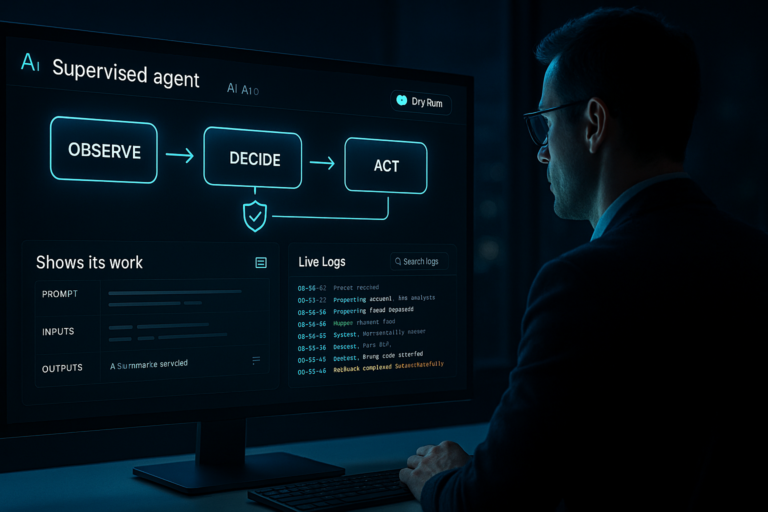
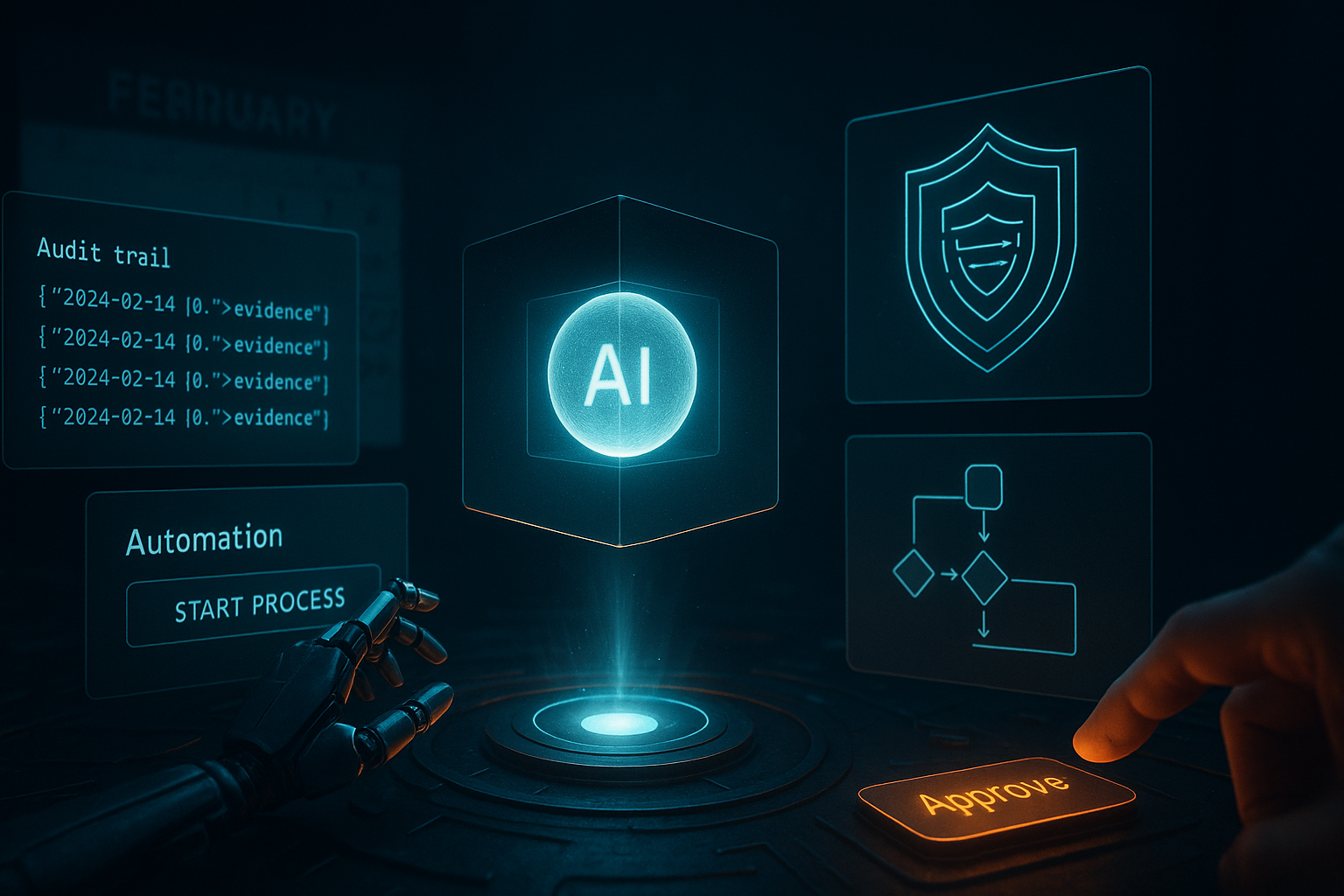
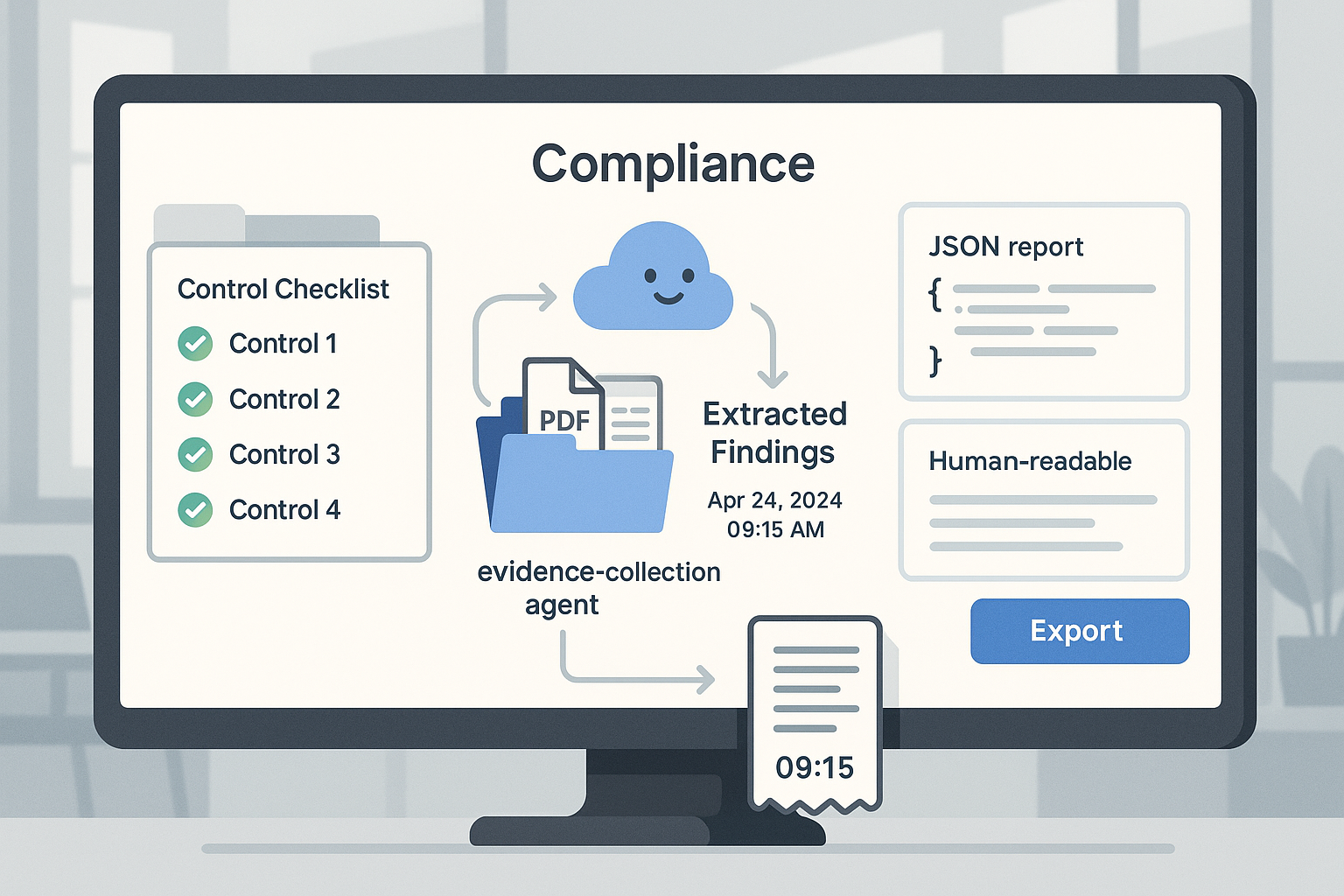
I built a tiny evidence-collector. It crawls a scoped folder of PDFs and URLs, checks against a control checklist, then saves findings with timestamps. It produces a JSON report plus a short human summary. I force the agent to explain each step for auditability, which also makes debugging painless.
RPA plus agents is the real bridge
Also on Feb 14, 2026, UiPath’s pivot spooked markets, but I think the direction is right. RPA is unbeatable at precise, repeatable clicks. Agents are great at deciding which path to take and when to stop. Together they survive page changes and messy inputs.
How I use it
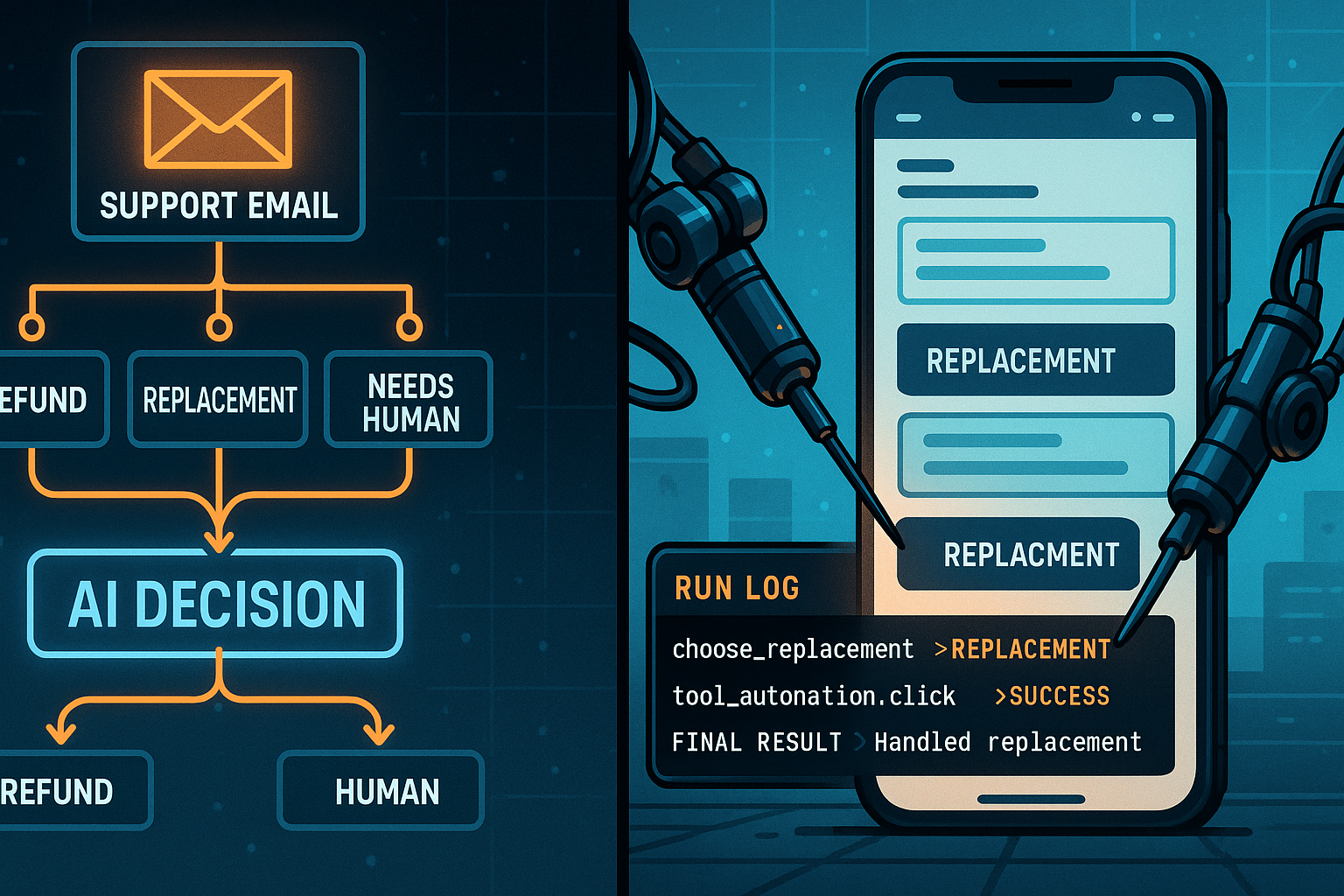
I wrapped an agent around an existing Zap. When a support email arrives, the agent picks refund, replacement, or needs human, then calls the right automation. I log the choice, tools used, and outcome. The first time a weird edge case showed up, the logs paid for themselves.
I wrap agents around trusted automations so the agent chooses and the automation executes; the logs pay for themselves.
The new role I keep seeing
On Feb 14, 2026, eBay reportedly added a VP of AI Transformation. Late is still fine, and it tells me titles and programs are formalizing. The lane I’m leaning into is agent ops. It sits between product, MLOps, and ITSM.
What I would build to learn fast
A marketplace listing assistant. Feed it a product photo and bullet points. It drafts a listing, prices it with recent comps you provide, then requests human approval before posting. Track acceptance rate, edit rate, and time saved. Document failures and the guardrails you add. That habit reads like ownership.
Security first, not later
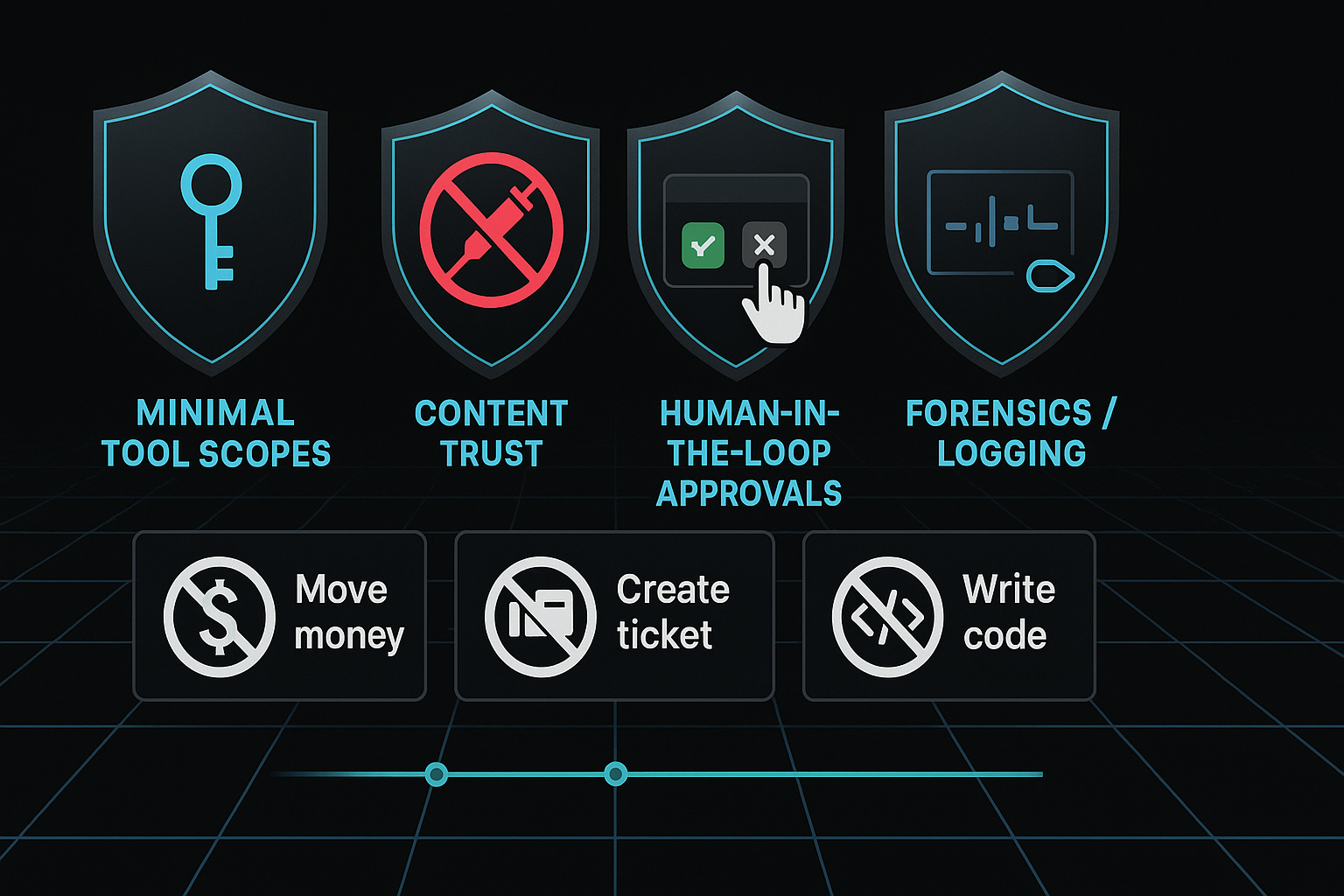
The Zenity note on Feb 14, 2026 made me formalize my security basics. In my tests, three things break most often: prompt injection from untrusted content, over-permissioned tools, and zero visibility when an agent fails. If your agent can move money, open tickets, or write code, those risks are not academic.
Starter checklist I actually use
- Tool scopes: give each tool the smallest possible permission. Read before write. Write before delete. Make permissions easy to revoke.
- Content trust: treat scraped or uploaded content as hostile. Sanitize HTML. Disable tool use when confidence is low.
- Human-in-the-loop: require confirmation the first time any destructive action is attempted, then relax gradually with rate limits.
- Forensics: log prompts, plans, tool calls, outputs, and approvals. Keep a replay link for every run so debugging takes minutes, not days.
Personalization is now coordination
One more Feb 14, 2026 angle that matched my builds lately. The old play was write a better email. The new play is coordinate the channel, timing, offer, and follow-up, or choose to do nothing when confidence is low.
I keep personalization respectful: coordinate channel, timing, offer, and follow-up, and choose to do nothing when confidence is low.
Where I start without being creepy
I ship a micro-agent with consent-first inputs: last product viewed, last purchase date, and expressed interest. It picks one tiny action: send a single message, recommend a help article, or stay quiet. Frequency caps and a hard do-nothing option keep trust high and opt-outs low.
My 7-day beginner playbook after this week
Start in a high-value, low-risk domain like compliance evidence or listing drafts. Build a narrow agent that fully completes the task and leaves a receipt of everything it did.
Wrap an agent around an automation you already trust. Let the agent choose the path and the automation execute it. Keep a human in the loop for anything destructive or customer-facing.
Add security habits on day one. Scope tools tightly, treat external content as untrusted, gate destructive actions, and log everything with replays. These basics make you shippable.
FAQ
What is agentic AI for beginners in simple terms?
Think of it as goal-driven assistants that plan steps, call tools, and adapt when things change. Instead of chatting, they finish real tasks and leave a record. Your job is to define the goal, the tools, and the guardrails, then review the results.
Do I need RPA or agents to automate first?
You can mix both. Use RPA for precise, repetitive clicks and agents to choose paths or recover from layout changes. I start by wrapping an agent around an existing Zap or RPA flow so I get decision-making without breaking what already works.
How do I secure agentic AI from day one?
Scope each tool to the smallest permission, treat external content as untrusted, require approvals for destructive actions, and log every run with a replay link. These habits stop most foot-guns and make security reviews faster.
What is a good portfolio project for AI transformation roles?
A listing assistant with an approval loop. Show metrics like acceptance rate, edit rate, and time saved. Document a failure, the guardrail you added, and the test you wrote to prevent it. That story shows judgment, not just code.
Real talk
The Feb 14, 2026 funding for Complyance told me buyers pay for agents that finish work and pass audits. UiPath’s wobble told me markets are still figuring out where value accrues, but builders do not have to wait. The Zenity piece nudged me to make security a first-class habit. If you are on the fence, ship one tiny agent this week. Not a demo. A tool you actually use.