

Agentic AI is moving faster than I expected. After a deep dive into reports published on March 14-15, 2026, five headlines completely rewired how I build and ship agents.
Quick answer: Agentic AI just got a real market signal at $139B, enterprise buyers are asking for safer defaults, the stack is shifting to cognitive infrastructure, AWS showed a practical prototype for grants, and retail is quietly operationalizing agents. If you start now with one small, auditable workflow, you will be early and useful.
I start now with one small, auditable workflow so I can be early and useful.
Morgan Stanley sized agentic AI at $139B
On March 15, 2026, Morgan Stanley publicly framed AI as a macro force and pointed to a rising 139 billion dollar agentic AI market. When a firm at that level puts a number on agents, budgets unlock and roadmaps get rewritten. That is my cue to treat experiments like pre-production work, not toys.
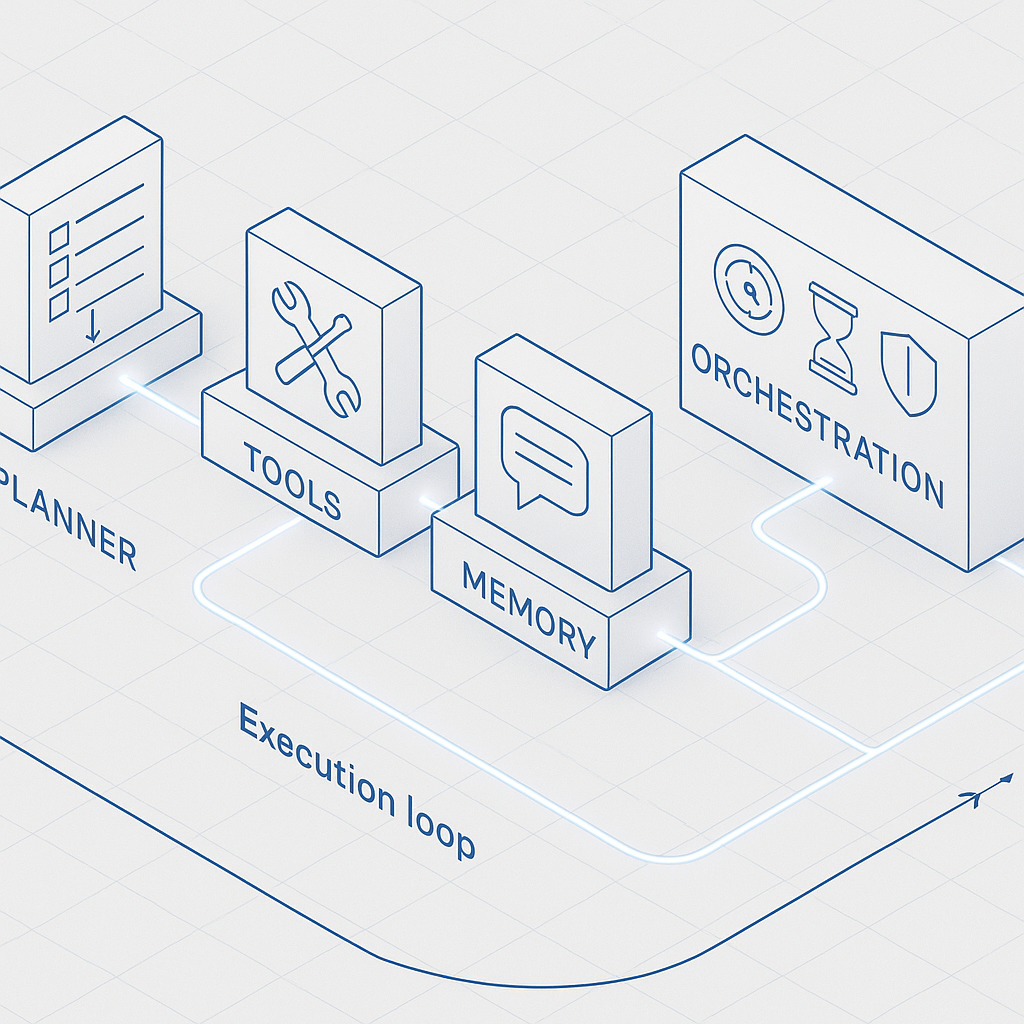
If you are new, learn the flow at a high level: planner, tools, memory, execution loop. If you code, pick one framework and ship a tiny agent that calls two APIs end to end. Depth beats breadth right now.
Figma and HubSpot sounded calm, but their disclosures say risk work is real
Also on March 15, 2026, The Information noted that Figma and HubSpot leaders were publicly unfazed by agent risks, while disclosures hinted at heavier risk management behind the scenes. That tracks with what I hear in buyer calls: optimism in the keynote, diligence in the contract.
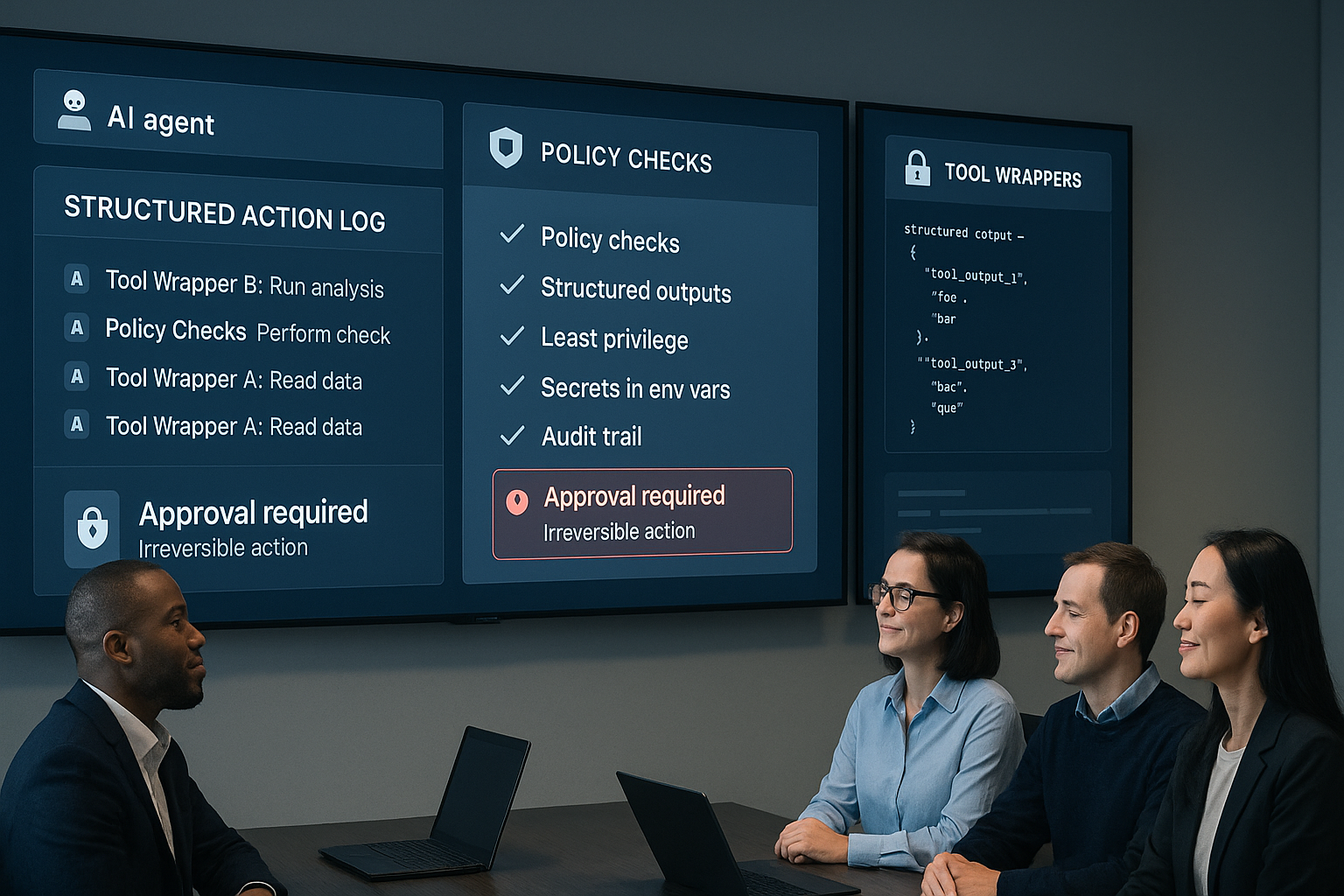
Here is how I am building because of that. I assume every agent will meet a security team. I add basic policy checks, force structured outputs, and keep a human in the loop for irreversible actions. I log everything, I keep secrets in environment variables, and I disable prompt recording in production. It is not fancy. It is respectful.
I assume every agent will meet a security team.
The stack is shifting from passive chat to agentic cognition
We are moving past smarter replies and into systems that plan, remember, and act. Think of it as cognitive infrastructure sitting above the model. The practical path that keeps working for me is boring by design.
The simple stack I trust
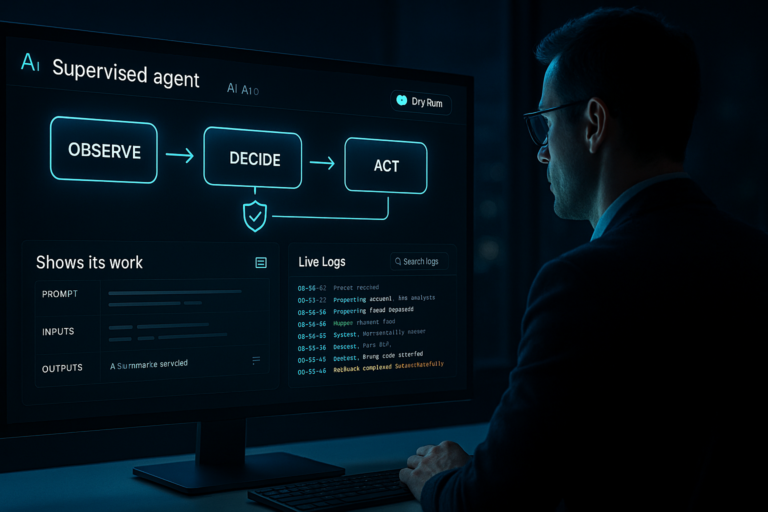
Start with a planner that breaks goals into steps. Connect only a few reliable tools. Add memory for short summaries and context. Wrap it all with orchestration that retries, times out, and enforces rules the agent cannot cross. Done is better than clever.
Done is better than clever.
AWS and UNC prototyped an agent that trims grant workflows
On March 14, 2026, AWS and a UNC researcher shared a prototype that reads, extracts, and coordinates parts of grant funding. No glossy launch. Just a real workflow getting shorter. That is exactly where agentic AI wins first.
Try this this weekend
- Automate intake: have an agent summarize a labeled inbox into one Google Doc with links and due dates.
- Draft compliance: feed one policy PDF and output a checklist you refine by hand.
- Ship safely: expose two actions only, log every call, and require approval for anything irreversible.
Even if you never touch grants, this pattern travels. Intake, structure, draft, review. I reuse the same setup in support, partner onboarding, and ops playbooks.
I reuse the same setup in support, partner onboarding, and ops playbooks.
Retail is quietly rebuilding around agents
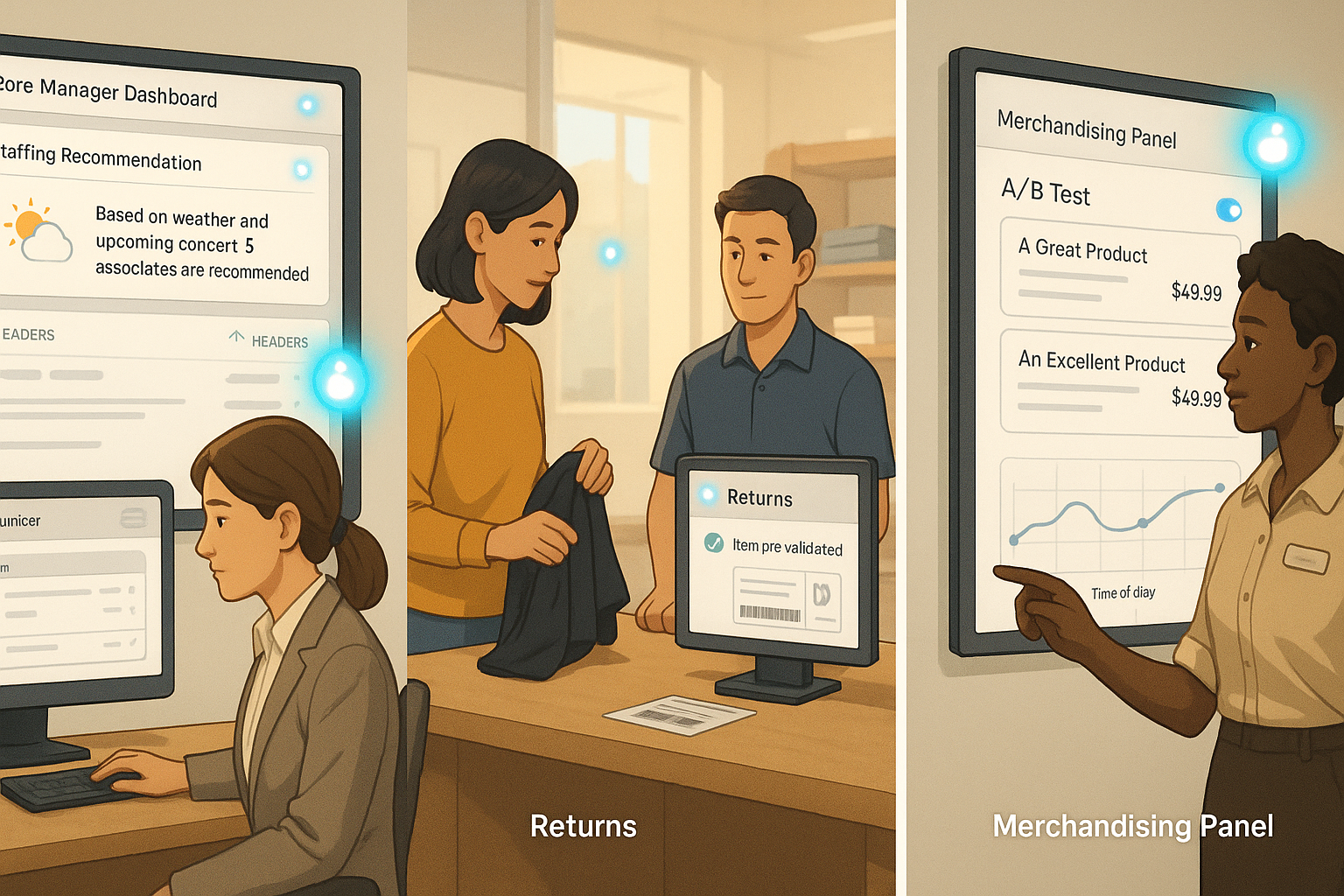
Retail hates latency. The useful agents I see are simple and specific: a manager aide that suggests staffing from weather and local events, a returns helper that pre-validates items and triggers labels, a merch assistant that A/B tests copy by time of day. None of that needs a breakthrough model. It needs clear jobs to be done and two or three well-behaved APIs.
What I am doing with this momentum
I am taking the $139B signal seriously, but I am letting the enterprise risk posture shape how I build. I pick one 30 minute task and make an agent that cuts it to 5, with an audit log and a pause for approval before anything impactful happens.
My 30 day plan is simple. Week one, map the steps of a single annoying process in plain text. Week two, wire a base agent that can plan, call two tools, and write a summary. Week three, add memory and a minimal rules policy. Week four, let a skeptical friend use it for an hour and fix the top three papercuts. No dashboards until it saves time twice in a row.
No dashboards until it saves time twice in a row.
Red flags I watch while building
Ambiguous actions: if an agent can message customers or move money, I force approvals and make it explain every step in human terms.
Data leakage: I keep prompts and logs free of secrets in production. That first audit will find whatever you forget.
Overconfident output: I treat suggestions like strong drafts and add quick checks for dates, prices, and identities.
Agentic AI FAQ
What is agentic AI in simple terms?
Agentic AI is software that plans and takes actions toward a goal using tools, memory, and feedback loops. It is not just chat. It breaks tasks into steps, calls APIs, writes results, and asks for help when stuck.
How should beginners start with agentic AI this week?
Pick one workflow you already do daily and make a tiny agent that uses two tools end to end. Add logging and a human approval step for anything risky. Focus on reliability over clever prompts and you will learn the right things in the right order.
How do I keep agentic AI safe in production?
Use least privilege access, strict tool wrappers, structured outputs, and policy checks. Keep secrets in environment variables, disable prompt logging in production, and keep an audit trail. Add one human-in-the-loop checkpoint for irreversible actions.
What are practical retail use cases for agentic AI?
Start with staffing suggestions, returns triage, and lightweight merchandising tests. These are measurable, low-risk wins that compound quickly. They do not require cutting-edge models, just clear rules and clean integrations.
Is the $139B estimate realistic?
It is a directional signal from a major firm, cited on March 15, 2026 by Morgan Stanley. Markets follow numbers like that. Use it to justify hands-on pilots, but keep your build disciplined and auditable.
My gut check
Between March 14 and 15, 2026 we got a market-sized nudge, a sober reminder on risk, a clean stack model, a public sector prototype, and retail use cases that are already paying off. If you needed a sign to start, this is it. One agent, two tools, clear logs, and a job someone needs done every day.