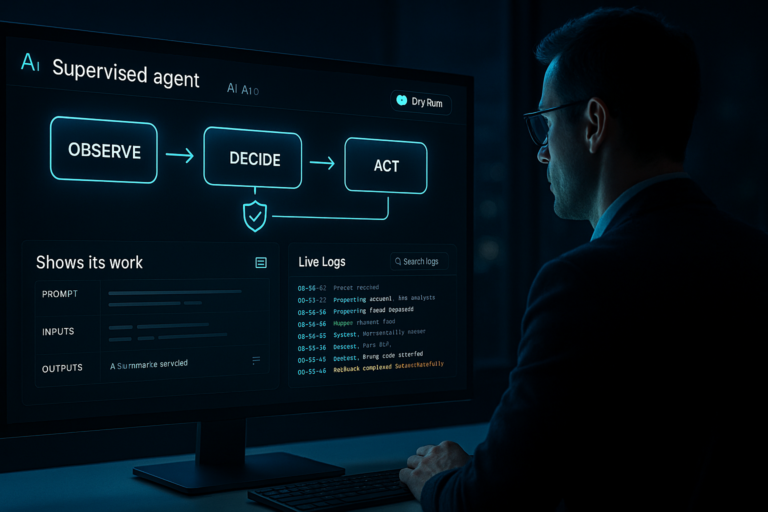


Agentic AI just clicked for me in a big way. After two days glued to GTC updates, I finally see a practical path from tinkering to real work. On March 16 and March 17, 2026, we got actual building blocks, not hype.
Quick answer: The fastest way to start with agentic AI this week is to pick one small workflow, use NVIDIA’s new open platform for rails, prototype the plan as a graph with LangChain, run it serverless, and wrap it in least privilege. The big news spans build, run, and secure: NVIDIA’s open agent platform, the Vera CPU rack for scale, LangChain’s enterprise stack, Nutanix’s AI factory approach, and SailPoint x AWS identity governance.
I start with one small workflow, prototype the plan as a graph, run it serverless, and wrap it in least privilege.
What is agentic AI, in plain English?
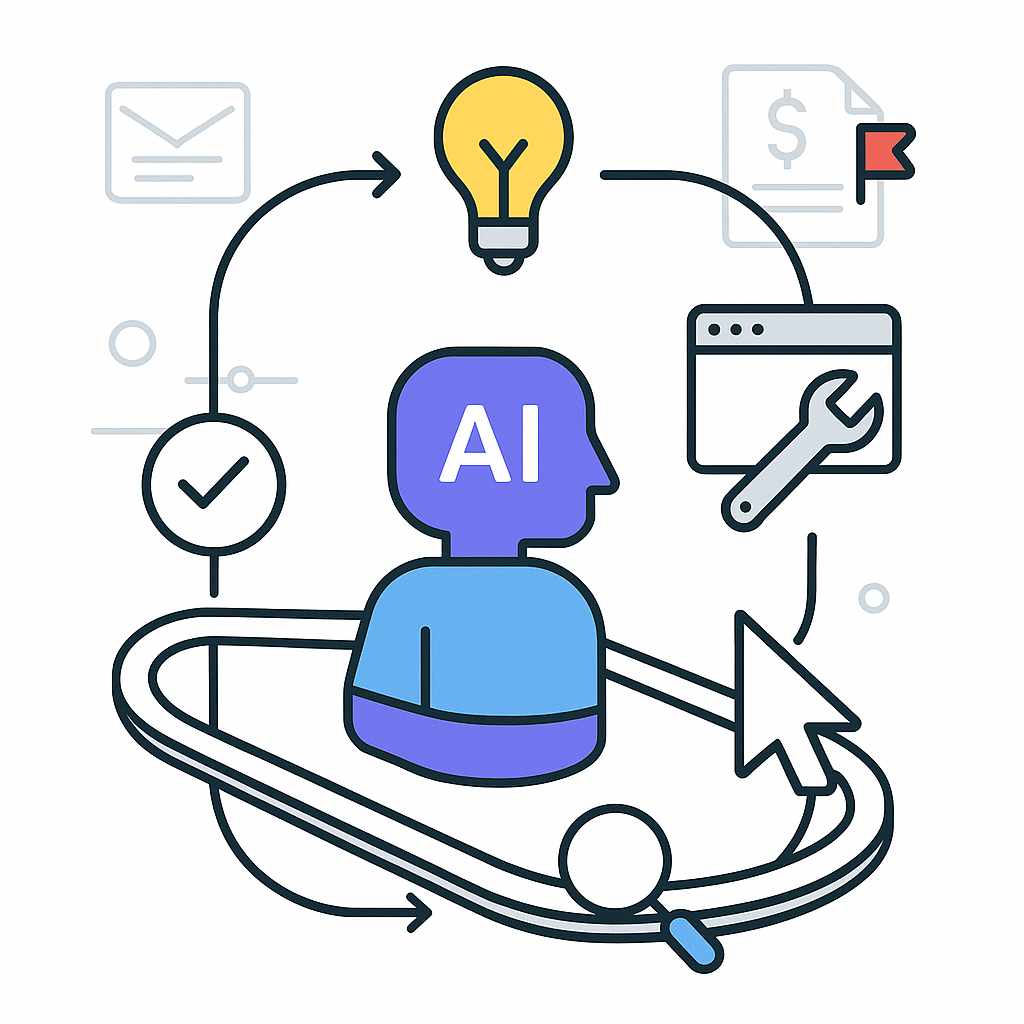
Agentic AI is where language models stop chatting and start doing. An agent plans, picks tools, takes actions, checks results, and loops until done. Instead of me asking for a draft email, I can say, “clean my inbox every morning, then flag finance-related messages” and let it run on rails.
The 5 GTC reveals I won’t ignore
NVIDIA’s open agent development platform for knowledge work
On March 17, 2026, NVIDIA announced an open platform to build and run work agents for research, summarization, support, and more. The word open is the tell. It signals reusable patterns, community skills, and a real ecosystem. You can skim the newsroom piece here: NVIDIA open agent development platform.
Why it matters to me: beginners need rails, not blank canvases. Opinionated planning, tool use, memory, and evaluation remove most first-timer gotchas.
I choose rails over blank canvases so first-timer gotchas disappear.
How I’d try it: pick a boring workflow like “turn 5 competitor links into a weekly brief” and wire up just two tools to start. Keep logs on so you can replay steps.
NVIDIA’s Vera CPU rack for agent scale
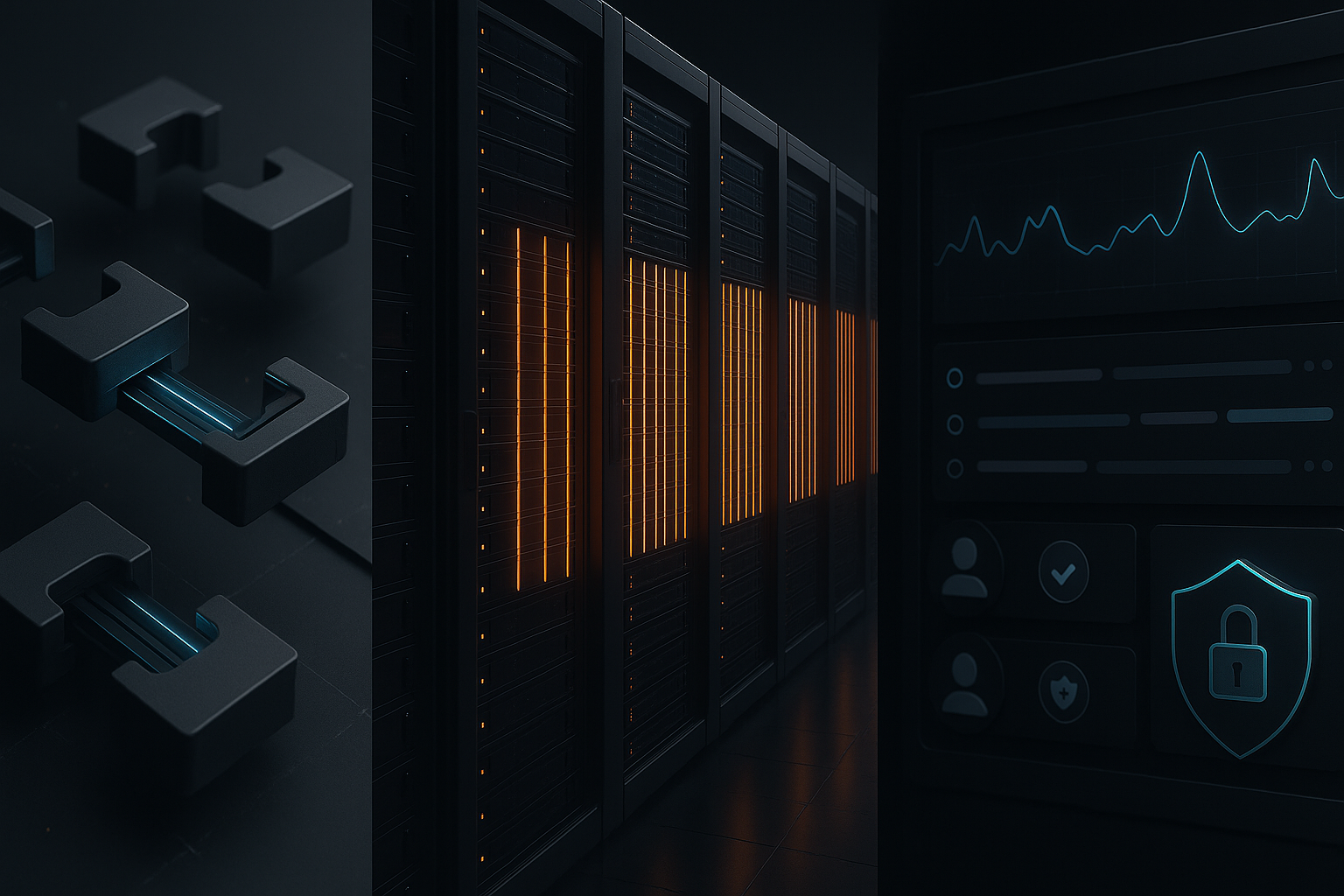
Also on March 17, 2026, NVIDIA revealed the Vera CPU rack to run tens of thousands of lightweight agent instances in parallel. The message is clear: many small jobs, not one giant do-everything model. Details via The Fast Mode: Vera CPU rack.
Why it matters to me: cloud pricing and tooling will tilt toward pay-per-run agents, better queues, and built-in observability. That lowers the bar for small teams.
How I’d try it: embrace serverless and short-lived tasks. If an agent runs longer than a few minutes, split the plan and save state between steps.
I embrace serverless and short-lived tasks, and if an agent runs longer than a few minutes I split the plan and save state.
LangChain’s enterprise agentic AI platform with NVIDIA
On March 16, 2026, LangChain announced an enterprise platform built with NVIDIA that leans into clear tools, state, and control flow. See the announcement: LangChain enterprise platform.
Why it matters to me: most people quit when they can’t debug. Production-grade traces, replays, and versions are oxygen for shipping.
I treat production-grade traces, replays, and versions as oxygen for shipping.
How I’d try it: sketch the plan as a LangGraph, get step-by-step visibility, then lift that same graph into the enterprise stack when you need audit trails and RBAC.
Nutanix’s full-stack approach for enterprise AI factories
On March 17, 2026, Nutanix pitched a full-stack software solution for repeatable AI factory pipelines: data in, agent work, governed outputs. It’s the kind of packaging IT can approve without drama.
Why it matters to me: data gravity and governance kill a lot of pilots. One place for storage, compute, orchestration, and security means your proof of concept can breathe.
How I’d try it: define your agent as a station with inputs, outputs, and acceptance criteria, then plug it into existing data pipelines so handoffs are clean.
SailPoint x AWS identity governance for agents
Also on March 17, 2026, SailPoint and AWS teamed up on a unified identity governance layer for agentic AI. It’s not flashy, but it’s exactly what keeps agents from overreaching in calendars, docs, or finance systems.
Why it matters to me: least privilege, approvals, and audit by default turn a cool demo into a safe, durable workflow.
I default to least privilege, approvals, and audit so a cool demo becomes a safe, durable workflow.
How I’d try it: give every agent its own identity, restrict permissions to the minimum, and log every tool call. On AWS, lean on managed policies, session boundaries, and API allow lists.
My 7-day action plan to ship something real
I like small wins I can repeat. Here’s how I’m mapping the news to a tiny, useful agent this week.
- Pick one measurable task end to end. Mine: compile a weekly brief from 5 URLs and draft a 150-word summary for my team chat.
- Prototype as a simple graph: fetch, summarize, rank, format. Use tooling with step-wise traces.
- Add exactly two tools at first: a web fetcher and a formatter. Keep the surface area tiny.
- Wrap with identity and logging. Separate credentials and capture each decision.
- Run on a schedule in a serverless environment. If it stalls or costs spike, split the plan.

Beginner pitfalls I keep seeing
Overscoping your first agent
“Do my marketing” is a wish, not a task. “Turn five links into a brief every Friday at 3 pm” is specific enough for an agent to win.
No permission boundaries
Never hand over master keys. Scoped credentials, approvals for sensitive actions, and audit logs should be there from day one.
Zero observability
If you can’t replay the steps, you can’t trust the output. Choose tools that record plans, tool calls, and reasoning traces.
Skipping evaluation
Define success before you code. For my brief: correct links, accurate summaries, and under two minutes of reading time. Binary checks beat vibes.
FAQ
What is agentic AI and how is it different from a chatbot?
Agentic AI plans tasks, chooses tools, acts, and verifies results. A chatbot responds in a single turn. Agents run multi-step workflows like fetching data, writing drafts, and updating systems without me micromanaging every step.
Do I need GPUs to start with agentic AI?
No. Start serverless with small tasks and short-lived runs. The market is moving toward lots of lightweight agents in parallel, which maps well to affordable cloud services and pay-per-run pricing.
Is enterprise tooling like LangChain’s overkill for beginners?
Not if you use it for visibility. Seeing a graph of your plan and replaying traces saves hours. You can start small locally and graduate to the enterprise stack when you need RBAC and audits.
How do I keep agents from doing too much?
Use least privilege identities, explicit allow lists, and human-in-the-loop approvals for sensitive actions. Log every tool call, then review and tighten permissions as your agent matures.
What’s the fastest first project I can ship?
Pick a weekly report. Have the agent pull 5 links, summarize, rank for relevance, and format for your team chat. You’ll learn planning, tool use, logging, and evaluation in a tight loop.
My take
I’ve been waiting for agentic AI to stop feeling like duct-taped scripts. The March 16 and March 17, 2026 announcements finally line up the stack: open patterns for building, infrastructure for massive parallel runs, orchestration I can deploy, and identity governance I can trust. If you’ve been lurking, this is your nudge. Start tiny, keep it observable, and keep permissions tight. The boring wins compound fast.