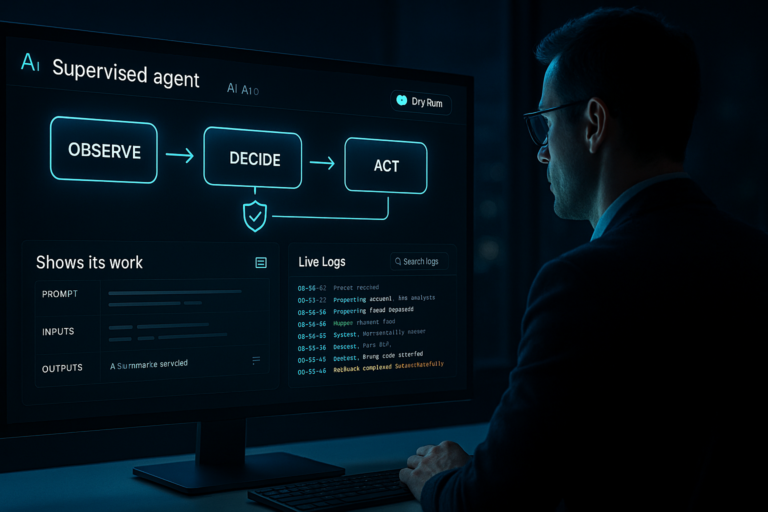


Agentic AI launches hit different today
Agentic AI launches finally clicked for me today. On March 18, 2026, I sat inside the firehose and watched five updates turn agents from chatbots into actual doers, the kind that plan, call tools, and finish the job.
Quick answer: March 18, 2026 delivered five practical shifts: Nvidia pushed an open agentic stack, Snowflake introduced SnowWork for business execution, Qualcomm said devices are becoming operators, Torq rolled out a natural-language builder for security workflows, and POP.STORE launched commerce agents for creators. If you start now, pick one low-risk workflow and keep your tools open and swappable.
I start with one low-risk workflow and keep my tools open and swappable.
What is agentic AI in plain English?
Agentic AI is automation with a brain. You describe the outcome, the agent figures out the steps, chooses the right tools, checks its own work, and loops until it’s done. Think proactive assistant, not just a draft machine. Don’t stress the buzzwords. The only test that matters: can it turn your intent into actions across your apps, data, and devices?
I don’t stress buzzwords; I ask if it can turn my intent into actions across my apps, data, and devices.
Why March 18 mattered
I track launches every week, and today felt like scaffolding, not hype. Openness, real execution for business users, on-device speed and privacy, safer security workflows, and creator-friendly automation all showed up in one day. Here’s what stood out and how I’d approach it if you’re just getting started.
Nvidia sketched the open agentic world
What happened
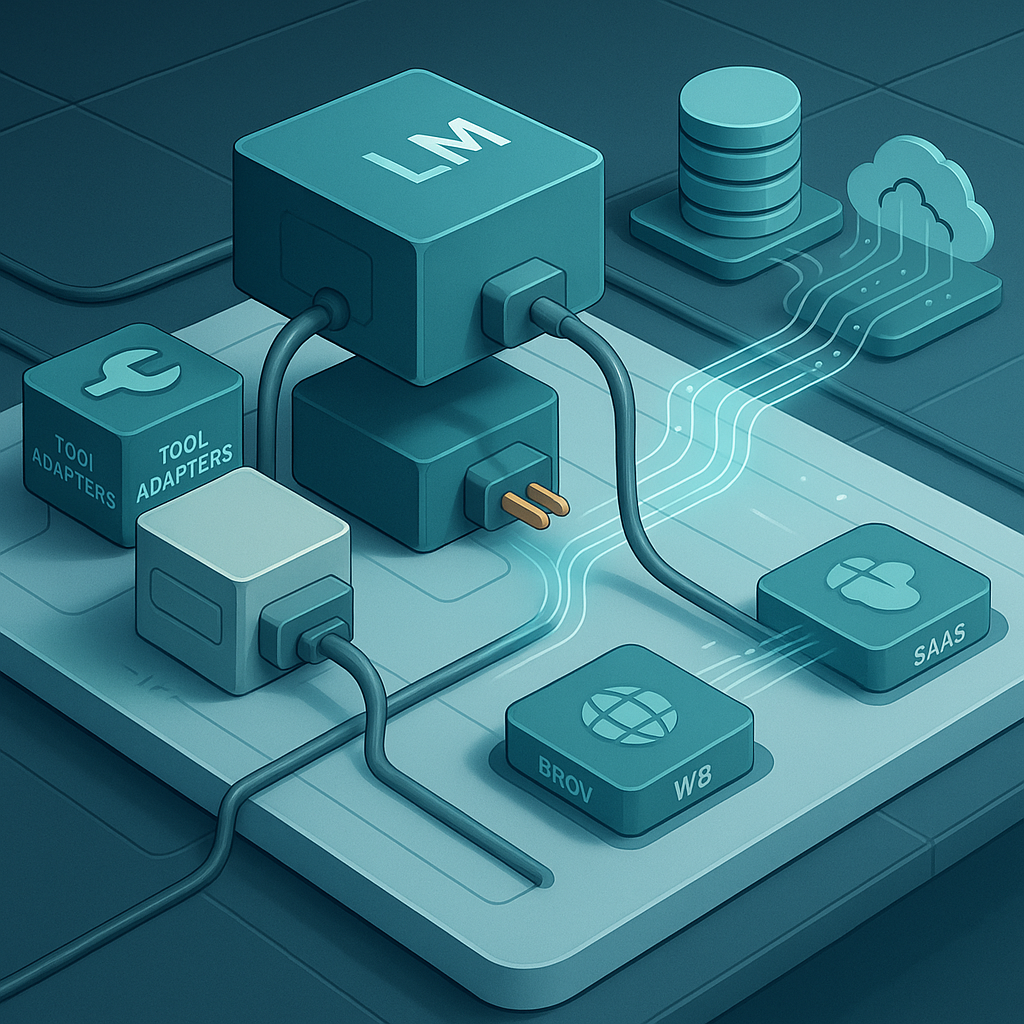
GTC coverage highlighted Nvidia’s vision for an open agentic AI world, where interoperability isn’t optional. If agents are going to work across teams, tools, and data, open building blocks have to win. I liked how The Next Platform framed it.
Why this matters to beginners
When you hear open, read it as future-proof. You don’t want to be boxed into one vendor’s definition of an agent. Pick runtimes and frameworks that swap models, add tools, and speak normal web standards. It’s the difference between a fun week and a rebuild six months later.
I read open as future-proof and pick runtimes and frameworks that swap models, add tools, and speak normal web standards.
My take
I’ve hit walls with closed agent tools the minute I needed a weird connector. Nvidia’s nudge toward open building blocks is the right call. Keep your options open by default.

Snowflake made agents usable for business users
What happened
Snowflake launched Project SnowWork today to bring agentic execution to the people who live in spreadsheets and dashboards, not just engineers. CRN Asia summed it up well.
Why this matters to beginners
If your company already runs on Snowflake, this is a low-friction onramp. You don’t need to stand up an MLOps pipeline to test an agent on a routine task. Just remember the basics: clear intent and clean data still drive outcomes.
If my company already runs on Snowflake, I treat SnowWork as a low-friction onramp and remember that clear intent and clean data still drive outcomes.
My take
It’s the first packaging of agent execution I’ve seen that regular operators can use without babysitting a dev. If you’re data-adjacent, volunteer one safe workflow like forecast prep or weekly KPI rollups.
Qualcomm said your phone is becoming an operator
What happened
On March 18, Qualcomm framed it bluntly: agentic AI turns devices into active operators. Your phone or laptop won’t just answer questions; it will run tasks locally, keep context, and act for you. Investing.com captured the angle.
Why this matters to beginners
On-device agents change the daily feel of automation. Lower latency, better privacy, and fewer cloud round trips. Imagine your phone catching a meeting change, shifting your commute alert, drafting the follow-up, and pulling the right files without you tapping anything.
I look for on-device agents to get lower latency, better privacy, and fewer cloud round trips.
My take
If you’re buying hardware this year, prioritize strong NPUs and agent APIs. Even small wins like context-aware drafting add up fast when they run locally.

Torq gave security teams a natural-language builder
What happened
Torq unveiled Agentic Builder that lets security teams state a goal in plain English and have an agent wire the workflow across their tools. If you’ve ever stitched alert triage by hand, you know why this matters.
Why this matters to beginners
Even if you’re not in a SOC, the lesson is universal: the easiest onramp to agentic AI is translating intent to action in your existing stack. You can mirror this with lightweight tools and an LLM that plans before it executes.
My take
Security will prove agents first because the work is repetitive, noisy, and measurable. Start read-only, have the agent propose actions, then grant autonomy as trust grows.
Creators just got an agentic commerce helper
What happened
POP.STORE announced an agentic AI commerce platform for creators on March 18. The pitch is simple: let an agent handle the store busywork so you can focus on making.
Why this matters to beginners
If you sell digital goods, POD, or small-batch items, a commerce agent can manage catalog updates, lightweight customer replies, promo timing, and repeat ops. Not perfect, but for solo creators, 70 percent automation is real freedom.
My take
Keep a human hand on pricing and brand voice. Offload inventory syncs, routine emails, and simple promos first. If quality holds for two weeks, expand the scope.
How I’d start this week
I aim for tiny, real wins. Pick one workflow you already do weekly and turn it into a describe-the-outcome, let-the-agent-plan experiment. Reporting rollups, content drafts, or simple outreach sequences work great. Favor tools that are open and swappable. Your future self will thank you.
- Pilot one safe task in your stack, ideally with read-only access first
- Track time saved, errors avoided, and approvals needed each run
- Swap models or connectors early to verify your stack stays flexible
Keep your guardrails tight
I don’t ship any agent without three basics: audit logs, clear scopes, and human-in-the-loop for anything that can move money, data, or customer comms. Agents love to be helpful in the wrong places if you don’t draw lines. Start with the smallest permission set that lets the workflow succeed and expand only as trust builds.
I don’t ship any agent without audit logs, clear scopes, and human-in-the-loop, and I start with the smallest permission set and expand only as trust builds.
FAQ
What exactly is agentic AI?
It’s outcome-first automation. You state a goal, the agent plans steps, calls tools, checks results, and iterates until done. It’s less chat, more doing, and it should plug into your existing apps and data without duct tape.
Do I need to code to try this?
No. Tools like Snowflake’s SnowWork aim at business users, and plenty of low-code options let you pair an LLM with your workflows. Coding helps for edge cases, but you can get real wins without it.
What’s the benefit of on-device agents?
Lower latency, better privacy, and resilience when the network is flaky. With stronger NPUs and agent APIs on modern phones and PCs, simple routines run locally and feel instant.
How do I avoid agents going off-scope?
Define strict permissions, log everything, and keep a human approval step for impactful actions. Start read-only, have the agent propose actions, then gradually grant autonomy as its accuracy proves out.
What should I try first?
Pick a low-stakes, high-repeat workflow you already know cold. Document the desired outcome, let the agent plan, then measure results. If it saves time without adding cleanup, keep going.
Final take
Agentic AI launches on March 18, 2026 felt like the moment products caught up with the promise. Nvidia pushed openness, Snowflake made execution accessible, Qualcomm moved intelligence closer to you, Torq turned intent into action for security, and POP.STORE gave creators their time back. Start small, be specific about outcomes, and keep your stack flexible. I’ll keep testing and sharing simple playbooks that don’t assume a 20-person engineering team.