
Agentic AI for Beginners: What I’m Doing After Today’s 4 Big Updates
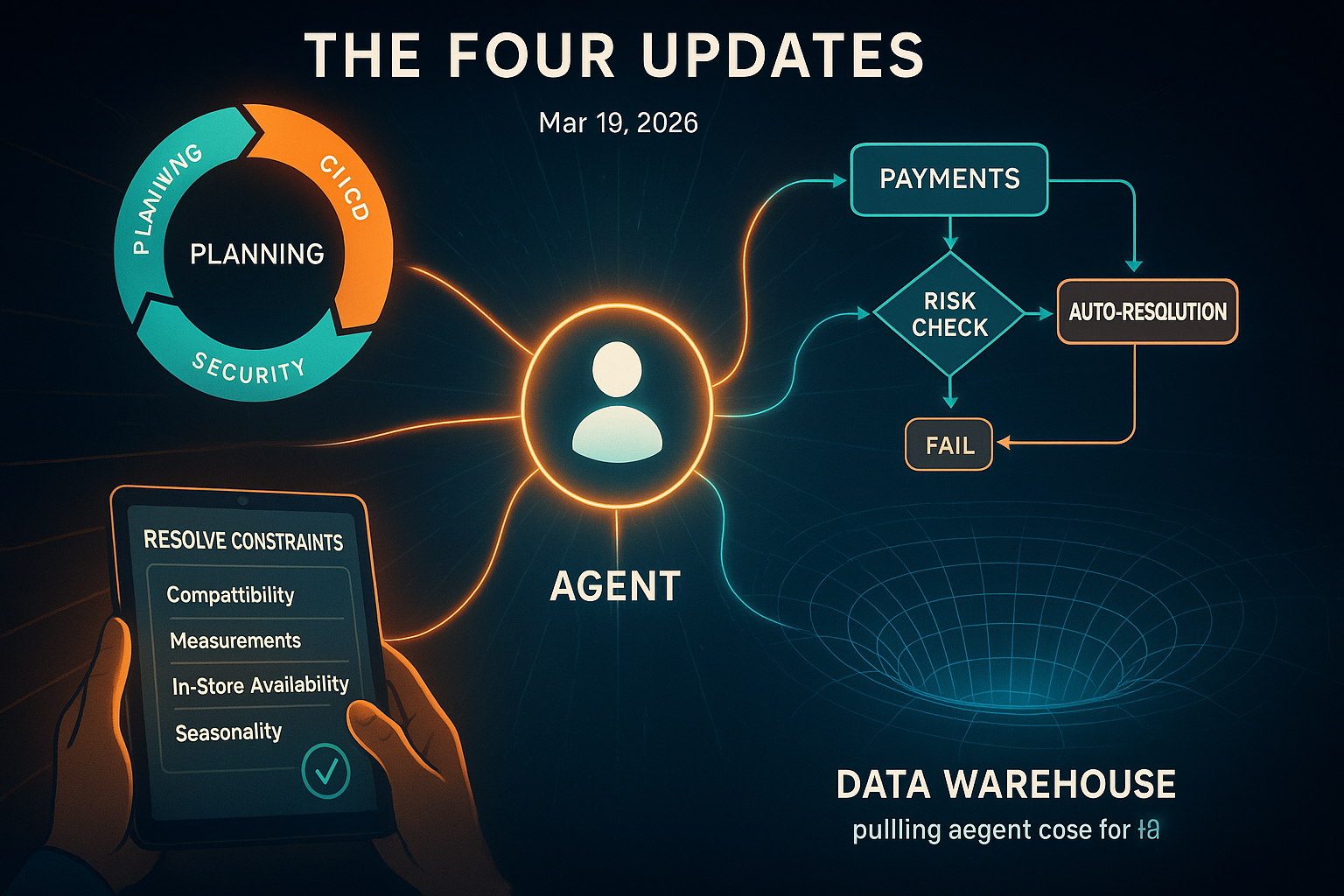
Agentic AI for beginners just got real. On March 19, 2026, I woke up to four moves from GitLab, PayPal, Google Cloud with Kingfisher, and Snowflake that made the shift feel official and practical.
If you’re starting now, this is the moment. I’ll show you what changed, why it matters, and exactly how I’d get hands-on this week without getting lost in jargon.
Quick answer
If you’re new to agentic AI, pick one workflow you already own and make it outcome-first. Map 5 to 7 steps, centralize the key data, and try a platform-native agent where your work already lives. Add one guardrail, automate one handoff, and measure one metric you care about. Do this once, then expand. That’s it.
I add one guardrail, automate one handoff, and measure one metric I care about. Then I do it once and expand.
Fast refresher: what is agentic AI?
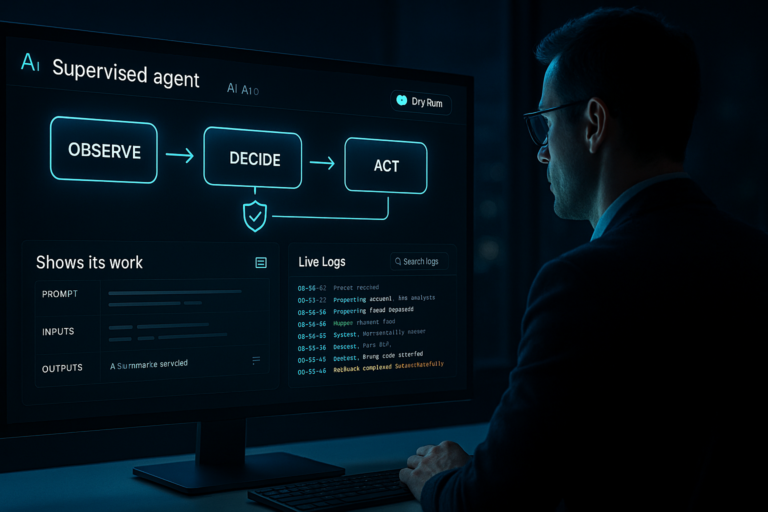
Instead of a chatbot that only replies, an agent plans steps, calls tools, checks its work, and moves toward a defined outcome. Think file the bug, write the test, run the check, open the PR. Or find the right drill, verify compatibility, check stock, compare prices, place the order. Agents are built to get things done.
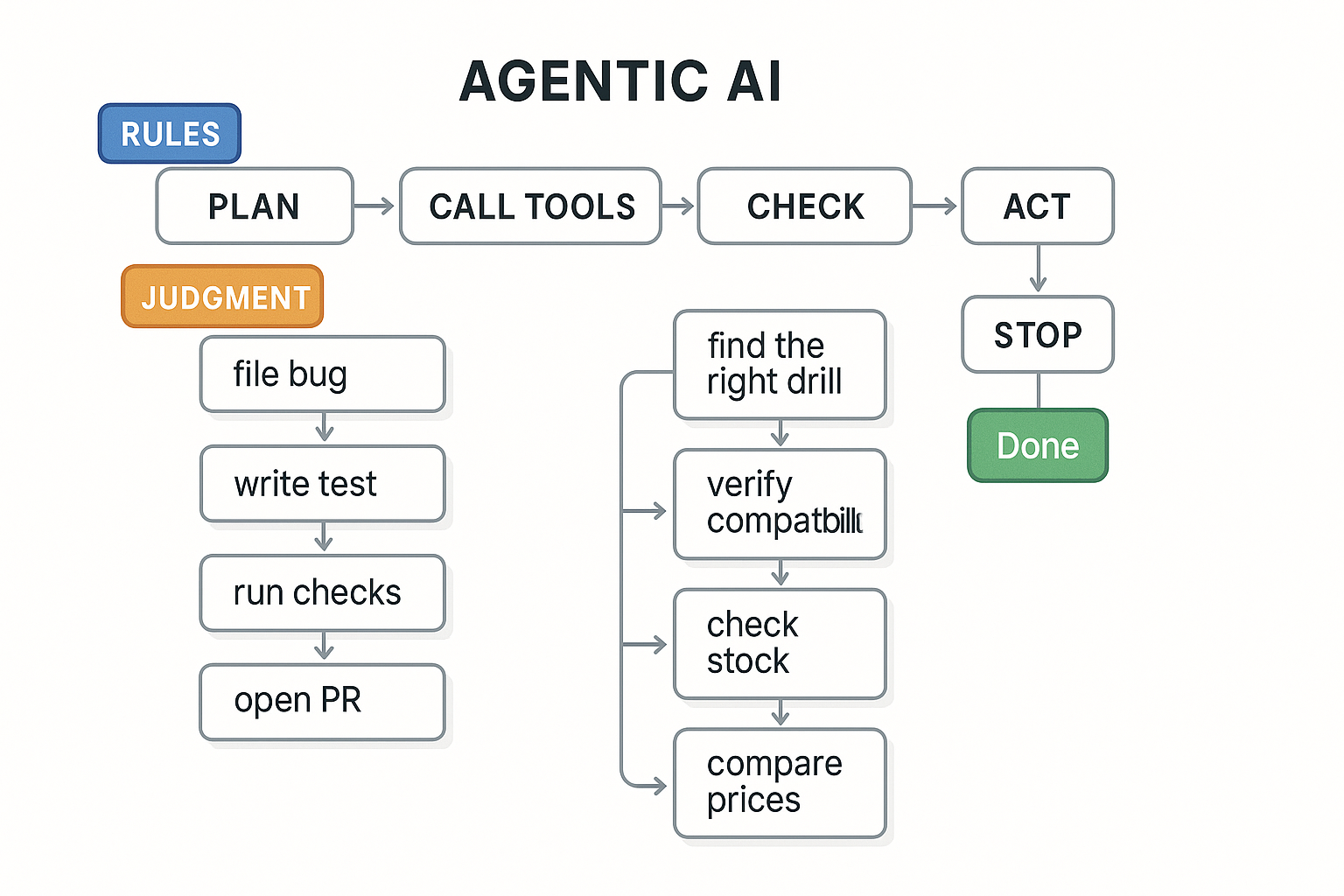
What changed on March 19, 2026
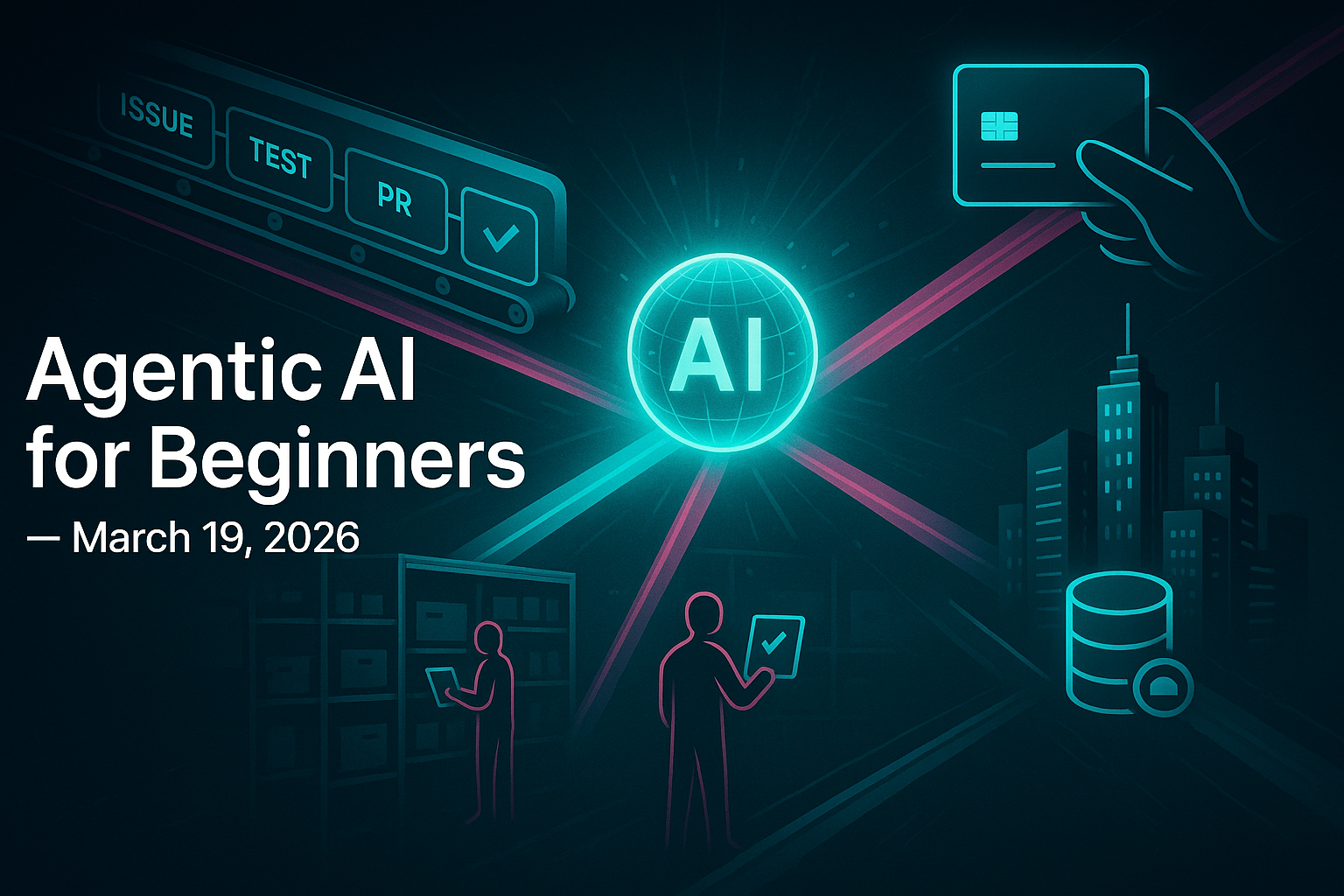
Today felt like a mini inflection point for me. Four announcements landed in one morning, and together they point to the same thing: agentic AI is moving from cool demos to default infrastructure.
GitLab widened access and cut friction
GitLab announced broader and more affordable agentic AI across the software lifecycle, and that phrasing matters. It’s not just code suggestions anymore. It’s issue to merge to release, where agents sit on the conveyor belt of real work.
Why this matters if you’re starting
When agents live inside planning, CI/CD, and security, you get fewer handoffs and fewer did we remember moments. It’s the best sandbox if you want to learn how agents think in steps and how to nudge them toward reliable outcomes.
I put agents inside planning, CI/CD, and security so I get fewer handoffs and fewer did we remember moments.
What I’d try
I’d spin up a tiny repo, write down a 3 step loop I repeat, and let the agent handle the glue. Even if you’re not a dev, shadowing this shows you how step planning, tool calls, and checks fit together.
PayPal went plug and play
PayPal revealed a plug and play agentic AI platform. In payments, repeatable, high stakes tasks are everywhere – verifying details, checking risk, nudging users to fix a failed charge. Standardized building blocks let small teams focus on guardrails and KPIs, not custom infra.
Why this matters if you’re starting
If you work in ops, support, or a small startup, this lowers the activation energy. Agents love repeatables. You mark what is a rule and what needs judgment, then route judgment calls to a human at the right moment.
I label what is a rule and what needs judgment, and I route judgment calls to a human at the right moment.
What I’d try
I’d sketch one flow I actually own, like invoice follow ups. Map a happy path and a fix it path. Label the rule steps and the judgment steps. That clarity makes plug and play tools click.
Retail got concrete with Google Cloud and Kingfisher
Home improvement is messy – compatibility, measurements, in store availability, seasonality. Seeing Google Cloud help Kingfisher roll out agentic shopping assistants on March 19 tells me these assistants can navigate real constraints, not just chat about products.
Why this matters if you’re starting
Watch how retail assistants break down intent. Clarify the goal, check constraints, fetch context, then propose a plan. That is the agentic pattern you can reuse for marketing ops, IT helpdesk, or any internal workflow you run.
Snowflake pulled agents to the data
Snowflake introduced Project SnowWork, and the subtext is simple. Data gravity wins. Pull the agent to your warehouse for safer, faster context instead of duct taping APIs and hoping nothing breaks.
Why this matters if you’re starting
Agents are only as good as their context. Keeping logic close to truth means less CSV chaos and more auditable, testable steps you can actually ship.
I keep logic close to the source of truth because agents are only as good as their context; it cuts CSV chaos and makes steps auditable.
A simple 1 week starter plan I’d actually follow
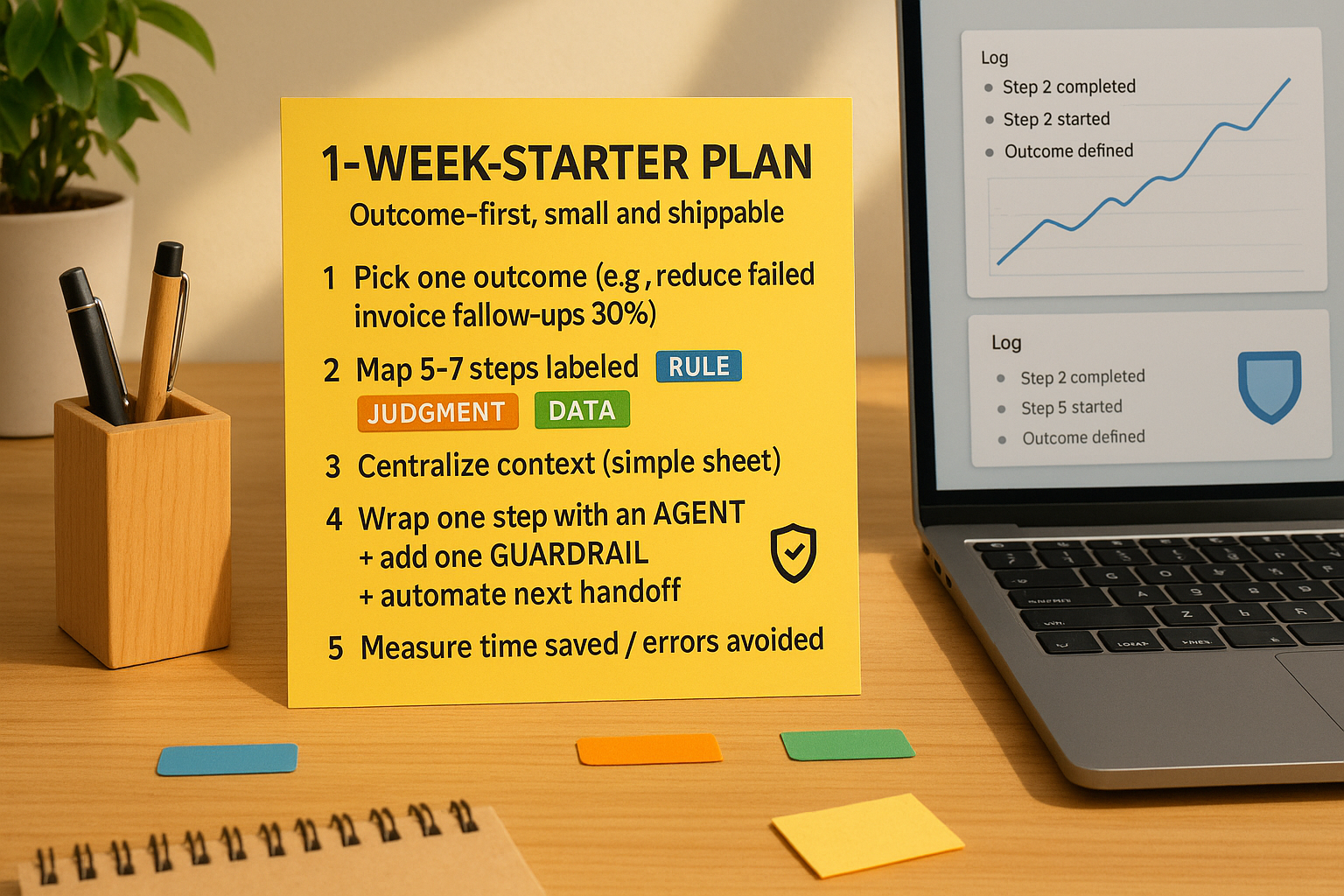
I like plans that fit on a Post it. Use today’s updates as a compass, not a script, and get one useful outcome shipping this week.
- Pick one outcome you care about and write it clearly, like reduce failed invoice follow ups by 30%.
- Map 5 to 7 steps and label each as rule, judgment, or data needed.
- Centralize the context in one place – even a clean Google Sheet works.
- Wrap one step with an agent, add one guardrail, then automate the next handoff.
- Measure time saved or errors avoided, then add one more step only if it worked.
Common beginner mistakes I keep seeing
Launching an agent without a stopping condition. Agents wander. Define done in plain language, like stop after the pull request is open and tests pass.
I always set a hard stopping condition so agents don’t wander; for code, I stop after the pull request is open and tests pass.
Mixing rules and judgment in the same step. Split them. Let rules run automatically and route judgment to a human or a separate, well prompted agent.
Ignoring observability. Keep a simple log of what tool was called, with what input, and what happened. When something goes sideways, those breadcrumbs save you.
If you only remember one thing
Agentic AI for beginners is not about picking the perfect model. It is about outcomes, steps, and clean context. The March 19 updates across development, payments, retail, and data clouds tell the same story – agents are moving to where work already happens. Start there, keep it small, and ship.
FAQ
What is agentic AI in simple terms?
An agent plans steps, calls tools, checks its work, and stops when a clear outcome is met. It is like a reliable teammate that follows a playbook, not just a chatbot that replies.
What should beginners learn first for agentic AI?
Start with outcome design and step mapping. Learn to separate rules from judgment, define stopping conditions, and keep your data tidy in one place. Tools change, these basics do not.
Do I need my own model to start?
No. The fastest path is using agents packaged in platforms you already use. GitLab, PayPal style plug and play, and data warehouse options show you can get results without model tinkering.
How do I stop agents from going off the rails?
Set a hard stopping condition, add confidence checks, and escalate sensitive cases to a human. Log tool calls and outputs so you can debug quickly and adjust prompts with evidence.
Which platform should I pick first?
Pick the one closest to your work. If your bottleneck is code and CI, try GitLab. If it is payments ops, try plug and play building blocks. If your truth lives in the warehouse, keep the agent near the data.