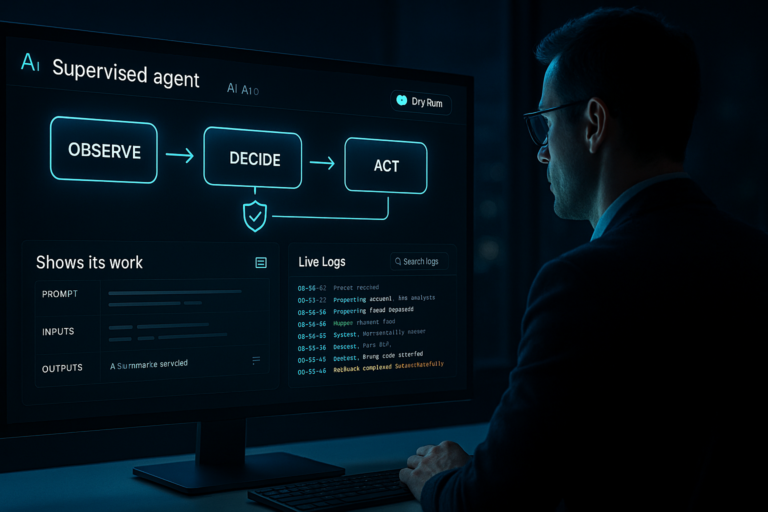


Agentic AI finally feels real to me. After months of tinkering with tiny automations, March 25, 2026 was the first time I saw mainstream pieces click into place for real autonomy across tools, money, data, and on-chain workflows.
Quick answer
Agentic AI means an AI plans and executes steps without constant nudging. On March 25, 2026, four signals made it practical: Claude added Auto Mode for hands-off execution, Starling shipped an agentic money manager, Oracle pushed data-native reasoning, and Solana framed its network as agent infrastructure. If you start now, you can ship a small agent this weekend.
I start now so I can ship a small agent this weekend.
What changed on March 25, 2026
Here’s the short version I watched unfold. Anthropic’s Claude introduced Auto Mode so it can choose steps and keep going without babysitting, covered by AI Business. Starling announced the UK’s first agentic AI money manager for everyday banking, reported by The Fintech Times. And the Solana Foundation said the network is becoming core infrastructure for an agentic internet, highlighted by CoinDesk. Oracle also put a flag in the ground with 26ai to tighten reasoning around live enterprise data.

Agentic AI in one breath
Agentic AI is an assistant that decides what to do next. It plans, calls tools, clicks buttons, sends emails, checks results, and loops until done. Think doer, not just talker.
Claude Auto Mode: less babysitting, more done
Auto Mode is the feature I’ve been waiting for. Give Claude a goal, let it plan steps, call tools, and continue without you poking it every two minutes. If you’ve ever watched an assistant stall because it couldn’t see the next step, this is the fix.
I give Claude a clear goal, let it plan steps, call tools, and keep going without me poking it every two minutes.
How I test Auto Mode in under 30 minutes
I keep it small and winnable: a weekly team update drafted from messy notes and a project board. I point the agent at a single source of truth, ask it to outline a plan, then let it run the plan end to end without micromanaging. Here are the only rules I follow:
- Use one canonical doc with links and context so it never guesses where to look.
- Ask for a plan first, then tell it to execute the plan end to end.
- Only step in if it is truly stuck so you learn what tools or access it actually needs.
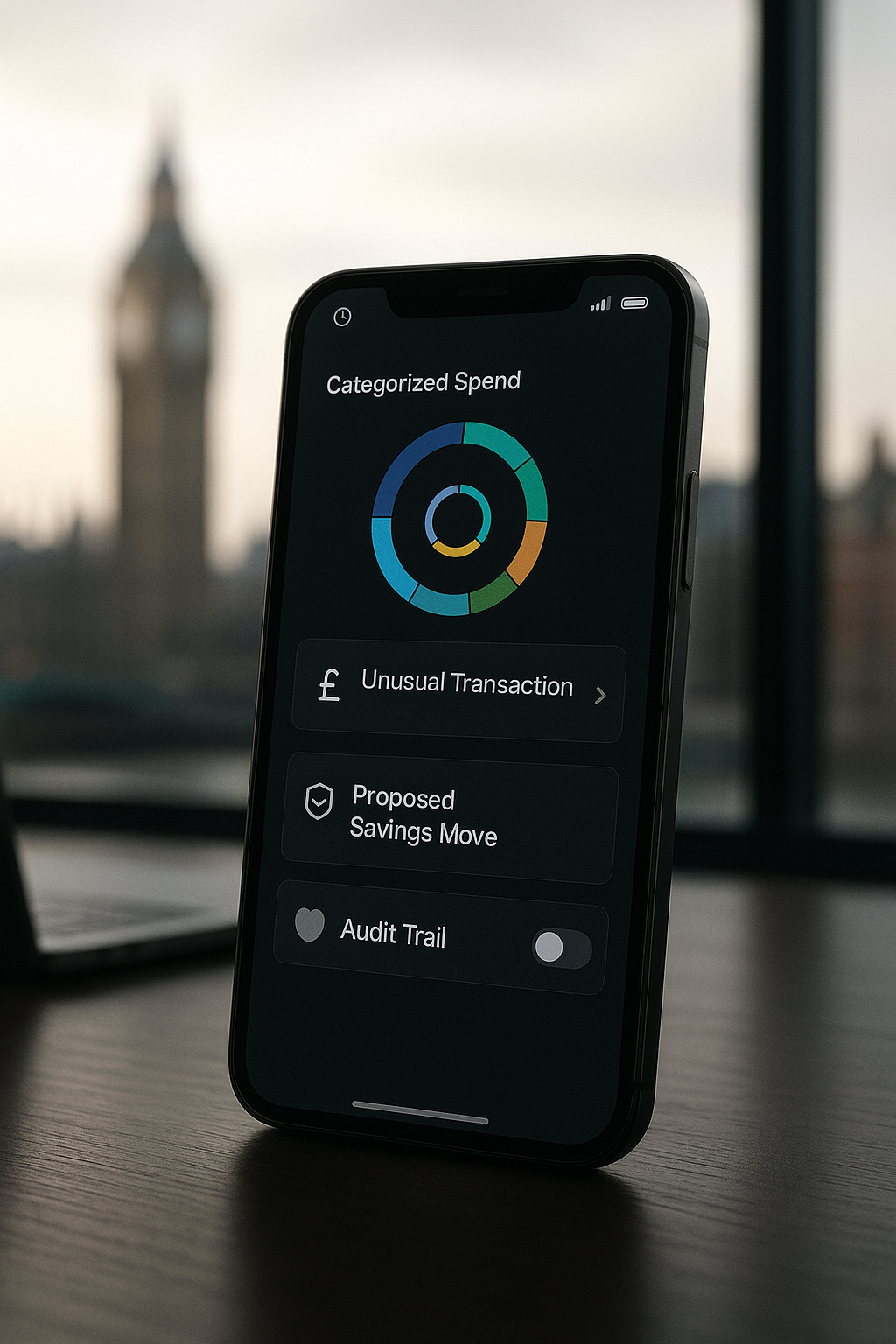
Starling’s agentic money manager is a real consumer test
Starling calling this the UK’s first agentic AI money manager matters because it puts autonomy where your money lives. For me the lesson is simple. Trust is the moat, and recurring action beats chat every time. The best personal agents run quietly on a schedule with a clean audit trail and clear opt-ins.
I optimize for trust and recurring action because it beats chat every time.
Not in the UK? You can still rehearse the loop. Export transactions, let a tool-using agent categorize spending, flag anomalies, and propose a savings move for you to approve. It’s not as slick as bank-native access, but it trains you to think in loops instead of one-off prompts.
Oracle’s 26ai and the missing data layer
The unsexy truth is agents fail without reliable reads, durable memory, and safe writes. That is the gap Oracle is aiming at with 26ai. Even if you never touch Oracle, the pattern is portable: name your queries, log every task and decision, and keep writes constrained and reversible so rollbacks are easy.
I name my queries, log every task and decision, and keep writes constrained and reversible so rollbacks stay easy.
What I’m changing in my builds
I treat data as a first-class tool now. I define permissioned read endpoints the agent can call by name, keep a durable task and decision log so I can audit behavior, and gate all writes behind tight schemas and approvals. A small Postgres or SQLite setup with named queries and a task_log table goes a long way.
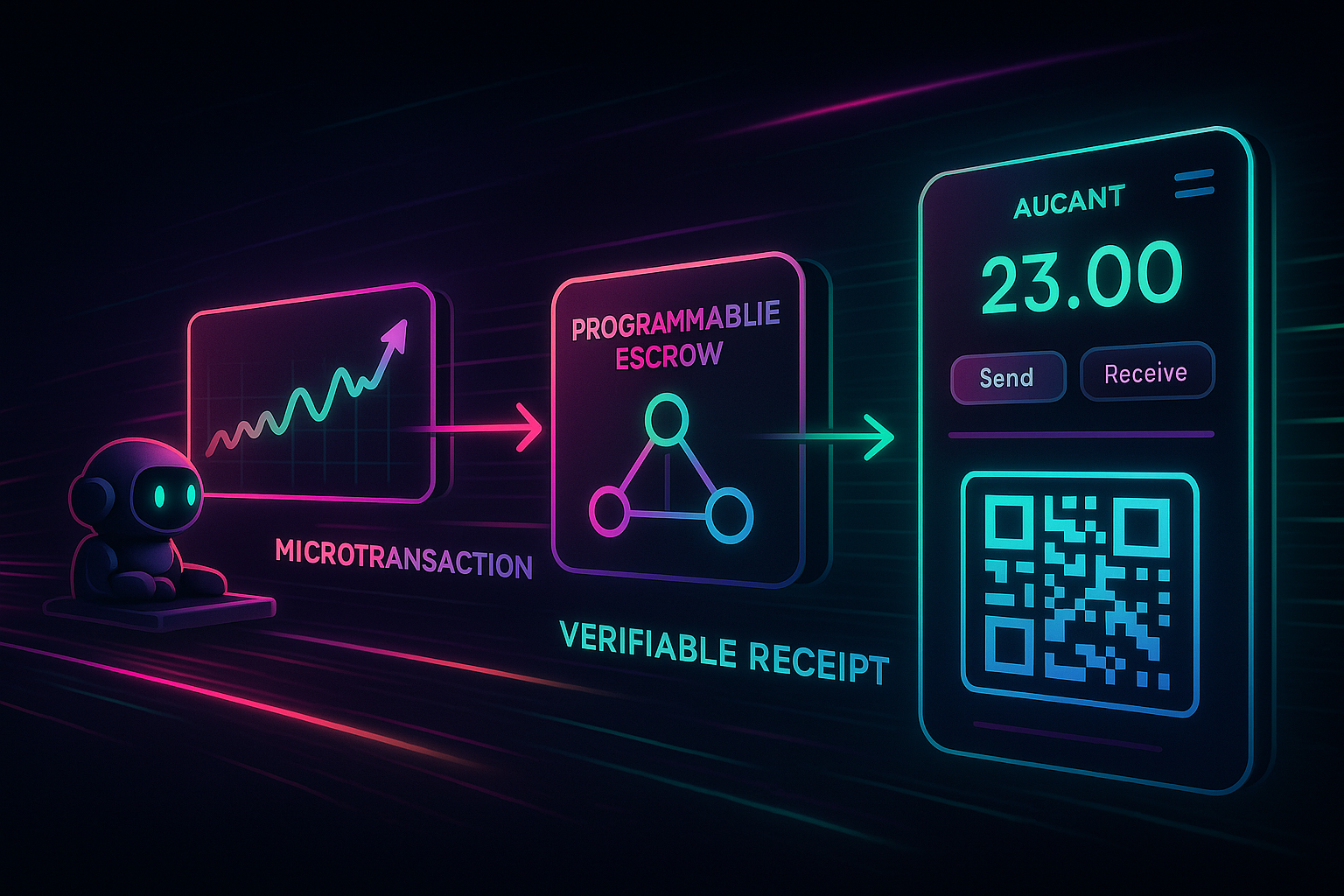
Solana as agent infrastructure
What caught my eye in Solana’s framing wasn’t price action. It was the toolbelt: microtransactions, programmable escrows, and verifiable receipts that agents can use without exposing sensitive data. That unlocks new patterns like pay-per-use APIs and low-trust marketplaces that agents can navigate on their own.
A tiny weekend project
I’d spin up a test agent that watches one on-chain metric and posts a paid alert when a threshold hits. It’s a great way to learn wallets, rate limits, and what a verifiable on-chain receipt looks like inside an agent loop.
If you’re just getting into agentic AI
This week tied together three threads I’ve been waiting on: autonomy at the model layer, autonomy inside consumer products, and autonomy grounded in data and payments. If you were waiting for a clean on-ramp, this is it.
I’m taking this as the clean on-ramp I was waiting for.
My 14‑day playbook
First, one personal agent I’ll actually use: a weekly finance digest that pulls categorized spend, flags oddities, and suggests one optimization. It emails me every Friday with a link to an audit log so failure is obvious. Second, one work agent that writes back to a database. I’m starting with a lead-enrichment loop that normalizes fields and updates a single table so I can earn trust in small, boring reps. Third, one experiment that touches money, even if it’s fake, like a tiny escrow on a testnet or a prepaid API budget. Real constraints make better designs.
Common pitfalls I still trip over
I have to ruthlessly scope. If a first version can’t run end to end in under 10 minutes, I cut scope until it can. I write contracts, not vibes: tools with names, inputs, and outputs, even if the tool is a local script. And I keep a human in the loop where it hurts: money movement, destructive writes, and irreversible changes. Start with propose, then approve, then automate with rollback.
Where this likely lands by summer
If March 25 was the switch flip, the next few months are the messy middle. Expect more banks to ship embedded agents, more enterprise stacks to bake in memory and tool calls, and more LLMs to grow real planning legs. The winners won’t be the flashiest demos. They’ll be the quiet loops that run every day without drama.
FAQ
What is agentic AI in simple terms?
It’s an AI that plans and takes action without waiting for every next prompt. It uses tools, checks results, and loops until the task is done. Think of it like a junior operator you supervise, not just a chat partner.
Is Claude Auto Mode safe to let run by itself?
It’s safer when you add clear tool boundaries and approvals for sensitive actions. I start with read-only tasks, then move to propose-and-approve for writes or money, and only automate fully once I have logs, alerts, and easy rollbacks.
How do I start if I’m not in the UK and don’t use crypto?
Mock the environment. Export bank transactions for a local loop, simulate payments with a prepaid API budget, and use a small database to practice read, memory, and write patterns. The skills transfer when you plug into real services.
What skills matter most to build reliable agents?
Clear scoping, tool contract design, and data hygiene. Name your tools, define inputs and outputs, and log every step. Reliability comes from boundaries and auditability more than model cleverness.
What should I build first?
Pick a small workflow you touch weekly and give it a single owner metric. A finance digest, a lead enrich-and-write loop, or a scheduled report with an audit link are great starters. If it breaks, you will know quickly and can iterate fast.
My bet is simple. By the end of the year, we’ll stop saying agentic AI and just call it software.