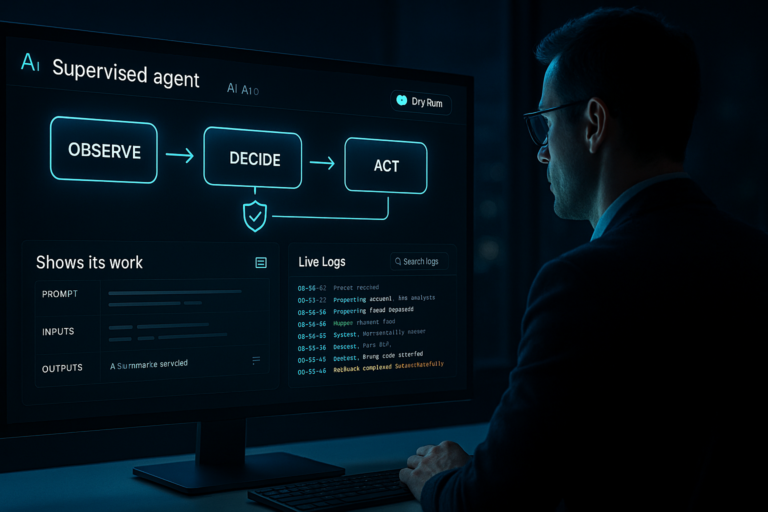


Agentic AI is moving fast, and I don’t want you to miss it
Agentic AI finally feels practical. Between hardware built for agents, database-first stacks, and measurable wins in real workflows, it’s no longer just hype. I spent this week pulling the most useful bits together so you can start simple and see results without an enterprise budget.
Quick answer: Agentic AI took a real step forward on March 27, 2026 with Arm’s AGI CPU aimed at long-running agents and Oracle’s push to center agents on the database, followed by UiPath’s 50% speedup in mortgage decisioning. Start small: keep orchestration light, store agent state in Postgres, specialize models by task, and add a tiny evaluator so you can trust outputs.
I start small: I keep orchestration light, store agent state in Postgres, specialize models by task, and add a tiny evaluator so I can trust outputs.
What changed this week
Here’s what made me sit up during March 27–28, 2026:
- Arm announced an AGI CPU for agentic AI on March 27, 2026. That’s a clear bet on agents as real cloud workloads.
- Oracle argued on March 27, 2026 that the database should be the center of agentic workloads. The database-first framing makes scaling far less painful.
- UiPath shared on March 27, 2026 that agentic AI sped up mortgage decisioning by 50%. That’s real ROI, not a toy. See the details here.
- Also on March 27, 2026, CIO warned about the one-model trap. You cannot scale production agents by treating one LLM like a monolith.
- On March 28, 2026, Forbes said every enterprise must become agentic and almost none are ready. Translation: this is the window to learn.

Trend 1: Hardware finally cares about agents
What Arm’s AGI CPU signals
Arm’s March 27, 2026 AGI CPU announcement told me agents are graduating to first-class workloads. Agents don’t just crank matrix math. They plan, call tools, hit APIs, write to storage, and coordinate for minutes or hours. That looks like systems engineering, and specialized silicon should make that cheaper and steadier.
What I’m doing right now
I’m keeping orchestration thin and offloading heavy LLM calls to hosted endpoints. No overbuying compute. As cloud providers roll out agent-friendly primitives like cheaper function calls and better scheduling, my costs drop on their dime.
I keep orchestration thin and offload heavy LLM calls to hosted endpoints so I avoid overbuying compute. As agent-friendly primitives roll out, my costs drop on their dime.
Trend 2: The database is the brainstem
Why this matters
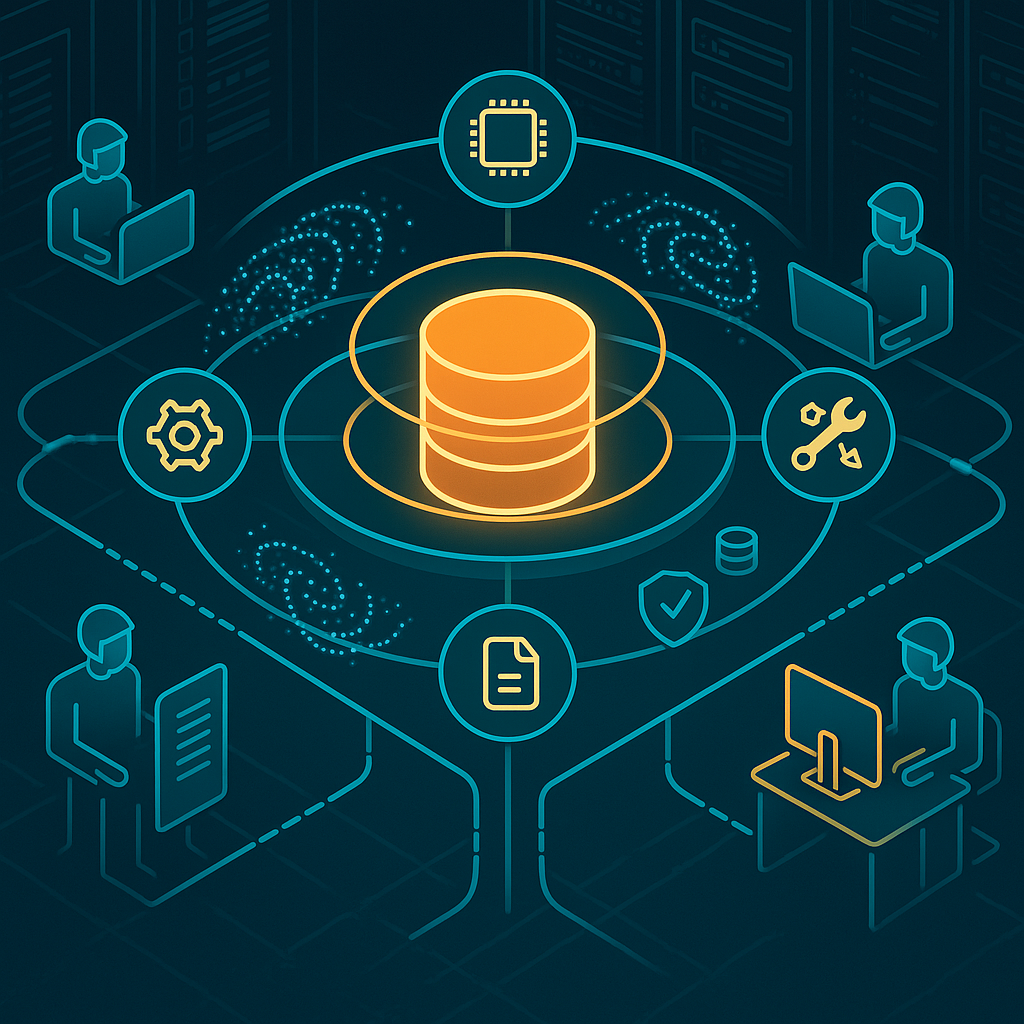
If you’ve scaled beyond a single prompt, you’ve probably stitched together vector stores, caches, JSON files, and duct-taped memory. Oracle’s March 27, 2026 stance hit home for me: put plans, tools, guardrails, logs, and memories next to your data with governance built in. Most agent failures are memory, context, or permissions. A database-centric pattern fixes that with auditability and access control.
I put plans, tools, guardrails, logs, and memories next to my data with governance built in.
How I’d set it up today
I’d pick one home for state, even a modest Postgres with pgvector. I’d model RAG chunks and memory as first-class tables with lineage and timestamps, and I’d make everything queryable like any other app. Centralize state, stop chasing ghosts.
Trend 3: Real workflows are delivering real results
What to copy from UiPath
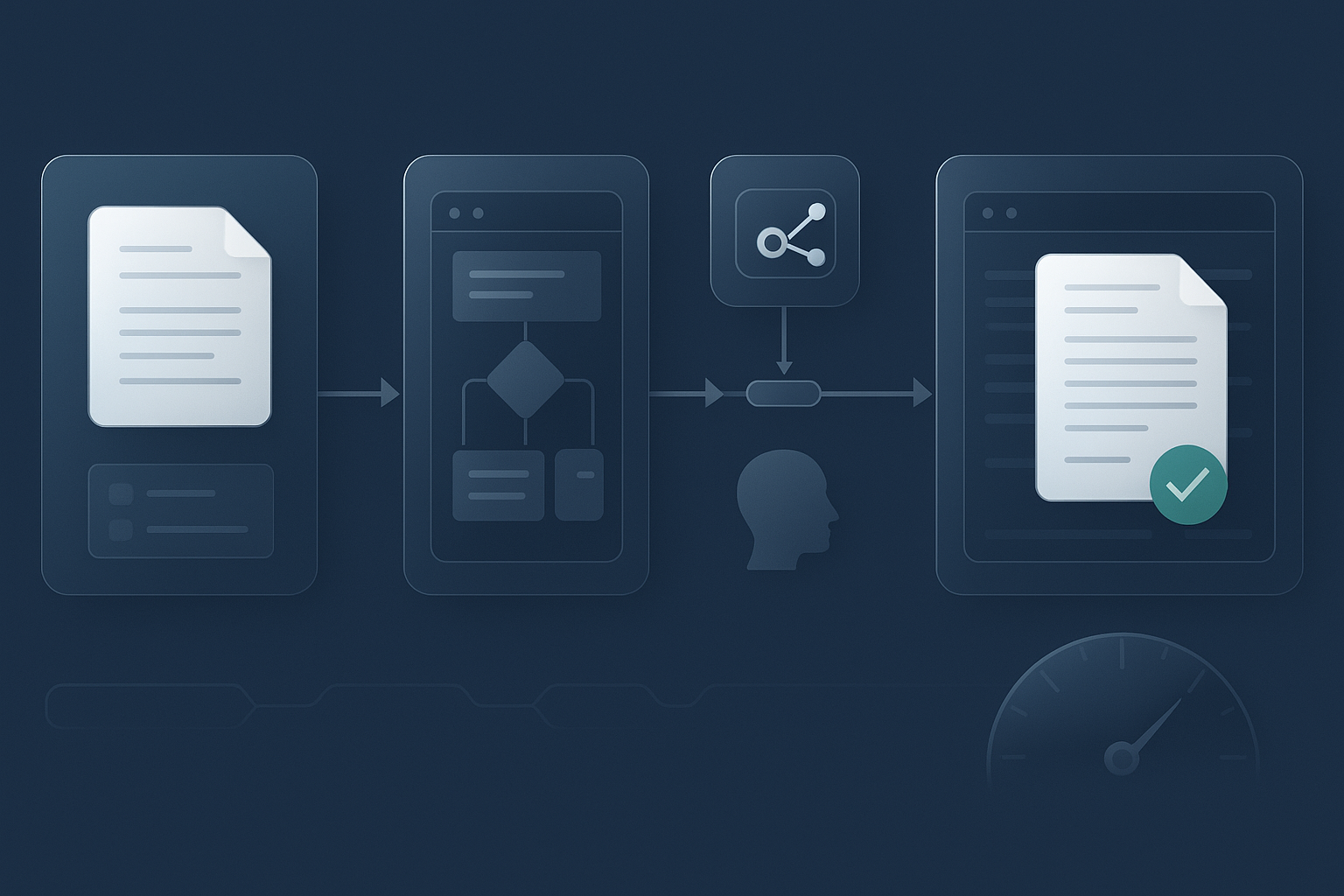
Mortgage underwriting is messy, which is why UiPath’s 50% speedup on March 27, 2026 matters. You don’t need a moonshot. Pick a process with structured inputs and clear acceptance criteria. Build a small loop that retrieves, reasons, acts, then verifies, with a human catching edge cases. If it cuts cycle time by 20% in week one, you’re onto something.
My starter move is simple: take a workflow where people copy-paste across three systems. Let an agent fetch context, run a deterministic checklist, and draft the outcome for review. Track time-to-done before and after. Iterate.
I copy UiPath’s playbook: pick a process with structured inputs, build a small loop that retrieves, reasons, acts, then verifies, and keep a human in the loop for edge cases.
Pitfall to dodge: the one-model trap
The fix that actually scales
On March 27, 2026, CIO called out why a single LLM that does everything will stall in production. I’ve felt that pain. The answer is specialization. Use a lightweight extractor, a planner, a summarizer, and only escalate to a stronger model when needed. Wrap each step with tests and clear input and output schemas so you can swap models without drama.
My rule of thumb: small skills with contracts, plus a tiny evaluator that checks outputs against rules before moving on. Most reliability comes from that guardrail, not bigger prompts.
Strategy: the agentic gap is your window
Forbes said on March 28, 2026 that every enterprise must become agentic and few are ready. That gap is leverage. You don’t need to be a researcher. You just need to turn a painful workflow into a clean loop with checkpoints and two or three tool calls. Give yourself a 30-60-90: ship one tiny agent in 30 days, add memory and evaluation by day 60, and integrate with your database and auth by day 90 so security can say yes.
I run a 30-60-90: ship one tiny agent in 30 days, add memory and evaluation by day 60, and integrate with the database and auth by day 90 so security can say yes.
My simple starter stack
The boring setup that works
If I had to start tonight, I’d use a mainstream model API, Postgres with pgvector for memory and agent state, and a thin orchestrator that plans steps, calls tools, and validates results. I’d log everything to the database so I can replay failures. The only fancy piece I’d add is a small evaluator that confirms outputs fit expected formats and ranges before writing them back.
What the next 6 months look like
Cost and reliability are moving in your favor
Arm’s agent-focused silicon should make orchestration cheaper and steadier. Oracle’s database-first posture points to a simpler, repeatable stack. UiPath’s 50% lift shows teams are crossing from pilots to production. If you’re new, your edge is being close to a workflow that hurts. Map the steps, separate deterministic from fuzzy, give your agent memory, and measure the before and after.
FAQ
What is Agentic AI in plain English?
It’s software that uses language models to plan tasks, call tools or APIs, and verify results, often with memory and handoffs between small specialized skills. Think of it like a tiny team that retrieves, reasons, acts, and checks its own work.
How do I start with Agentic AI if I have no budget?
Use a hosted model API, keep orchestration thin, and store state in Postgres. Pick one workflow with clear inputs and a yes or no outcome. Add a simple evaluator to validate outputs. Measure time saved and iterate.
Do I need one big model or multiple small ones?
Start with specialized steps. A small model can extract and summarize, while a stronger one handles tough reasoning only when required. This avoids the one-model trap and keeps costs sane.
Where should I keep memory and context?
In your database. Model plans, memories, tool configs, and logs as tables with lineage and timestamps. It makes debugging, governance, and scaling much easier than scattering JSON files and caches.
What’s a quick agent I can ship this week?
Automate a multi-system copy-paste task. Let the agent fetch data, run a deterministic checklist, and draft the final result for human approval. Add an evaluator to catch format or range errors before saving.
Final take
This week felt like the stack snapped into place. Hardware aligned to agent patterns on March 27, 2026. Platforms doubled down on state in the database. A major automation player showed real lift. If you’ve been waiting for a sign to start, this was it. Build one small agent that matters, make it observable, and keep it boring. When everyone else shows up, you’ll already be shipping.