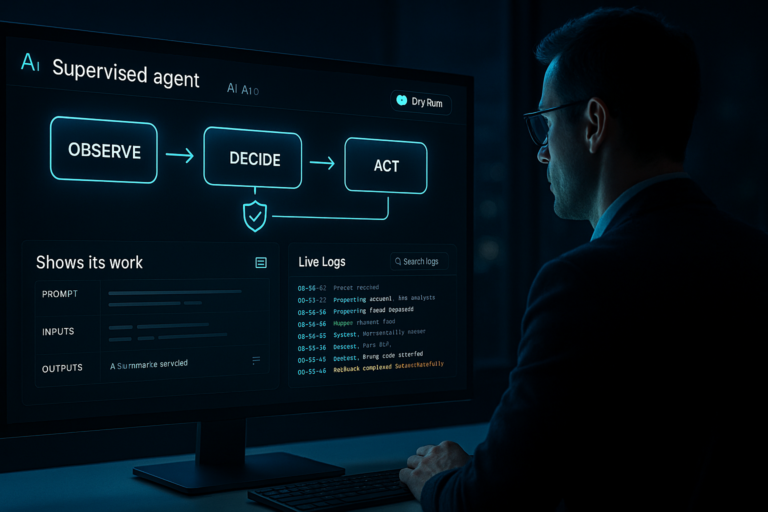

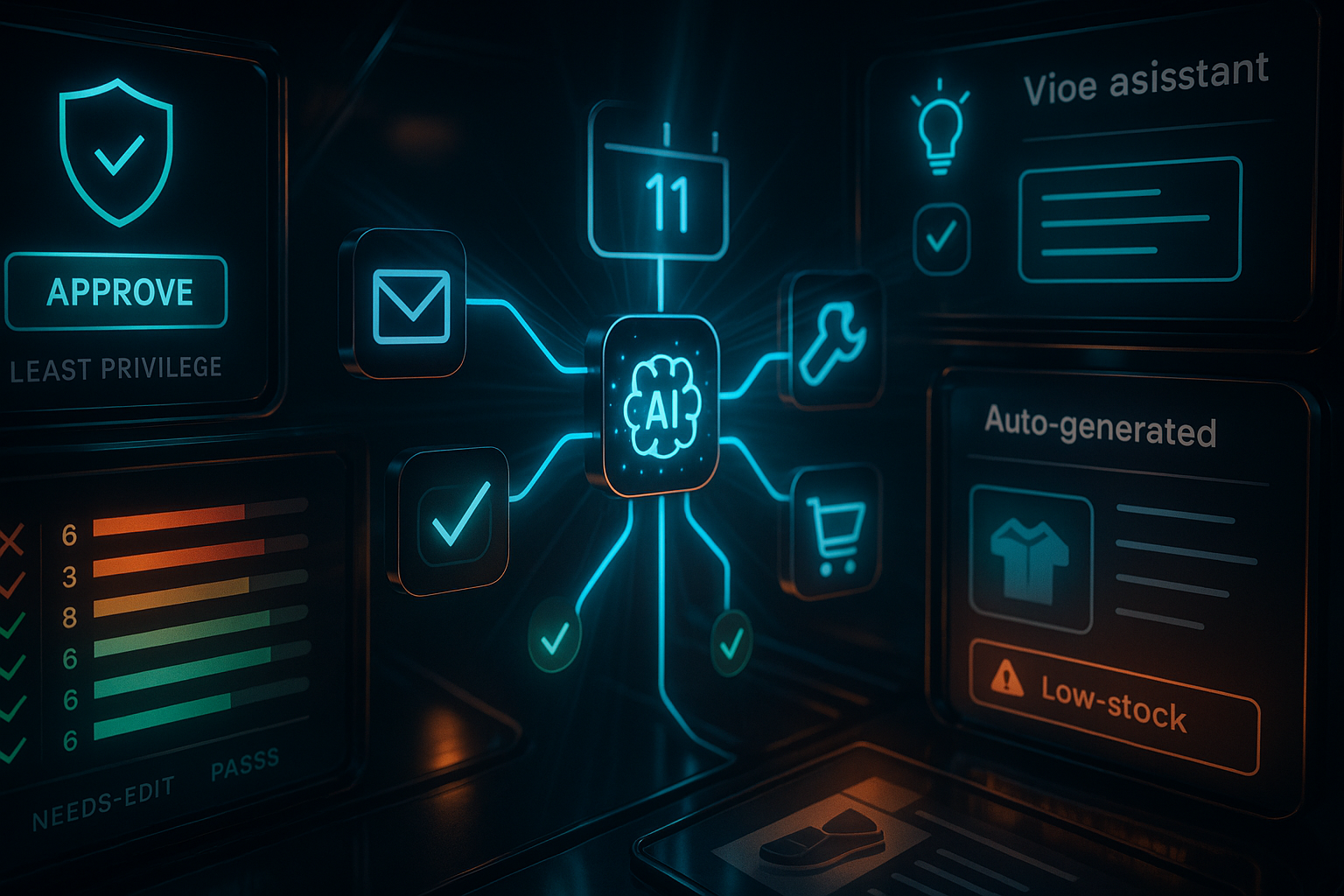
Agentic AI just crossed a line for me on March 28, 2026
Agentic AI finally feels usable end to end. I spent the week chasing updates so you don’t have to, and the pattern is obvious: reliable evals, assistants that take action, real security guardrails, and signals from ecommerce that this is moving out of demo land.
Quick answer: Agentic AI is ready for beginners because the basics are now in place. We have practical evaluation tooling for real tasks, voice assistants that plan and act, enterprise-grade guardrails, and proof that major platforms are shipping agents to customers. If you can write a clear prompt and toggle a few settings, you can ship a small but valuable agent this week.
My quick tip: if I can write a clear prompt and toggle a few settings, I can ship a small but valuable agent this week.
Why this specific week mattered
On March 28, 2026, several pieces clicked at once. The New Stack covered Solo.io’s agentevals to tackle reliability, TechRadar’s chat with Daniel Rausch made it clear Alexa is shifting from answers to actions, and SiliconANGLE highlighted how vendors are sprinting while enterprises crawl. I felt that exact tension in my inbox all month.
Eval reliability finally has a plan
What changed
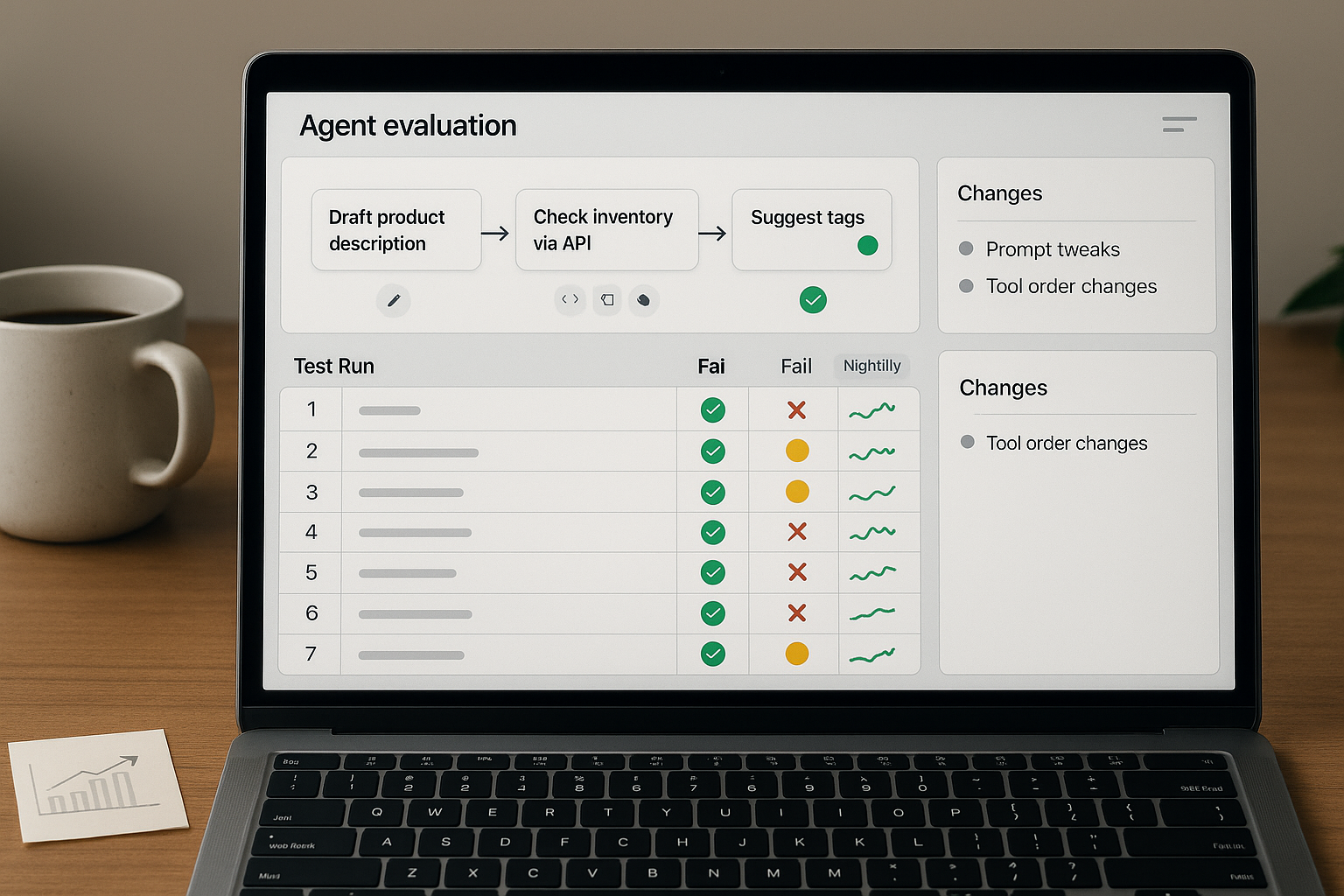
Solo.io announced agentevals on March 28, 2026, and it went straight at the messiest part of agentic AI: trust. Classic LLM benchmarks don’t tell you if a multi-step agent can get from goal to done without tripping over tools.
What I’m doing
I picked one boring, repeatable task and wrote the success line in plain English: draft a product description from a spec, then check inventory via API before suggesting tags. I ran 10 variations and logged pass, fail, or needs edit. Looping that nightly showed me exactly where prompts and tool order needed tweaks. I would not ship an agent without a tiny eval like this again.
I won’t ship an agent without a tiny eval again; 10 variations with pass, fail, or needs edit show me exactly where to tweak.
Alexa is shifting from answers to actions
Why this matters
In the TechRadar interview on March 28, 2026, Amazon basically said the quiet part out loud: Alexa is becoming agentic. For non-developers, that means your voice surface can plan and execute, not just reply. The jump from information to outcomes is what makes agentic AI feel useful day to day.
What I set up
I built one end-to-end routine that actually saves me time: when I say closing time, turn off office lights, summarize my last five emails, and create a to-do for anything that mentions invoice. The first day it worked without babysitting, I stopped wishing for another dashboard.

Vendors sprinting, enterprises crawling
What I’m seeing
SiliconANGLE’s March 28, 2026 piece matched what I’m hearing from teams. Tools are racing ahead, but big orgs are stuck on governance and change management. If you are solo or leading a small squad, this gap is your advantage.
If you’re solo or leading a small squad, use this gap as your advantage.
How I’d use the window
I target work with four traits: high repetition, low judgment, real business impact, and an easy human override. Think weekly SEO briefs from analytics or triaging support emails into action tickets with a first-draft reply. Ship one narrow agent, get the before and after time saved, then widen.
Security guardrails just got practical
What landed
Also on March 28, 2026, Apono and Zenity planted flags around agentic AI security, with new capabilities, an open-source angle, and RSA visibility. Translation for the rest of us: least-privilege tool access, approvals for sensitive steps, and policy-as-code are no longer theory.
How I stay safe
I start every build with three guardrails. First, read-only mode for exploration. Second, an allowlist of functions the agent can call. Third, human-in-the-loop whenever money moves, data leaves, or settings change. If signed action logs are available, I flip them on day one.
I always start in read-only, use an allowlist of functions, and require human approval whenever money moves, data leaves, or settings change.
Ecommerce signal: the agentic storefront
Why I care
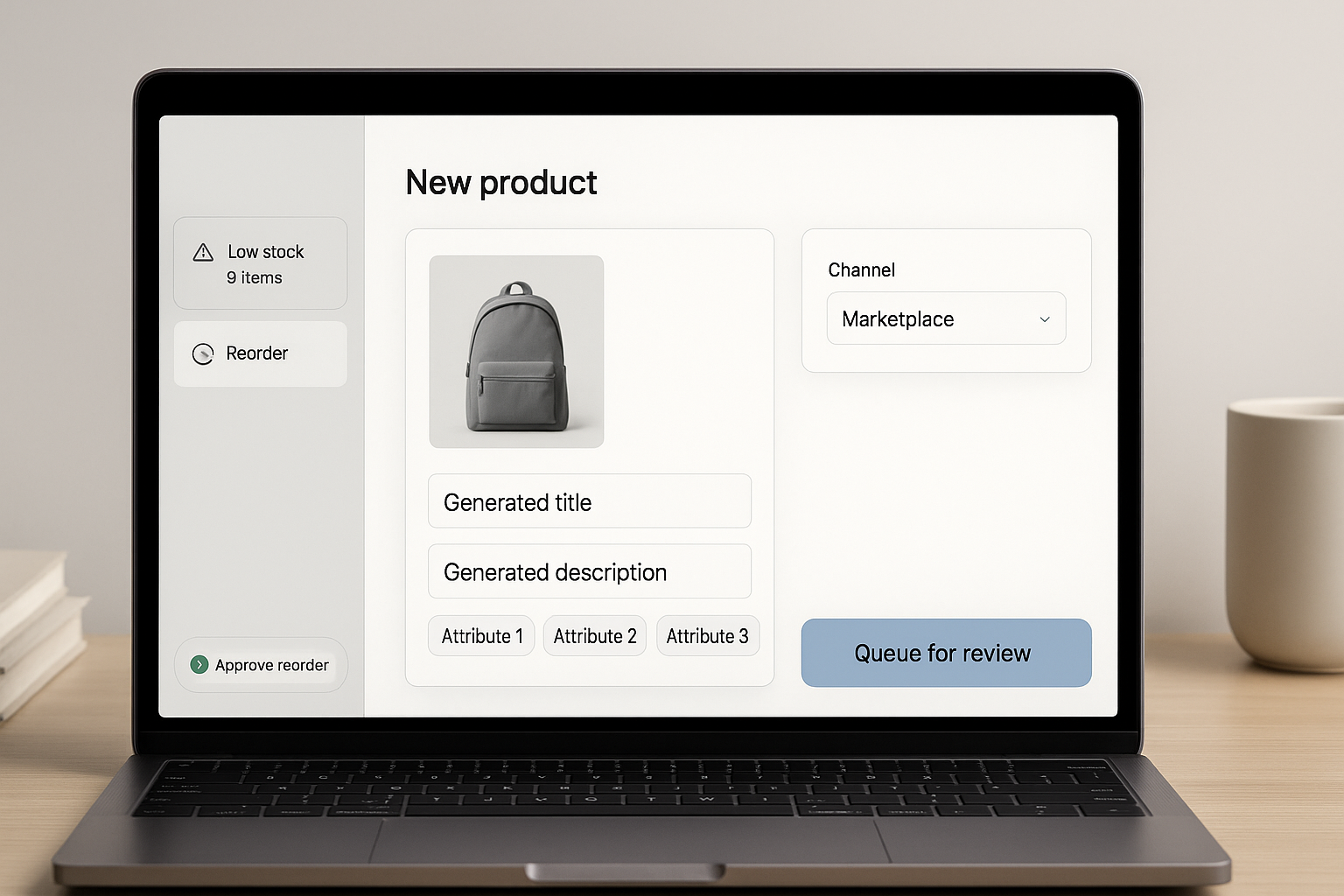
Shopify chatter on March 28, 2026 pointed to multi-channel agents that help run the store. That is how agentic AI stops being a lab toy. Listing across channels, handling routine customer questions, updating low-stock messaging, and kicking off reorders without hand-holding is real leverage.
My simple starting play
One channel, one job. When I add a new product, draft titles and descriptions for the marketplace listing, map attributes, and queue it for my review. Keep the sign-off, let the agent do the heavy lift. If it saves 15 minutes per SKU, you feel it by Friday.
One channel, one job; if it saves 15 minutes per SKU, you’ll feel it by Friday.
What this means for you
I keep seeing the same three themes: practical execution, measurable reliability, and survivable risk. If you are just starting, that is your playbook. Skip the multi-agent swarms until one focused agent can file a ticket correctly.
- Start where action matters, not where chat feels clever.
- Measure outcomes with a tiny eval so you know when you improve.
- Add one clear guardrail before you wire production access.
My 7-day starter blueprint
Day 1-2: Pick the job and write success in one sentence
If you cannot write the sentence, the task is too fuzzy. Mine was simple: create a first-draft marketplace listing from a product spec, then ask me to approve or edit.
Day 3: Wire the minimum tools
Only what the agent needs. Read-only product data, a sandbox listing endpoint, and a draft doc space. No production write access yet.
Day 4: Run a micro eval
Test 10 variations. Track pass, fail, or needs edit. Fix prompts and tool order where it stumbles. Re-run until you hit a baseline you trust.
Day 5: Add one guardrail
Require approval for any external publish and log every tool call. If your platform supports signed actions, turn them on for auditability.
Day 6: Ship the smallest version to yourself
Use it on the next real item. Time it versus your old process. Anything 30 percent faster is a win. Keep the receipt.
Day 7: Share, learn, and iterate
Show the before and after to a teammate or friend. If they ask for more, you are on the right problem. If they shrug, pivot and repeat. Momentum beats perfection.
Agentic AI FAQ
What is agentic AI in simple terms?
Agentic AI is a system that plans steps, calls tools, and takes actions to reach a goal. It is more than a chatbot answer. Think: outline a plan, fetch data, take an action, then check if the goal is met.
How do I start without a big budget?
Pick one repetitive task with clear success criteria and wire only the minimum tools. Run a tiny 10-case eval and add one guardrail. You can do this with off-the-shelf platforms and a few toggles.
How do I know my agent is reliable?
Measure it like any workflow. Define pass or fail in plain English, run multiple variations, and track outcomes. If a prompt or tool order change hurts results, you will catch it before it hits production.
What security steps are non-negotiable?
Start in read-only, use an allowlist of functions, and require human approval for money, data export, or settings changes. Turn on action logs so you can see what happened and when.
Where does agentic AI help most in ecommerce?
Product listings, customer support triage, and inventory messaging are high-leverage starting points. Each is repeatable, low judgment, and benefits from speed with a human sign-off.
One last note
I have waited through a lot of hype cycles. This time, the pieces fit: you can speak a goal, the agent can act across tools, you can measure if it did a good job, and you can keep it safe. If you have been on the fence, ship one tiny agent this week. Protect it with a simple guardrail and measure it with ten test cases. You will feel the shift.