

Agentic AI is the shift I can feel in my workflow right now. I’ve been hands-on for days, and what clicked for me is simple: the bots aren’t just talking anymore, they’re doing. If you’ve been waiting for the moment to start, this is it.
Quick answer: Agentic AI means assistants that plan, call your APIs, and complete tasks like building carts or checking inventory. On March 30, 2026, Shopify signaled agentic storefronts, AWS published a blueprint with Bedrock AgentCore and Nova Sonic 2.0, and Microsoft mapped OWASP-style risks for agents. My plan this week is a tiny, safe concierge with exactly three tools and strict guardrails.
I start small with a tiny, safe concierge using exactly three tools and strict guardrails.
Agentic commerce is real and it’s already shipping
Shopify’s agentic storefront signal on March 30, 2026
What got my attention was Shopify being called out for prioritizing an agentic storefront that can guide, fetch, bundle, and help users check out across channels. You can see the coverage from Simply Wall St on March 30, 2026 here. For me, that’s a green light to stop treating carts, upsells, and cross-channel handoffs as one-off automations and start designing them as agent jobs.
I treat carts, upsells, and cross-channel handoffs as agent jobs, not one-off automations.
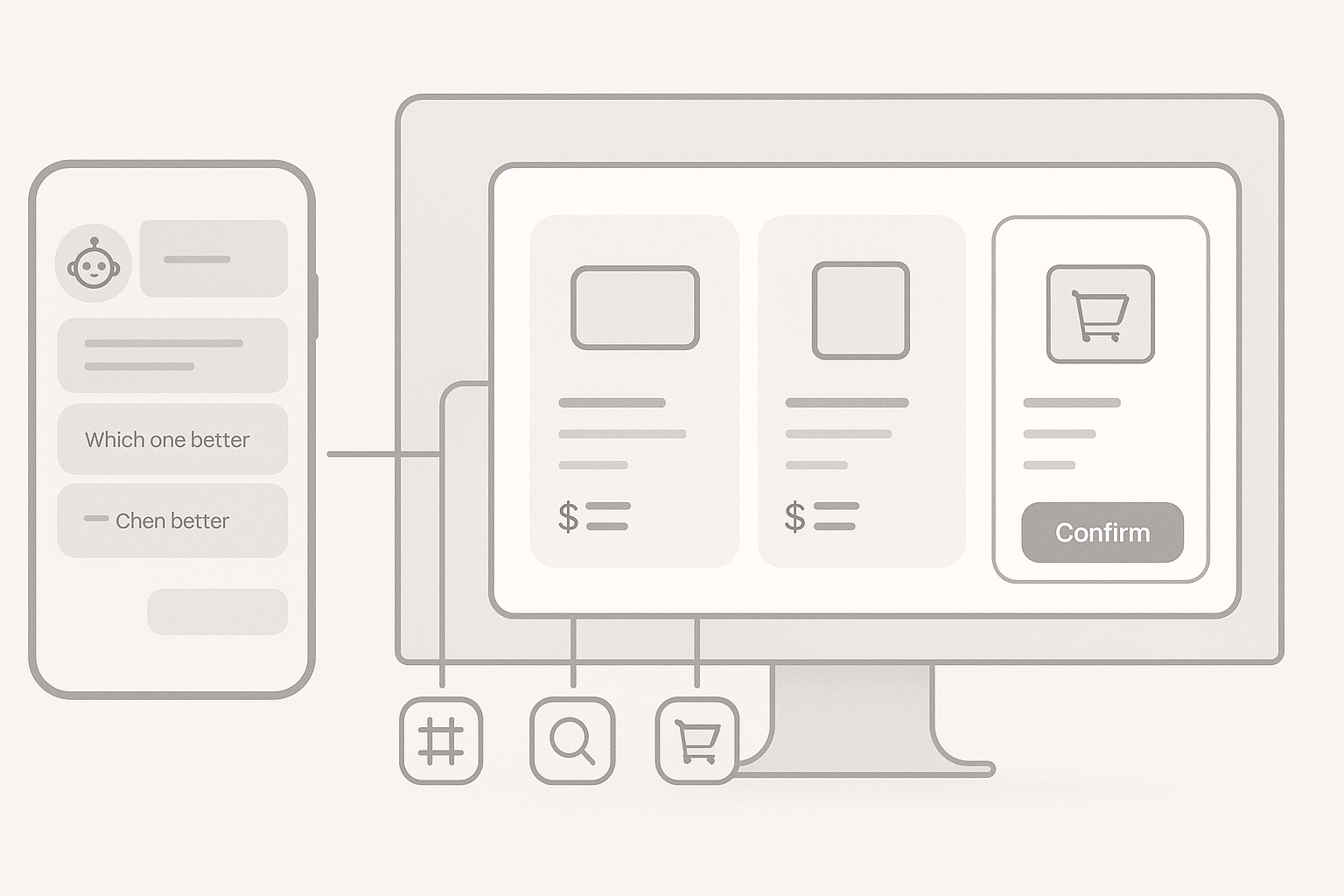
How I’d start if I were brand-new: I’d ship a chat-first concierge that asks three questions, compares two or three products, and returns a 1-click cart. The agent only needs catalog lookup, price check, and cart creation. Keep the UI boring. The magic is the handoff between the agent and your product data.
Building blocks got easier with a copyable blueprint
Amazon Bedrock AgentCore + Nova Sonic 2.0
On March 30, 2026, AWS showed how to build an agentic movie assistant using Amazon Bedrock AgentCore with the Nova Sonic 2.0 model. The example is media, but the pattern maps cleanly to ecommerce and internal ops. You can read the walkthrough here. My mental model is simple: AgentCore is the planner, your APIs are the tools, and Nova Sonic 2.0 keeps the conversation quick and coherent.
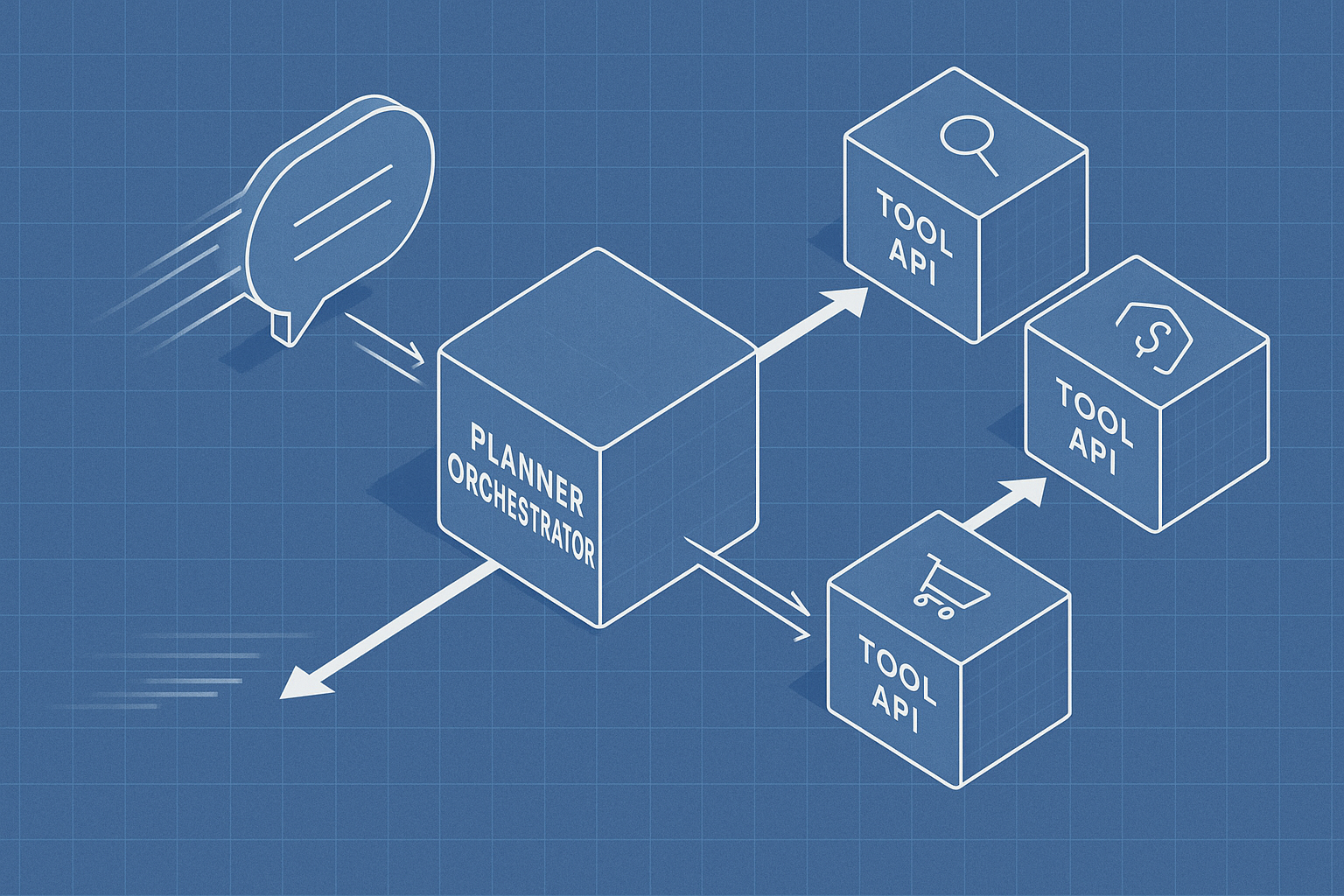
If this still feels abstract, list three actions your app already does via API. Those are your first tools. Then write a single system prompt that defines the job-to-be-done and when to call each tool. You’ll be surprised how far that alone takes you.
List three actions your app already does via API to define your first tools.
Security is not optional if your agent can act
Microsoft’s OWASP-style guidance on March 30, 2026
Microsoft published guidance on addressing OWASP Top 10 risks for agentic AI in Copilot Studio on March 30, 2026. It’s not flashy, but it’s the most practical piece I read. You can find it here. Three risks I watch closely in early builds:
Prompt injection and tool hijacking. If your agent reads user content or the web, assume someone will try to override its instructions. never let the model invent endpoints at runtime.
Over-permissioned connectors. Start read-only. Put write access behind an explicit user confirmation. Human-in-the-loop is a feature, not a crutch.
Insecure outputs. Treat model output as untrusted. Validate formats, sanitize HTML, and verify anything that will render or execute downstream.
My starter checklist before I deploy
- Strict schemas and server-side validation on every tool call with safe defaults.
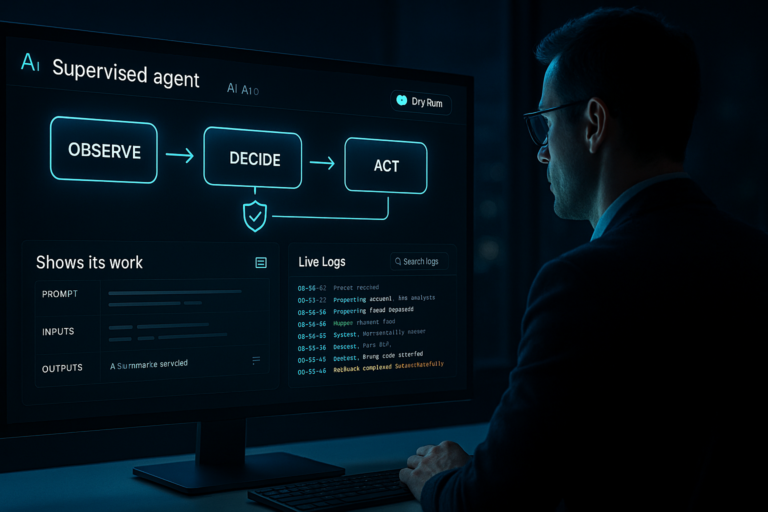
- Clear role split: planner suggests, a narrow executor service acts with scoped permissions.
- Traceable logs for prompts, tool calls, and responses tied to a user session ID.
If you live in Microsoft’s stack, start with their March 30 guidance as your template. If not, the same mindset still applies.
Governance just got real money
Why a $65M raise matters on day one
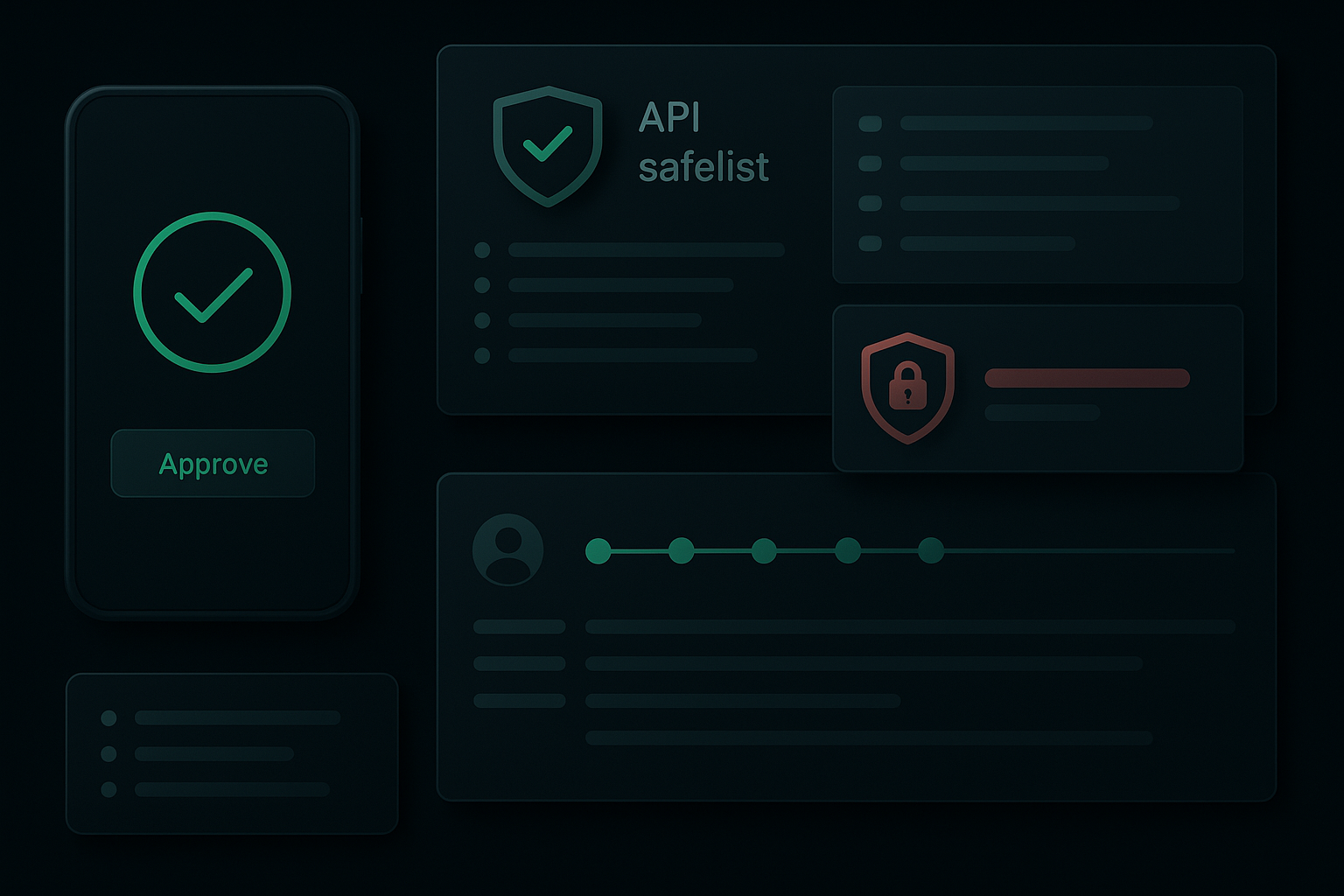
Also on March 30, 2026, Sycamore announced a 65 million dollar round focused on enterprise agent governance. Funding can feel far from the keyboard, but this signals buyers are asking harder questions. My default posture is simple: approvals for anything that spends money or touches PII, API safelists stored server-side, and a half hour of red teaming before I trust it.
Approvals by default. If it costs money or emails customers, require a tap-to-approve. You can relax this later with confidence scores.
API safelists. Enumerate allowed endpoints and keep that list server-side. The model should never craft URLs.
Red team it. Try to make it call tools with bad inputs or move money. Patch until it’s boring.
Putting it together in a small, shippable plan
What I’m building this week
I’m combining Shopify’s commerce signal, the Bedrock AgentCore blueprint, Microsoft’s risk posture, and the governance push, then shipping a tiny agentic concierge inside a storefront. Scope: it asks three questions, compares products, and prepares a 1-click cart. Tools: product search, price check, cart create. Nothing else.
Why this shape works: It’s narrow, so I avoid a jungle of tools and vendors. It’s measurable, so I can track conversion and time-to-cart immediately. It’s safer by design, since I’m avoiding email, browsing, and payments until the logs show clean behavior.
I keep it narrow, measurable, and safer by design so I can ship fast and avoid chaos.
How you can copy this in a weekend
My 2-hour-per-day template
Day 1: Write the job-to-be-done prompt. Define three tools and inputs. Stub them as server endpoints with strict schemas.
Day 2: Wire an orchestration layer like Bedrock AgentCore or your equivalent. Keep the chat UI minimal.
Day 3: Add governance gates. Approval for cart creation, logs for every tool call, and an endpoint safelist.
Day 4: Red team it. Try to force tool misuse and bad inputs. Patch until it’s unexciting.
I red team it hard and patch until it’s unexciting.
Day 5: Put it in front of five real users. Watch behavior and tweak the first question.
What I learned reading all the March 30, 2026 updates
The stack is converging: an orchestrator, a few tightly scoped tools, and guardrails that assume adversarial inputs. Commerce is where the impact shows up first, because a crisp recommendation and a ready-to-buy cart cuts out pogo-sticking across pages. Governance isn’t just an enterprise checkbox. It’s how you keep shipping without waking up to a mess.
FAQ
What is agentic AI in plain English?
Agentic AI is a system that plans steps, calls your APIs, and completes tasks with minimal handholding. Instead of just chatting, it acts. Think retrieve product data, compare options, and prepare a cart, all inside one guided flow.
How do I start with agentic commerce if I’m not on Shopify?
Pick one journey and wire three tools you already have as APIs. Build a chat-first concierge that gathers intent, fetches product attributes, checks price and availability, and proposes a ready cart. You can use any orchestration layer that supports tool calling.
How do I prevent prompt injection in agentic AI?
Keep a strict allow list for tools, never let the model invent endpoints, sanitize untrusted content, and validate every tool input server-side. Add human approvals for any action that spends money or touches customer data.
Do I need a governance platform to begin?
No. Start with lightweight rules: approvals by default for risky actions, an endpoint safelist, and full logging. As patterns stabilize, you can layer in dedicated governance tools if needed.
Which model should I use for my first agent?
Use a fast, reliable conversational model that supports tool use. AWS’s Nova Sonic 2.0 is a good example in their Bedrock AgentCore guide, but pick what fits your stack and latency needs.
Final thought
If you were waiting for a sign, March 30, 2026 gave you three. Build the tiniest useful agent you can, wire exactly three safe tools, and wrap it with approvals and logs. Ship, learn, and iterate before this becomes table stakes.