

Agentic AI updates landed hard on April 1, 2026. I thought it was April Fools for a minute, but it wasn’t. Payments, workplace tools, chips, and policy all moved at once, and if you’re building with agents, this is the kind of day that quietly rewrites your roadmap.
Quick answer
If you only have an hour, start in Slack and finance. Test Salesforce’s new agent-native Slack features, wire a post-standup agent that turns chats into tickets with approvals, and pilot agentic invoice triage for one vendor cohort. Keep audit logs tight, cap retries, and decide where agent planning runs in your stack so long-running, tool-calling tasks don’t blow up costs.
I’d start in Slack and finance if I only have an hour. I keep audit logs tight, cap retries, and decide where agent planning runs so long-running, tool-calling tasks don’t blow up costs.
Visa + Ramp: agentic bill pay is real now
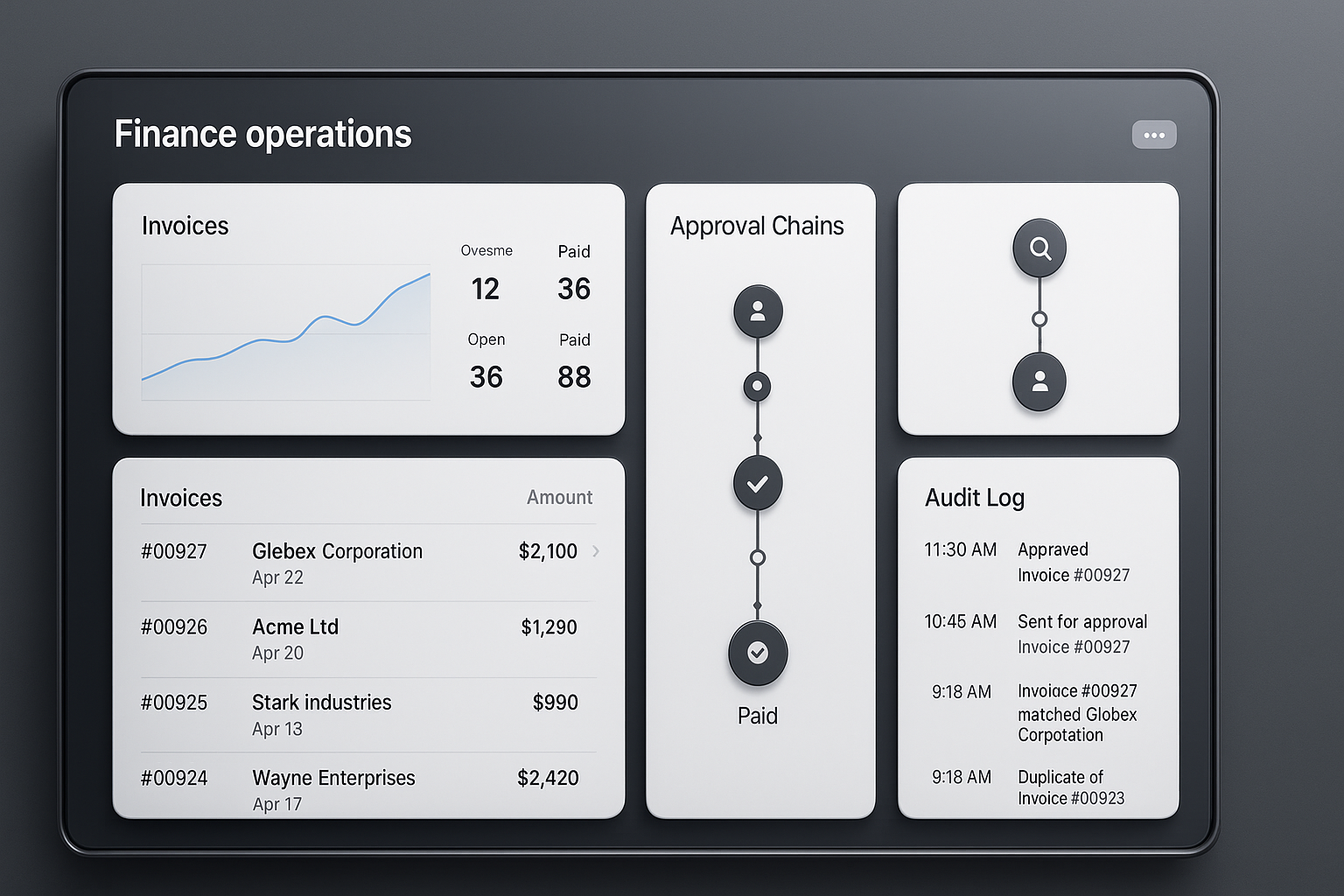
On April 1, 2026, Finextra reported Visa and Ramp are using agentic AI to automate corporate bill pay. This is the perfect on-ramp for beginners: give the agent a goal like “process these bills by Friday within policy,” then let it ingest invoices, check rules, code, route for approval, and execute. It is measurable, repeatable, and very visible to finance leadership.
I treat bill pay as the perfect on-ramp: give the agent a goal, route for approval, and execute within policy.
How I’m acting on this
I’d target early invoice triage, duplicate detection, and vendor matching first. Then I’d insist on two things: immutable activity logs and tight role-based access. Pairing autonomy with audit is what keeps the CFO happy and avoids late-night rollbacks.
Salesforce just made Slackbot a teammate
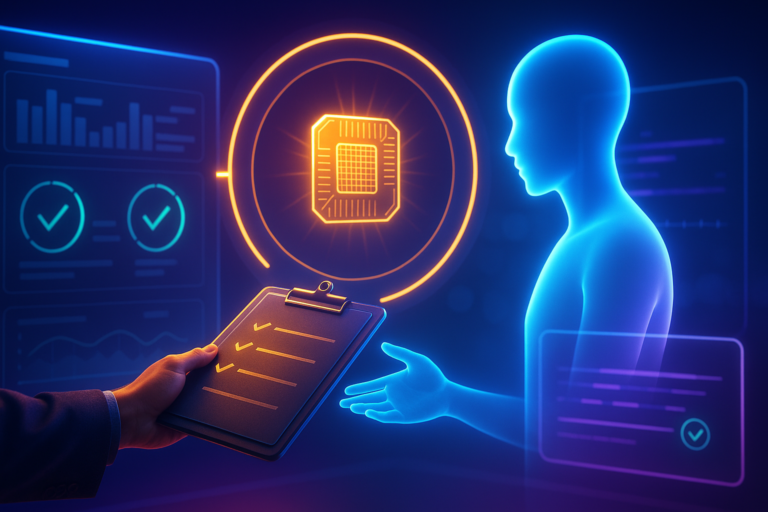
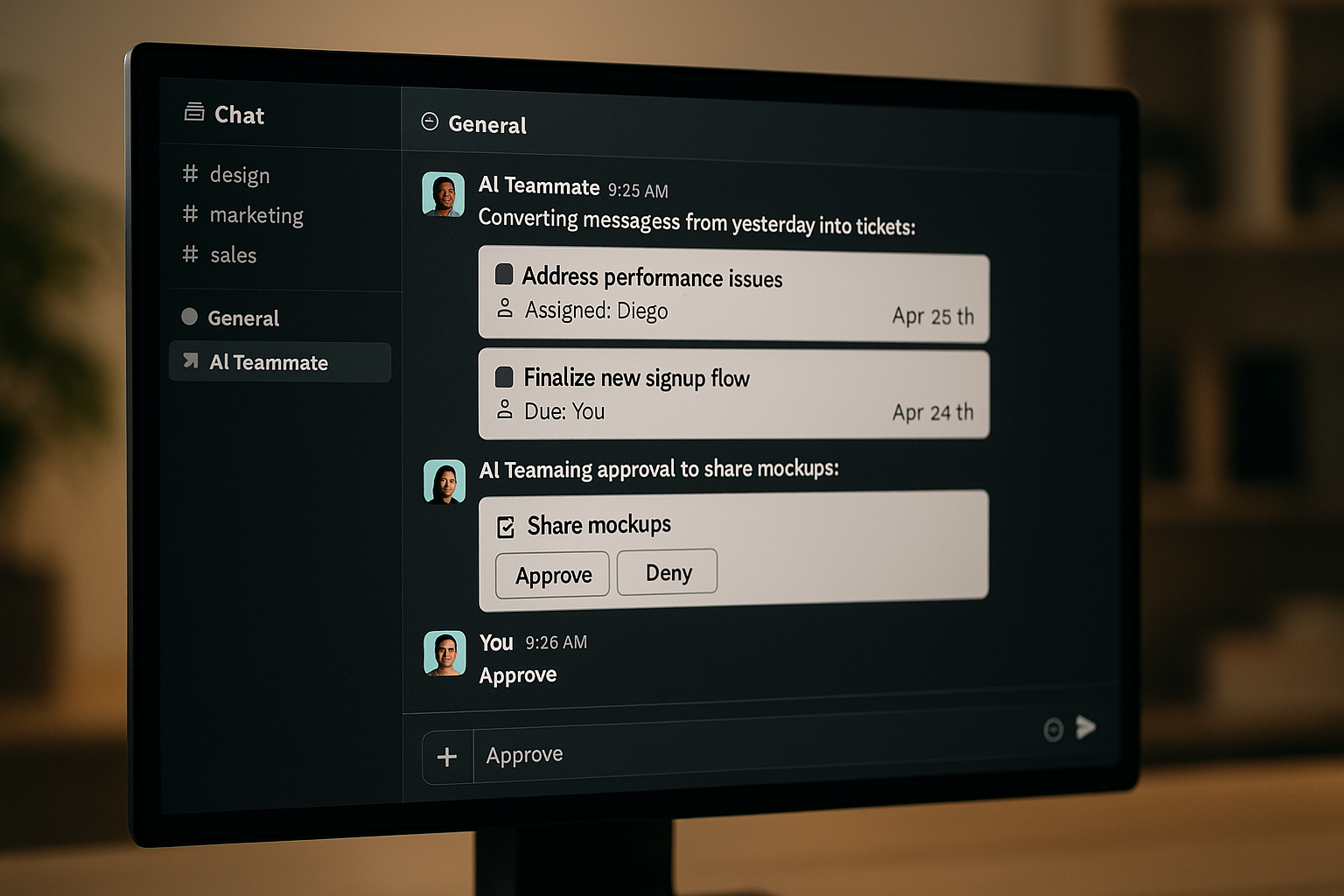
Also on April 1, 2026, TechRadar covered Salesforce’s overhaul of Slack with 30 plus agent-first features. I’d test this immediately. Slack already holds the context and decisions, which is exactly what agents need to plan, take action across tools, and loop back for approval. That human-in-the-loop checkpoint keeps quality high without slowing the bot down.
I keep a human-in-the-loop checkpoint so quality stays high without slowing the bot down.
What I’d prototype first
I’ll ship a post-standup agent that converts yesterday’s chat into tickets, owners, and deadlines, then pings blockers at 3 pm. It’s low risk and instantly shows where your permissions or naming conventions are tripping the agent. If it sticks, expand to incident response, weekly ops reviews, and expense approvals directly in Slack.
Arm’s AGI CPU: silicon for the agentic era
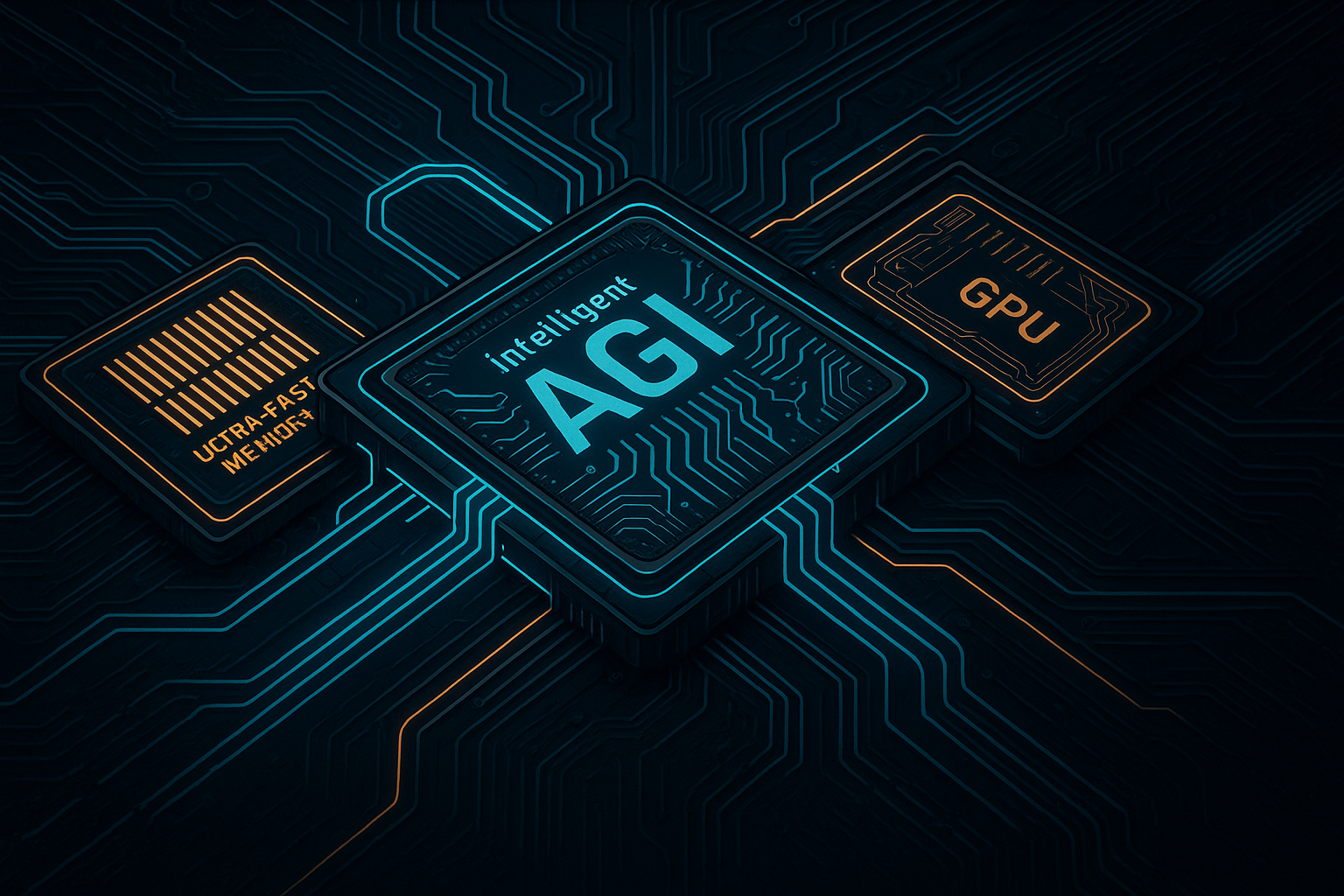
Arm announced an AGI CPU on April 1, 2026 in its newsroom. The pitch is clear: optimize for agent loops, not just single-shot inference. Agents plan, call tools, reflect, and retry, which hammers memory hierarchies and interconnects. If this shortens those loops and cuts orchestration costs, longer-running, more capable agents get practical.
I look for stacks optimized for agent loops, not just single-shot inference.
What this changes for builders
I’m watching where planning actually runs. The stable pattern looks like GPU for model inference, CPU for tool-heavy orchestration, and a fast memory layer for recall. I’m not buying hardware tomorrow, but I am asking vendors one blunt question: how does your stack handle long-running, tool-calling agents without surprise bills?
South Korea’s alliance: policy is catching up
On April 1, 2026, Tech in Asia reported that South Korea formed a national agentic AI alliance to shape standards. Moves like this speed up alignment on safety, identity, and interoperability, which is exactly what enterprise buyers need before they go big on agents.
My quick policy checklist
Even if you’re not in Korea, write your internal agent policy now. Define who the agent can impersonate, which systems it can touch, how approvals work, and the rollback plan if something goes sideways. The teams that do this early will ship faster when customers and auditors ask for it.
Reality check: agents hit walls
CIO.com reminded everyone on April 1, 2026 that agents can loop, over-trust tools, or burn tokens planning instead of doing. I’ve felt the same pain. The most common blockers I see are tool entropy, unclear authority, and missing memory. If the agent doesn’t know the source of truth, can’t assert identity, or forgets recent attempts, it thrashes.
I cap attempts and make sure the agent knows the source of truth, can assert identity, and remembers recent tries so it doesn’t thrash.
The guardrails that actually helped me
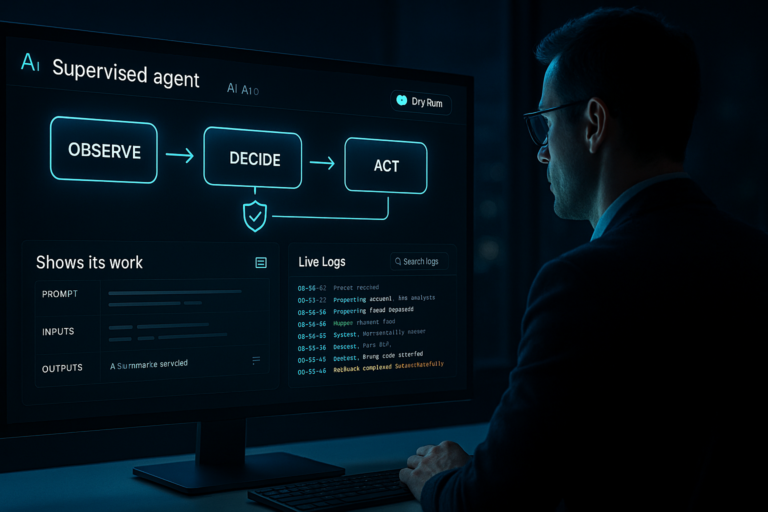
I give the agent a constrained toolkit with clear ownership, require a one-line plan before actions, cap attempts with a graceful human fallback, and log every step with a reason plus a link to the artifact it touched. That log feels boring until you need to explain a weird expense or a 2 am email.
What I’m doing this week
- In Slack: ship one post-standup agent that turns notes into tracked work with approvals in-thread, then iterate like a tiny product.
- In finance ops: pilot agentic invoice triage for a single vendor cohort, cap exceptions hard, and keep an immutable audit log.
- In architecture docs: map where agent planning runs, where memory lives, and what happens after three failed tool calls.
FAQ
What is agentic AI in simple terms?
Agentic AI goes beyond Q and A. You give it a goal, it plans steps, calls tools and APIs, checks results, and loops back for approval when needed. Think of it as a teammate that can act, not just chat.
How do I start with agentic bill pay safely?
Begin with low-risk wins like invoice triage and duplicate detection. Lock down role-based access, require approvals for payouts, and keep immutable logs. Start with one vendor cohort so you can measure speed, accuracy, and exceptions cleanly.
Do I need new hardware for agent workflows?
Not immediately. Focus on architecture first: GPU for inference, CPU for orchestration, and a fast memory layer. As agent workloads grow, chips optimized for planning and tool calls, like Arm’s AGI CPU, could lower costs and boost throughput.
Where do agents usually fail first?
They fail when tools are ambiguous, authority is unclear, or memory is missing. Give them a small, owned toolkit, clear authentication, and short-term memory so they don’t repeat attempts or drift into loops.
What should go into my internal agent policy?
Define impersonation rules, system access, approval paths, retry limits, and rollback procedures. Document logging standards so every action has a reason and a link to what changed. This turns audits from scary to routine.
Final take
With Visa and Ramp pushing agents into bill pay, Salesforce turning Slack agent-native, Arm tuning silicon for agent loops, and South Korea coordinating standards on April 1, 2026, the stack is aligning top to bottom. Pair the momentum with honest guardrails, and you’ll get real value without the 2 am surprises.