

Agentic AI is moving faster than most people think, and I felt it this weekend. Agentic AI is no longer a side feature. It is swallowing repetitive work, changing how we design workflows, and forcing real conversations about policy, security, and autonomy.
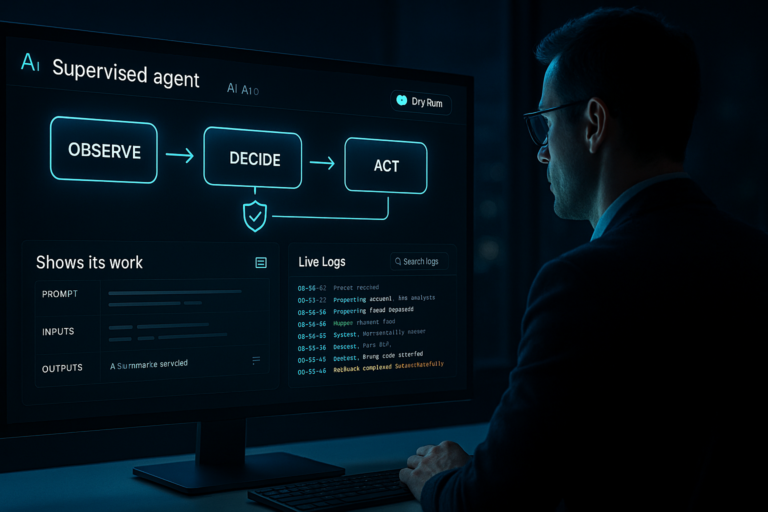
Quick answer: map one 5 to 7 step workflow and turn it into an agent plan with observe, decide, act, verify. Add policy as code style guardrails, scoped credentials, and basic logs. Start with a boring but valuable task like invoice follow-ups or support replies. Ship something tiny in an hour, then iterate.
I start with a boring but valuable task like invoice follow-ups or support replies, then ship something tiny in an hour and iterate.
AI is coming for business software faster than expected
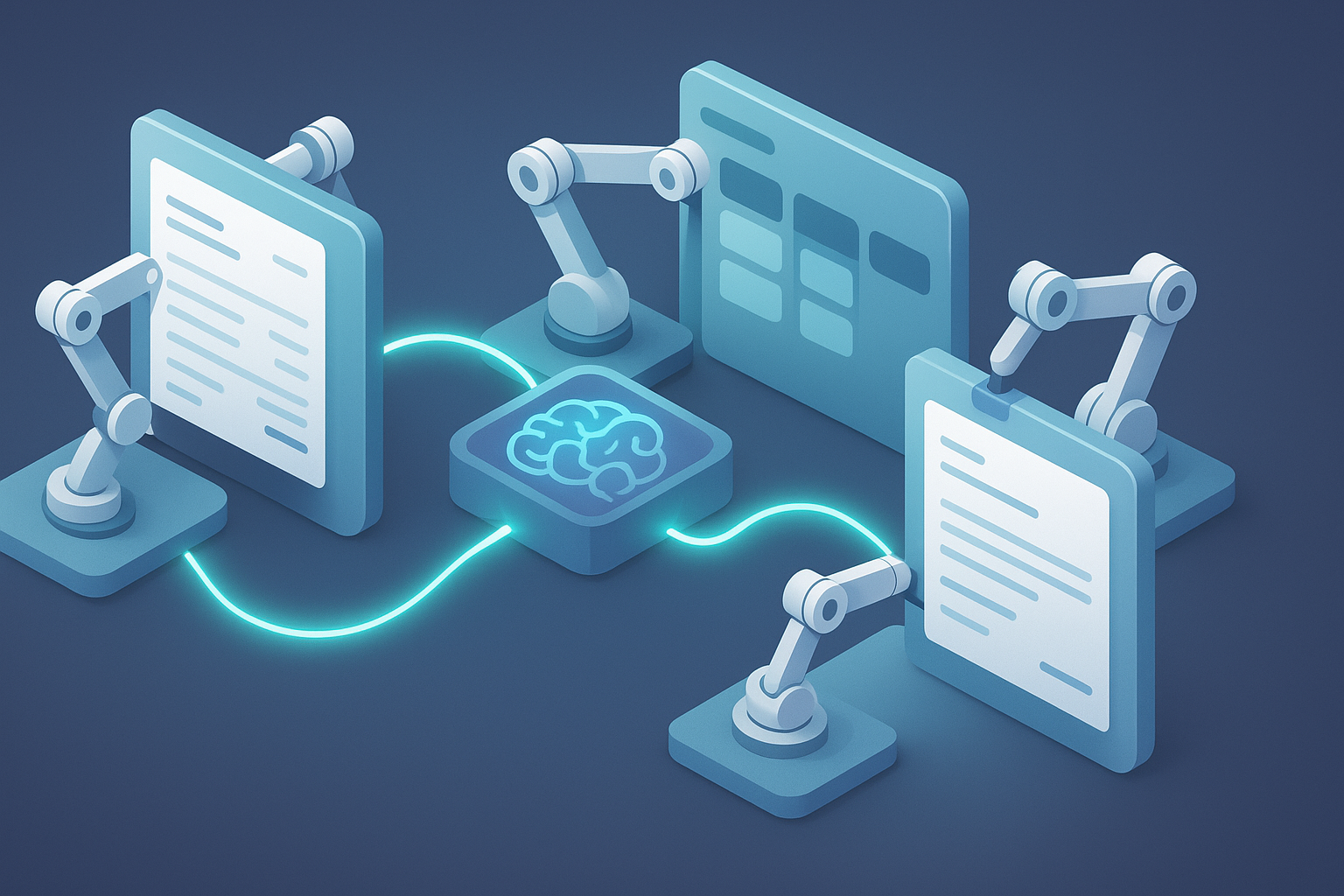
On Feb 15, 2026, Tech Xplore captured what I’ve been seeing for months: task-focused agents are stitching across tools and running end-to-end workflows, not just chatting inside a single app. App islands are fading. You will ask an agent to reconcile invoices, update your pipeline, and draft replies while you stay in flow.
I plan for task-focused agents to reconcile invoices, update my pipeline, and draft replies while I stay in flow.
My take
Don’t marry a platform. Learn to choreograph work: break tasks into steps, define inputs and outputs, and specify error paths. I’m turning my repeatable routines into agent-friendly checklists I can port anywhere.
Policy as code just went mainstream for agents
Also on Feb 15, 2026, Kyndryl pushed a policy as code model for agentic AI in regulated environments. It lets teams encode rules like data residency, allowed contacts, and system access directly into the runtime so the constraints travel with the agent.
I encode rules like data residency, allowed contacts, and system access directly into the agent runtime so the constraints travel with it.
My take
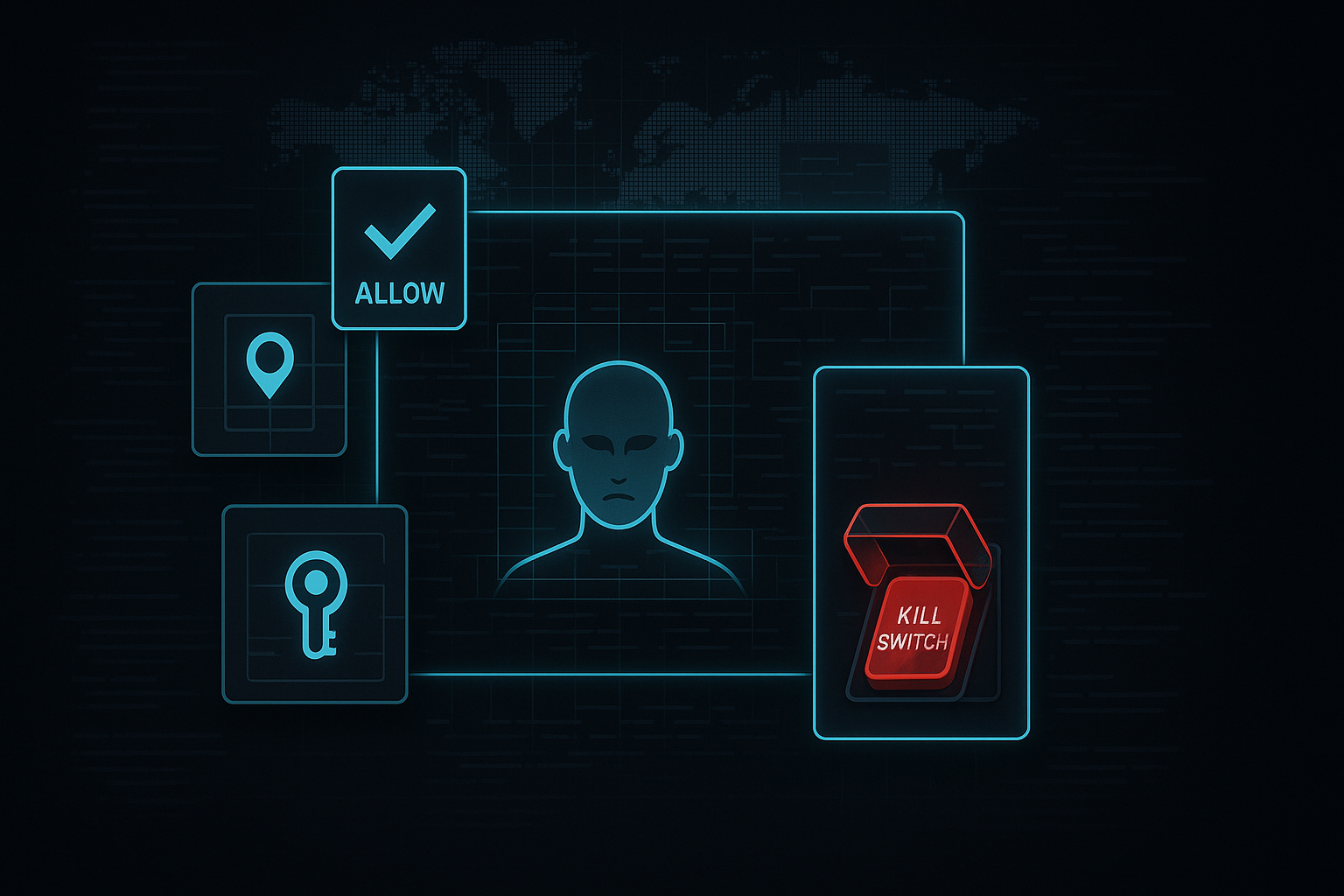
I now treat every new agent like it lives in a compliance shop. I define allowed tools, red lines, and a kill switch up front. Even if it’s just automating a Notion board, I write the rules down. The habit translates to enterprise work.
Embodied agents are here and the Physical AI race is on
On Feb 15, 2026, Tekedia highlighted a coordinated push from Chinese labs into embodied and agentic models. Translation: the planner in the cloud is gaining sensors and hands. Better perception and feedback loops in robotics feed right back into better software agents.
I design for better perception and tight feedback loops because they feed right back into better software agents.
My take
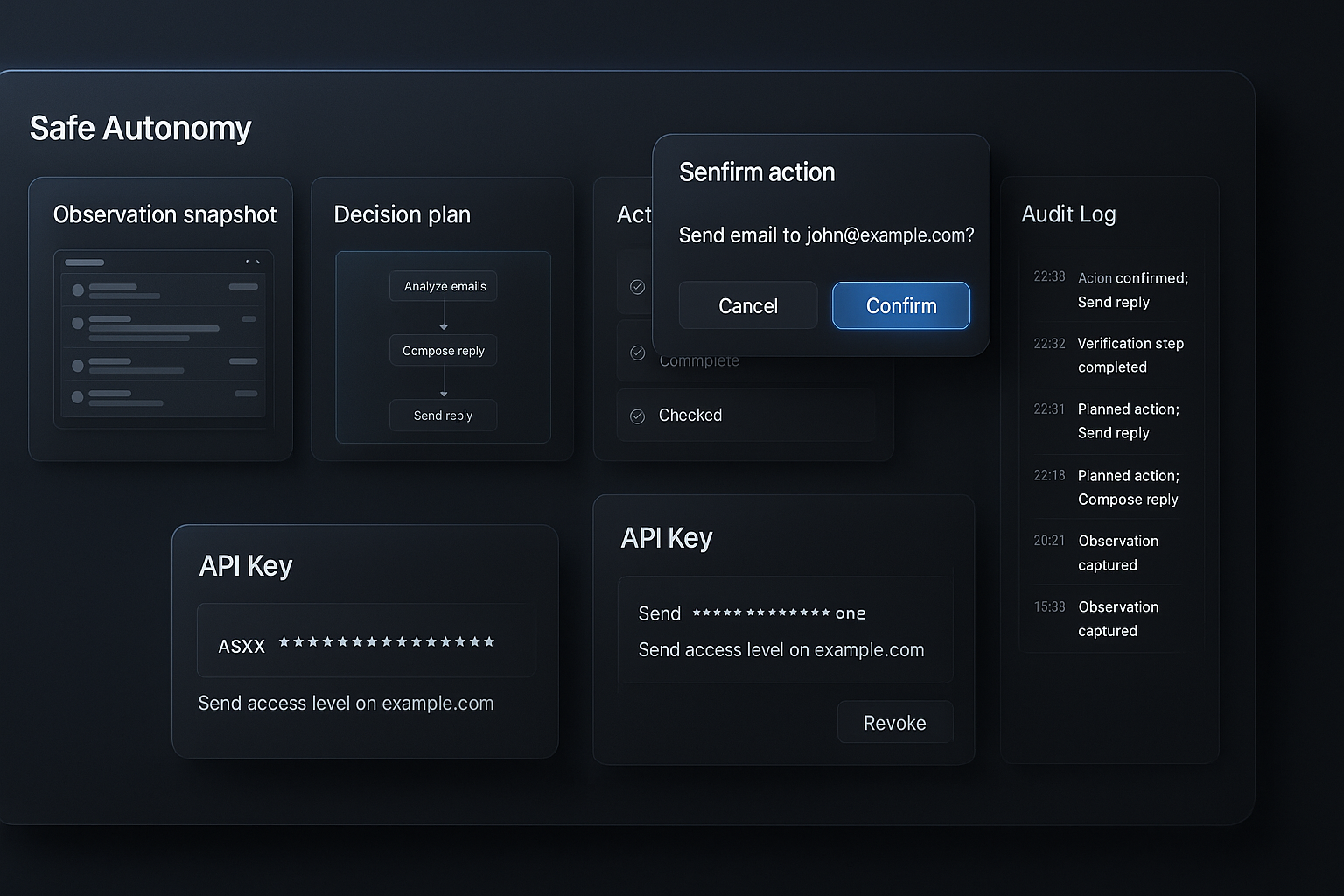
I added observation first to every agent. Before acting, it looks, summarizes, and verifies. That single habit cuts dumb mistakes in pure software automations.
Cybersecurity is officially centered on AI agents
Also on Feb 15, 2026, Gartner’s top security trends called out AI agents alongside quantum threats. Once agents can act, they can misact. The new game is monitoring autonomous behavior, not just guarding secrets.
I focus on monitoring autonomous behavior, not just guarding secrets.
My take
My default setup includes three safety bumps: human confirmation before high-impact actions, scoped credentials per task, and lightweight activity logs I can review. It forces me to think about blast radius and recovery, not just happy-path speed.
Markets are jumpy and pivots are painful
On Feb 14, 2026, simplywall.st showed UiPath down 12.2 percent after its agentic AI pivot and the WorkFusion deal. I don’t cheer anyone’s drop. I just read it as proof that even leaders are retooling in public, and not every move will land perfectly.
For the rest of us, tool loyalty is fragile. Outcomes win. Keep your stack portable so you can swap vendors without breaking the recipe.
What I actually did this week
I kept it painfully simple and shipped something tiny. I rebuilt my weekly invoice follow-up so an agent pulls overdue accounts, drafts personalized nudges, and pauses for my tone check before sending. Boring in the best way, and it forced me to wire in observability I’d want in production.
I keep it painfully simple and ship something tiny, wiring in the observability I’d want in production.
Steal my 1-hour starter plan
- Pick one 5 to 7 step workflow and model it as observe, decide, act, verify. Keep it tool-agnostic.
- Add guardrails: allowed data, allowed tools, required confirmations, and a stop command. Treat it like policy as code.
- Instrument basic logs: timestamp what it reads, decides, and does so you can debug fast.
How these signals fit together
Tech Xplore is the wake-up call: agent layers will swallow repetitive app work. Kyndryl shows the governance pattern that lets this scale without chaos. Physical AI reminds me that better perception and tighter feedback loops win everywhere. Security shifts to behavior, not just the perimeter. And UiPath’s wobble tells me to bet on adaptability, not logos.
Put simply: choreograph tasks, bake in rules, watch the steps as they run, and stay ready to change tools without changing the playbook.
If I were starting today
I’d pick one narrow area I touch daily, like customer replies, calendar triage, research summaries, or billing nudges. I’d build one agent that truly closes the loop and saves a real hour. I’d write rules like policy as code, add a tiny audit trail, and force an observation step first. That becomes a portfolio piece and a reusable scaffold.
FAQ
What exactly is agentic AI?
Agentic AI refers to systems that can plan and take actions across tools or environments to achieve a goal. Unlike chat-only assistants, agents can observe, decide, act, and verify, often chaining multiple steps with tools and APIs.
How do I keep an agent from going off the rails?
Define scope up front as policy as code: allowed tools, data boundaries, prohibited actions, and a kill switch. Use scoped credentials and require human confirmation before high-impact steps like sending emails or moving money.
Do I need a specific platform to start?
No. Start tool-agnostic. Map your workflow, define I/O for each step, and write guardrails. You can port that plan into whatever platform you try next without rewriting your logic from scratch.
What is the quickest real win for beginners?
Automate a boring task you do weekly, like invoice reminders or templated support replies. Add an observation step to fetch context, draft the action, and ask for a quick confirm. That usually delivers a real hour back with minimal risk.
Final thought
Ship small, learn fast, and upgrade safely. Build agents that observe first, act within clear rules, and leave footprints you can read. Do that, and you’ll be ahead of most teams by the time the next headlines hit.