

Agentic AI finally clicked for me this week. On Feb 15, 2026, four quiet updates lined up and made the near-term roadmap feel obvious, practical, and real.
Quick answer: If you’re starting from zero, use the Feb 15 signals as a blueprint. Expect easier planning and tool-use from major platforms, make policy as code a day-one feature, watch Physical AI for greenfield wins, and bring a basic security story to every demo. Then ship a tiny agent with tight tools, guardrails, and logging.
I start from zero by using the Feb 15 signals as my blueprint. Then I ship a tiny agent with tight tools, guardrails, and logging.
OpenAI’s hire points to production-grade agents
When I saw SiliconANGLE report on Feb 15, 2026 that OpenAI hired Peter Steinberger (founder of OpenClaw), it read like a signal, not a headline. That kind of founder-operator DNA usually shows up when you want agents that plan, remember, and use tools reliably out of the box. I’m watching for native orchestration patterns and sane defaults that save me from babysitting pipelines.
Policy as code finally lands in real deployments
Also on Feb 15, Mi-3 covered Kyndryl rolling out policy as code for agentic AI in regulated environments. This is the boring fix that actually ships. I’ve watched too many prototypes die when compliance gets bolted on at the end. Treat policy as a first-class component that controls what the agent can see, do, and remember. You’ll get approvals faster and sleep better.
I treat policy as a first-class component that controls what the agent can see, do, and remember so approvals come faster.
China’s push on Physical AI raises the stakes
Then Tekedia reported on Feb 15, 2026 that Chinese labs coordinated new embodied and agentic models to seize Physical AI. That framing matters. The minute agents can touch the real world, even in small ways like flipping an IoT valve or counting inventory, you get measurable ROI that chat alone can’t match. If I were picking niches, I’d think in verbs: grasp, inspect, deliver, optimize.
Security leaders now expect an agent story
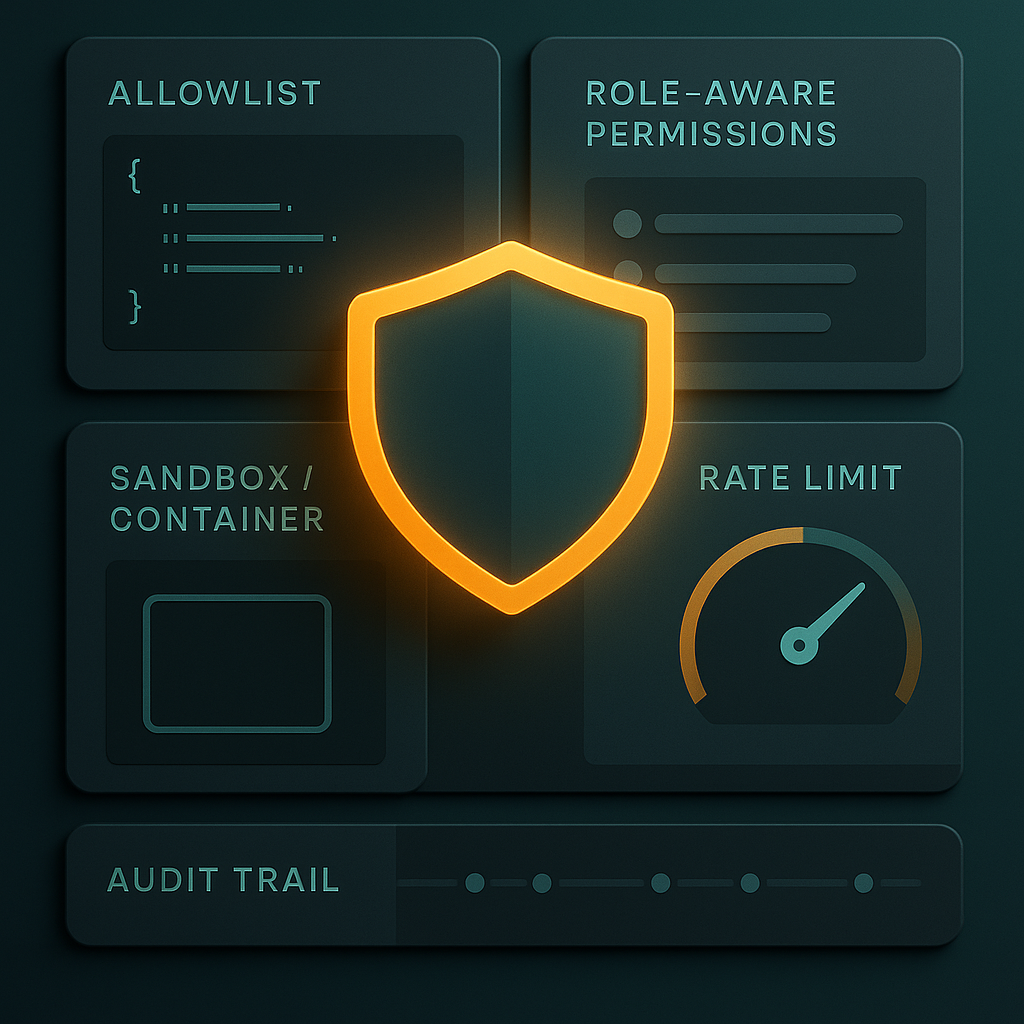
Gartner’s 2026 cybersecurity trends, relayed the same day, put AI agents next to quantum risks. I’m not here for doom headlines, but I am here for budgets. Expect buyers to ask how you rate-limit, sandbox, redact secrets, and log actions. If you can answer that in two sentences, you’ll beat most demos.
I keep a two-sentence security story ready on rate limits, sandboxing, secret redaction, and action logging.
If you’re new, here’s what changes for you
With those Feb 15 updates, I’m planning for faster starts and safer rollouts. Practically, I’m watching for these to show up in mainstream stacks:

- Built-in task orchestration that lets me define goals, tools, and guardrails without spaghetti chains.
- Reasonable defaults for memory and retrieval so I don’t micromanage embeddings.
- Policy-as-code scaffolds and role-aware permissions I can turn on day one.
- Templates and checklists that pass basic security reviews without drama.
What I’d do this week if I were starting from scratch
Step 1 – Pick a one-sitting problem
I choose a task with a clear deliverable: draft a customer email from a support ticket, reconcile an invoice to a PO, or produce a tight troubleshooting plan from a device log. Keep inputs simple and the loop tight.
I pick a one-sitting task with a clear deliverable and keep inputs simple and the loop tight.
Step 2 – Wire guardrails first
Before prompts, I define two or three policies as code: what the agent can read, what it can write, and what needs human approval. Even a small JSON allowlist denies a lot of pain later.
Step 3 – Make tools boring
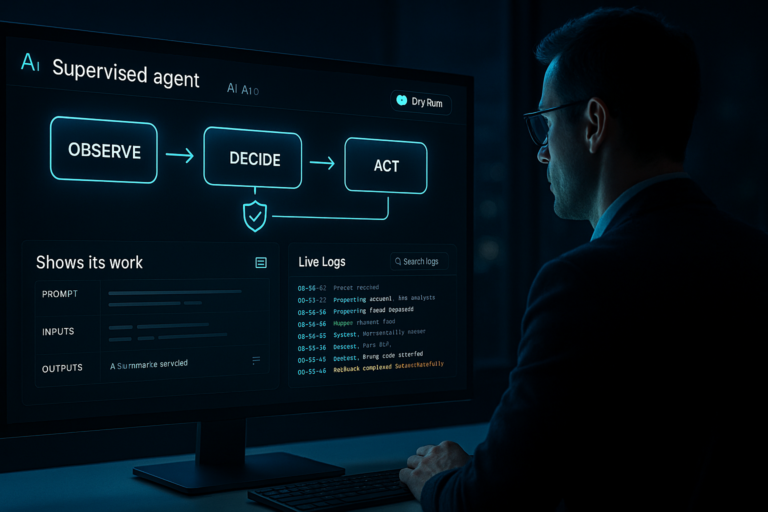
I give the agent tiny, deterministic tools with friendly names like fetch_ticket_summary or create_draft_email. If a tool has side effects, I wrap a dry-run mode so I can test without fear.
Step 4 – Add memory only after it hurts
I start with a short rolling window and log everything. I add retrieval only when forgetting blocks outcomes. Most beginner agents drown in context they never needed.
I add memory only after it hurts: I start with a short rolling window, log everything, and add retrieval only when forgetting blocks outcomes.
Step 5 – Ship something someone can click
A basic form with a textarea and a Run Agent button is enough. I watch the failure, fix exactly that with one policy or one tool, then repeat. Small wins stack fast.
How these signals fit together
OpenAI’s hire hints at stronger built-in patterns. Kyndryl’s policy work shows enterprises want guardrails baked in, not glued on. China’s Physical AI push says agents will get bodies and budgets. Security’s front-and-center status means your smallest project still needs a credible safety story.
If you’re early, this is your window. You don’t need a humanoid robot or a 40-page prompt doc. You need one sensible agent with clear tools, real guardrails, and a tiny, obvious ROI. Do that once and you’re not a beginner anymore.
I focus on one sensible agent with clear tools, real guardrails, and a tiny, obvious ROI.
My quick stack suggestions
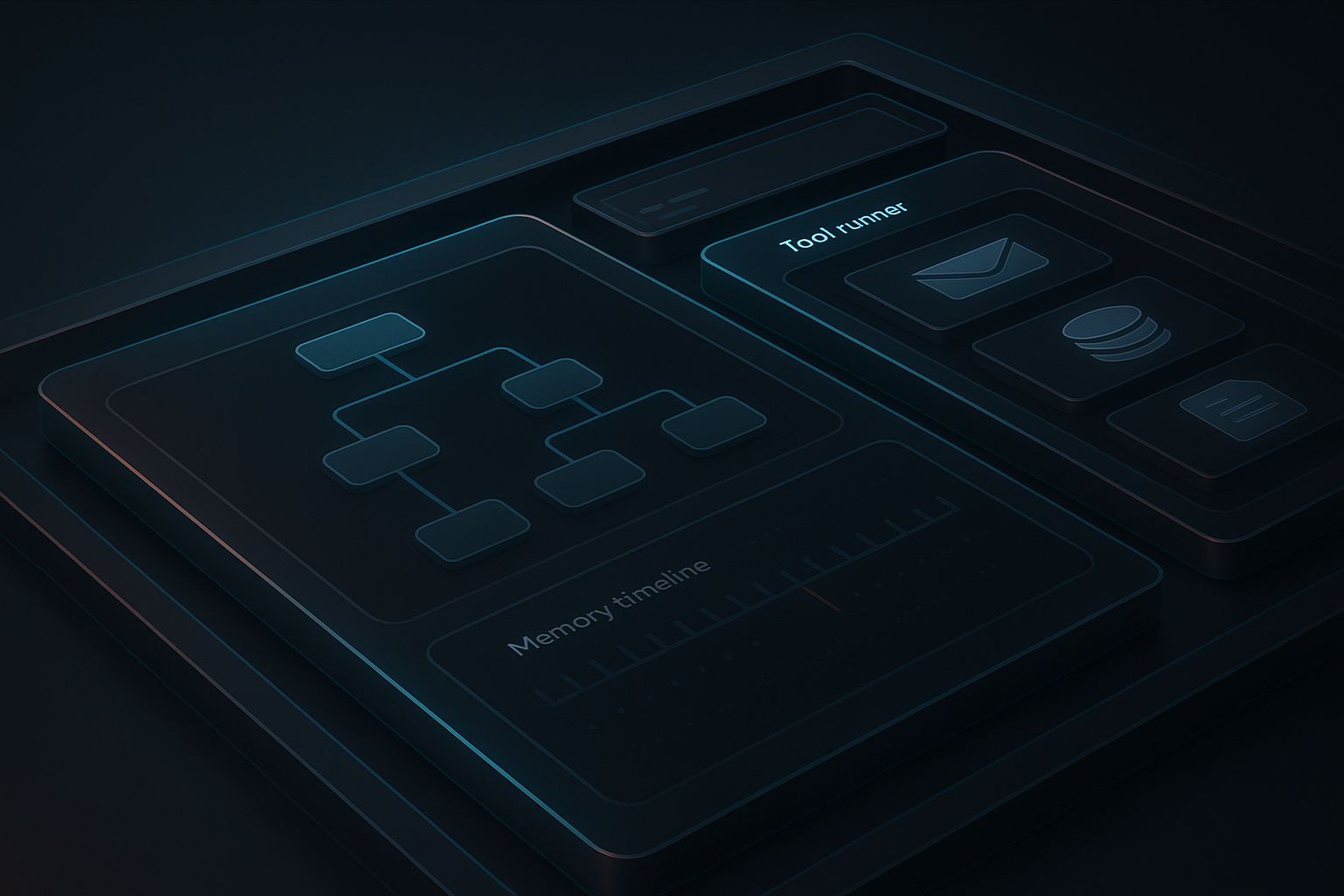
What’s working for me right now: a mainstream LLM for planning and reflection, a simple tool runner with allowlists, a tiny SQLite or JSON store for scratch memory, and full-step logging for replay. If you’re curious about embodied work, start in simulation. You can practice planning and tool-use without burning money or breaking hardware.
FAQ
What is agentic AI in plain English?
Agentic AI is software that plans, decides, and uses tools to get things done with minimal hand-holding. Instead of a one-shot answer, it loops through goals, tools, and checks to produce a result. Think of it like a smart intern that can follow instructions and act.
Why did Feb 15, 2026 matter so much?
Four signals landed on the same day: OpenAI’s talent move toward autonomous agents, Kyndryl’s policy-as-code push, China’s Physical AI momentum, and Gartner putting agents in the security conversation. Together, they point to faster tooling, stricter guardrails, and real-world deployments.
How do I keep a beginner agent safe?
Start with allowlists, role-aware permissions, and action logging. Add rate limits and sandbox any tool with side effects. Treat your agent like an intern with admin keys: clear checklists, human approvals for risky actions, and no secrets in prompts.
Do I need vector databases on day one?
No. Begin with a short rolling window and log context. Add retrieval only when memory limits block outcomes. Simpler agents are easier to debug and much faster to ship.
Where are the best opportunities next?
Look at Physical AI and light automation that creates measurable ROI fast. Even small wins like inventory checks, scheduling, or invoice matching can beat fancy chat demos. Focus on verbs and outcomes, not hype.