

Agentic AI just jumped a level, and I felt it this week. I spent two days reading, testing, and sanity checking a flood of updates that actually change how I build and ship agents.
Quick answer: On February 16, 2026, NVIDIA said Blackwell Ultra brings up to 50x performance and 35x lower costs for agent workloads, Alibaba launched Qwen 3.5 with built-in agentic and visual skills, OpenAI hired OpenClaw’s creator to push agentic vision, and Debenhams started a PayPal pilot. My move now: one tool, one vision step, human-confirmed payments, and tight logs.
My move now: use one tool, one vision step, human-confirmed payments, and tight logs.
NVIDIA Blackwell Ultra: the cost curve finally blinks
On February 16, 2026, NVIDIA shared data that Blackwell Ultra delivers up to 50x better performance and up to 35x lower costs for agentic AI workloads versus the prior generation. Long context handling and higher tokens per watt matter more than a flashy TOPS stat when your agent reads, plans, calls tools, and loops over context.
My read as a builder: the price of iteration just dropped, especially for multi-step agents and tool-using workflows. Longer context means fewer brittle summaries and cleaner memory. If you rent compute, this is the week to push your loops harder with bigger contexts and aggressive retries. If you’re picking a cloud, ask bluntly about Blackwell Ultra availability and pricing, not generic GPU labels.

What I’m watching next is boring but real: queue times and concurrency on managed stacks. I’ll believe it fully when a 15 step tool-using agent wraps up before my coffee cools, not after lunch.
If I rent compute, this is the week I push my loops harder with bigger contexts and aggressive retries.
Qwen 3.5: agentic features go mainstream
Also on February 16, 2026, Alibaba unveiled Qwen 3.5 with efficiency gains, first-class planning and tool-use, and visual agentic abilities called out by Silicon Republic. The part that matters to me is not a single benchmark. It’s that more base models are shipping ready to plan, reflect, call tools, and see.
If you’re new to this, start simple and safe. Let Qwen 3.5 use one API you trust and watch how it plans around that constraint. Give it a screenshot or PDF and ask for the exact steps it would take before acting. Keep the system message tight: what it can do, the single API it can call, and what “done” means.
OpenAI + OpenClaw: agentic vision is not a side quest
SDxCentral reported on February 16, 2026 that Peter Steinberger, the developer behind OpenClaw, joined OpenAI to accelerate agentic vision. I watched OpenClaw spread because it mirrors real work. The world is visual and messy. Your agent will not always get a tidy JSON blob. Sometimes it must look at pixels, understand the state, and act.
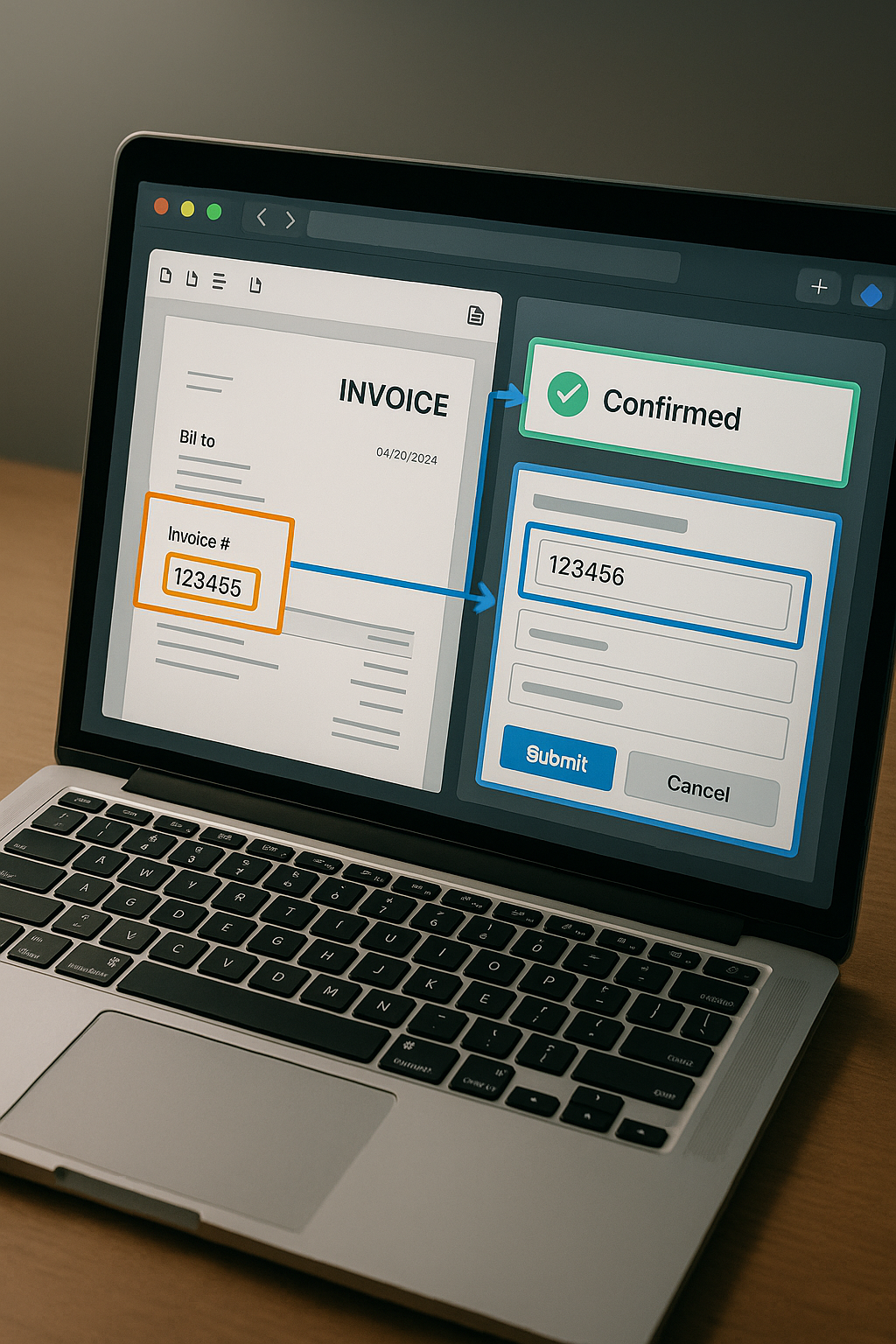
You do not need a robot arm to benefit. Think about the boring browser routines you repeat: filling forms, reading IDs from PDFs, confirming a UI state before the next step. Agentic vision trims your integration tax. Instead of begging for yet another API, you point the agent at a screen and give it safe, predictable controls.
When I can’t get an API, I point the agent at the screen and give it safe, predictable controls.
Debenhams x PayPal: agentic commerce leaves the deck and hits carts
Also on February 16, 2026, AI News reported Debenhams is piloting agentic checkout via PayPal. I love this because payments are where ideas die if UX or trust is off. If a known retailer is testing agent-driven carts with a household payment brand, that’s a green light to build scrappy shopping assistants with a human confirm step.
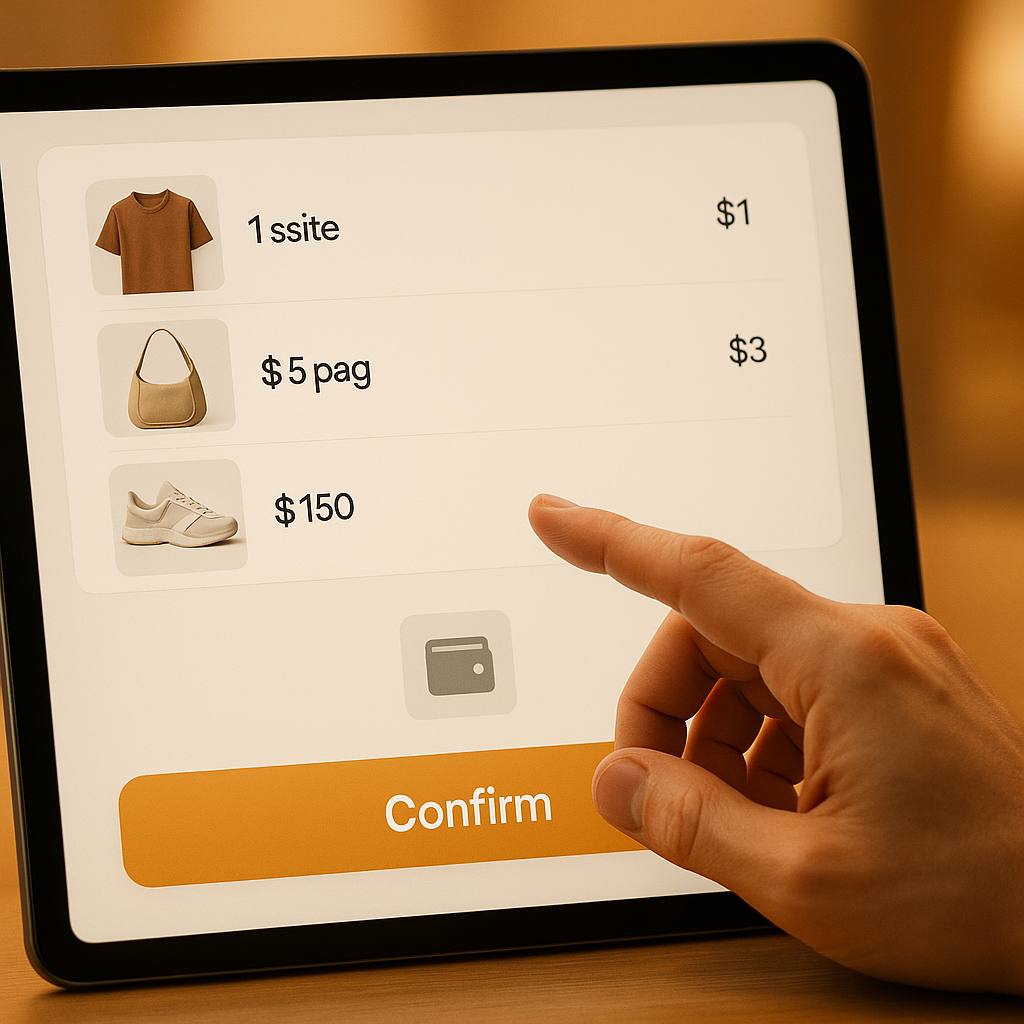
My safe pattern is straightforward: the agent answers product questions, builds the cart, and hands you a prefilled PayPal flow to confirm. The agent proposes, the human disposes. That last click prevents an unsupervised wallet and earns user trust.
What I’d build today if I were starting from zero
- Pick a model with agentic tooling baked in, like Qwen 3.5, and allow exactly one tool to start. Keep it boring and safe.
- Add one vision step where it clearly unlocks value, like reading a PDF invoice or a dashboard screenshot.
- Wrap a simple policy around it: max 10 steps, require a clear “done” definition, and log a one-line reason for every tool call.
- For money, show a confirm screen. Let the agent prep a PayPal link, but require a human click to send.
- Benchmark one real workflow now, then again on Blackwell Ultra when you can. Compare time, cost per run, and failure rate. Keep the winner.
Guardrails that kept me out of trouble
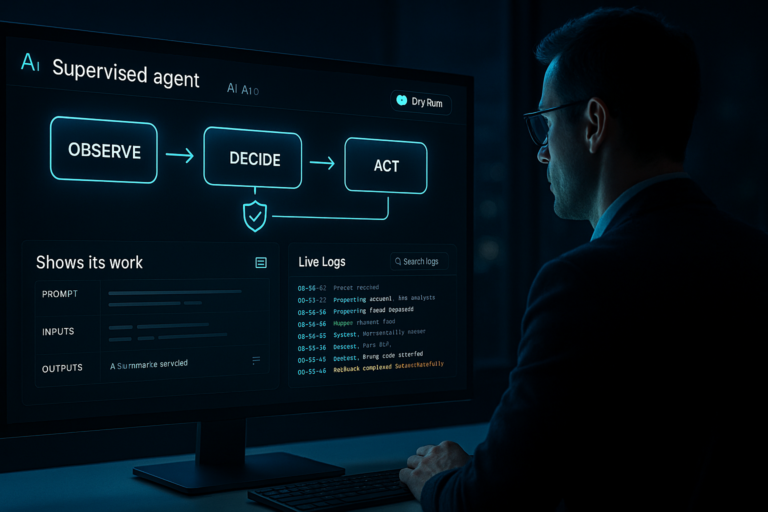
Agentic projects usually fail in two boring places: wandering loops and silent side effects. I ask the agent to state its next action in one sentence before it runs, cap loops tightly at the start, and review English logs. For anything touching real accounts or money, I keep a whitelist of endpoints, a test mode that fakes side effects, and a kill switch that drops the agent back to read-only if confidence dips.
I make the agent state its next action in one sentence, cap loops tightly, and review English logs.
FAQ
What is Agentic AI in plain English?
Agentic AI is a model that plans, decides when to use tools or APIs, and loops on context to reach a goal. Instead of just answering a prompt, it thinks in steps, takes actions, and checks its own work against a definition of done.
How does NVIDIA Blackwell Ultra change my costs?
NVIDIA’s February 16, 2026 data points to up to 50x performance and up to 35x lower costs for agent workloads. In practice, that means faster multi-step runs, cheaper retries, and more room for long-context memory without blowing your budget.
Do I need robotics to use agentic vision?
No. Agentic vision shines on everyday software tasks like reading PDFs, parsing dashboards, confirming UI states, and filling forms. It reduces the need for bespoke integrations when a screen and a few safe controls get you there faster.
How do I keep payments safe with an agent?
Keep the agent in charge of preparing, not sending. Log the plan, show a readable diff of cart changes, and require a human confirm for any transaction. This Debenhams x PayPal pattern balances speed with trust.
I keep the agent in charge of preparing, not sending. I require a human confirm for any transaction.
What’s the smallest stack I can ship this week?
One model with built-in agentic tooling, one safe API, one vision read step, a 10-step cap with action justifications in logs, and a human-confirmed PayPal flow. It’s cheap, fast to iterate, and easy to extend.
Where this is going
These four February 16, 2026 updates rhyme across the stack. Compute got cheaper where agents live, models ship with planning and perception, agentic vision is a priority hire, and a real retailer is testing agentic checkout. If you’ve been on the fence, this is your window. Start tiny, keep a human in the loop for anything sensitive, and let the new cost curve buy you iteration speed.