
Agentic AI just had a week that made me rewrite my roadmap. Costs dropped, multimodal got practical, a real retail loop shipped, and ad tech started drawing lines in the sand.
Quick answer: After NVIDIA’s Blackwell Ultra data on Feb 16, 2026 showing up to 50x better performance and up to 35x lower costs, plus Alibaba’s Qwen 3.5 on Feb 17, 2026 and URBN’s reporting test, I’d ship one small, logged, multi-step agent now. Use a cheap planner, a multimodal worker, and a daily timer. Keep a human in the loop for the final send.
I’d ship one small, logged, multi-step agent now. I use a cheap planner, a multimodal worker, and a daily timer with a human in the loop for the final send.
Why this week changed my roadmap
I spent two days reading, testing, and cost-mapping. It feels like someone pressed fast-forward on agentic AI. This isn’t hype for me. It’s a green light to build longer chains, keep state for hours, and finally automate the boring loops I’ve been dodging.
NVIDIA just made agents a lot cheaper to run
Up to 50x better performance, 35x lower costs on Feb 16, 2026
On Feb 16, 2026 NVIDIA published new SemiAnalysis InferenceX data on Blackwell Ultra showing massive performance-per-dollar gains for agentic workloads. Multi-step plans, repeated tool calls, and background loops start to make economic sense.
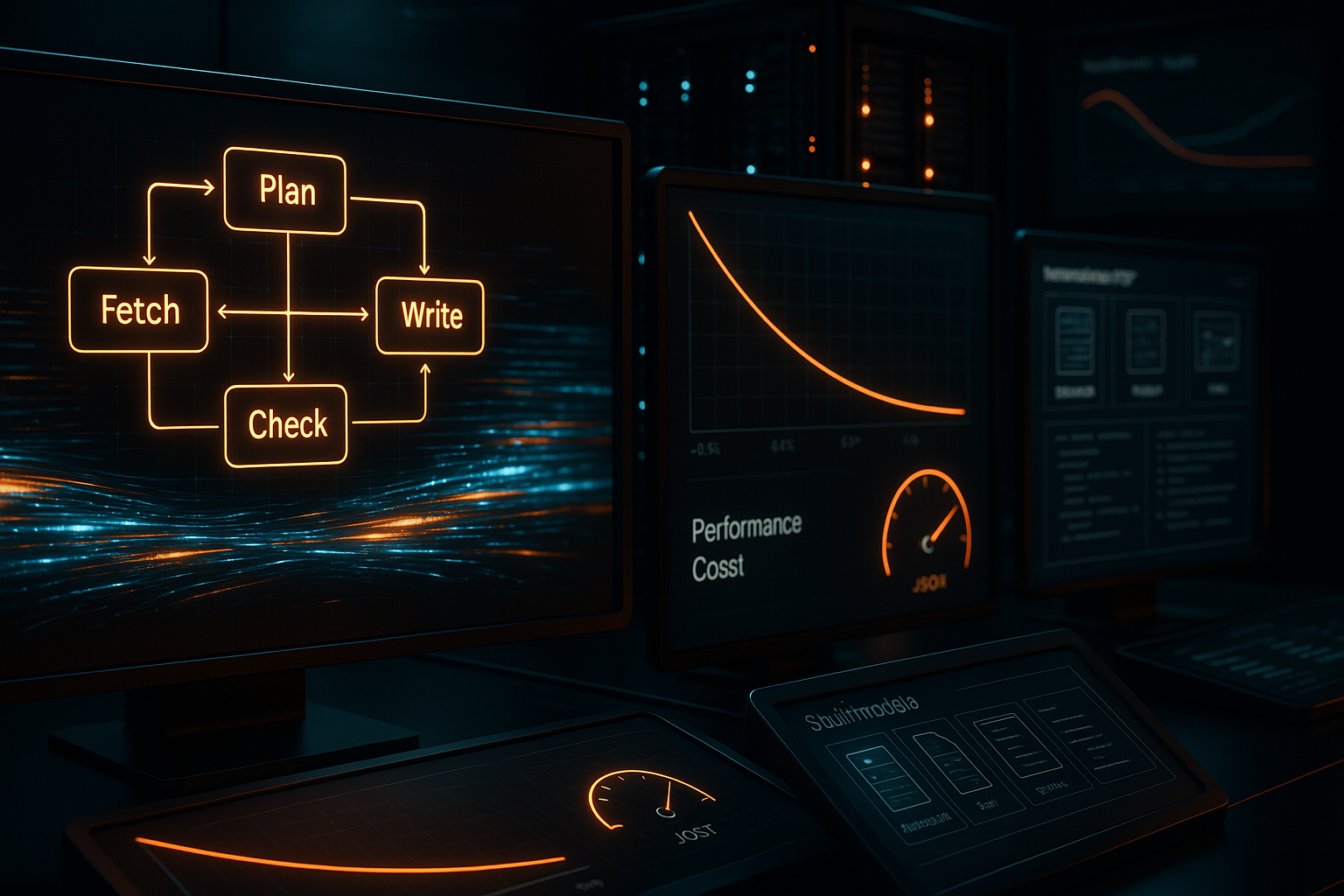
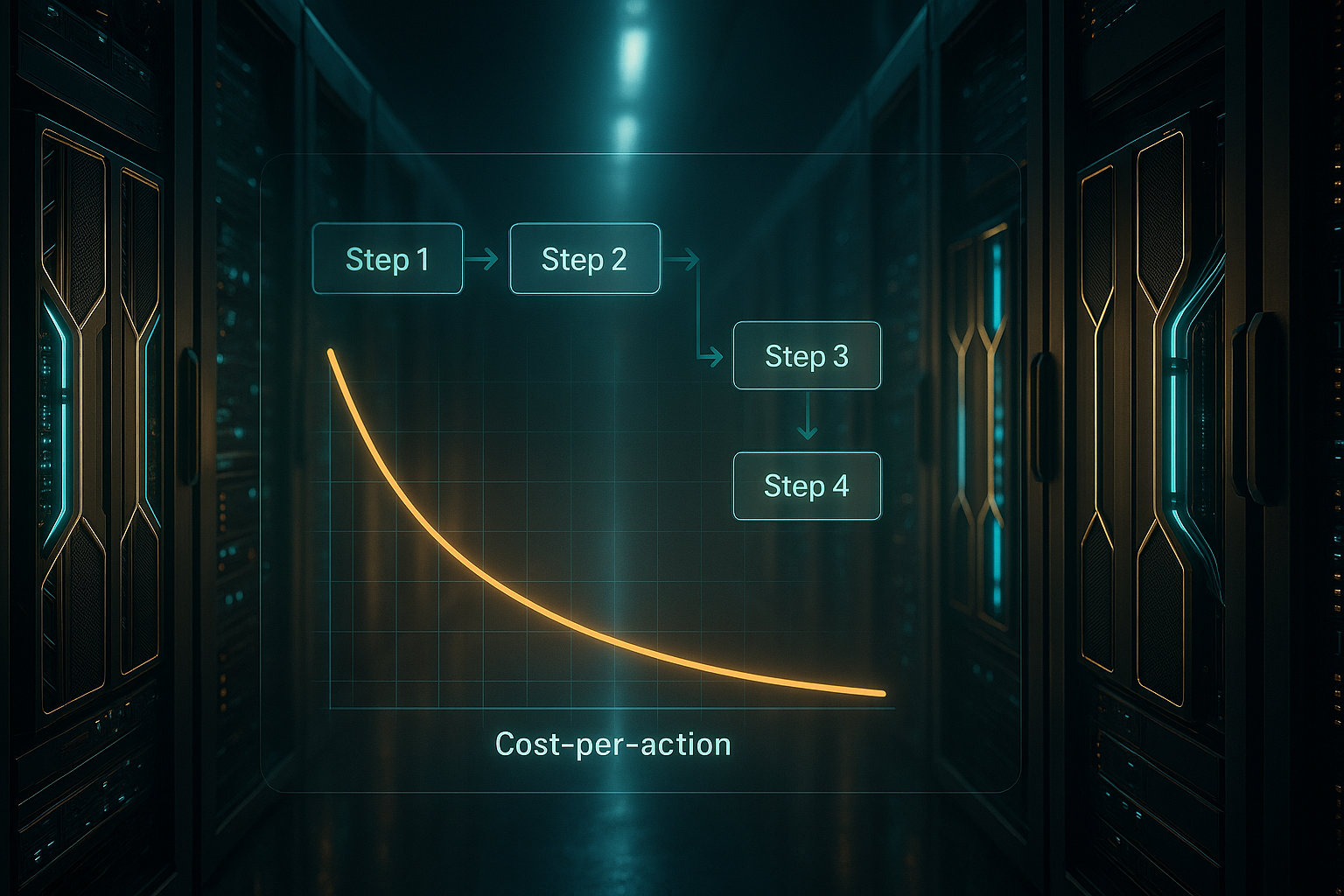
I map cost per action, not per request. Agents plan, fetch, write, check, and loop. If tokens per watt and per dollar keep falling like this, I can let agents think a bit longer and still win on total cost.
I map cost per action, not per request, so I can see every plan, fetch, write, check, and loop without surprises.
What I changed this week: I stopped avoiding chatty chains. I’m prototyping background agents that keep context across the day, still logging every step so I can audit behavior and costs.
Qwen 3.5 made multimodal agents feel practical
New frontier in multimodal agents on Feb 17, 2026
On Feb 17, 2026 Alibaba unveiled Qwen 3.5 as a push into efficient multimodal agents. Real agents don’t live in text-only land. They juggle screenshots, PDFs, logs, and product feeds without melting down.
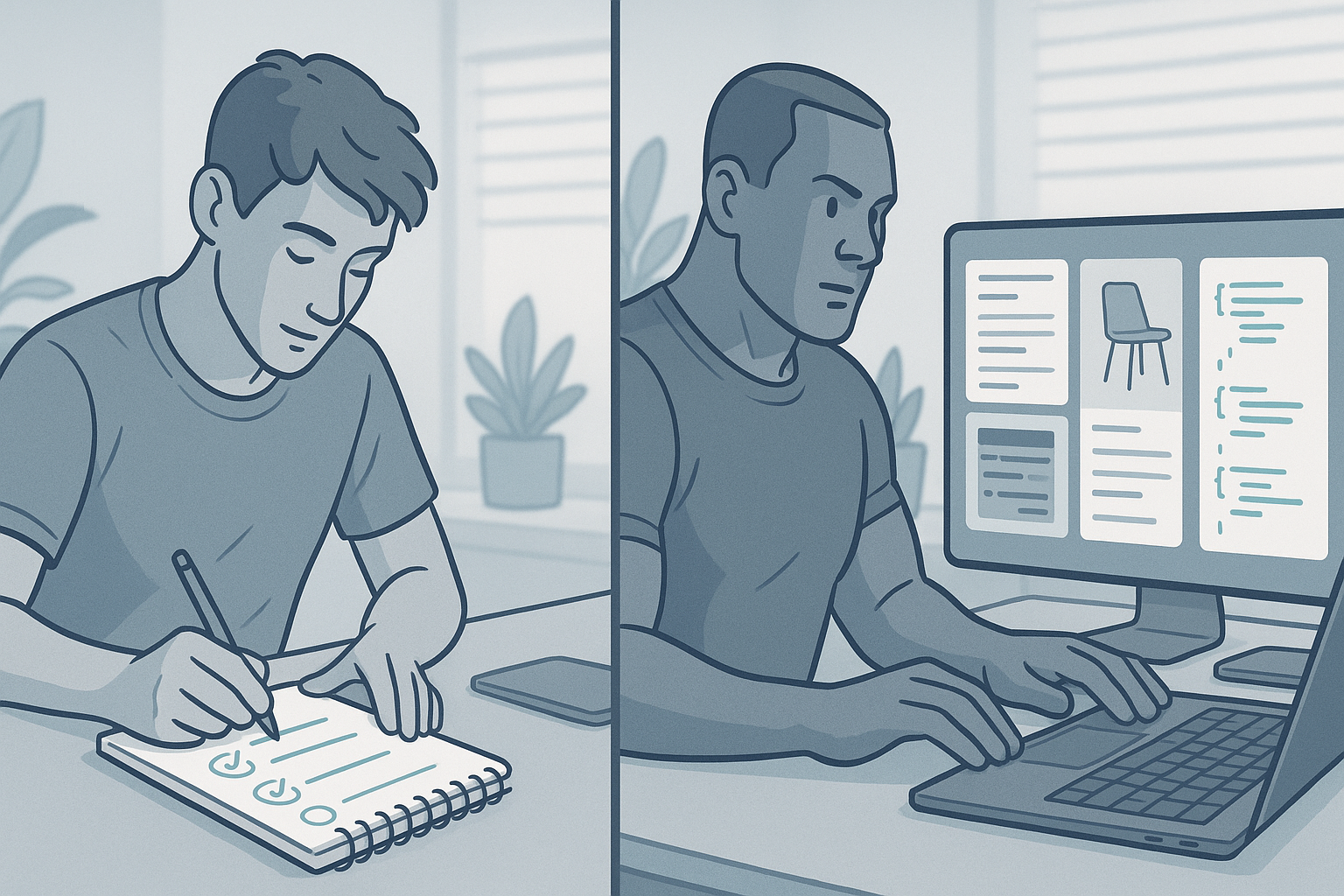
My go-to pattern is a lightweight planner plus a multimodal worker. The planner stays cheap and sets intent. The worker does the heavy lift on documents or images. If Qwen 3.5 holds its efficiency, this split gets very real for support tickets with screenshots or extracting line items from messy vendor PDFs.
Beginner-friendly angle: pick one gnarly input your workflow hates and build a micro-agent that turns it into clean JSON your system can trust. That single move turns multimodal from hype into useful.
I start with one gnarly input my workflow hates and build a tiny agent that turns it into clean JSON my system can trust.
URBN quietly showed a use case I actually believe
Retail reporting automation tested on Feb 16, 2026
URBN, the group behind Urban Outfitters, Anthropologie, and Free People, tested agentic AI to automate retail reporting on Feb 16, 2026. Reporting is repetitive, structured, and perfect for agents that pull data, sanity-check it, add notes, and publish for review. This is the boring-but-profitable lane I love.
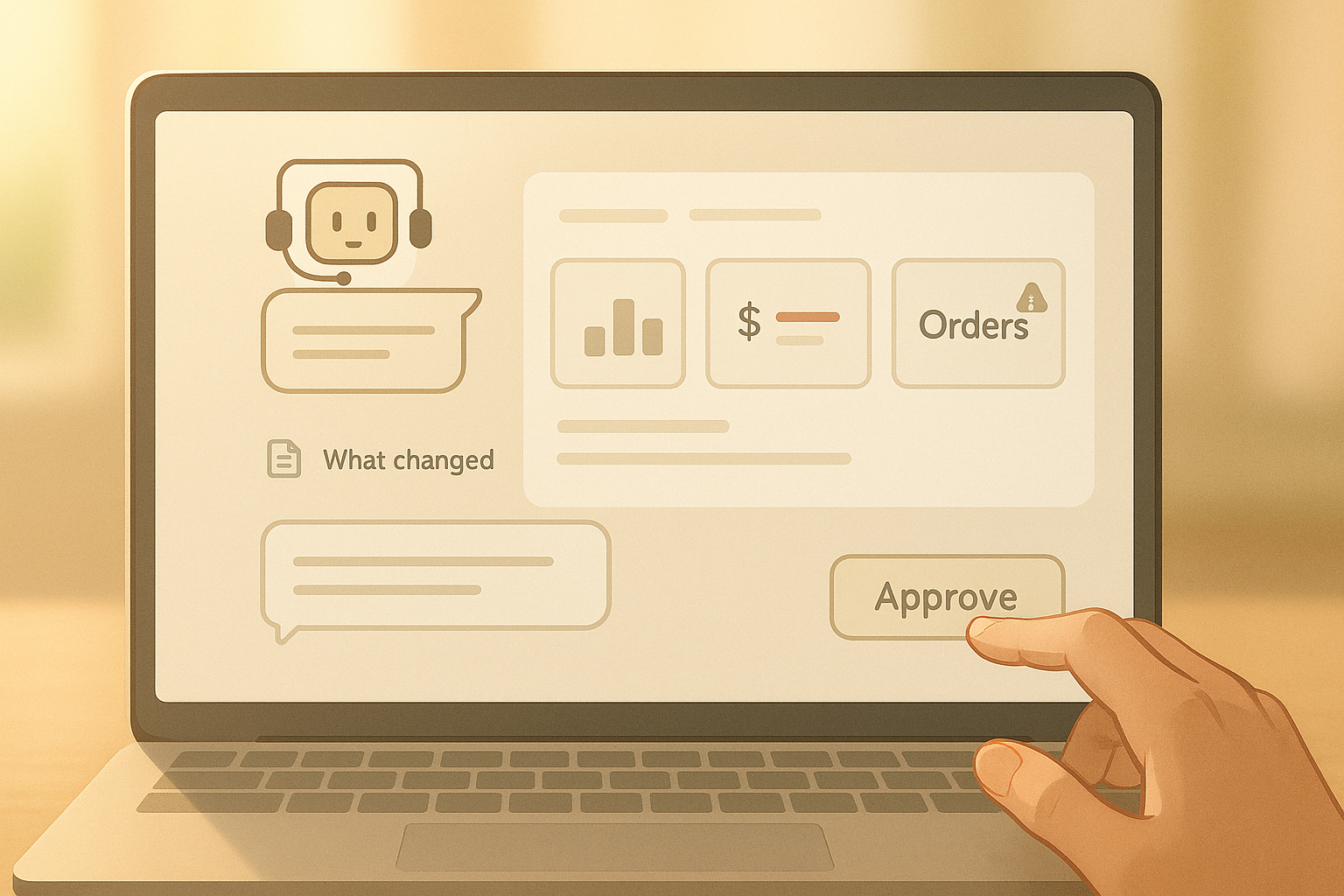
How I’d ship the starter: pull yesterday’s KPIs from a trusted query, check for missing values or weird spikes, write a simple what-changed note, then draft a one-paragraph summary for Slack with links and threshold flags. Once stable, add a dashboard screenshot or attach a CSV. Small wins stack fast.
I pull yesterday’s KPIs, sanity-check for missing values or spikes, and post a tight Slack summary with links and flags so small wins stack fast.
Advertising is heading into an agent standards fight
AdCP vs. IAB Tech Lab on Feb 17, 2026
Also on Feb 17, 2026, Digiday covered a brewing standards showdown: AdCP vs. IAB Tech Lab. Agents will negotiate, buy, and optimize with real budgets. That means consent, audit trails, and action boundaries need to be first-class. The question isn’t whether we need standards, it’s whose spec becomes the reference.
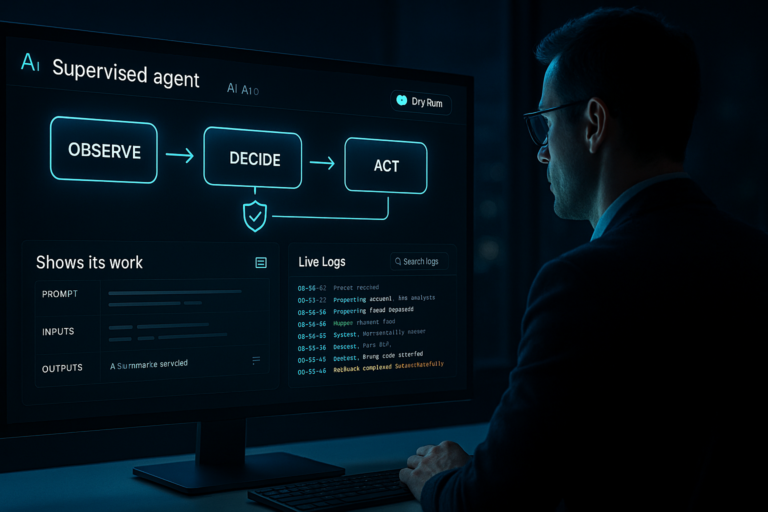
My rule of thumb: if an agent touches user data or paid channels, log every tool call with inputs and outputs. Build the audit trail now so procurement and compliance don’t slow you later.
If an agent touches user data or paid channels, I log every tool call with inputs and outputs and build the audit trail now to avoid slowdowns later.
What I’d do this week if I were starting from zero
I like simple, durable steps. Here’s the plan I’m actually running so I don’t overthink it.
- Pick one daily task you repeat and keep it small: reporting, inbox triage, or data cleanup.
- Sketch the flow: inputs, two checks, output. That’s your first agent spec.
- Use a familiar LLM as planner and a modern, efficient model as worker. Multimodal only if it helps.
- Add one tool at a time: read, check, write. Log each call and print the last few steps on failure.
- Put it on a morning timer with a human in the loop. Measure minutes saved, then add one tiny stretch goal.
My personal takeaways
NVIDIA’s Feb 16 numbers are the clearest signal I’ve seen that longer agent loops finally make economic sense. I can afford more thinking steps without sweating the bill.
Qwen 3.5 on Feb 17 got me excited about all the non-text junk I deal with. If multimodal stays efficient, I stop dreading screenshots and receipts.
URBN’s reporting test is a blueprint anyone can copy. Start narrow, prove value daily, then expand the loop.
The ad standards tussle reminds me to build with identity, permissions, and logs from day one. Moving fast later starts with good breadcrumbs now.
FAQ: Agentic AI this week
What is agentic AI in plain English?
Agentic AI is a system that plans, takes actions with tools or APIs, checks its own work, and loops until it hits a goal. It’s different from a single chat reply because it chains steps together and keeps context as it works.
Do I need GPUs to get the benefits?
No. If you use hosted platforms, the NVIDIA efficiencies tend to show up as lower per-token costs, better throughput, and fewer timeouts. You benefit indirectly without managing hardware yourself.
How should I log tool calls safely?
Capture timestamps, tool names, inputs, and outputs. Mask or hash sensitive fields, and keep retention short. Store a slim breadcrumb trail so you can audit behavior without hoarding private data.
What’s a simple first agent I can ship?
A daily reporting runner. Read KPIs from a trusted source, run two sanity checks, write a one-paragraph summary, and post it to Slack for human review. It’s structured, fast to validate, and useful on day one.
Closing thought
If you’ve been waiting for the right moment to dive into agentic AI, this is it. Hardware costs are trending down, multimodal is stabilizing, real companies are proving the boring loops, and standards are taking shape. Pick one tiny workflow and ship a humble agent. You’ll feel the momentum immediately.