

Agentic AI just had a moment
Agentic AI finally clicked for me. On Feb 19, 2026, I watched Zoom turn its assistant into an actual coworker, a finance startup land $23M to automate money ops, and data leaders remind everyone that golden pipelines and drift management decide who wins.
Quick answer: If you are new to agentic AI, start one small workflow this week. Give an agent a clear goal, connect a single source of truth with a simple golden pipeline, run in shadow mode, then enable guarded execution. Measure with a tiny eval set and watch for drift. Do not scale until it works twice in a row.
My tip: I start with one small workflow this week and I do not scale until it works twice in a row.
Zoom just turned assistants into coworkers
Zoom’s update landed on Feb 19, 2026, and it is a shift. The AI Companion is no longer only summarizing. It plans, tracks goals, nudges owners, and follows through across meetings, chat, and tasks. Here is the coverage I read: Zoom unveils its agentic AI coworker.

Why I care as a beginner: collaboration is where I already live. If an agent can pull action items from a call, schedule a follow up, draft the doc, and ping the right people without me micromanaging, that feels like a real second brain.
How I am testing it this week
I am running one small project entirely in Zoom’s orbit. One objective, a shared doc, a few recurring syncs, and an agent asked to keep momentum. If it removes the ten tiny coordination steps I typically juggle, that is a win I can feel.
My tip: I run one small project entirely in Zoom’s orbit with one objective and an agent to keep momentum.
Try it without breaking anything
Pick one low risk initiative. Give the agent a clear goal, a time window, and two or three places it can act, like calendar and docs. Then watch what it misses. Those gaps become your next prompt tweaks and permissions.
Money follows momentum: a $23M bet on agentic finance
Also on Feb 19, 2026, Stacks announced a $23M Series A to automate enterprise finance with agentic AI. Translation: reconciliation, payables, receivables, month end close, variance explanations, and vendor follow ups are lining up for agents. Here is the piece: $23M for agentic finance.
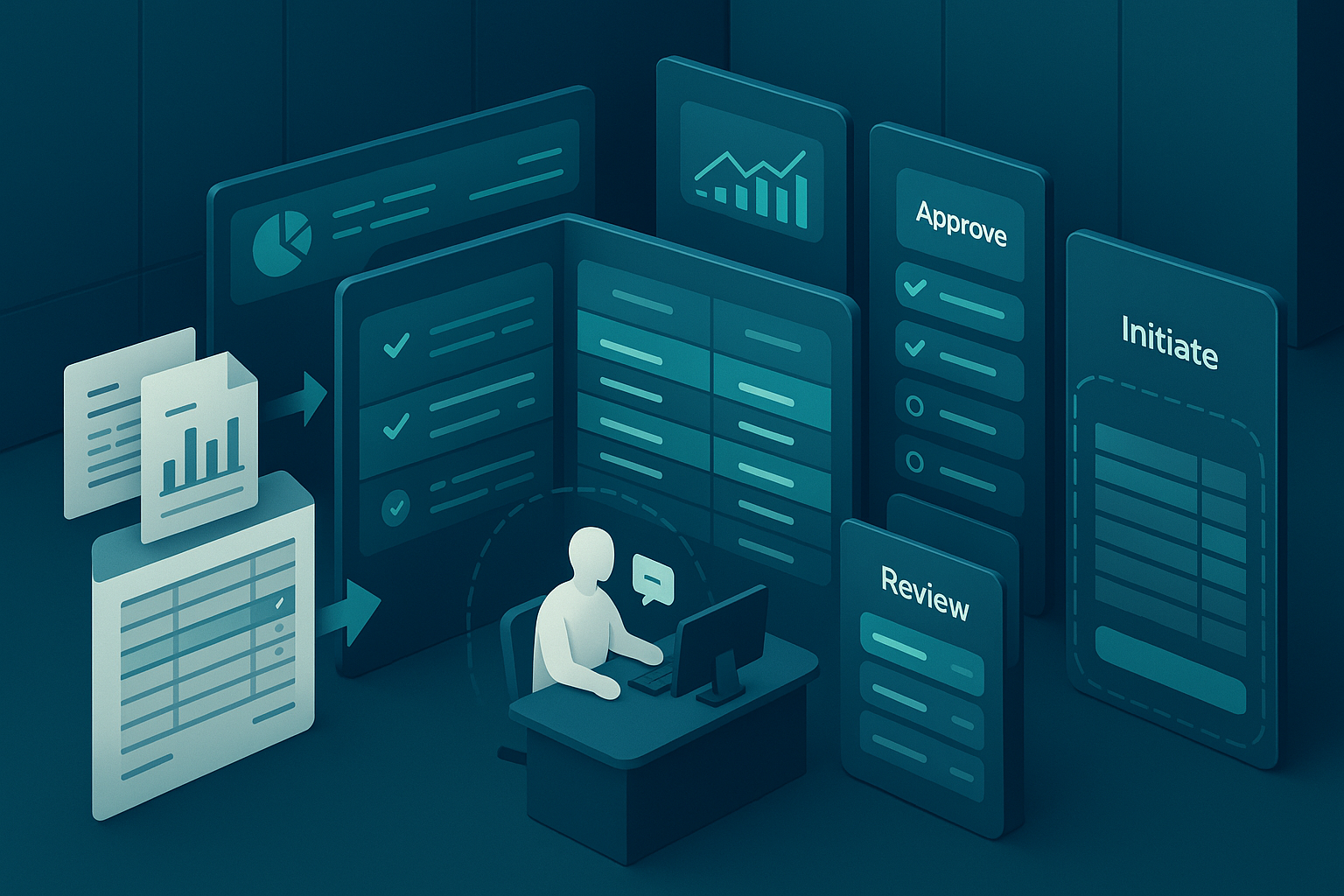
I have been skeptical because messy ERP data eats clever ideas for breakfast. This funding signals two things to me. Tooling is catching up to partial matches, missing IDs, and PDFs, and teams are getting comfortable letting agents stage or even initiate transactions inside guardrails.
My tip: I let agents stage transactions inside guardrails when the data is messy.
The last mile: golden pipelines that agents can trust
On the same day, VentureBeat pointed to the real bottleneck: the the last mile of data. Agents need clean, reachable data with a predictable handshake. If CRM tags are random, ticket fields read like novels, or IDs do not match, agents stop being brave and start being confused. Worth a read: the last mile data problem.
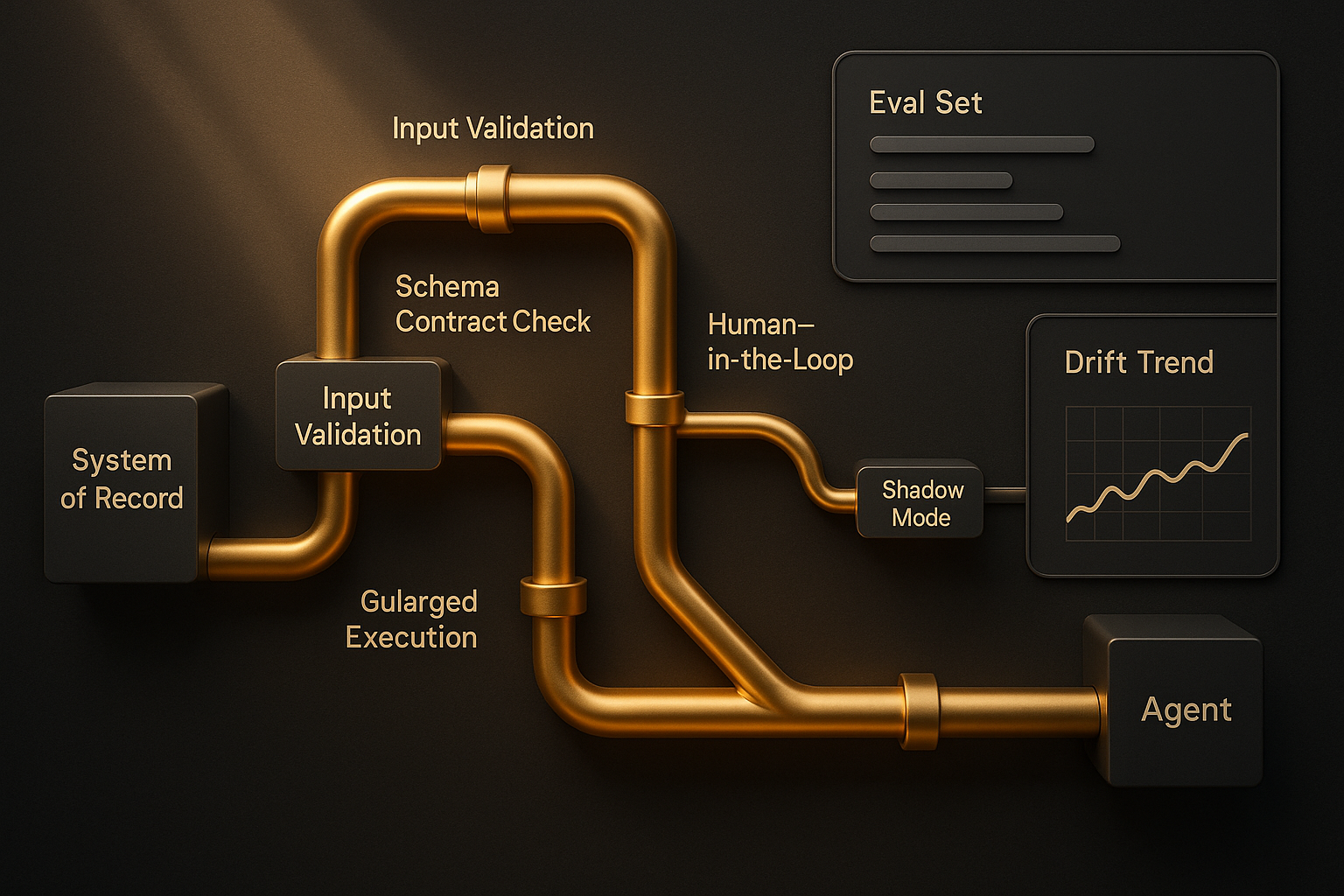
Here is the tiny golden pipeline I set up so agents do not hallucinate:
- Pick one process with one system of record, like onboarding in HubSpot instead of seven tools stitched together.
- Write a clear agent contract: fields available, where it can write, and what to do when data is missing.
- Validate inputs and route blanks to a human task rather than guessing.
Golden pipelines are not just connectors. They are reliability agreements. Build one sturdy pipe and you earn permission to build the next.
Risk check: agents do not explode, they drift
The other Feb 19 reminder I needed: agentic AI systems usually fail quietly over time. Data shifts, a field rename sneaks in, incentives drift. You do not notice until it hurts. CIO captured this pattern well in their piece on drift.
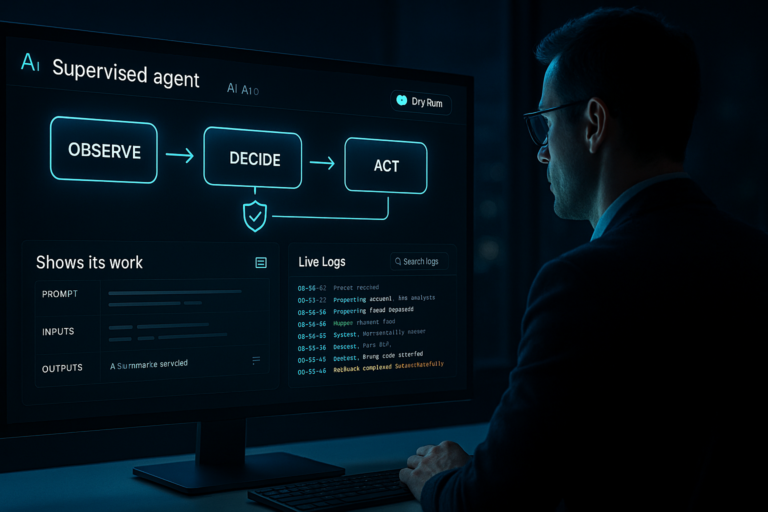
My boring playbook works. Start in shadow mode for a week and compare proposed actions to a human pass. Pin a tiny eval set of 5 to 10 important scenarios and rerun it after any prompt or tool change. Log decisions like receipts with inputs, rule followed, and confidence. And when you can, freeze schemas or treat field renames like mini API changes.
My tip: I start in shadow mode, rerun a tiny eval after any change, and I log decisions like receipts.
Security is getting agentic too
One more Feb 19 headline caught my eye. Securonix partnered with AWS to bring agentic AI into SOC workflows for enterprises and MSSPs. If defenders are letting agents triage, correlate, and suggest actions inside guardrails, expect this handoff pattern to spread anywhere alert fatigue lives.
My tip: I expect this guardrailed handoff pattern to spread anywhere alert fatigue lives.
What I would actually do this week
I am not boiling the ocean. I want a single meaningful workflow that proves three things: an agent can find the data, decide correctly most of the time, and act inside guardrails without surprises.
Day 1: Choose a low stakes process with a clear definition of done, like scheduling follow ups after a customer call or staging a small batch of invoice reconciliations for review.
Day 2: Map the data for that process. Name the system of record. Mark missing fields as human required.
Day 3: Build the golden pipeline with basic validations. A simple workflow beats a clever prompt that guesses.
Day 4: Write the agent contract. Be explicit about read and write permissions and what to do when unsure.
Day 5: Run in shadow mode. Compare outcomes to a human pass.
Day 6: Turn on guarded execution. Human approve anything risky, auto approve the trivial stuff.
Day 7: Review drift risks, log formats, and rerun your eval set. If it passes cleanly, expand scope by 20 percent, not 200 percent.
FAQ
What is agentic AI in plain English?
Agentic AI is software that can plan, decide, and act toward a goal across tools. Instead of just answering questions, it sequences steps, uses your systems, and follows up. Think reliable teammate, not just a chatbot.
How do I start with agentic AI without breaking workflows?
Start with one low risk process and a single system of record. Build a small golden pipeline, define an agent contract, and run in shadow mode before enabling guarded execution. Measure with a tiny eval set and do not scale until it is stable.
What is a golden pipeline and why does it matter?
A golden pipeline is a clean, validated data path with clear read and write rules. It gives agents trustworthy inputs and safe places to act. Without it, agents guess, drift faster, and create rework.
How do I monitor agentic AI for drift?
Keep a lightweight eval set of critical scenarios and rerun it after any change. Log every action with inputs, rule applied, and confidence so you have breadcrumbs. Treat schema changes like API changes and announce them.
Is it safe to let agents touch finance or security?
Yes with guardrails. Limit permissions, stage actions for review, and log everything. The fact that finance and security teams are piloting agents on Feb 19, 2026 tells me the pattern is maturing, but start small and verify.
My take
Agentic AI finally feels practical. Zoom made it tangible for everyday teams, finance showed real conviction with $23M, and the data and risk folks reminded us that discipline wins. You do not need a lab. You need one clear workflow, one clean pipe, and the humility to measure.