

Agentic AI just got practical
Agentic AI finally clicked for me this week. I’ve been shipping small automations for months, but the updates and analysis that landed on March 14, 2026 made it obvious what to build next and how to do it safely.
Quick answer: Start with one capable Agentic AI assistant that proposes a plan, asks for approval, executes one step, and logs everything. Use Model Context Protocol style connectors for tools, keep permissions scoped, and add simple exposure checks. Skip multi-agent setups until you have clean traces and stable handoffs.
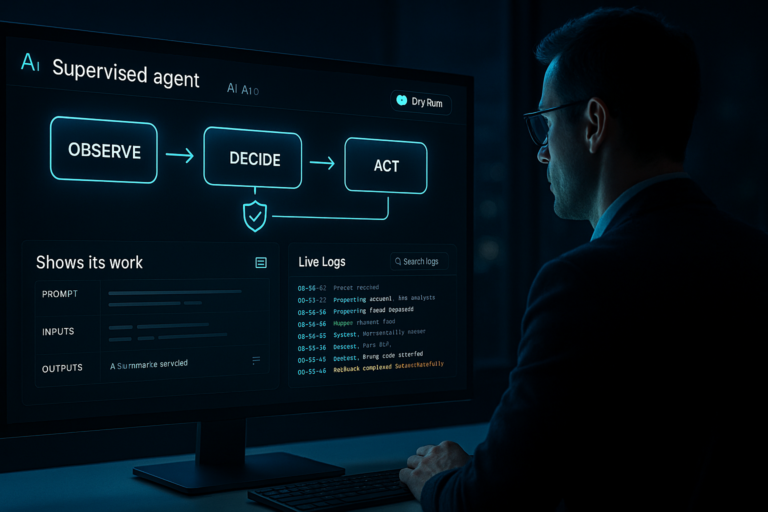
I start with one capable assistant that proposes a plan, waits for my approval, executes one step, and logs everything.
Why the industry mood just shifted
On March 14, 2026, Investing.com reported Goldman’s call that software is headed for a radical shift as agents move into everyday apps. Translation I felt in my own builds: platforms are upgrading APIs, permissions, and app stores so our agents can act like useful teammates instead of duct-taped scripts.
MCP is the adapter I was missing
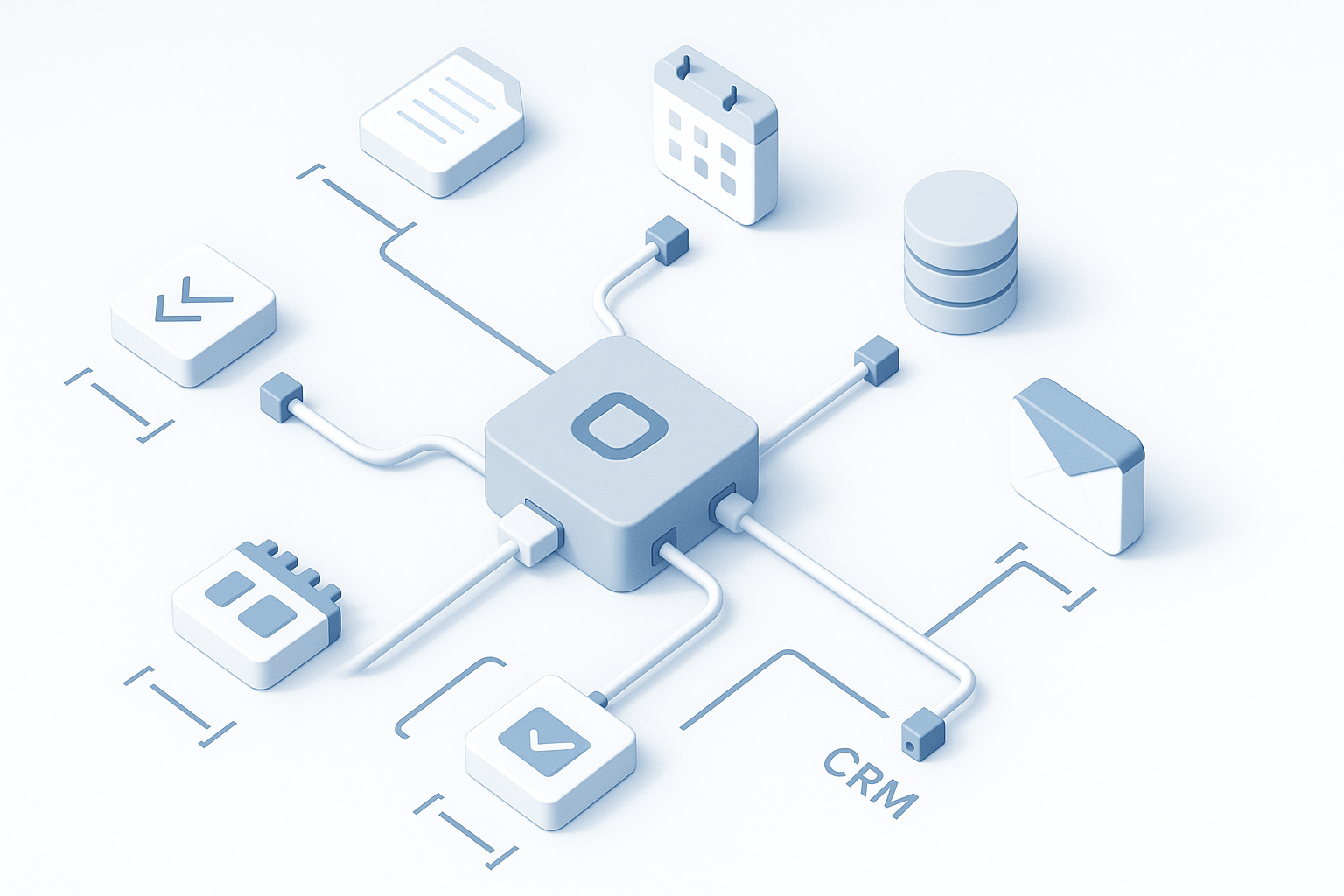
Early agents felt brittle because every tool integration was bespoke. On March 14, 2026, The Next Web covered the Model Context Protocol, which standardizes how models discover and call tools, memory, and data. Actions become first class. That means cleaner schemas, fewer prompt hacks, and way less time chasing weird tool responses.
I lean on MCP-style patterns so actions are first class. That gives me cleaner schemas and far fewer prompt hacks.
How I’m using MCP this week
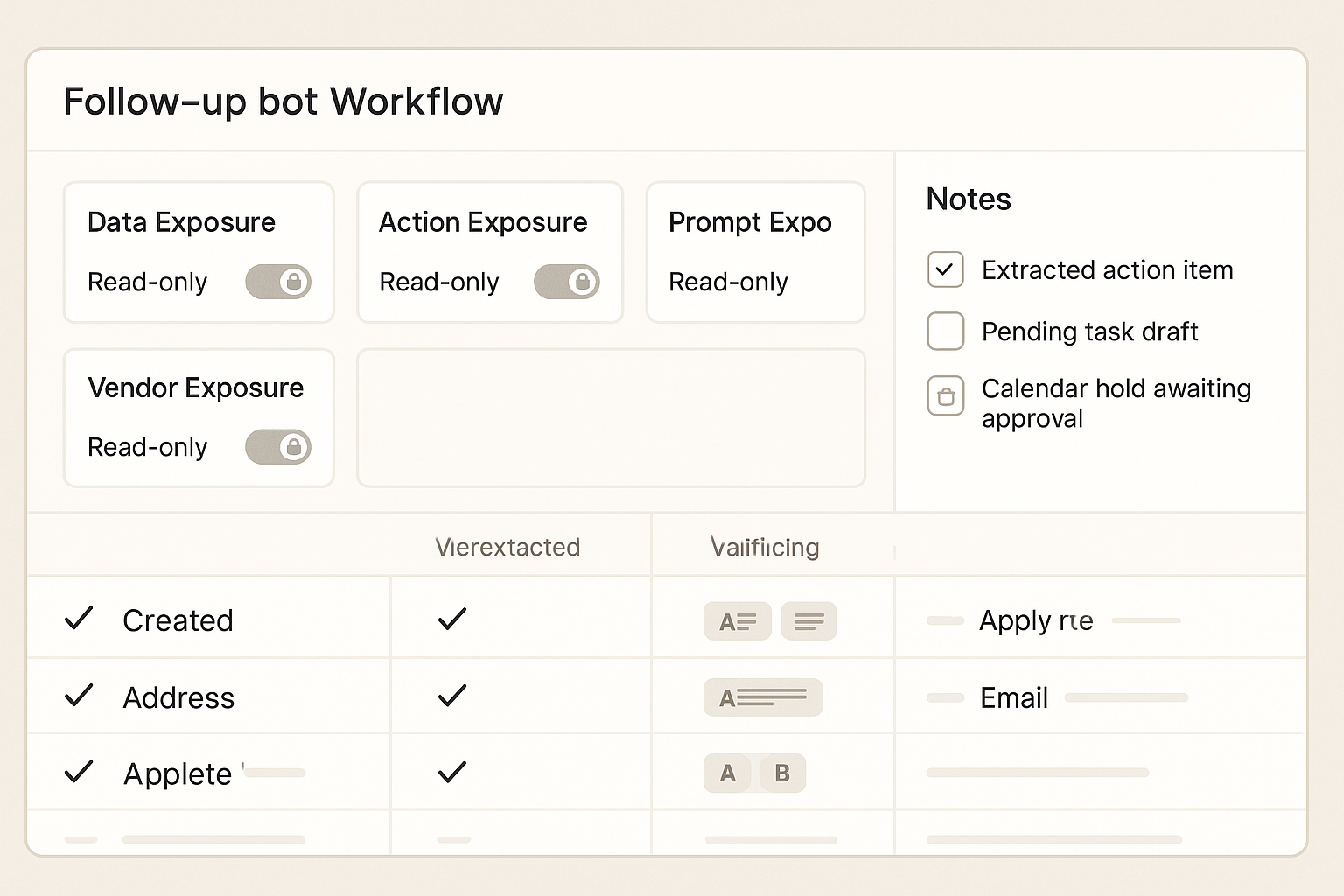
I’m shipping a simple follow-up bot that scans a notes folder, summarizes action items, schedules tasks, and asks me to approve before it touches anything. With MCP-style wrappers, it reads from one source of truth, talks to the calendar with scoped permissions, and writes a trace for every step so I can audit what happened.
Avoid the multi-agent trap
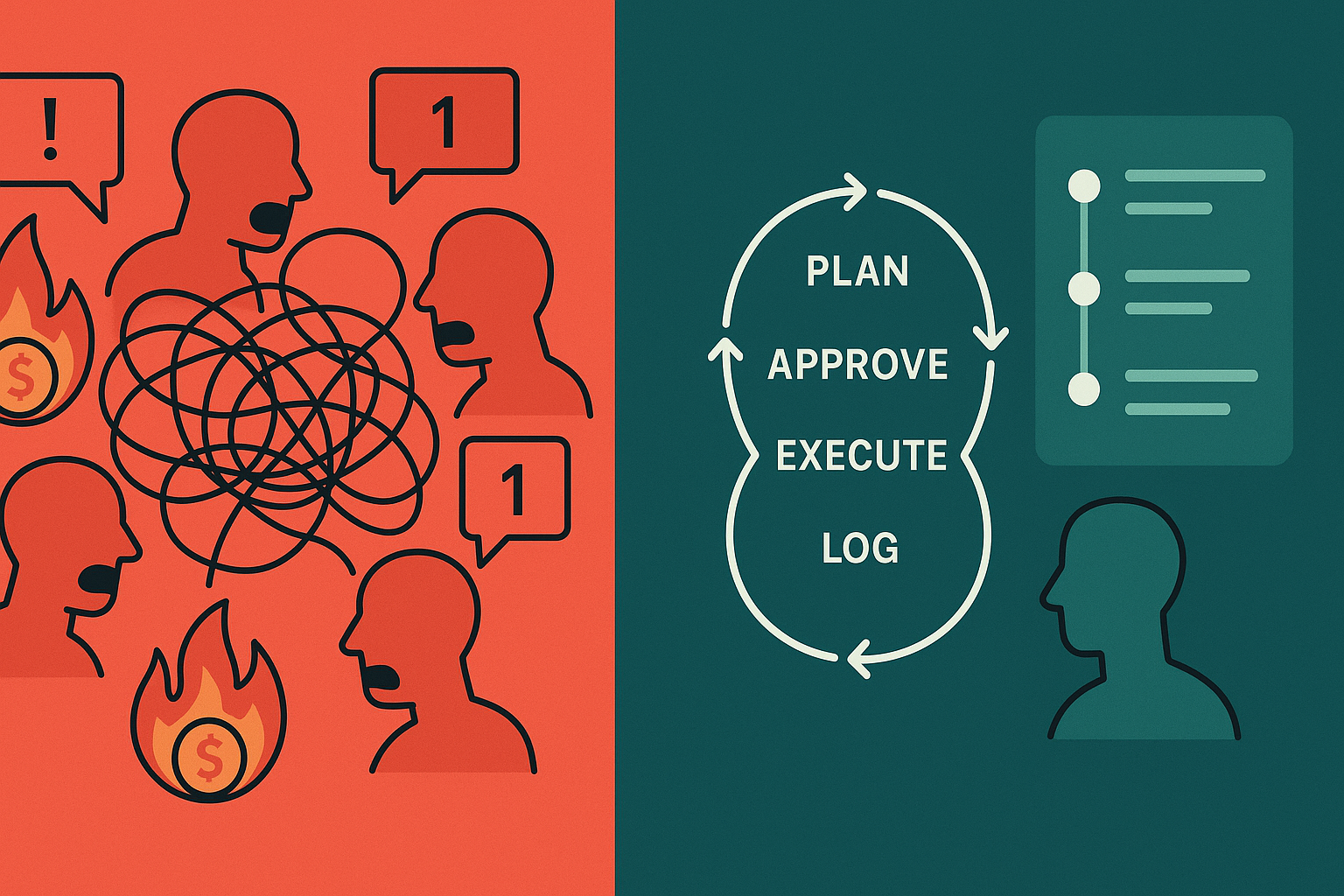
Also on March 14, 2026, Towards Data Science warned about the multi-agent trap. I’ve fallen into it. Four agents debating in Slack looks cool and burns money. These days I start with one capable agent plus tools, a tight loop, and boring interfaces. Understand the task, propose a plan, get my approval, execute one step, log, repeat. Only add a second agent when I have crisp roles and a clear handoff protocol.
I avoid multi-agent bloat by running one capable agent in a tight loop with boring interfaces.
Governance that actually works for solos
RT Insights, also on March 14, 2026, reframed governance for me around exposure management. I mapped where things can go wrong, then built bumpers only around those edges. My running README lists tools, scopes, and allowed actions. One new integration equals one new line and one test.
- Data exposure: exactly which docs, tables, and inboxes the agent can touch. I start with dummy data.
- Action exposure: any tool that can change state like calendars, CRMs, billing. Early on, everything requires approval or a dry run.
- Prompt exposure: inputs that could jailbreak the agent. I sanitize and set non-negotiable system rules.
- Vendor exposure: which providers see my data. I favor vendors with audit logs and granular permissioning.
What I’m building next
Week 1: ship something boring and valuable
I picked my weekly annoyance: post-meeting cleanup. The agent summarizes notes, extracts tasks, assigns due dates, and nudges me a few days later. I connected one docs source, one task manager, and one calendar with minimal permissions. Every action lands in a Notion table and the bot waits for a one-click approval in a private Slack channel before it changes anything.
I fight the urge to add a second agent. If I really need help, I spin up a simple fetcher that only returns data. No decision rights.
Week 2: add MCP-style connectors and exposure checks
I refactor tool calls into MCP-like wrappers with declarative capabilities, strict input schemas, and structured outputs. Read-only by default. After a week of clean dry runs, I promote carefully chosen actions to write access. When I swap models or vendors later, my agent logic stays intact.
How I avoid 90 percent of beginner pain
I make the agent show its work. It proposes a plan and writes intermediate notes to a private log. I’m not peeking inside the model. I’m debugging my system.
I add tiny evals at the edges. If it says it created five tasks, I count what actually landed. If it claims it sent an email, I check for a draft. These micro checks catch macro failures.
I add tiny evals at the edges and verify outcomes like created tasks or email drafts before trusting a run.
I version everything. Prompts, tool contracts, even the approval wording. When something breaks, I know why.
I choose specific, boring capabilities over vague autonomy. Tight scope plus reliable actions beats a general assistant that politely does nothing.
FAQ
What is Agentic AI in practice?
Agentic AI is a model that can plan, take actions through tools, and iterate based on results. In practice, I treat it like a junior teammate that proposes a plan, executes one step with my approval, and logs everything so I can review.
Why start with one agent instead of many?
Each new agent adds coordination overhead and failure modes. Until you have shared memory, crisp roles, and observable traces, multi-agent setups tend to spiral. One capable agent plus solid tooling gets you faster wins.
Do I need MCP to get started?
No. You can mimic MCP benefits by creating clean tool wrappers with schemas and structured outputs. That said, MCP-style patterns reduce glue code and make swapping vendors or models far less painful.
How do I keep my data safe?
Scope access tightly, prefer read-only at first, require approvals for any state change, and log every action. Keep a simple README that lists tools, scopes, and allowed actions so you always know what the agent can touch.
The signal from March 14, 2026
Three threads lined up for me on the same day. The market shift signaled by Goldman showed tailwinds. MCP provided the missing adapter layer. The multi-agent warning saved me from complexity tax. If you’ve been waiting for a sign, this is it. Build the small Agentic AI that saves you an hour a week, wrap it in approvals, log everything, and let MCP-style connectors help it grow without a rewrite.
I build the small agent that saves me an hour a week, wrap it in approvals, and log everything.