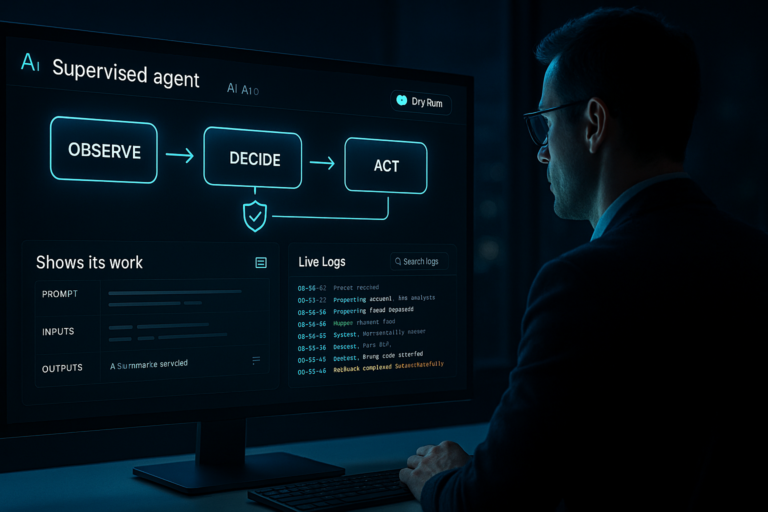


Agentic AI just went from hype to here for me
Agentic AI crossed a line in 48 hours. On March 14, 2026, Jensen Huang called the inflection point. That same day, The Next Web spotlighted why the Model Context Protocol matters, and CoinDesk made a clear case for stablecoins as the rails for agentic finance. A day earlier on March 13, Bitcoin.com News reported that Santander and Visa finalized an agentic AI payments pilot across LatAm. I rewrote my beginner playbook that night.
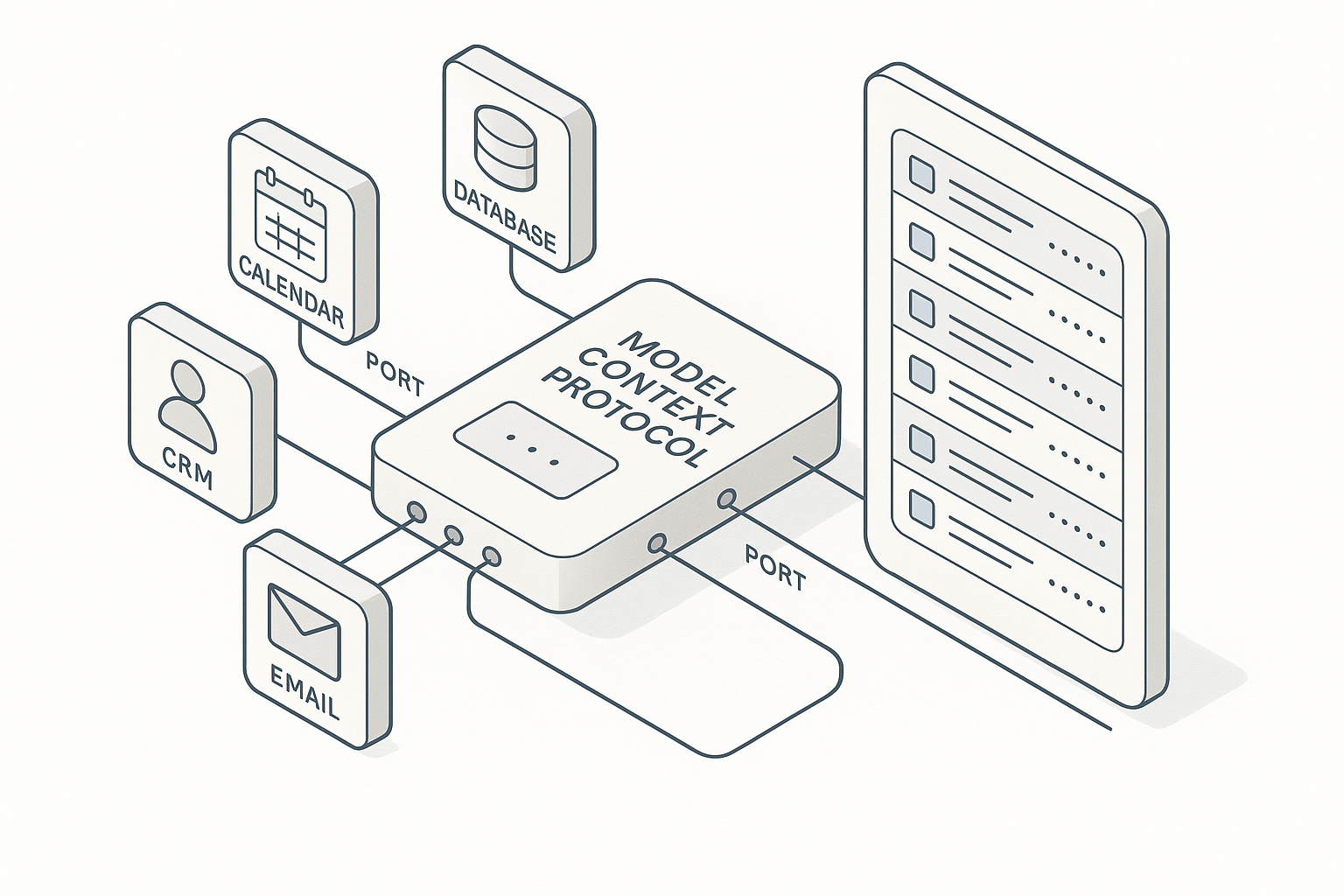
Quick answer: If you’re starting now, use one strong LLM with function calling, expose tools through an MCP-style interface, and log every tool call. Keep a single planner-executor, add a reviewer only for high-stakes actions, and design payments behind a clean invoice/balance/pay contract that swaps from sandbox to stablecoins or card rails later. Ship tiny, observe hard, iterate fast.
I keep a single planner-executor and add a reviewer only for high-stakes actions.
What actually changed for beginners
I keep hearing the same blockers: tool hookup is messy, payments feel risky, and multi-agent orchestration explodes in complexity. This week touched all three with real dates and real names, so I stopped over-engineering and leaned into the patterns that are clearly working.
I stopped over-engineering and leaned into the patterns that are clearly working.
MCP in plain English
Think of the Model Context Protocol like a universal remote for tools. Instead of hardwiring every API into your agent, you describe tools in a consistent shape the model can discover and call. That means less glue code and far more predictable behavior. The March 14 coverage from The Next Web crystallized it for me, which is why I now wrap every tool in an MCP-friendly interface before I write any business logic.
The practical win is simple. Tools become swappable and observability gets sane. I can start with a mocked CRM or calendar and upgrade to the real service without rewriting the agent’s brain. One protocol for tool calls also gives me one place to debug how the agent is thinking and acting.
I now wrap every tool in an MCP-friendly interface before I write any business logic.
Payments and agentic finance are real now
On March 13, Bitcoin.com News reported Santander and Visa finalized a regional pilot for agentic AI payments across LatAm. The next day, CoinDesk argued stablecoins are the quiet unlock because agents need predictable value and fast finality. That tracks with my experience. Cross-border settlement is painful, and agents do their best work when the rails are boring and fast.
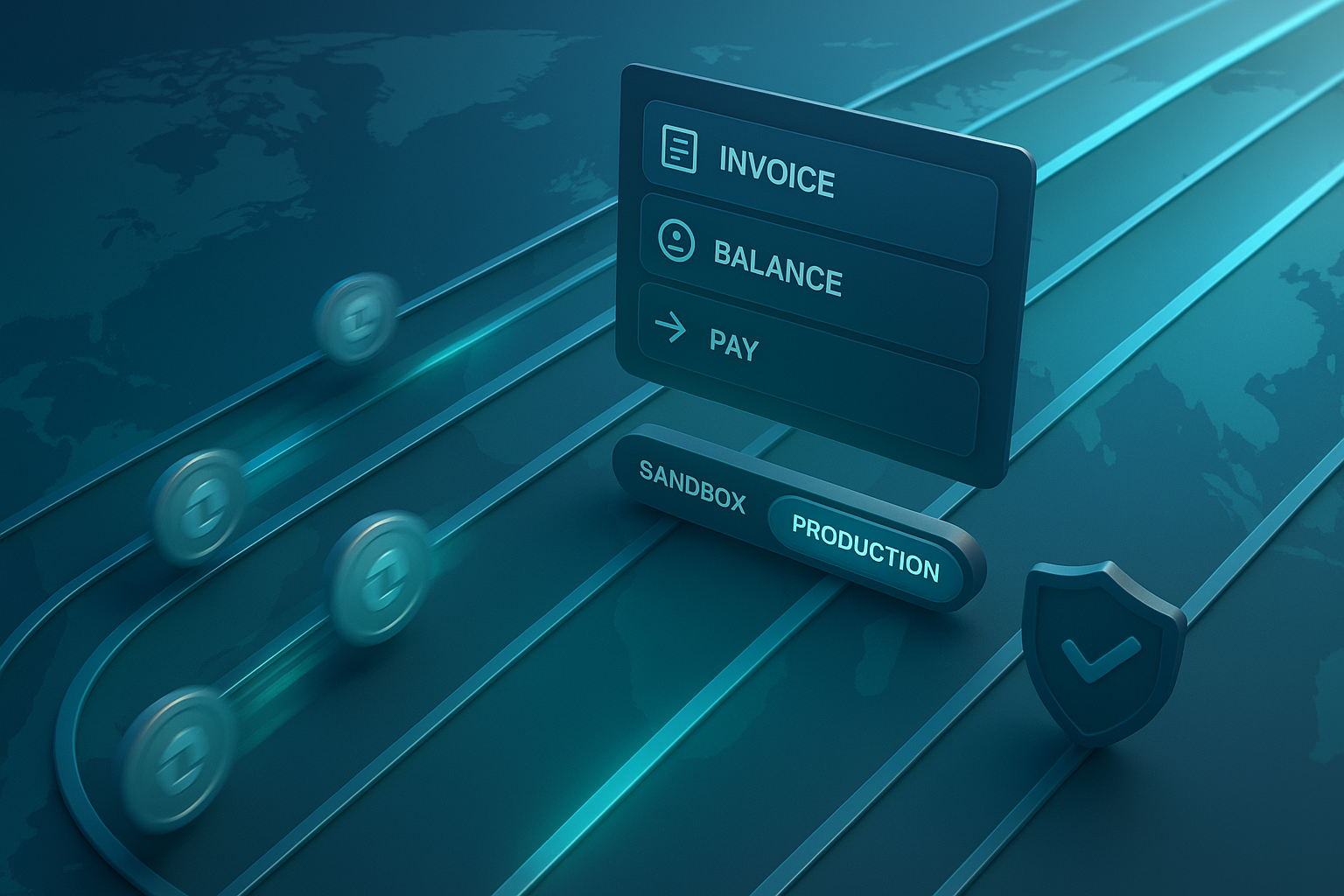
Here’s how I apply it on day one. I do not move money first. I define a tight interface for create invoice, check balance, and execute payment. In dev, those routes hit a sandbox. If the use case proves out, I point the same calls at a stablecoin wallet API or a card partner. The agent doesn’t care. Compliance will, so keeping that contract stable buys me time and safety.
I do not move money first; I hit a sandbox and keep the same contract ready to swap to stablecoins or card rails.
Avoid the multi-agent trap
On March 14, multiple posts warned that more agents do not equal more intelligence. What you actually get is negotiation overhead, invisible failure modes, and logs that read like family group chat. When I ship for real users, I start with a single planner-executor and a tiny set of tools. I add a reviewer only for high-stakes actions and only if it measurably improves outcomes. If a second agent doesn’t move a metric, it doesn’t stay.
My simple starter stack after this week
- One capable LLM with strong function calling. Keep temperature low, think step by step, and make tool calls first-class.
- A tool layer exposed via an MCP-style interface. Start read-only, then add write actions slowly.
- Lightweight memory. A small vector store for summaries plus a key-value store for state is enough.
- Audit-friendly logs. Persist every tool call and result with timestamps so you can answer what, why, and when.
If you touch money or regulated data, add a simple policy engine that can veto actions. I treat it like a very smart, very boring adult in the room.
I add a simple policy engine that can veto actions.
A weekend project to ship your first agent
Saturday morning, I define a painfully small scope. An expense assistant that reads receipt emails, drafts a reimbursement note, and routes a payment request to a sandbox endpoint is perfect. I write down what a perfect run looks like in three steps so the model has a crisp goal.
Saturday afternoon, I wire two tools behind the MCP-style interface. Tool A lists unread emails that match a subject. Tool B posts a payment request to a mock API. I log both calls with status, latency, and a small payload snippet so I can debug in seconds, not hours.
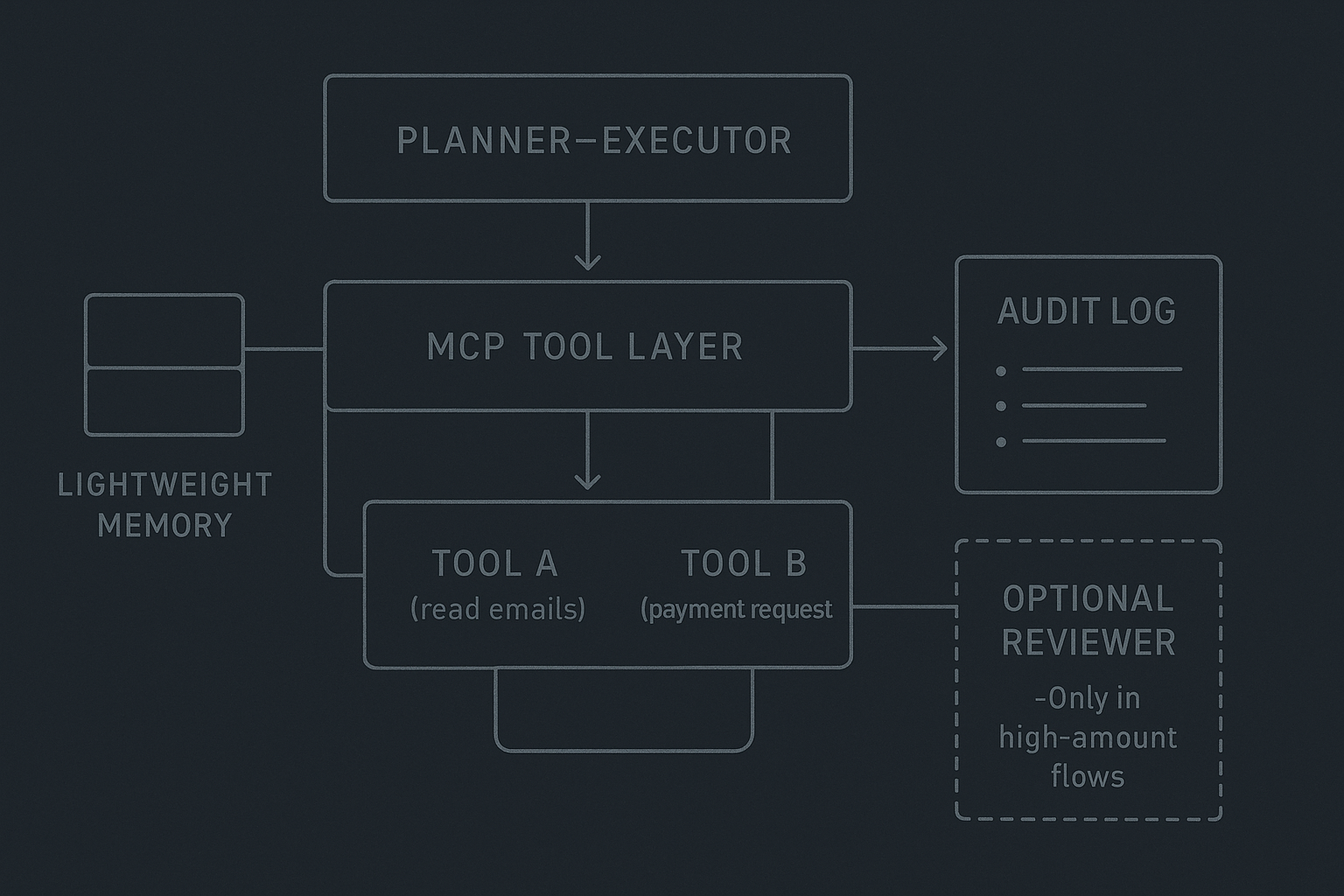
Saturday evening, I teach the workflow in plain language and force explicit tool choices. No hidden magic. If the agent is unsure, it asks me one clarifying question. I run five test cases. If I can’t explain a failure in under two minutes from the logs, I tighten a description or add a guardrail.
Sunday morning, I add a reviewer that only triggers above a threshold amount. It must return a yes or no, cite a policy, and nothing else. If I can’t trace a decision back to a rule, I rewrite the rule or remove the reviewer.
Sunday afternoon, I swap the mock payment tool for a stablecoin testnet if I’m comfortable, or I keep it mocked and focus on resilience. What happens if email search is down or the payment tool returns a 429? My agent should back off politely, not panic.
Sunday evening, I write a one-pager with tool contracts, policies, logging format, and four sample runs. If a teammate can read it and tell me where to add alerts, I’m done.
What this signals for the next 90 days
The headline for me isn’t the quote. It’s the pattern. Protocols like MCP make tools legible to models, payments pilots with names like Visa and Santander show autonomy is touching money flows, and the multi-agent cautions are a gift to builders who prefer shipping over refactoring.
You don’t need a 12-agent orchestra to feel the power. You need one thoughtful agent with clear tools, honest logs, and the humility to ask for help when unsure. Build like every action might land in a compliance review. Design so you can swap tools without rewriting your brain. Keep the payment interface boring and stable so your future rails can be too.
FAQ
What is agentic AI in practice?
Agentic AI is a model-guided system that plans, calls tools, and executes tasks with feedback. In practice, it means giving the model a clear goal, a small set of well-described tools, and guardrails so actions are observable and reversible. Start with one planner-executor and build from there.
Why use MCP for a first build?
MCP-style tool definitions reduce glue code and make tools discoverable and swappable. That gives you faster iteration, easier debugging, and fewer brittle integrations. It also sets you up for better observability because all tool calls share a consistent shape.
How should I handle payments safely?
Abstract payments behind a stable contract like create invoice, check balance, and execute payment. Use sandboxes first. When the workflow proves value, route the same calls to a stablecoin wallet API or a card partner. Keep detailed logs and add a policy engine to block risky actions.
Do I need multiple agents to get results?
No. More agents often add coordination overhead without better outcomes. Start with a single planner-executor and add a reviewer only for high-stakes decisions you can measure. If a second agent doesn’t improve a metric, remove it.
What’s the minimum stack to launch this weekend?
One LLM with function calling, an MCP-style tool layer, lightweight memory, and audit-grade logs. If you touch money or regulated data, include a simple policy engine that can veto actions. That’s enough to learn quickly and avoid expensive rewrites later.
My take, summed up
This was the week I stopped treating agents like clever wrappers and started treating them like small software companies with a PM, ops, finance, and audit. When those parts talk through clean contracts, good things happen. If you’ve been waiting to start, this was your sign. Keep your scope tiny, your tools swappable, and your logs honest. You can always scale later.