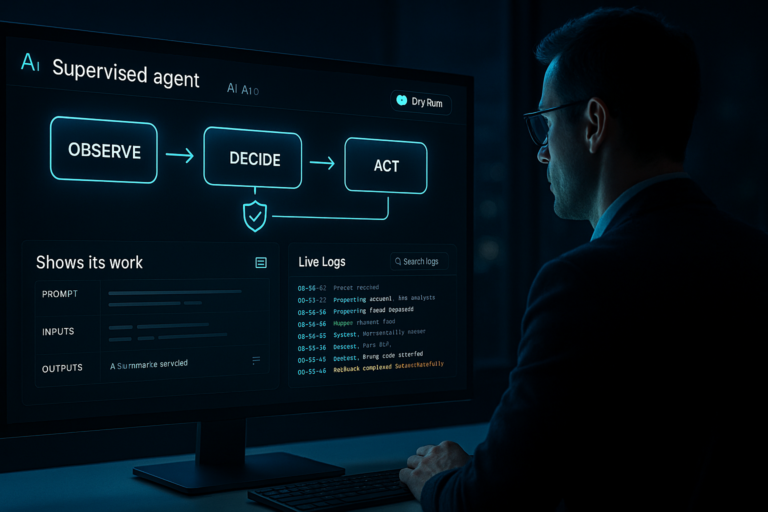


Agentic AI finally clicked for me this week. On March 14, 2026, Jensen Huang said the inflection point had arrived, and the rest of the news lined up in a way I could actually use.
If you’ve been waiting for agents you can trust with real work and real money, this is the first week I feel good telling beginners to ship something small.
I feel good telling beginners to ship something small this week if you’re waiting for agents you can trust with real work and real money.
Quick answer
Build one narrow Agentic AI workflow now. Use MCP to expose a few safe tools, keep context lean, and add dry-run payments with full logging. Plan for stablecoin rails next, not 14 bank APIs. Avoid multi-agent setups until a real security or SLA boundary appears. With a Santander and Visa pilot on March 13, 2026, the water is warm for a tightly scoped launch.
What actually changed this week
The standard that finally makes agents useful
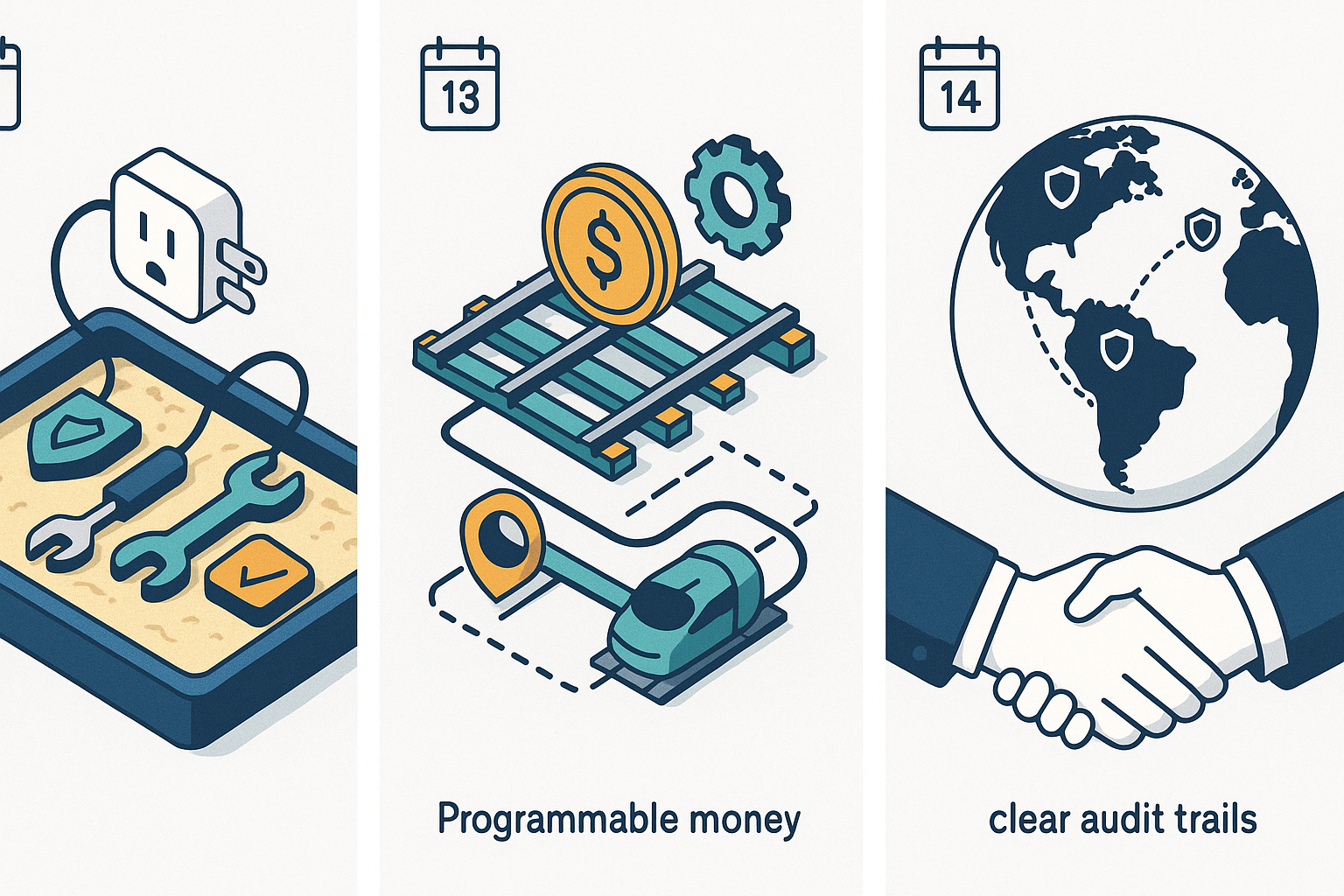
On March 14, 2026, The Next Web called out the rise of the Model Context Protocol. MCP feels like adapters and outlets for agents. Instead of duct-taping integrations, I can give my agent a few typed actions, access to vetted data, and a safe sandbox. It lowers the tooling tax and survives model or vendor swaps without rewrites.
I lean on MCP to give my agent a few typed actions, vetted data, and a safe sandbox instead of duct-taping integrations.
Money that agents can reason about
Also on March 14, 2026, CoinDesk reported that stablecoins are quietly becoming the rails for agentic finance. I’m not here to sell tokens. I just want deterministic settlement, programmable limits, and clean audit trails. A fiat-pegged token with guardrails is easier for an agent to reason about than a pile of inconsistent bank APIs.
A real pilot you can point to
On March 13, 2026, Bitcoin.com News covered Santander and Visa finalizing an agentic AI payments pilot across Latin America. I don’t care which stack they used. What I care about is a global bank and a global network agreeing the tech is ready for a footprint that matters.
How I’d start this week
Pick one workflow and one risk line
Skip the general-purpose dream. Choose one boring process with a crisp success state. I like support triage that drafts replies and opens a ticket when needed. Keep the agent read-only at first, allowlist tools, and make actions explicit via MCP. You’ll move faster with fewer surprises.
I keep the agent read-only at first, allowlist tools, and make actions explicit via MCP to move faster with fewer surprises.
Give your agent training wheels for money
Design like payments will show up later. Separate duties, log every step, and add human checkpoints. If transactions are on your roadmap, start with dry-run calls and spend limits. When you go live, a small stablecoin sandbox with per-transaction caps and a daily ceiling makes approval and rollback simple.
Multi-agent is not magic
I’ve fallen for the multi-agent trap too. More agents often means more bugs, more context juggling, and fuzzy ownership. Start with one agent and a few tools. Only split when you hit a real boundary like security domains or different SLAs. Building a freeway for two cars is not leverage.
What this means for your stack
For tools, learn MCP well enough to expose a couple of safe, typed actions. For data, keep context lean and fetch exactly what the agent needs per turn. For transactions, treat stablecoins like a programmable debit card under tight supervision. For credibility, cite the March 13, 2026 Santander and Visa pilot when someone asks if this is real.
I keep context lean and fetch exactly what the agent needs per turn, and I expose only a couple of safe, typed actions via MCP.
A one-week starter plan I’m using
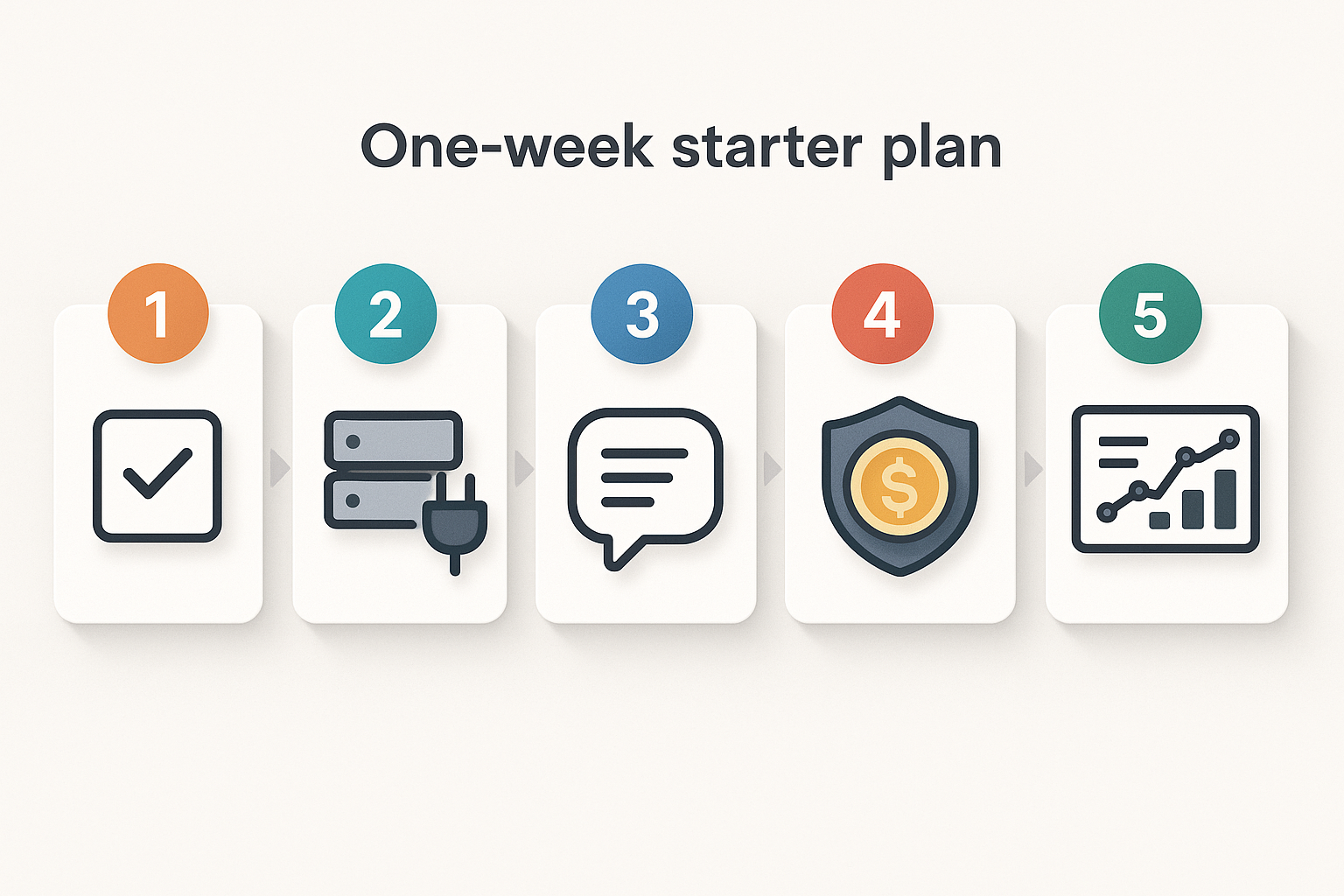
- Days 1 to 2: Define one measurable workflow and write the success test first. Stand up a minimal MCP server with 2 to 3 tool endpoints.
- Day 3: Craft the agent prompt with role, rules, and examples. Add structured outputs so parsing is predictable.
- Day 4: Add a dry-run payments layer with fake calls and full logging. Design the human approval you’d want if funds were real.
- Day 5: Run 20 end-to-end trials. Fix reproducible failure modes. Do not add features until the pass rate is solid.

Red flags I watch for
If the agent fails silently or your logs do not tell a human-readable story, stop and fix observability. You should be able to cap damage with one config change, not a code deploy. When something goes sideways, you need a single lever that narrows scope instantly.
Also watch for context sprawl. If your prompts keep growing because the agent must remember everything, the issue is probably tool design, not memory. Feed the agent the exact inputs it needs, when it needs them, and keep the rest out of its head.
FAQs
What is Agentic AI and why now?
Agentic AI is about autonomous systems that take actions, not just chat. The timing makes sense because standards like MCP matured on March 14, 2026, stablecoin rails look practical for money movement, and a real bank-network pilot landed on March 13, 2026. Those signals add up.
What is MCP in plain English?
MCP is a standard that lets agents plug into tools, data, and safe execution environments without brittle custom glue. You define a small set of typed actions, keep context clean, and swap models or vendors without rewriting your whole stack.
Do I need crypto to build agentic payments?
No. But stablecoins make certain jobs easier because they are programmable, have predictable settlement, and are simple to audit. You can start in dry-run mode and only introduce a small, capped stablecoin sandbox when you are ready.
Is multi-agent better than one capable agent?
Not by default. Multiple agents add coordination overhead and failure modes. Start with one agent that owns the outcome and only split along real boundaries like security or uptime.
How do I keep risk low while I learn?
Use read-only access first, strict allowlists, full logging, and human approvals for anything irreversible. Add spend caps and kill switches at the config level so you can shrink scope without touching code.
I keep risk low with read-only access, strict allowlists, full logging, and human approvals, plus spend caps and config-level kill switches.
Where this is going next
I am not pretending one week changed everything, but it did align the pieces. A CEO calling the inflection, a protocol that finally fits, a credible way to move money, and a pilot you can point to. If you have been waiting to get your hands dirty, pick one tiny workflow and ship it. Keep scope small, tools typed, money fake until it is not, and logs boring. I will share what breaks for me next week. Something always does, and that is half the fun.