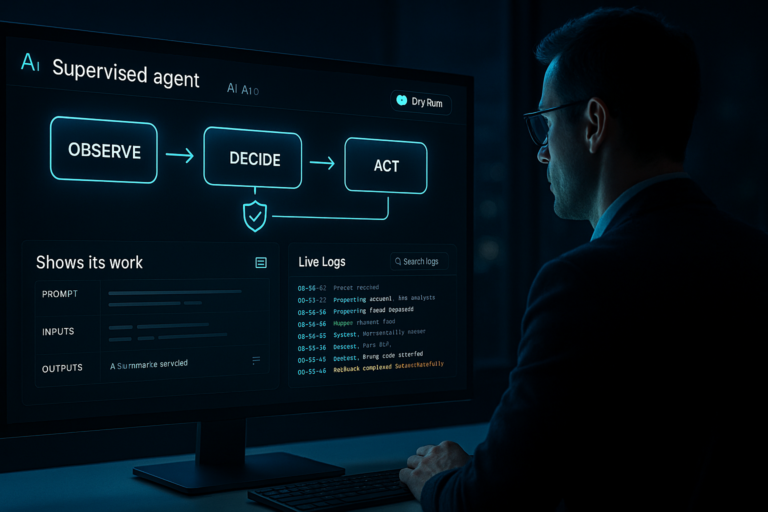


Agentic AI just had a real-world week. I spent the last two days mapping what actually changed for builders like us, and the signal was loud enough that I stopped my weekend to write this.
Quick answer: Between Mar 13-14, 2026 we saw five agentic AI shifts worth copying now: Model Context Protocol getting mainstream coverage, a Visa and Santander payments pilot in LatAm, new SMB agent tools from Mastercard, a push for physically aware agents, and Wall Street hinting at outcome pricing. I’ll show what matters and how I’d start.
Why this week felt like the moment agentic AI got real
On March 14, 2026, The Next Web highlighted Model Context Protocol. A day earlier, on March 13, 2026, Visa and Santander finalized a live payments pilot across Latin America. That same window also brought SMB-focused agent tools from Mastercard. And on March 14, 2026, Forbes pushed for physically oriented agents. If you’re new to agentic AI, these are the kinds of moves that quietly change what we ship in the next 90 days.
MCP’s quiet power move
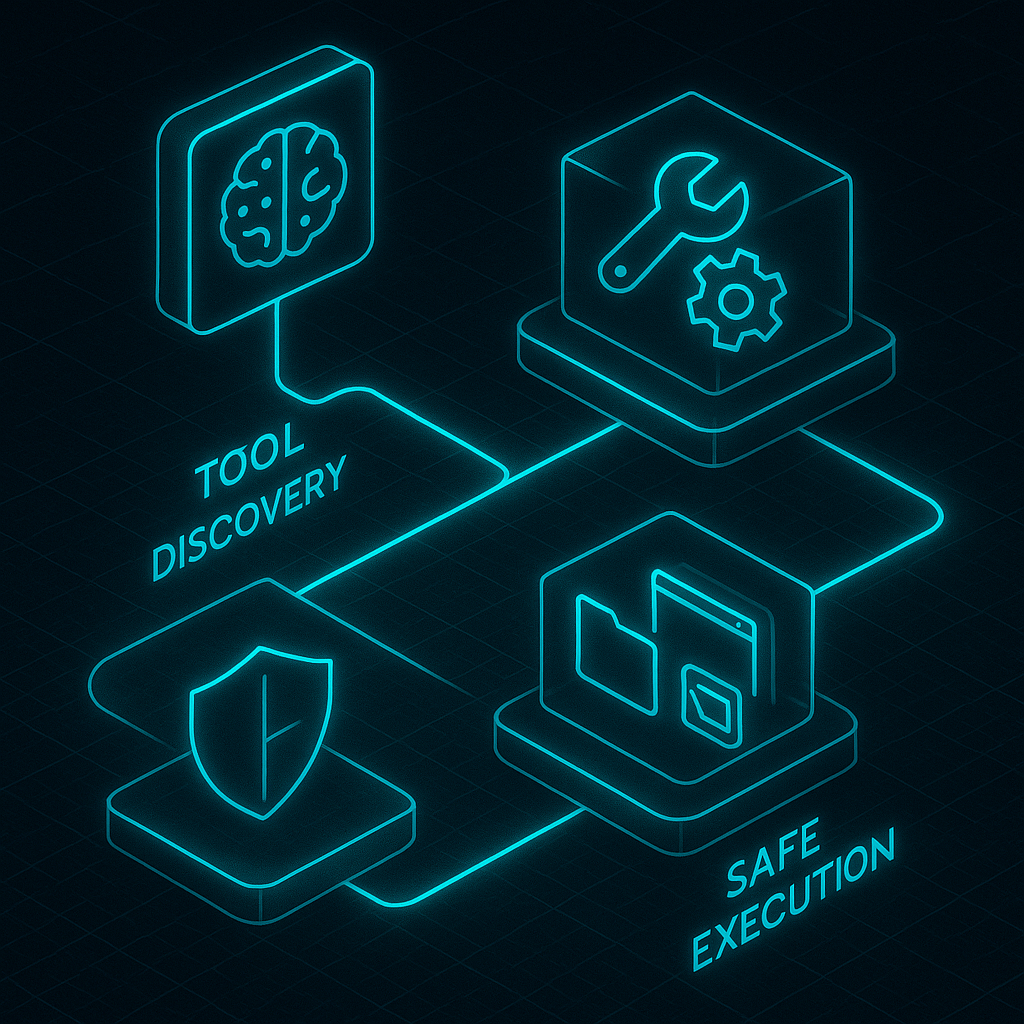
On March 14, 2026, TNW covered how MCP helps models safely discover tools and pull the right context without custom glue code. Standards feel boring until they delete most of your friction.
I jump on standards that delete friction; if MCP setup beats my glue code, I try it now.
Why this matters
Most flaky agents fail because they can’t see the right data or they can’t act once they see it. A protocol that normalizes tool requests, context retrieval, and safe execution is exactly what turns a chat toy into a teammate.
How I’d use this as a beginner
I’d pick one workflow where I babysit an LLM with files, URLs, or app actions. Then I’d look for MCP-aware runtimes so the agent can fetch what it needs. Start tiny: a research helper that pulls relevant PDFs from a folder, or a support agent that hits your ticketing tool without you writing a brittle SDK wrapper. If setup is faster than rolling my own, I’m in. If not, I wait a week and check back because adoption compounds right after coverage like this.
I only adopt MCP when setup beats my DIY; if not, I wait a week and check back.
Real money, real agents
Late on March 13, 2026, Visa and Santander kicked off a live agentic AI payments pilot in LatAm. I reread that twice because payments is where AI hits regulatory concrete.
Why this matters
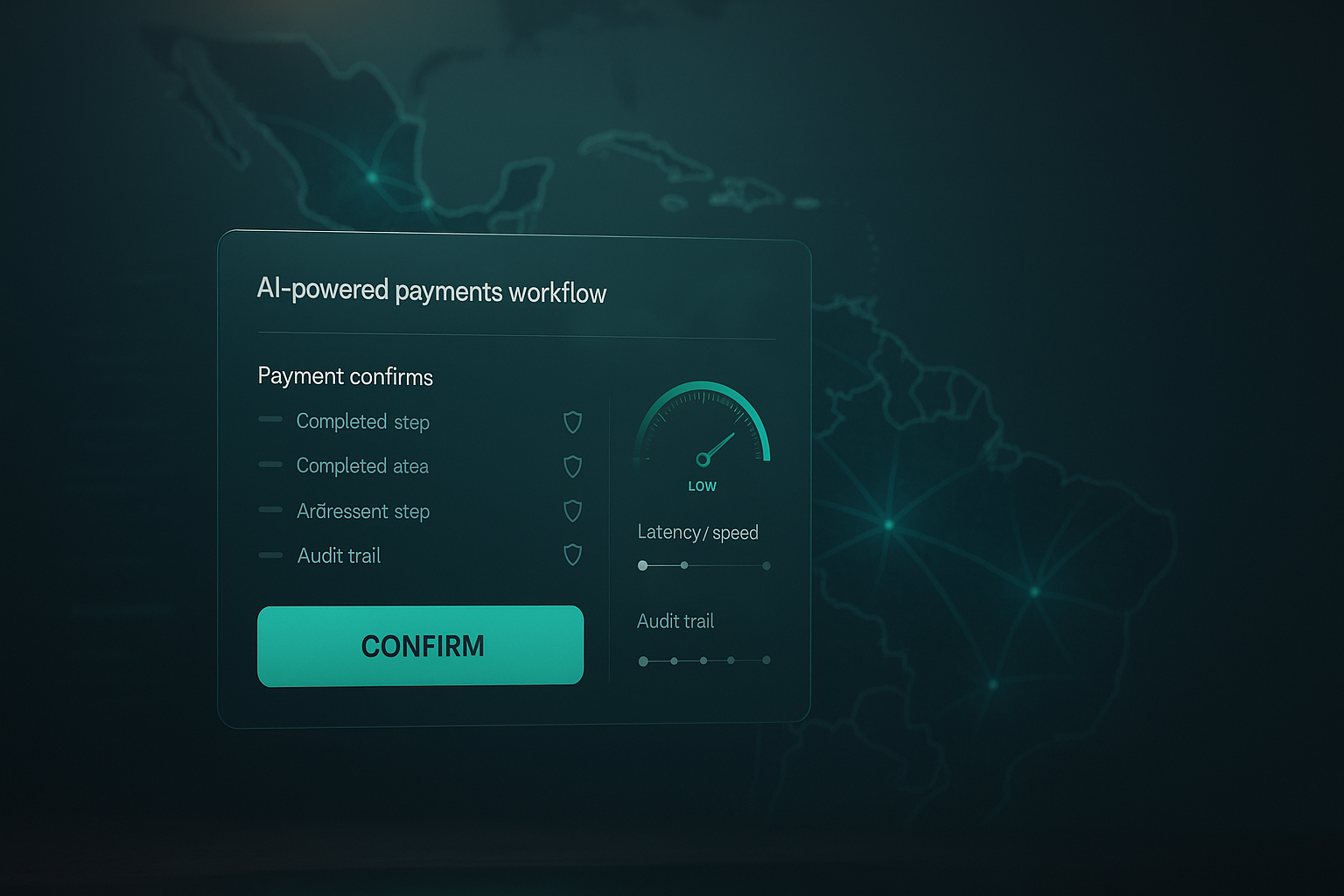
When banks run live pilots, three things usually cleared: the agent can explain decisions, guardrails hold under stress, and latency is good enough. That’s the same bar most of us need to move from weekend scripts to production.
I meet the bank bar: make decisions explainable, stress the guardrails, and keep latency good enough.
What beginners can copy
Wrap your agent around one clear objective, log every action in plain language, and set escalation thresholds. Let it draft payments or reconcile invoices, then require a one-click confirm above your limit. Automate the predictable 90 percent and make the risky 10 percent obviously human.
SMBs just got a lift
Also on March 13, 2026, Mastercard rolled out agentic AI tools for small and midsize businesses. I like this because most SMBs don’t have ops teams to babysit automations. If packaging is right, a solo owner gets hours back every week.
I package one local workflow that actually matters so a solo owner gets hours back every week.
What this changes for new builders
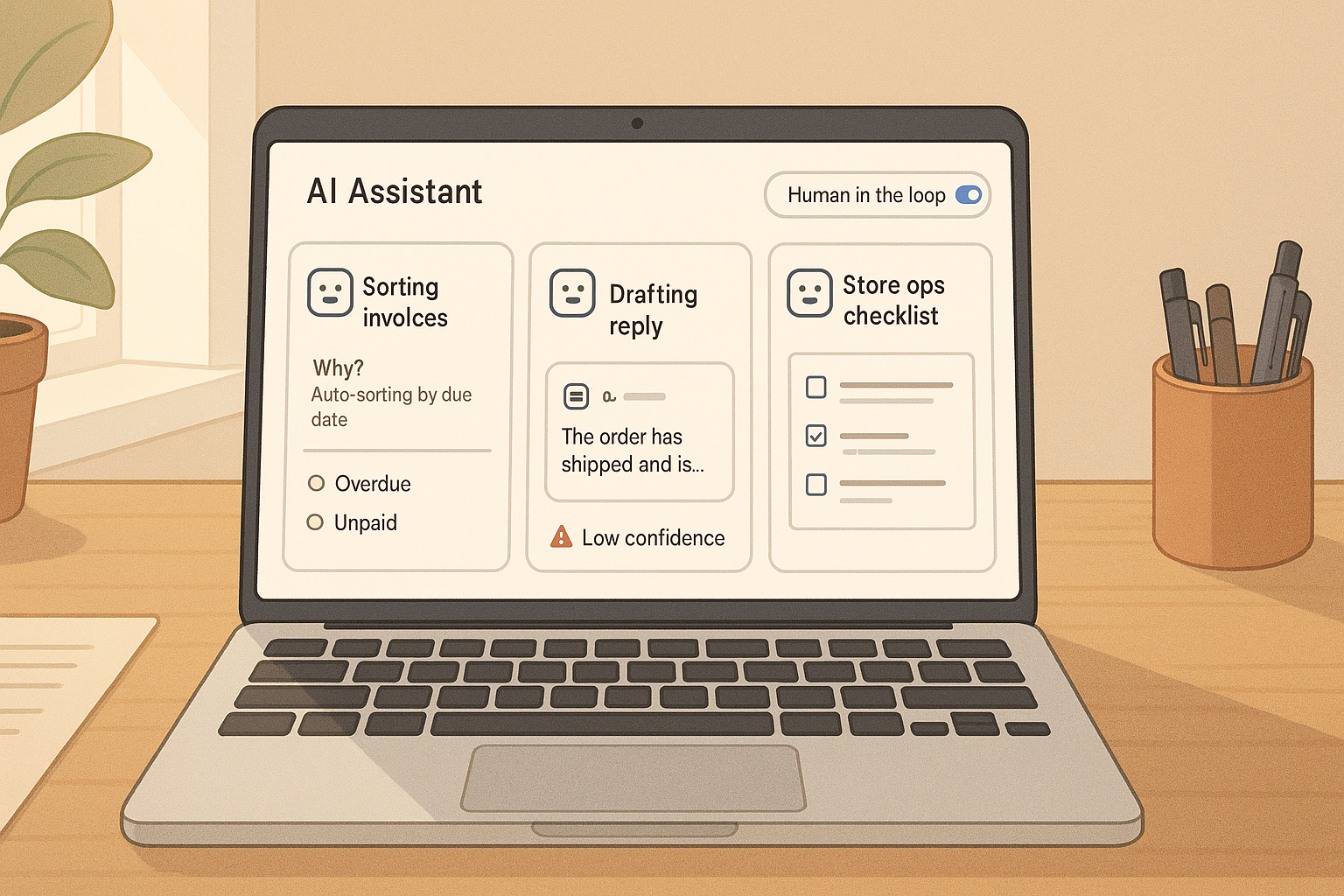
If you freelance or you’re new, the opportunity is the wrapper. Take a capable agent and bind it to one local workflow that actually matters. Think invoice intake that tags and files to the right folders, a light inbox agent that drafts replies with order status, or a store ops buddy that keeps a running checklist. When the platform handles identity, payments, and access, you can focus on output quality and UI.
If you run a small business yourself, look for explainability, low-confidence flags, and human-in-the-loop toggles. You want something that tells you why it did a thing, not just that it did it.
Agents that know the world, not just the web
On March 14, 2026, Forbes made the case for physically oriented agentic tools. That clicked for me. We’ve had agents that read docs and call APIs. The next jump is agents that reason about the physical world.
How I’d experiment without buying a robot
You can do a lot with a webcam, a Raspberry Pi, and a cheap label printer. Give the agent a camera feed, teach it two or three visual checks it can do reliably, then log the decision and trigger a tiny action like printing a restock label or sending a Slack ping. Pick tolerant tasks where an occasional miss isn’t catastrophic. If it works in a corner of your life, scale it. If not, you learned for under 100 dollars and a Saturday.
I pick tolerant tasks and keep actions reversible; a webcam, a Pi, and a label printer are enough to learn for under 100 dollars.
Wall Street isn’t subtle about this
Also on March 14, 2026, Goldman flagged a radical shift for software giants as agentic AI rises. I read that as permission to rethink seat-based SaaS. If agents initiate, decide, and deliver outcomes, pricing should follow outcomes, per-run orchestration, or value-linked contracts.
What that means for you and me
As a beginner or indie, stop pitching another dashboard and start pitching a result. Define the objective, the data boundary, and the fail states. That framing makes your demo easier to say yes to, which is the entire point.
My 7-day playbook
Here’s how I’m turning the March 13-14 news into action without blowing up my week:
- Swap one manual handoff for an MCP-aware adapter so the agent pulls its own context.
- Add explainability to every action beyond text. Log the why in plain language.
- Set a human-review threshold for dollar, risk, or impact. Above it routes to me.
- Give the agent one physical signal, like a webcam or barcode scan, tied to a tiny action.
If you do just one thing, do explainability. It’s the difference between a cool demo and something you trust while you’re at lunch.
I ship explainability first; it’s the difference between a cool demo and something I trust while I’m at lunch.
FAQ
What is agentic AI, in simple terms?
Agentic AI is software that doesn’t just chat. It observes context, plans steps, calls tools or APIs, and executes actions to reach a goal. Think less chatbot, more helpful teammate that explains what it did and why.
How do I start with Model Context Protocol?
Begin with a single workflow where you constantly paste files or URLs. Look for MCP-enabled runtimes or bridges, wire up one storage location and one tool, then test retrieval and action with verbose logs. If setup time beats your DIY wrapper, keep going.
Is it safe to let agents touch payments?
Use the bank pattern: clear objectives, auditable actions, strong guardrails, and mandatory human approval above thresholds. The Visa and Santander pilot on March 13, 2026 signals that with the right controls, it’s workable. Start with drafting and reconciliation before you enable actual funds movement.
Do I need robotics for physically oriented agents?
No. A webcam, a Pi, and a label printer can cover 80 percent of useful experiments. Choose tolerant tasks, keep actions reversible, and log everything. If it consistently helps in one corner, then consider sensors or hardware upgrades.
What pricing model fits agentic AI products?
Outcome-based pricing and per-run orchestration make more sense than seats when the agent does the work. Tie price to a measurable result, with clear guardrails and rollbacks, so customers feel the value right away.
Final take
The best part of weeks like this isn’t the headlines. It’s the clarity on what not to build. Skip generic assistants and brittle SDK stitching. Bind a capable agent to one boring, valuable outcome in your world and make it finish the job safely. That’s how beginners become builders.