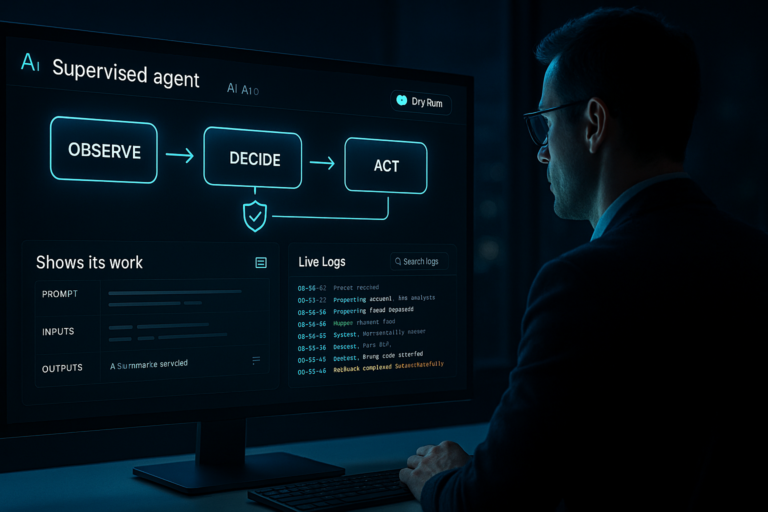


Agentic AI just hit a real inflection point for me on March 16, 2026. I went in curious and came out convinced I need to ship small agents every week.
I came out convinced I need to ship small agents every week.
Quick answer
Agentic AI moved from hype to practical on March 16, 2026 because NVIDIA announced an open agent platform, LangChain launched an enterprise agent stack with NVIDIA, Dell expanded its AI Factory for compliant rollouts, AMD pushed agent-first computers, and NVIDIA reportedly sees a trillion-dollar upside. If you start now, you can build safe, observable automations fast.
NVIDIA just opened the front door for serious agents
On March 16, 2026, NVIDIA announced an open agent development platform aimed at knowledge work. The promise that stuck for me is simple: a standard way to build, wire, and run multi-tool agents without duct tape.
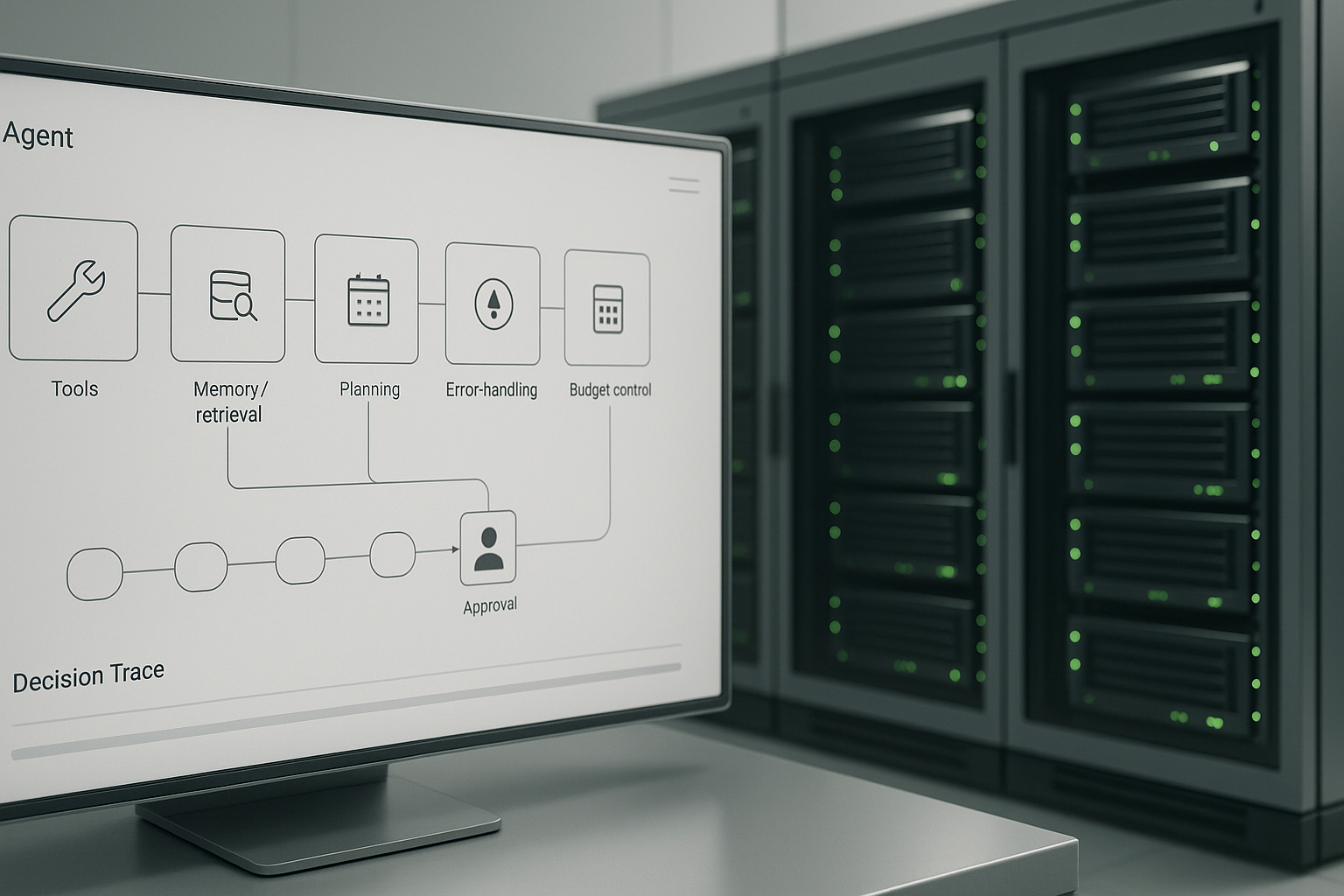
The hard part of Agentic AI is not the model, it is everything around it. I care about consistent tooling, memory and retrieval, planning, error handling, observability, and cost control. A platform from NVIDIA usually means sane defaults, decision logs, and a path to scale if your prototype lands.
For me, the hard part of Agentic AI is not the model, it is everything around it.
What I am watching now: bring-your-own tools, readable decision traces, budget controls, and built-in human-in-the-loop approvals for sensitive actions. If those show up cleanly, I can build scrappy but safe automations in days, not months.
LangChain quietly became the enterprise on-ramp
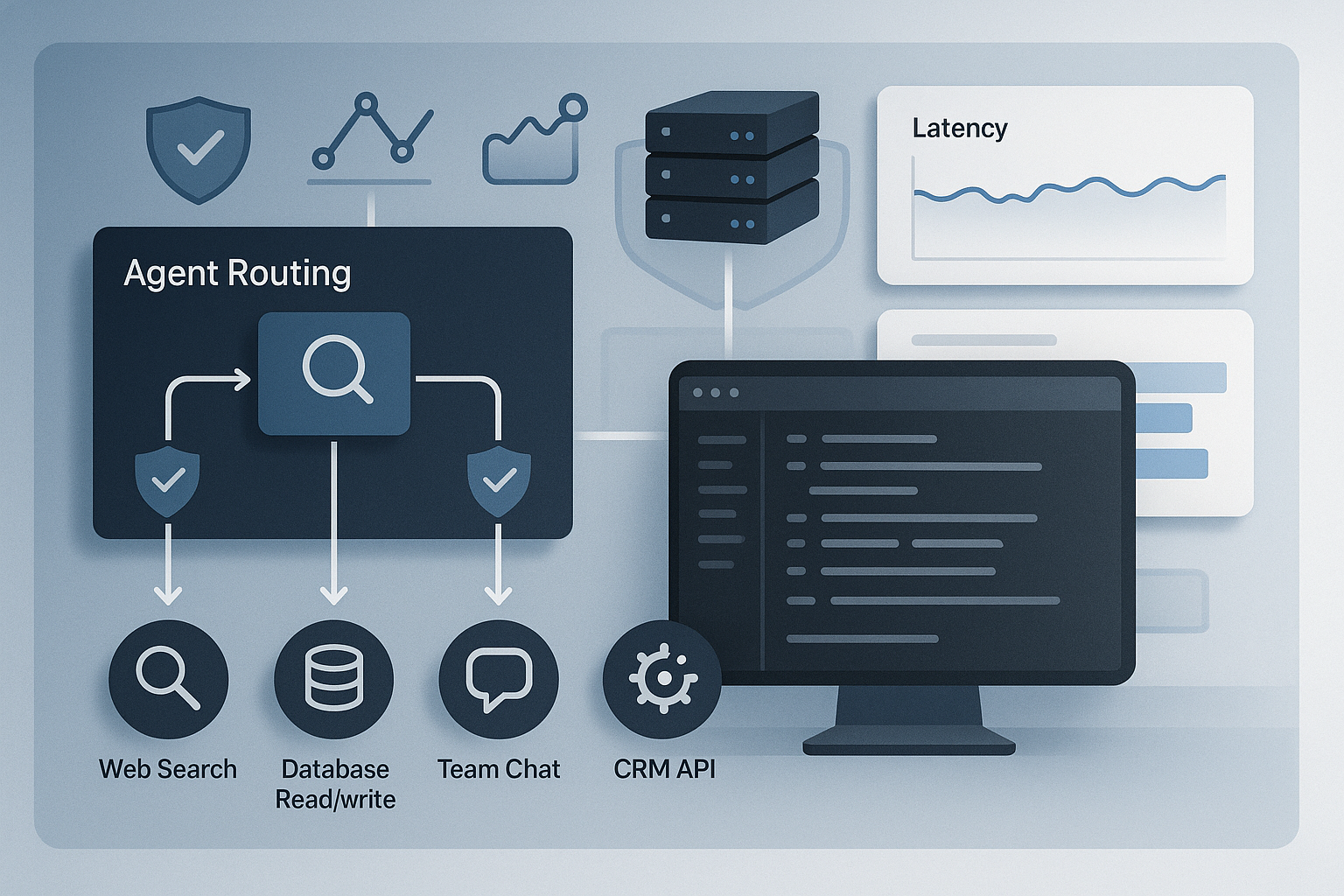
Also on March 16, 2026, LangChain announced an enterprise Agentic AI platform built with NVIDIA. For me, this is the meet-in-the-middle moment. NVIDIA brings the primitives and muscle, LangChain brings routing, tools, and the developer ergonomics I already know.
If you have been waiting for a version of LangChain that is ready for IT, this feels like it. Governance, observability, and performance that does not melt when the workload spikes. Less arguing about stacks, faster time to the first agent that actually helps a team.
For me, this is the meet-in-the-middle moment.
Dell’s AI Factory update makes rollout real
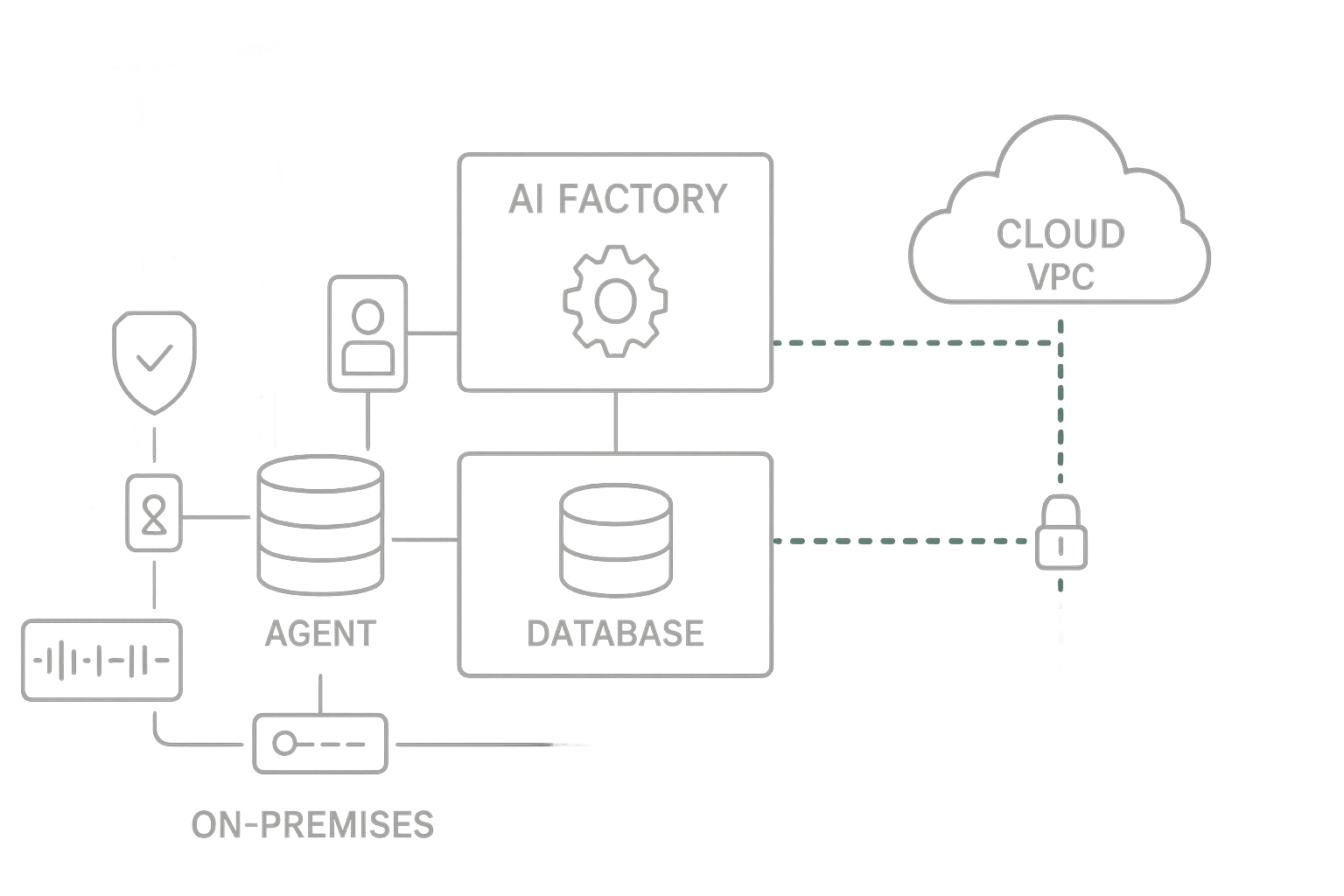
On March 16, 2026, Dell expanded its AI Factory with agentic AI features. Not flashy, but hugely important. This is the bridge from it-worked-on-my-laptop to it-works-with-our-private-data in our VPC with audit logs.
I see fewer science projects and more normal IT purchases from here. You should not need a PhD in MLOps to deploy an agent next to your data and apps. Dell leaning into data pipelines, infra, and governance makes the rollout conversation real.
I see fewer science projects and more normal IT purchases from here. You should not need a PhD in MLOps to deploy an agent next to your data and apps. Dell leaning into data pipelines, infra, and governance makes the rollout conversation real.
AMD says the PC era is ending, and I kind of believe them
Also reported on March 16, 2026, AMD said agent computers will replace traditional PCs. It sounds big until you look at a normal workday. Most of my time is clicking the same fields and updating the same systems. An agent-first device flips that. I set outcomes, it negotiates steps across my tools.
In practice, my laptop turns into a co-pilot console. Local models handle context and privacy-sensitive work, apps expose agent-friendly APIs, and my day becomes prompts, approvals, and reviews rather than raw execution.
My day becomes prompts, approvals, and reviews rather than raw execution.
The money line: a trillion-dollar bet
On March 16, 2026, Gizmodo reported that NVIDIA expects Agentic AI to drive 1 trillion dollars in revenue. I do not take round numbers as gospel, but I do feel the shift. The last wave sold predictions. This wave sells results. Where there is a workflow, a tool, and recurring intent, an agent can sit on top and do the busywork.
What this means if you are just starting
Over the past year I built tiny agents for myself. Lead capture, summaries, support drafts, invoice reconciliation. The friction was always the same: wiring tools, keeping state, handling failures, and deploying without risking PII or keys. The March 16 drops give cleaner paths through all four.
Build on NVIDIA plus LangChain and you write less glue while treating agents like real software, not brittle scripts. Run inside Dell’s AI Factory and you get privacy and compliance from day one. If AMD is right, on-device runtimes will make solo builders even faster.
How I would start this week
Pick one low-stakes, repetitive workflow. Think weekly report assembly, inbox triage with labels, CRM hygiene, or content repurposing. Then do this:
I start with one low-stakes, repetitive workflow.
- Define the outcome, not the clicks. For example, fill missing CRM phone numbers from trusted sources with citations.
- Choose a friendly stack. I like LangChain with a simple plan, act, check loop, plus a few tight tools like search, DB read or write, and Slack.
- Force feedback into the loop. Add human approval for anything destructive, and require a short why before it runs.
Beginner mistakes I keep seeing
Too many tools too early. Agents get fuzzy when they can do everything. I start with two or three tools and add slowly once it stays stable for a week.
No state. You cannot reason about multi-step work if you never track where you are. Even a tiny task object with status and a short memory log helps a lot.
Skipping observability. Turn on logging and traces from day one. When something goes sideways, you want a timeline, not guesswork.
Unpriced enthusiasm. Agents can be chatty and expensive. I set budgets and token limits per task, then measure weekly before I optimize.
Where this is going next
I expect more off-the-shelf agent templates that are not toys, a wave of enterprise pilots that cross the finish line because the infra story is coherent, and a new skill curve. Prompt writing gives way to outcomes engineering, and the question shifts from what tools can I chain to what guarantees can I give.
FAQ
What is Agentic AI in plain English?
Agentic AI is software that plans, calls tools, and executes steps to deliver a result with minimal hand holding. It is not just text prediction. It is outcome execution across your apps and data.
Can I use Agentic AI with private data?
Yes, but deploy it where your data lives and keep auditability. That is why I like Dell’s AI Factory direction, plus human approvals and detailed traces for sensitive actions.
Do I need GPUs to start?
No. Start with managed APIs and a small tool set. If usage or latency demands it, you can move to GPU-backed runtimes later. The new NVIDIA and LangChain path makes that migration smoother.
How do I pick my first workflow?
Choose something repetitive and forgiving with clear success criteria. If it saves you 30 to 60 minutes a week and has low blast radius, you will learn fast without risking trust.
How do I keep costs under control?
Put per-task budgets and token caps in place, log everything, and review weekly. Trim verbose reasoning, cache retrieval steps, and use smaller models for non-critical hops.
My take
I have been cautious about Agentic AI for a while. Too many shiny demos, not enough reliability. March 16, 2026 changed that for me. NVIDIA opened a platform, LangChain gave it developer legs, Dell made it deployable, AMD pointed to agent-first devices, and that trillion-dollar bet set a clear direction. If you have been on the fence, pick one workflow, keep it safe and visible, and iterate. Your future self will thank you.