

Agentic AI just had a day
Agentic AI lit up my feed on March 16, 2026, and it felt like the moment the training wheels came off. I saw enterprise-ready agents from Microsoft, a real security layer from Okta, a crisp edge demo from SoundHound on NVIDIA, and retailers signaling budget for agentic commerce. This is bigger than chatbots.
Quick answer: if you’re starting today, ship one agent-owned workflow end to end, add simple guardrails, design a basic offline plan, and test a post-purchase care agent for e-commerce. Microsoft validated enterprise agents, Okta made identity sane, and NVIDIA-backed edge demos showed low-latency is here. Pick one process, keep scope tight, and get it live this week.
I pick one process, keep the scope tight, and get it live this week.
Microsoft just normalized enterprise agents
On March 16, 2026, Microsoft introduced new AI agents aimed at modernizing enterprise operations. Translation: companies don’t just want helpful answers. They want agents that read tickets, gather context, draft a fix, file the change, and close the loop. That’s a workflow, not a chat.
My take: learn to turn messy processes into step-by-step plans agents can execute with permissions and receipts. If you can map steps, connect tools, and prove reliability, you’re useful on day one.
I map steps, connect tools, and prove reliability so I’m useful on day one.
Security finally showed up: Okta’s agent identity layer
Also on March 16, 2026, Okta launched a platform to secure AI agents. Agents need identities, scoped permissions, policies, and logs just like your teammates. This is what gets prototypes through security review instead of dying in the demo phase.
I stick to the basics: authenticate the agent, grant least-privilege access, and log every action.
You don’t need to be an IAM wizard. Just speak the basics: authenticate the agent, grant least-privilege access, and log every action. That alone changes stakeholder conversations from neat to deployable.
Edge agents got real at GTC
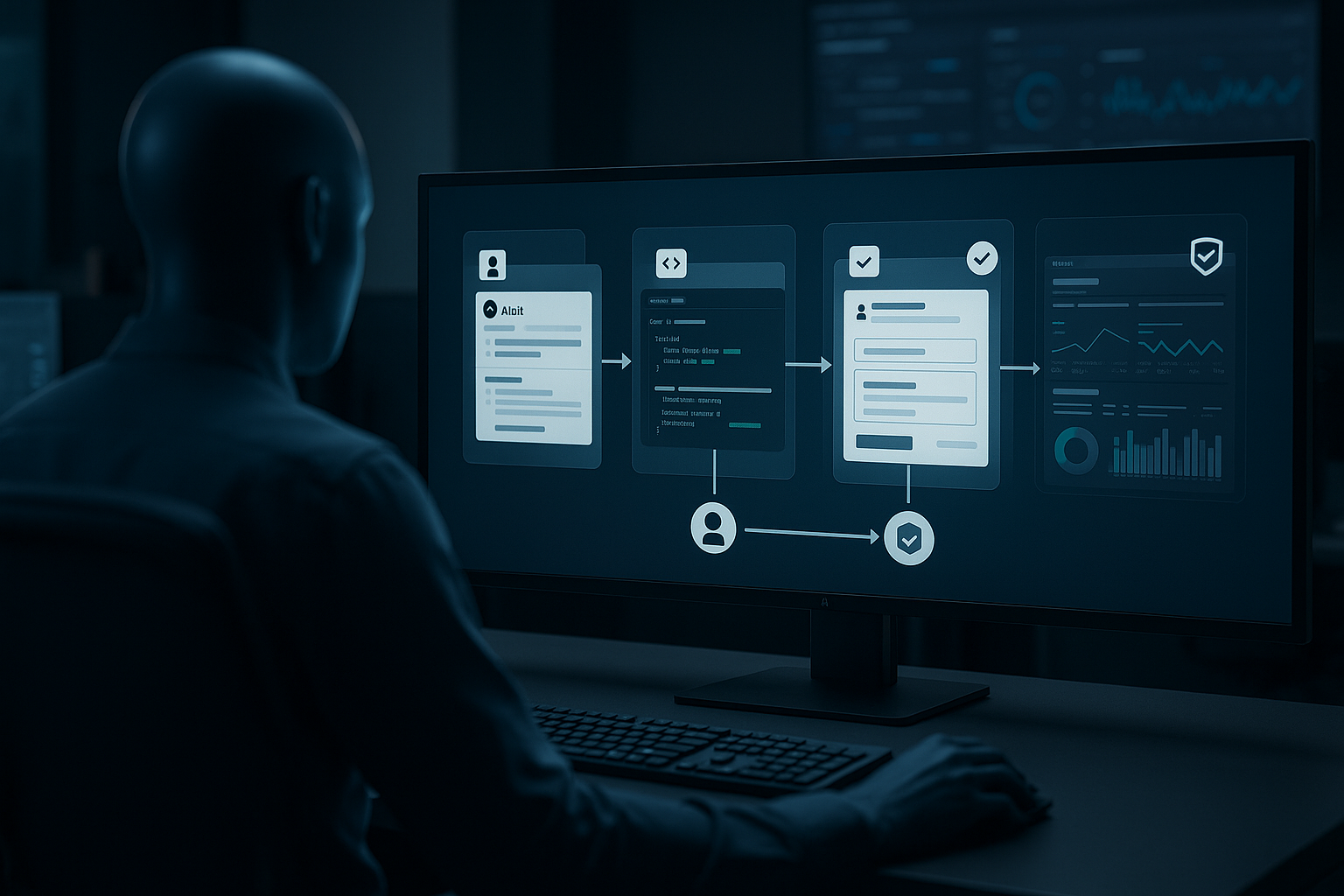
At NVIDIA’s GTC 2026 on March 16, SoundHound demoed a multimodal, edge-based agentic AI platform on NVIDIA hardware. Local processing plus voice and vision means instant responses and fewer brittle cloud hops. Think cars, kiosks, and any experience where latency or patchy connectivity ruins the moment.
I cache what I can, decide locally when I can, and only call the cloud when I truly need remote reasoning or a specialized model.
What I’m practicing: agents that degrade gracefully. Cache what you can, decide locally when possible, and only call out when you truly need remote reasoning or a specialized model.

Retailers are betting on agentic commerce
Same day, March 16, 2026, a study landed showing e-commerce leaders planning real investments in agentic commerce. I read that as end-to-end shopping journeys run by agents, not just chat bubbles. Compare bundles, track orders, negotiate returns, and nudge on price drops. It’s about goals, not clicks.
I start in retail where customers already talk to me with post-purchase care because returns, exchanges, and WISMO are low risk and high love.
If you build in retail, start where customers already talk to you: post-purchase care. Returns, exchanges, and WISMO are low-risk and high-love. Small wins add up fast.

What this means if you’re starting now
Four signals in one day isn’t noise. It’s a checklist. Enterprise agents are moving to production, security is formalizing, edge is viable, and commerce teams are budgeting. The value isn’t the model. It’s the workflow your agent can own and close with receipts.
Own doesn’t mean full autonomy. It means plan the path, call the right tools, request approval on risky steps, and report back. If that sounds like a fancy macro, perfect. Most teams need reliable before genius.
If I were you this week
- Pick one boring process and make it agent-owned end to end with clear steps, inputs, and outcomes.
- Add basic security: separate credentials, sandbox scopes, and action logs even in your demo.
- Design a simple offline mode: cache context and decide locally when you can.
- Prototype a post-purchase care agent for e-commerce: returns, exchanges, WISMO.
My dead-simple starter stack
I keep orchestration boring: a function-calling agent with tools wrapped behind clean APIs. Short, grounded prompts and a thin state machine for multi-step flows beat clever prompts that drift. For security, a lightweight token system with per-tool scopes is miles better than hardcoded keys. For edge-ish behavior, I cache retrieval results and precompute the parts of a plan that rarely change.
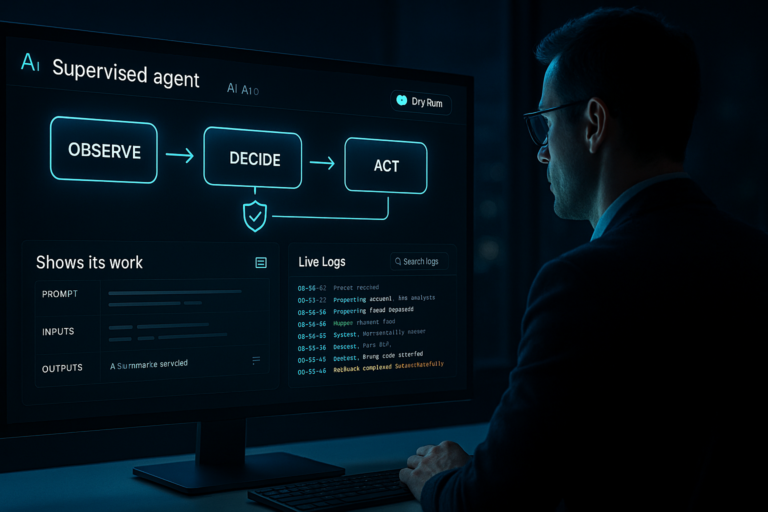
If you’re deploying inside a company, expect questions about auditability and approvals. Put a confirm step in front of anything that writes data, deletes data, or spends money. Bonus points if your agent explains its plan before it acts. That transparency is how you graduate from demo to production.
How I explain this to a non-technical founder
Agents aren’t a new app to install. They’re a way to upgrade the workflows you already have. Start with one repetitive task that annoys your team, give the agent a clear playbook, and keep a short leash. As it proves itself, you lengthen the leash. Simple, safe, measurable.
After March 16, 2026, the ecosystem finally aligned around what you need: Microsoft normalizing enterprise agents, Okta making identity sane, NVIDIA and SoundHound showing low-latency is real, and retailers demanding agents that move metrics. That reduces risk for you.
A 30-day sprint I actually use
Week 1: ship a tiny agent that closes a loop, like drafting a support reply, logging it, and asking for one-click approval to send. Week 2: add scopes, logging, and confirmations for any destructive action. Week 3: cache context and pre-plan steps so it works through flaky connections. Week 4: tie it to one metric that matters and show before-after.
FAQ
What is agentic AI in simple terms?
It’s AI that doesn’t just chat. It plans, calls tools, and executes a workflow with approvals and receipts. Think less assistant, more reliable teammate that can close a task end to end.
Why did March 16, 2026 matter so much?
Three big things landed on the same day: Microsoft validated enterprise agents, Okta shipped a security layer for agent identities, and SoundHound showed a crisp, multimodal edge demo on NVIDIA. That stack makes real deployments easier.
Do I need advanced security skills to start?
No. Start with basics: authenticate your agent, grant least-privilege scopes, and log every action. Talk in those terms and security reviews go smoother, even for small pilots.
What’s a good first agent for e-commerce?
A post-purchase care agent. Handle WISMO, returns, and size exchanges. It’s measurable, low risk, and customers feel the impact immediately.
How do I handle offline or flaky connections?
Design for graceful degradation. Cache what you can, make local decisions for routine steps, and only call the cloud when you need heavy reasoning or specialized models.
The bottom line
Agentic AI just leveled up across enterprise, security, edge, and retail. You don’t need a new skill tree to benefit. You need taste, a small scope, and sensible guardrails. Ship one agent-owned workflow this week and let the ecosystem upgrades meet you halfway.