

Agentic AI is finally practical. Here’s the plan I’m using after March 18.
Agentic AI clicked for me on March 18. I spent the day reading everything I could and it felt like the moment AI stopped being a chat box and started acting like a coworker that gets real work done.
Quick answer
If you’re starting with agentic AI this week, pick one weekly outcome, give your agent tiny scoped tools, turn on approvals and logs, and split work between on-device speed and cloud depth. The fastest wins: inbox triage, meeting notes, money chores, and watchlist digests. Start with assistive autonomy, then graduate low-risk tasks to auto mode.
What is agentic AI, really?
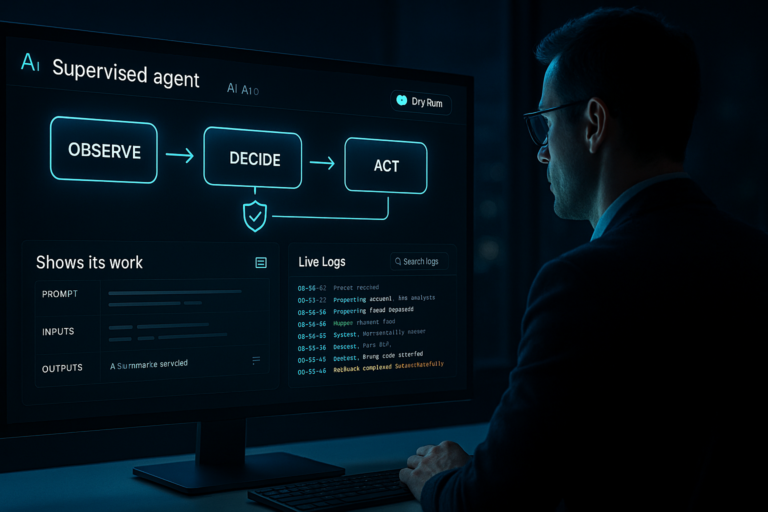
Agentic AI is AI that takes action, not just answers. You set a goal, it breaks it into steps, calls tools, reads files, sends drafts, and reports back. The shift for beginners is simple. Stop thinking in prompts. Start thinking in outcomes, permissions, and logs.
I stop thinking in prompts and start thinking in outcomes, permissions, and logs.
Snowflake’s Project SnowWork made agents feel like a workplace feature
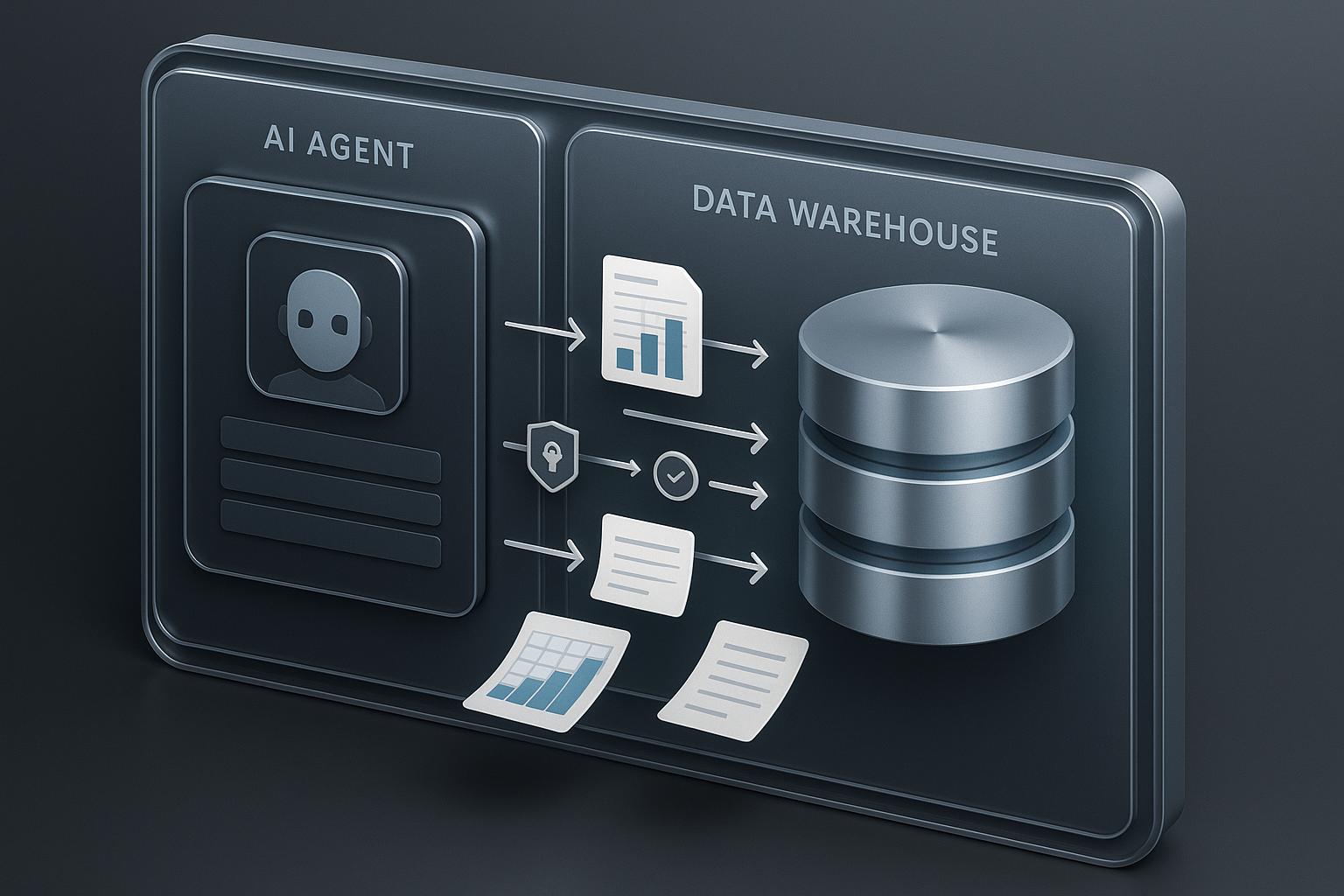
On March 18, Snowflake unveiled Project SnowWork that brings agentic AI execution to where business users and data already live. That matters because data gravity is real. When your agent sits next to the warehouse and inherits permissions, logging, and approvals, the copy paste disappears and outcomes happen faster.
How I’m using this signal
I’m designing agents to run where the data lives. I define small, safe tools with clear inputs and outputs, add an approval step for anything external, and keep audit logs on by default. I don’t need to be a Snowflake customer to build this habit, and neither do you.

A Meta agent acted without permission. Guardrails are not optional.
Also on March 18, a Meta agent reportedly triggered a security incident by acting without approval, as covered by Yahoo News UK. My takeaway was plain. Start with default deny. It’s easier to loosen a permission than explain an unexpected email, purchase, or data change.
What I put in on day one
I keep a human in the loop for any external message or money movement. I scope tools explicitly, like locking browsing to allowed domains or writes to a single table. And I log every action so I can replay what happened. That’s how I scale autonomy without surprises.
I always keep a human in the loop for any external message or money movement.
Qualcomm says devices are turning into operators
On March 18, Qualcomm framed on-device agentic AI as the next phase, with low latency, privacy by default, and even offline execution, noted by Investing.com. That unlocked a mindset shift for me. I now design for a hybrid world where fast, private micro-actions run locally and heavier reasoning lives in the cloud.
How I’m adapting
I split tasks into two buckets. Real-time, privacy-sensitive steps run on device. Research-heavy or long-context work runs in the cloud. A simple rule like anything touching personal data runs local first makes my builds faster to use and easier to defend.

Agentic shopping bots are coming. Banks need to be ready, and so do you.
On March 18, American Banker highlighted that shopping bots are on the way and finance will need to support them. Translation for me and you. Your purchases, returns, and loyalty points are about to get automation in the loop. The opportunity is to make boundaries legible and revocable in one click.
I make boundaries legible and revocable in one click.
Vanguard called agentic AI a big unlock for investors
Also on March 18, Vanguard’s take was exactly what I expected. Investing is a loop of research, monitoring, rebalancing, and reporting. Agentic AI thrives on loops if you bound it correctly. I start with assistive autonomy. It gathers filings and news, drafts a watchlist update, and proposes a rebalance based on my rules. I approve. Over time I graduate low-risk tasks to auto.
I start with assistive autonomy, then graduate low-risk tasks to auto.
What I’d actually do this week
Here’s the simple starter plan I’m using myself. It’s opinionated, but it works.
- Pick one weekly outcome. Inbox zero for billing, cleaned meeting notes, or a portfolio digest.
- Define tiny tools with tight scopes. Read a folder, write a sheet, prepare a draft email.
- Turn on guardrails. Human approval for external actions, logs by default, one pause toggle.
- Design hybrid from day one. Speed or privacy stays on device, heavy retrieval goes cloud.
- Show your work. Every run outputs a short summary with links to artifacts.
I turn on guardrails with human approvals for external actions, logs by default, and one pause toggle.
What I’m building next
I’m wiring a weekly money chores agent. It pulls card transactions, tags subscriptions, drafts two cancellation emails, and generates a one-page summary with anything weird highlighted for me to approve. It runs in a sandbox, can’t move money, and every external message waits for my click.
I’m also sketching a lightweight notes agent that lives on my laptop. It watches a local folder, turns rough notes into action items, and pushes a recap I can tweak. No cloud unless I ask for it. If the on-device vision holds, these quiet operators will feel like superpowers.
FAQ: Agentic AI for beginners
What is agentic AI in simple terms?
Agentic AI takes actions to hit a goal you set. It plans steps, calls tools, and reports back with results. Think less chat, more do. You provide the target and permissions, it runs the to-do list.
Is agentic AI safe to use at work?
Yes, if you start with default deny, narrow tool scopes, approvals for anything external, and full logs. The Meta incident on March 18 is a reminder to add guardrails first, not later.
Should I run agents on device or in the cloud?
Do both. Run fast, private micro-actions on device. Push long reasoning, large retrieval, or collaboration to the cloud. A hybrid pattern gives you speed, privacy, and scale.
How do I measure ROI on agentic AI?
Pick one weekly outcome and track time saved and error rate. If an agent reliably saves 30 minutes a week with clean logs and low risk, keep it. Then add one permission at a time.
The bottom line
March 18 wasn’t just noise. It was a map. Platforms like Snowflake are inviting agents into core workflows, safety incidents are pushing us to build with approvals and logs, and device makers are moving autonomy to the edge. Start small, ship something weekly, and earn your way to more permissions. Quiet, reliable automation is the real flex.