

Agentic AI just got real for me this week
Agentic AI finally clicked. On March 19, 2026, five separate drops lined up and changed how I build, buy, and ship. Alexa+ stepped into real delegation in the UK, Visa prepared for agent-led checkout, Nintex pushed orchestration, Nvidia highlighted OpenClaw, and TM Forum gave us a usable governance template.
Quick answer: If you want a fast, safe start with agentic AI, pick one boring, measurable workflow and wire it up end-to-end with approvals. Make your data agent-friendly, keep payment actions gated, log everything, and review weekly. The combo of Alexa+, Visa’s Agentic Ready, Nintex orchestration, Nvidia-backed tooling, and TM Forum governance gives you a clean lane to act now.
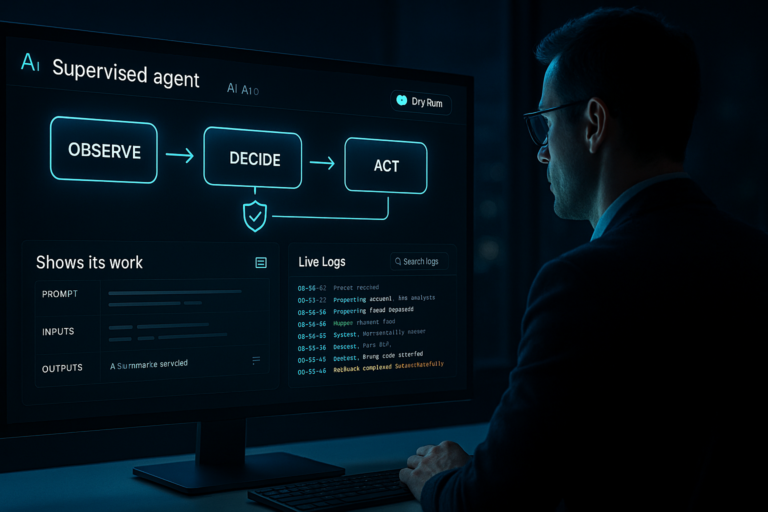
I always pick one boring, measurable workflow and wire it end-to-end with approvals first.
What changed on March 19, 2026
I watched Amazon unveil Alexa+ in the UK, positioning it for real delegation. The same day, Visa launched an Agentic Ready program for AI-driven payments, Nintex shipped agentic orchestration, Nvidia spotlighted OpenClaw, and TM Forum released a practical autonomy governance framework. It felt like the ecosystem snapped into place.

Alexa+ in the UK: my first always-on agent
The Alexa+ promise is simple for me: less micromanaging, more delegation. Think constraints like price caps, delivery windows, and return policies, then let it run. Amazon’s UK announcement landed on March 19, 2026, and I immediately started planning low-risk, high-annoyance tasks for it to own.
How I’m using it
I’m testing hands-off reorders, delivery tracking, and price watching for repeat buys. If you build products, this is your cue to make sites predictable and machine-readable so assistants can navigate, verify, and buy without guesswork. I’m keeping human-in-the-loop toggled for anything that touches money or identity.
I keep human-in-the-loop on for anything that touches money or identity.
What I’m watching for
Data clarity and permissions. I’m double-checking what Alexa+ can access and how approvals show up, so I can confirm high-risk steps without slowing the easy stuff.
Visa’s Agentic Ready: why this matters if you sell anything
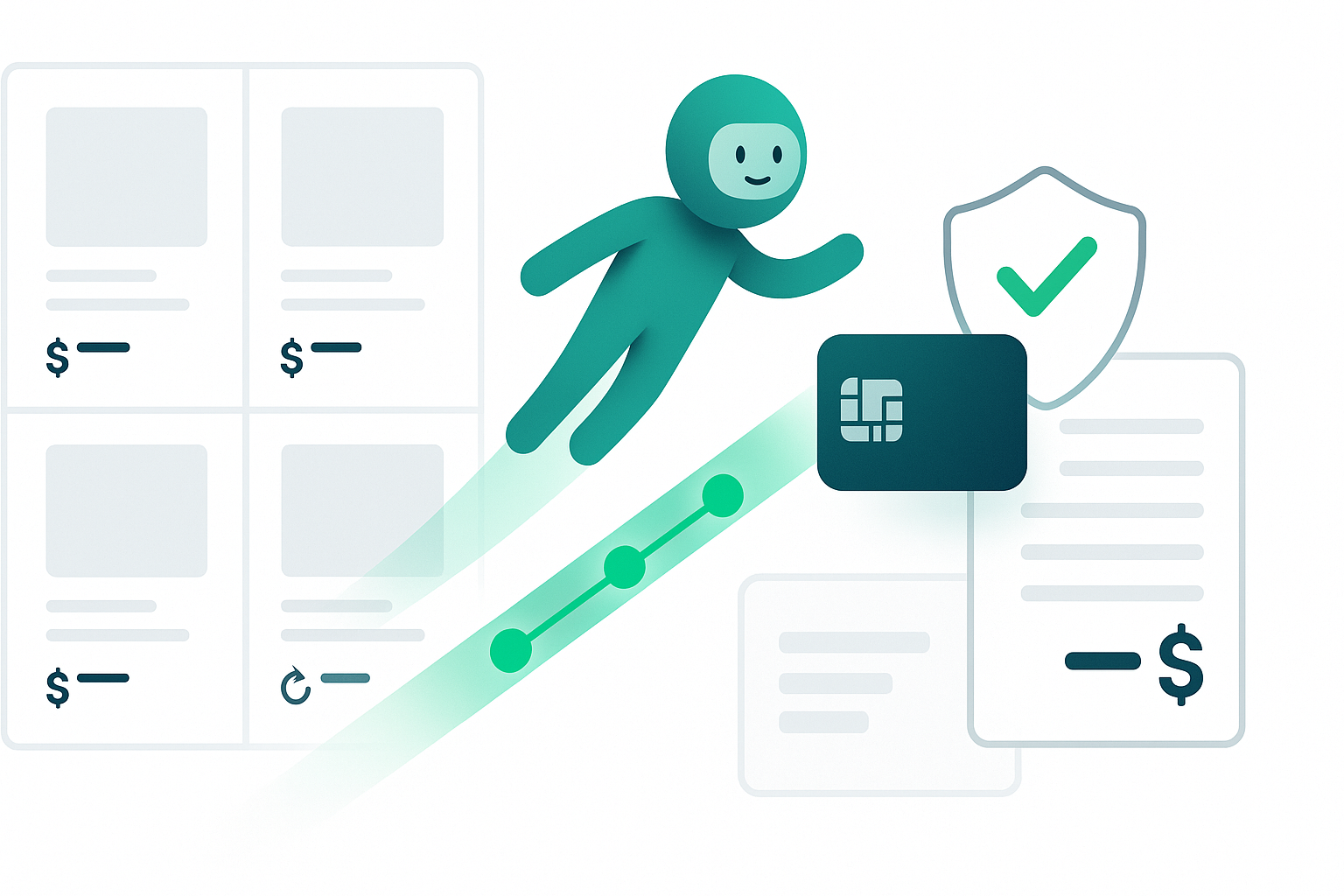
Payments are getting a dedicated lane for agents. Visa’s Agentic Ready program, also announced on March 19, 2026, tells me agent-led checkout is moving from hacky to supported. If an agent can parse your catalog, understand policies, and pay with scoped tokens, you’ll win the autonomous purchase by default.
What I’m doing now
I’m cleaning product, pricing, and returns data, then exposing confirmations and receipts in predictable, machine-friendly formats. Where possible, I’m adding delegated checkout with guardrails so a user’s agent can buy without scraping UI flows. Friction is the funnel killer for agents.
I remove friction because it’s the funnel killer for agents.
Read Visa’s Agentic Ready news.
Nintex orchestration: automating the boring parts
Nintex added agentic business orchestration on March 19, 2026, so instead of stitching a dozen zaps, I can set goals, pick tools, and move outputs across systems. The play for me is to avoid boiling the ocean and start with one repeatable decision flow.
My starter workflow
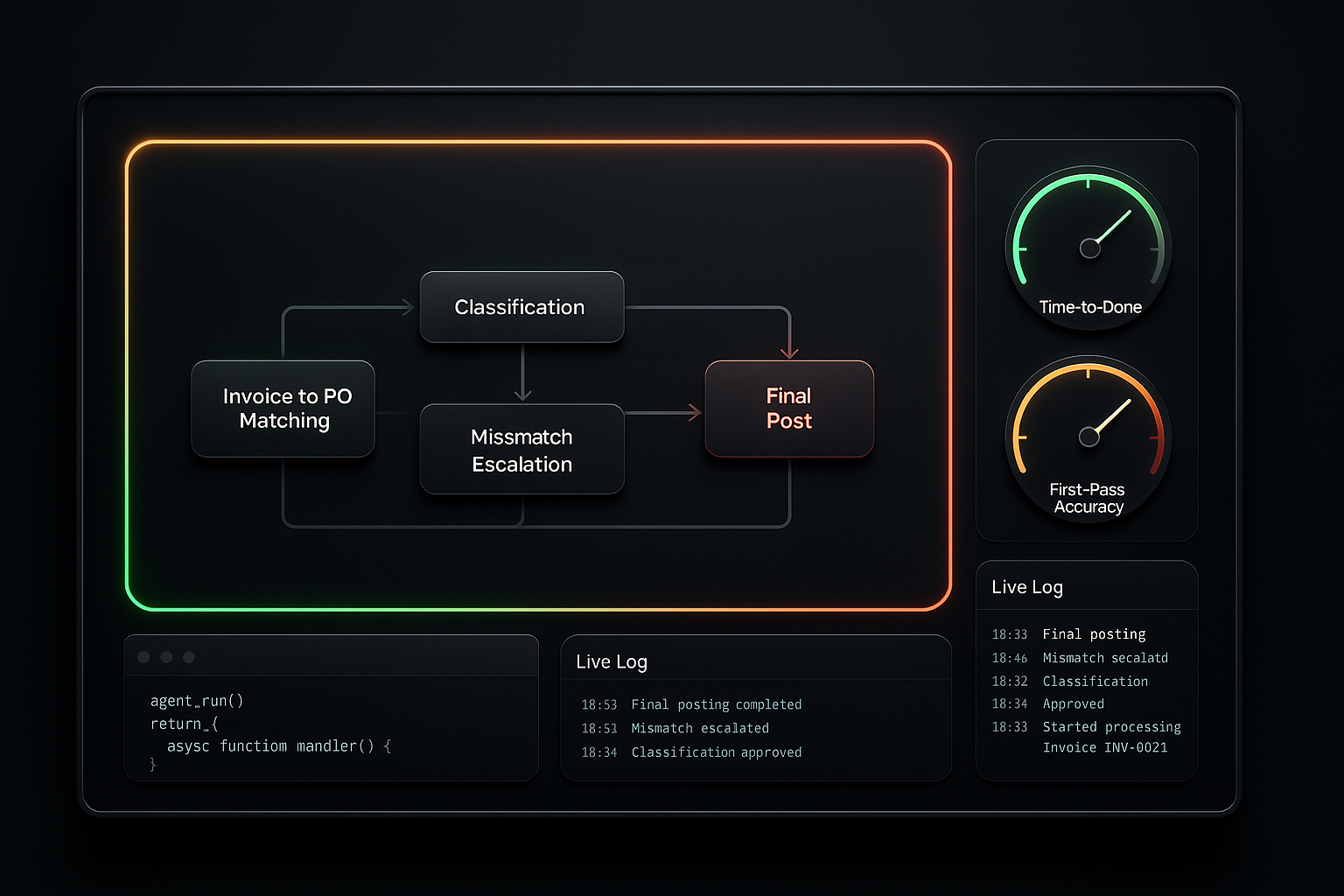
I’m piloting invoice-to-PO matching with three approvals: initial classification, mismatch escalation, and final post. I’m tracking time-to-done and first-pass accuracy, not just clicks saved. If time drops and accuracy holds or improves, I scale. If mistakes spike, I tighten prompts and add one checkpoint.
I track time-to-done and first-pass accuracy, not just clicks saved.
Nvidia’s OpenClaw signal: dev speed without the yak shave
When Nvidia shines a light on OpenClaw on March 19, 2026, I take it as a green light for better runtimes, cleaner SDKs, and examples that actually run. My test bed is intentionally boring: PDF invoice in, validate against CSV, notify a human on mismatch, update a sheet. Only add tools when the agent hits a wall.
Governance that’s not a brick wall
TM Forum’s autonomy governance framework, published March 19, 2026, finally gave me a checklist I’ll actually follow. I classify actions into three zones, log inputs and outputs with a short retention window, and require two signals for high-risk steps like refunds: user confirmation plus a policy check.
I classify actions into three zones and require two signals for high-risk steps like refunds.
Check the governance framework.
If you’re just getting started with agentic AI
I used to say start with a chatbot. I’m flipping that. Start with a tiny agent that finishes one measurable task end-to-end. Use orchestration if you want speed or an open stack if you want control. Keep approvals where it matters and be ready to rip out tools that add more chaos than clarity.
My 7-day agentic AI starter plan
- Pick one daily, boring workflow and write the single-sentence goal.
- Map steps and mark two that always need your approval.
- Build a v0.1 orchestration that runs once, end-to-end, with logs.
- Add delegated checkout or a mock purchase with clear guardrails.
- Do a 30-minute review, tweak prompts, and ship v0.2.
Where I’m placing near-term bets
Home and personal
Alexa+ for low-stakes buys with strict caps and approvals. If it nails those, I’ll widen the lane.
Commerce
Agent-friendly catalogs and receipts beat most shiny features. Predictable beats pretty.
Ops
Agentic orchestration is going on every team’s backlog. One small win compounds fast.
Dev
Following the Nvidia and OpenClaw momentum for fewer blockers and more shipping.
Risk
Classify, log, review. It’s how I move fast without breaking trust.
FAQ
What is agentic AI in plain English?
It is AI that can take a goal, choose steps and tools, and complete tasks with or without approvals. Instead of answering a question, it acts within constraints you set.
How do I make my store agent-friendly?
Clean up product, pricing, and returns data. Use consistent schemas for confirmations and receipts. Add scoped payment tokens or delegated checkout so agents can buy with guardrails.
What should I measure first?
Time-to-done and first-pass accuracy for the workflow you automate. If speed improves while accuracy holds or gets better, keep scaling. If errors rise, add one checkpoint and refine prompts.
How do I handle risk without slowing everything down?
Create three zones: fully automated, needs instant approval, never without review. Log inputs, tools, and final actions with a short retention window, then spot-check weekly.
The bottom line
March 19, 2026, wasn’t just press. It was a practical map. If you’ve been waiting to try agentic AI, you’ve got legit entry points across consumer, payments, ops, dev, and governance. Pick one lane this week and prove value in seven days.