
Agentic AI finally clicked for me this week. Too many pieces landed at once, and it stopped feeling like a demo and started looking like the default way to build. If you have been waiting for a real sign to start, this is it.
Quick answer: Agentic AI moved closer to mainstream on March 19, 2026 with onchain execution from OKX, data-native agent workflows via Snowflake Project SnowWork, and real identity controls from Yubico and Delinea. If I were starting today, I would ship one small agent this week with tight tools, strong logs, and simple guardrails.
I would ship one small agent this week with tight tools, strong logs, and simple guardrails.
Why today felt like a turning point
I have been quietly testing agents in my own work for a while. March 19, 2026 stood out because key pieces across value movement, data access, and identity clicked on the same day. That is the difference between a cool playground and something I can trust with real tasks.
I am not here for hype. I want outcomes. What follows is what changed, why it matters if you are starting from zero, and exactly how I would spend five evenings to get my first win.
Quick refresher: what is agentic AI?
Instead of a single prompt and answer, an agent plans, takes multi-step actions, calls tools and APIs, checks results, and loops until a goal is met. Think of it like a reliable intern that can browse, call services, update sheets, ping your CRM, and come back with finished work. Your job is to set the goal, define guardrails, and hand it the right tools.
I set the goal, define guardrails, and hand it the right tools.
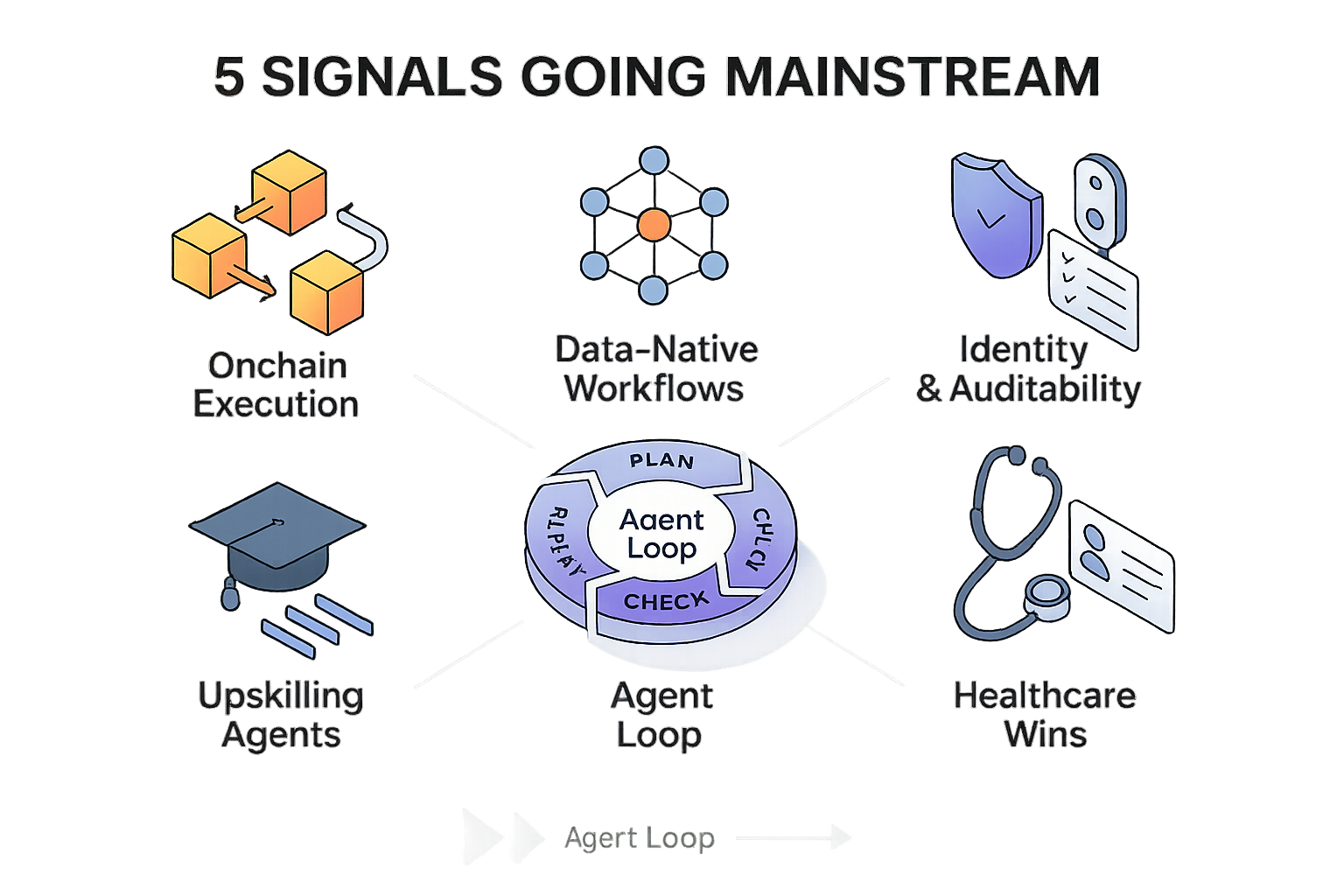
5 signals agentic AI is going mainstream
Onchain execution is now native
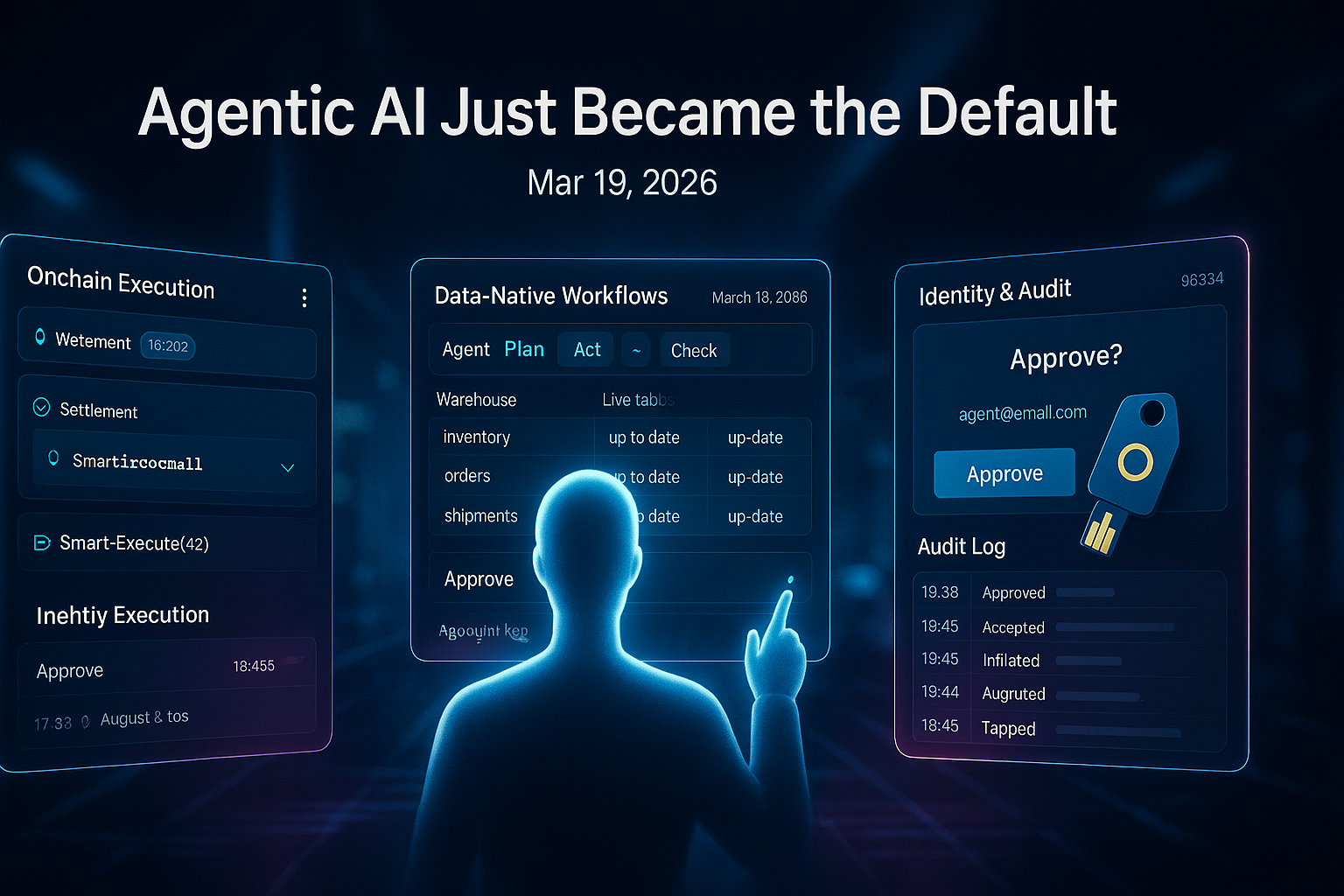
On March 19, 2026, OKX launched an Agentic Wallet focused on autonomous onchain execution. This is the jump from toy agents to useful ones, because agents can now move value and call smart contracts without babysitting. If an agent can monitor a price feed, manage a subscription, or settle a micro-invoice by itself, you unlock real automations.
Why it matters: you do not need to be a crypto person. It is about verifiable, programmable actions. Even if you never touch a token, designing with transactable agents in mind will future-proof your automations.
I design with transactable agents in mind to future-proof my automations, even if I never touch a token.
Data platforms are baking in agent workflows
Also on March 19, 2026, Snowflake pushed into agents with Project SnowWork. Translation: routing, tool calls, and evaluation loops should live where your data lives, not in a random sidecar. Keep data close, keep tools narrow, and you will spend more time shipping and less time wiring.
Identity and accountability got real
On March 19, 2026, Yubico and Delinea teamed up to tie agent actions to real identities, policies, and auditable logs. If agents touch money, data, or production, you need to know which agent acted, with which permission, and why. You can adopt the mindset today with per-agent creds, logs, and approvals for risky steps.
Healthcare is showing practical wins
Healthcare IT News reported on March 19, 2026 that a large specialty practice used agentic AI to strengthen patient engagement. Healthcare is compliance heavy and resource constrained, so traction there signals agents are reducing busywork and speeding up care without piling on clinician overhead.
Upskilling platforms just went agentic
Also on March 19, 2026, Udemy previewed Altus, an agentic solution for diagnosing skills gaps and building workforce capability. That is a quiet but strong bet that AI will orchestrate learning paths, projects, and assessments. The same loop you use for business automation can level up your own skills faster.
If I were starting from zero this week
I like tiny, outcome-first sprints. Here is exactly how I would spend five focused evenings.
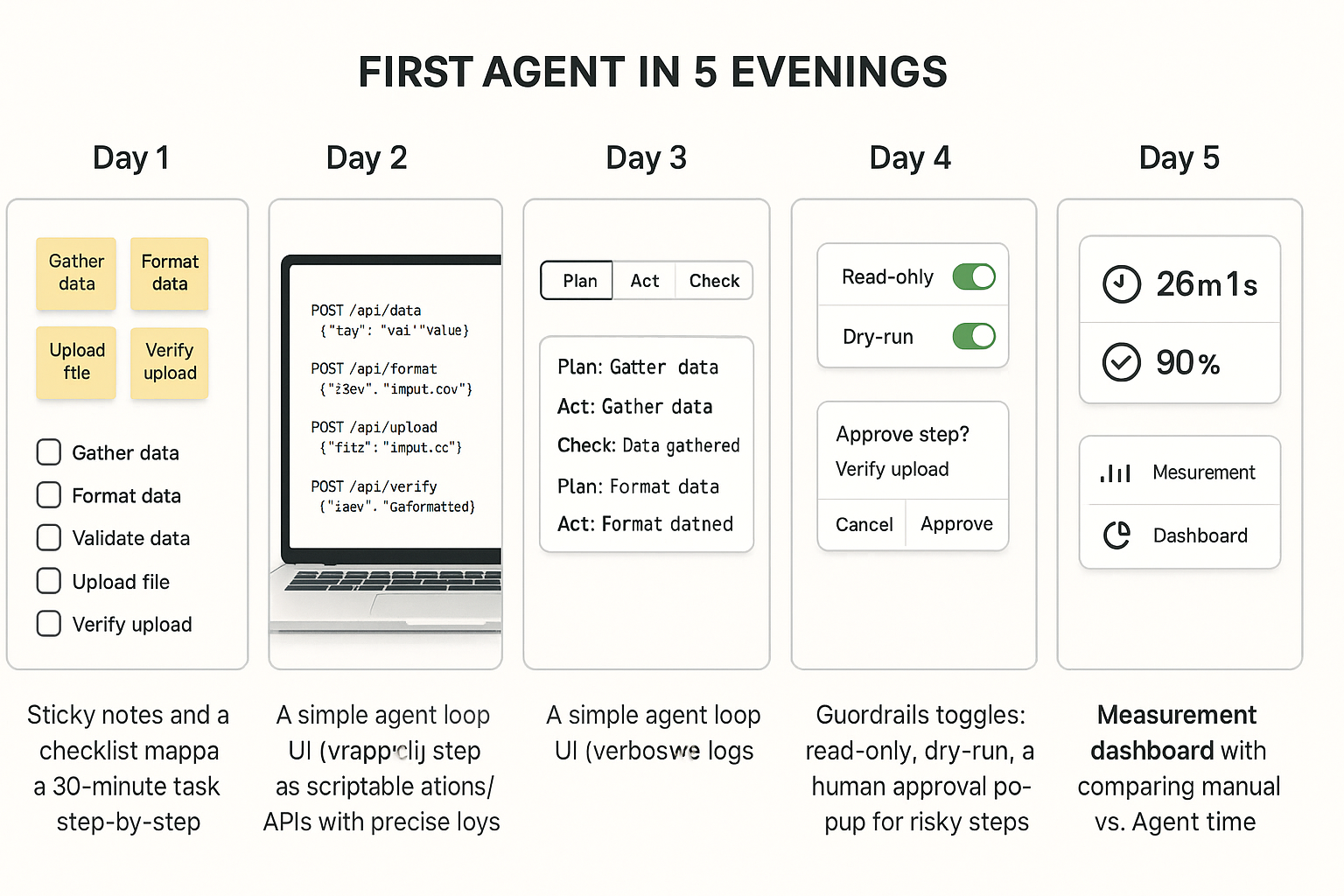
- Day 1: Pick one 30-minute task you hate. Write each step and the tools you touch.
- Day 2: Wrap each step in a scriptable action. Apps Script for Sheets, or the SaaS API with the exact payload.
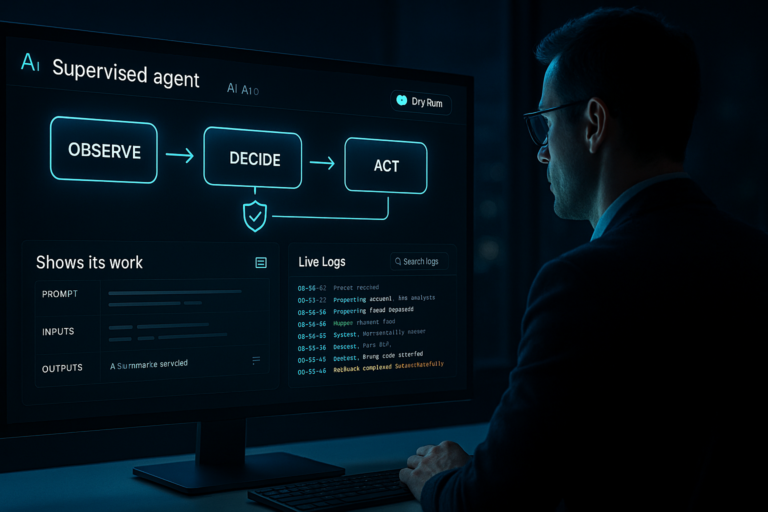
- Day 3: Add a simple agent loop. Plan, act, check, then stop or continue. Log everything.
- Day 4: Add guardrails. Read-only where possible, dry-run mode, and manual OK for destructive steps.
- Day 5: Measure. Time it by hand vs the agent, note errors, and pick next week’s improvement.
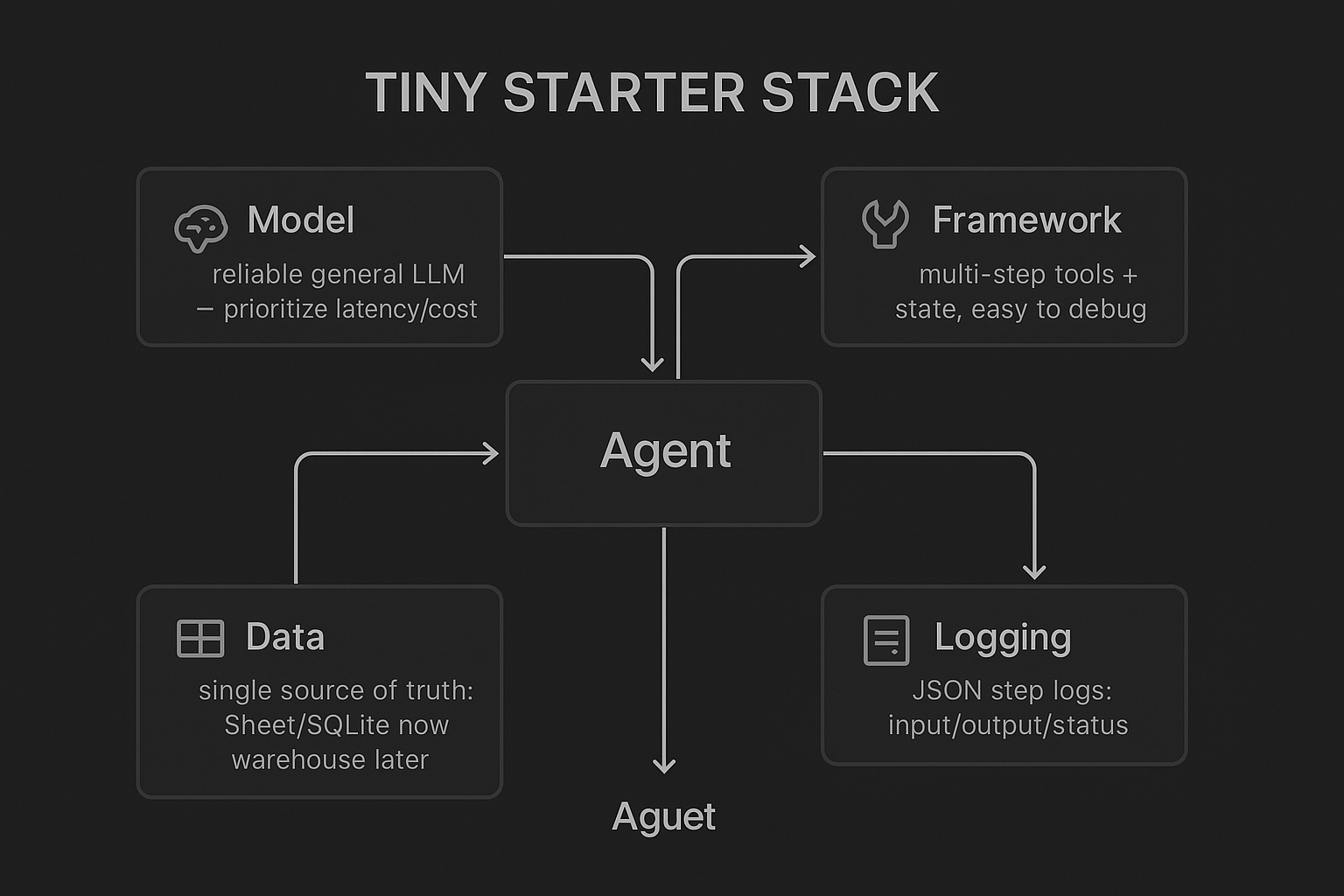
The tiny starter stack I actually use
Model: a reliable general LLM you already have. Latency and cost beat bragging rights early on.
Framework: whatever makes multi-step tools and state easy for you to read and debug.
Data: one source of truth. A spreadsheet or SQLite is fine for small projects. Use your warehouse when it gets serious.
Logging: save every step with input, output, and status. Simple JSON logs beat guessing.
I save every step with input, output, and status, because simple JSON logs beat guessing.
Auth: per-agent API keys. Rotate often. Never share keys across agents or environments.
Traps I learned the hard way
Do not give your agent the whole internet. Hand it the two or three tools it needs and block the rest. Quality jumps overnight.
Do not start with full autonomy. Begin in assistive mode, auto-approve only the boring steps, and let confidence grow from your logs.
I begin in assistive mode, auto-approve only the boring steps, and let confidence grow from my logs.
Respect idempotency. If the agent retries, you should not double-bill, double-email, or double-insert. Make actions safe to run twice or add quick checks.
Review operations weekly. Read a few logs end to end and you will spot drift and flaky tools before they become outages.
Where this is going next
The pieces are locking in: onchain execution shifting from wallet UX to agent-first flows, data platforms promoting agents to first-class citizens, identity vendors closing the accountability loop, healthcare proving ROI, and learning platforms leaning into agentic loops.
You do not need a moonshot. You need one narrow win that repeats daily. Once it works, your stack has a home for it: data where it belongs, logs you can read, permissions you can explain, and an execution surface that moves work without babysitting.
FAQ
What is agentic AI in simple terms?
It is an AI that plans and executes multi-step tasks with tools and APIs, checks the results, and loops until a goal is met. Think assistant plus automation, not just a chat reply.
How do I pick my first agent workflow?
Choose a repetitive, rules-based task you already document. If it steals 15 to 30 minutes regularly and touches 2 to 3 tools, it is a great fit for a first pass.
Do I need onchain or crypto to start?
No. Onchain execution is useful where verifiable actions matter, but you can get real wins with spreadsheets, APIs, and simple web calls. Design as if transactable actions might come later.
How do I keep agents safe in production?
Use per-agent credentials, read-only scopes by default, dry-run modes, and approvals for high-risk steps. Log every action and review a sample weekly.
What should I measure in week one?
Time saved per run, success rate, and number of human approvals. If you consistently save 10 to 15 minutes with clean logs, you are on the right track.
My challenge to you: pick one task you are sick of and ship an agent that does the first 60 percent. Keep the scary parts manual for now. If it helps, keep going.