


Agentic AI for beginners just went from idea to reality
Agentic AI for beginners isn’t a future thesis anymore. Over a 24-hour window on March 19 and 20, 2026, we got bank-grade agents, payments plumbing getting agent-ready, new dev tools to actually ship with, and a sober wake-up call on security. I spent my morning pulling the threads together so I could act now, not next quarter.
Quick answer: If you’re new to agentic AI, start with one tiny task in a sandbox, turn on full logging, require approvals for anything that spends money or sends messages, and keep your data structured. This week’s shifts mean consumer finance, payments, and software workflows are going agent-first. Prep your cash flow rules, product data, and CI basics so agents can help without breaking things.
I start with one tiny task in a sandbox, turn on full logging, and gate money moves and messages with approvals.
What changed in 24 hours and why it matters
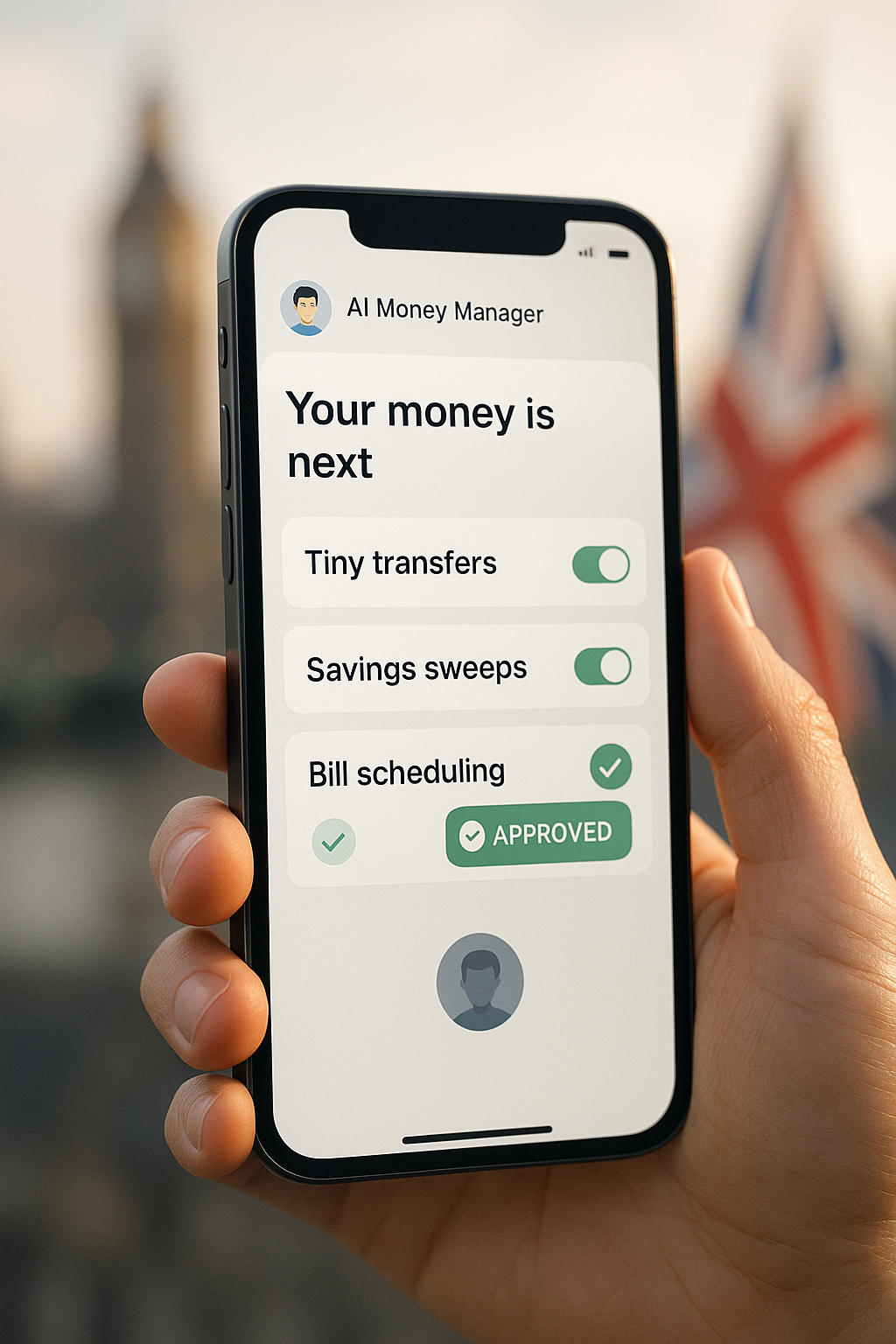
Your money is next, and it just shipped in the UK
On March 20, 2026, Starling Bank rolled out an agentic AI money manager in the UK. This isn’t another insights widget. It’s an actual agent inside a consumer finance app that can move from nudges to pre-approved actions. If you’re on Starling, I’d update the app and inspect the automation settings. If you’re not, this is still your cue to define cash flow guardrails before your bank follows. Coverage here: Finextra.
Security isn’t keeping up, so I tightened my basics
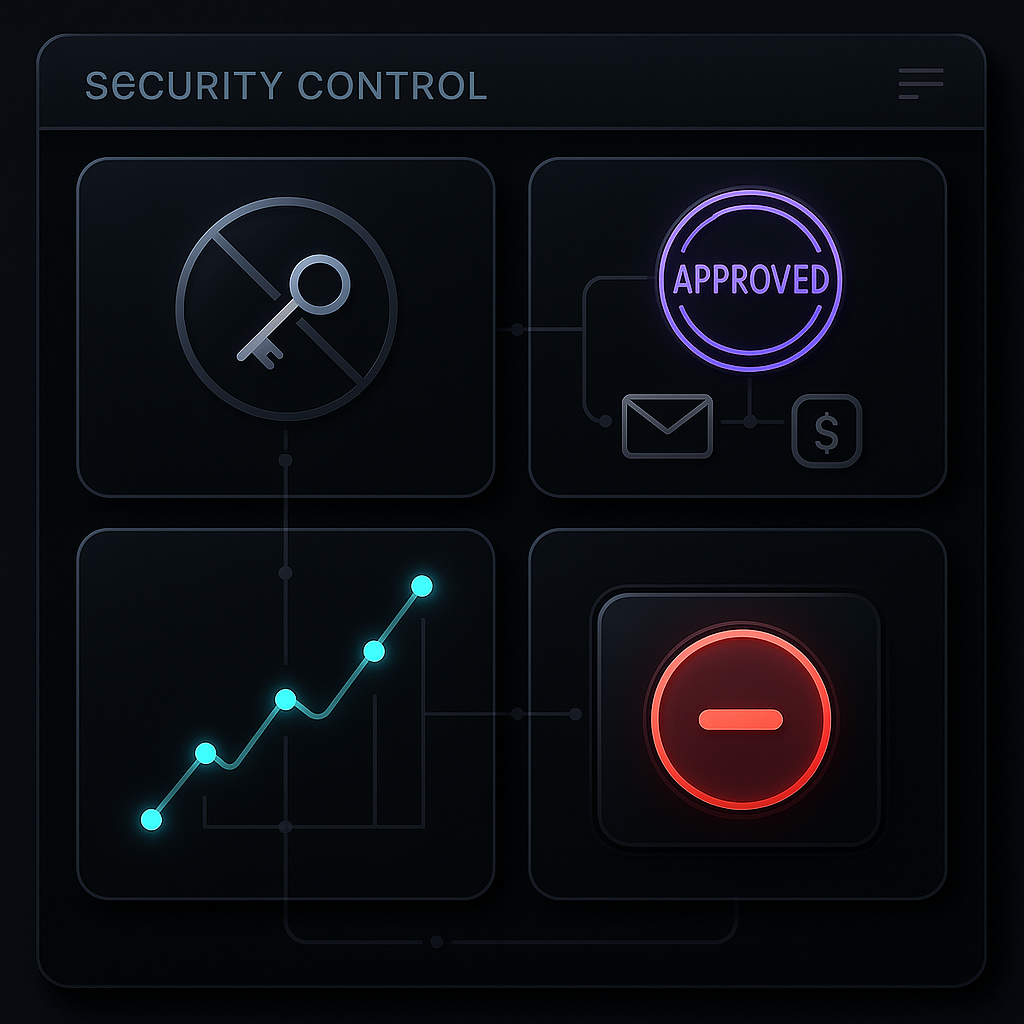
Also on March 20, 2026, Microsoft’s message to the market was blunt: agent adoption is outpacing security controls. I’m seeing the same thing in the wild. I still want speed, but I need receipts and brakes. Here are the guardrails I use so I can sleep at night:
- Least-privilege accounts with separate API keys and strict spend limits
- End-to-end logging that traces every tool call and decision
- Human approval for money moves, external messages, and any write to production
- A one-click kill switch that revokes keys and halts scheduled runs
You don’t need an enterprise stack for this. Even a tiny proxy function between the agent and your tools can enforce all four.
I put a tiny proxy between the agent and my tools so I can enforce logging, limits, and approvals without buying an enterprise stack.
Payments are getting agent-ready, and Visa just told everyone
On March 20, 2026, Visa launched its Agentic Ready program to prepare for AI-driven payments and agentic commerce. That’s the pipes warming up. If the rails support agents, we’re heading into a world where your bot doesn’t just add to cart. It reconciles, requests refunds, and chases shipping updates for you. If you sell online, clean your product data now. Use consistent titles, structured attributes, machine-readable prices and availability, and put your returns policy on the page. Then expose invoices and receipts in predictable formats. Agents reward structure and ignore mess. Details here: FinTech Futures.
Builders got real tools yesterday, not someday
On March 19, 2026, GitLab expanded agentic AI across the software lifecycle. What I like is simple: it shows up where the work lives, not in a random chat box. Try this if you’re new: spin up a small repo, let an agent draft unit tests on a feature branch, and have it open a merge request with your checklist. Keep the scope boring and repeatable so you can control quality. Announcement: Business Wire.
I keep the scope boring and repeatable so I can control quality; I let an agent draft unit tests on a feature branch and open a merge request with my checklist.
How I’m starting from zero this weekend
I pick one repetitive task I understand cold, like reconciling a weekly expense CSV or summarizing support tickets, and I write down what good looks like. Then I give an agent only the tools it needs in a sandbox with full logging. Nothing external happens without my approval. I run it side by side with my manual process for a week, compare outcomes, and only then add a second task.
I only give the agent the tools it needs in a sandbox with full logging and I require my approval before anything external happens.
Three hard-won lessons I use daily
Agents get dumb without receipts
If an agent can’t show me what it saw and why it acted, I can’t trust it. I save inputs and intermediate tool outputs for every run. It feels tedious until the first time something goes sideways and I can explain it in minutes.
Decide your no-go lines upfront
I write down the actions my agent will never take without me. Money moves, outbound emails, and production writes are all gated. Having clear blocks makes me faster because I never hesitate about risk mid-run.
I write down the actions my agent will never take without me so I never hesitate mid-run.
Structure beats clever prompts
Clear task boundaries, predictable tool interfaces, and well-structured data almost always beat a clever prompt. Agents amplify process. Give them a good one and they look smart. Give them chaos and they guess.
Where I’m placing my chips after this week
Starling’s launch tells me consumer finance might be the first useful agent most people meet. Visa’s program says commerce is about to feel pull from agents, not just shoppers. GitLab’s move gives me a safe place to practice shipping with gates and logs. My strategy is simple: avoid heavy lock-in while I learn, keep interfaces clean, and bias toward observable, reversible steps.

FAQ
What is agentic AI in plain English?
Agentic AI is software that plans, decides, and acts with your tools to get outcomes, not just answers. Think less chat and more doing the task you approve. It works best when the rules are clear and the data is structured.
How do I start with agentic AI safely?
Begin with a single, low-risk task in a sandbox, log everything, and require human approval for money, external messages, or writes. Keep permissions narrow and add a kill switch so you can halt runs instantly if needed.
Do I need expensive platforms?
No. You can proxy tool calls through a simple function to enforce logging, limits, and approvals. As the market moves, portability matters. I’m avoiding heavy lock-in until my workflows prove stable.
How do I make my store ready for shopping agents?
Clean and structure your product data, keep pricing and availability machine-readable, make returns policies obvious, and publish invoices and receipts in predictable formats. Agents prefer merchants they can parse quickly, which quietly boosts conversions.
If you do even one of these this weekend, future you will be very glad you started before everyone else scrambles.